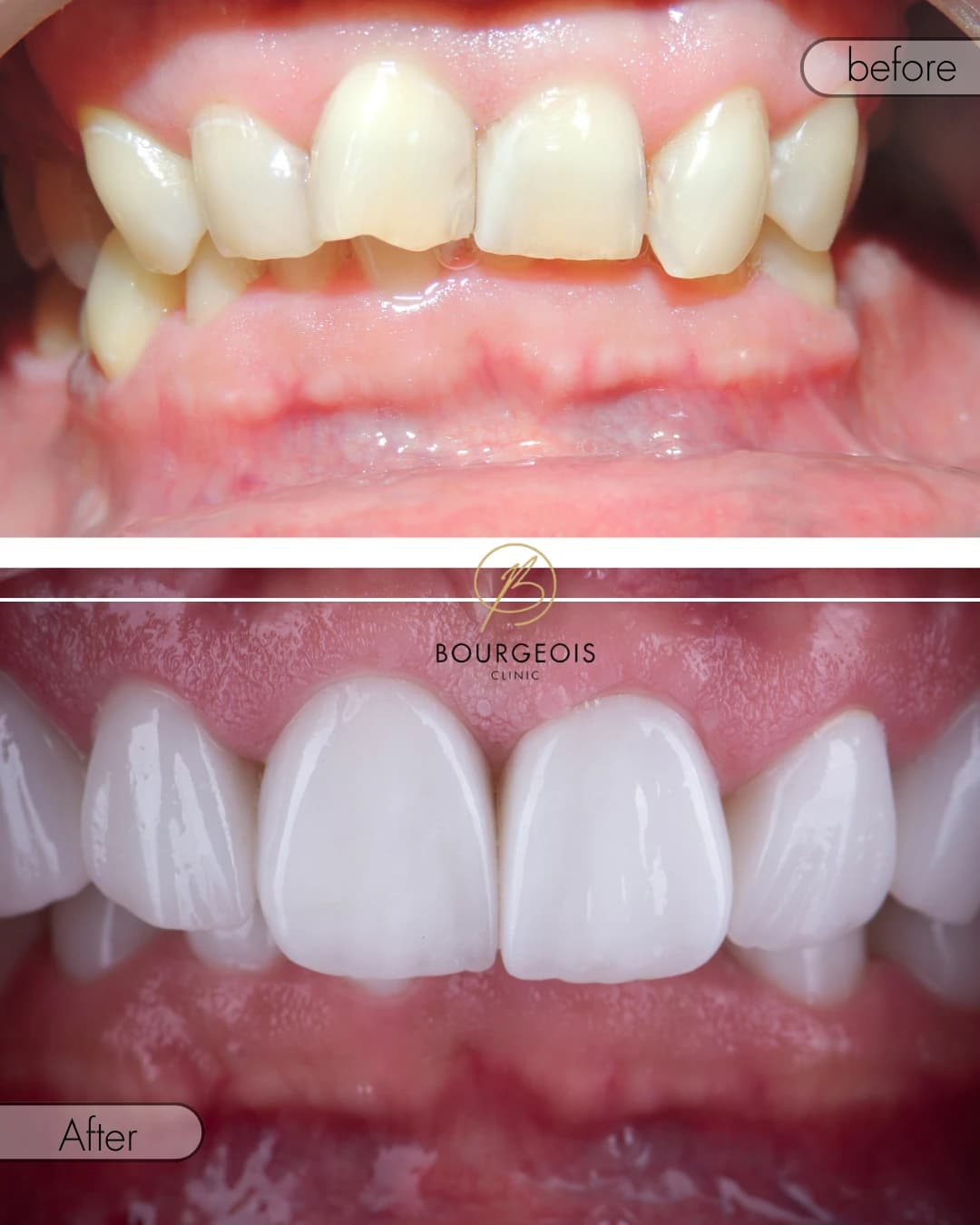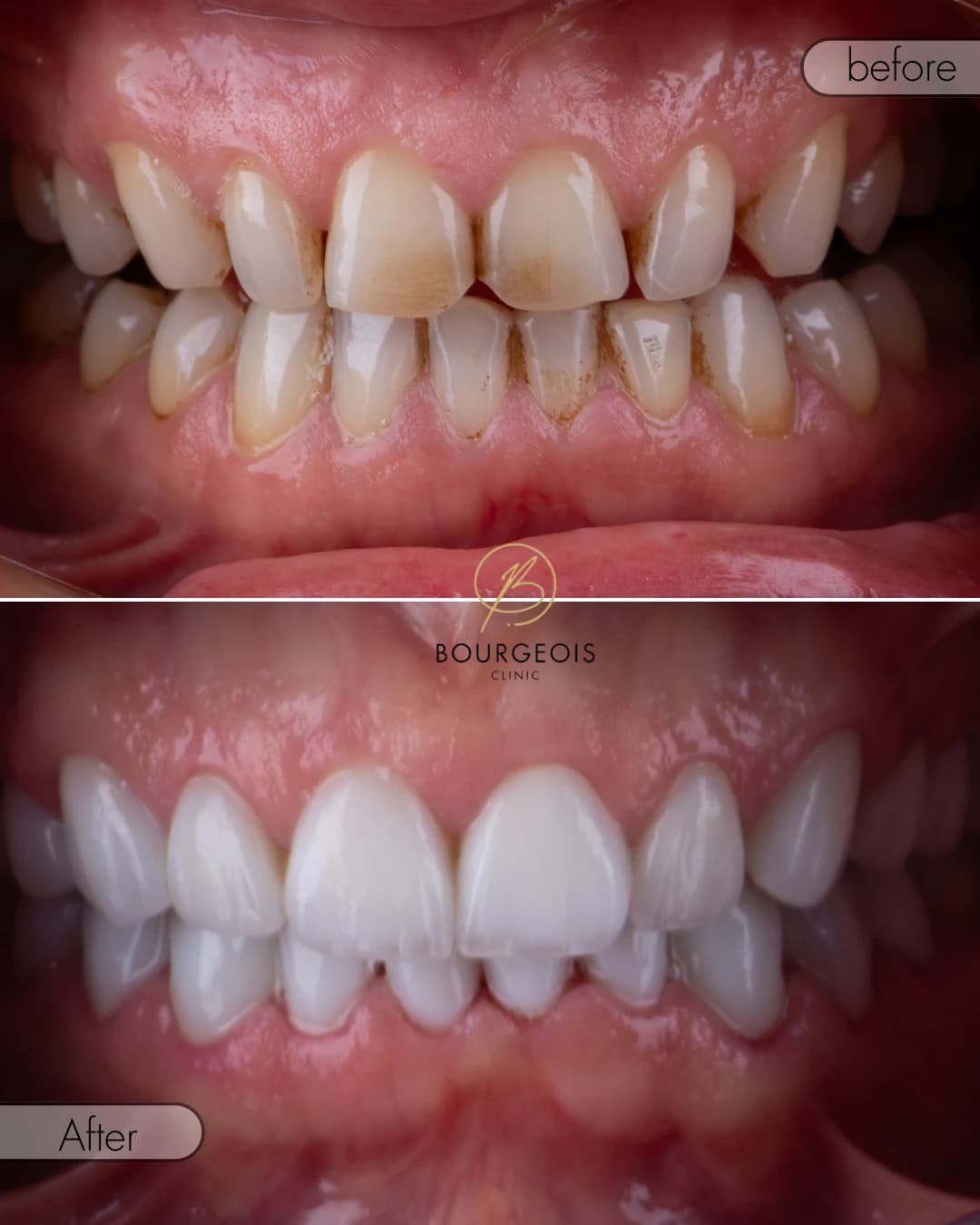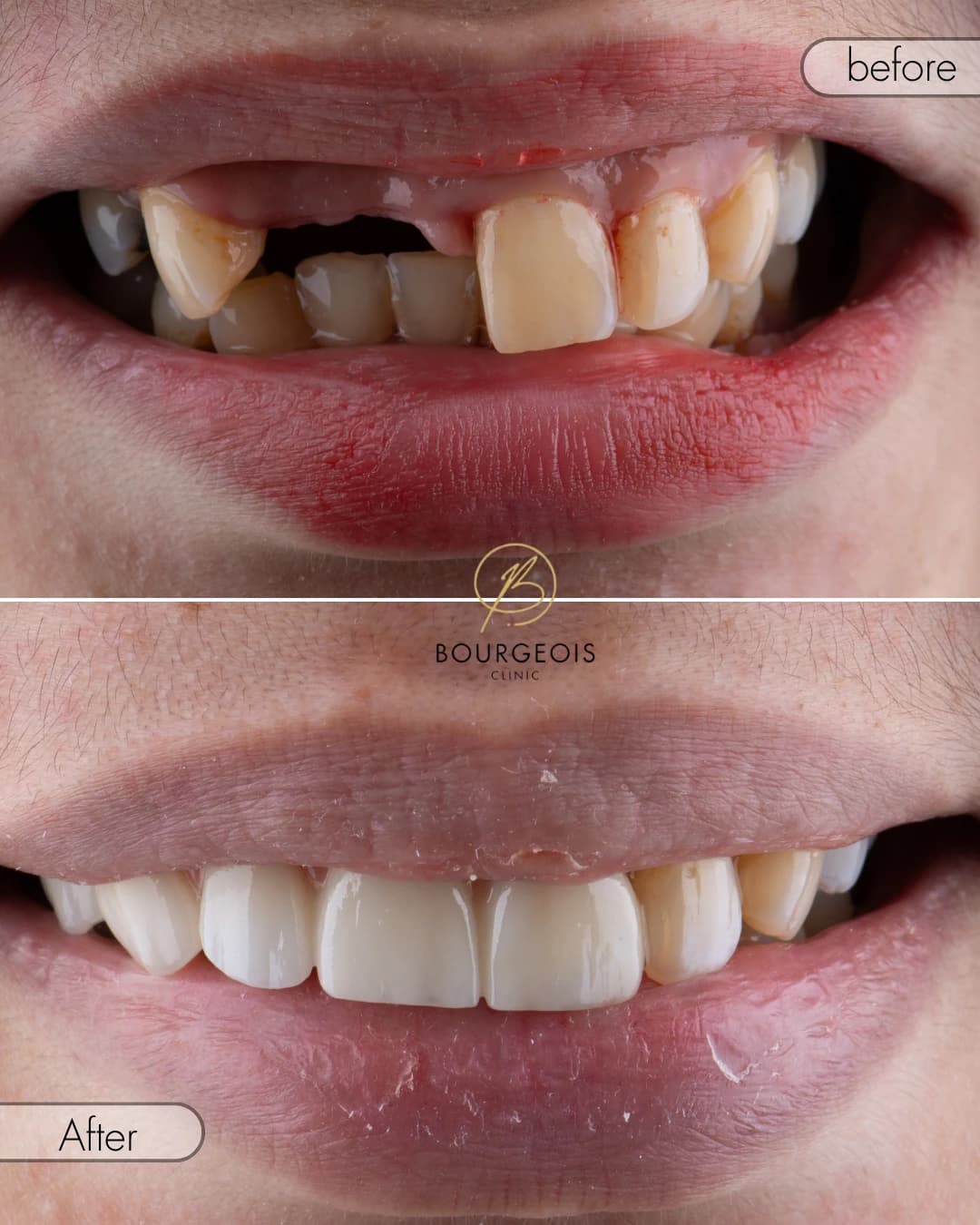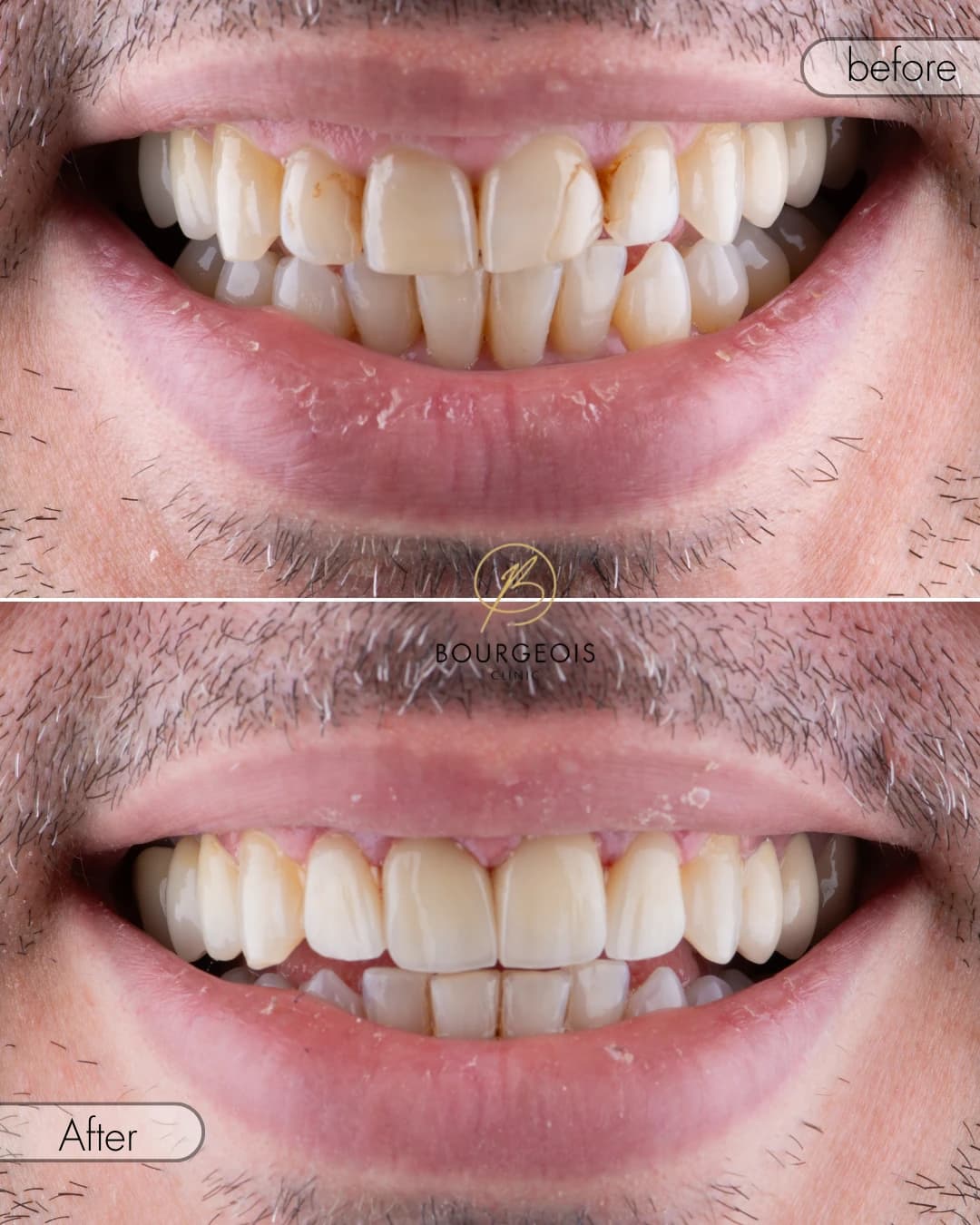



Composite Bonding Cost in Dubai: What Affects the Price?
Composite bonding prices in Dubai vary by the number of teeth, case complexity, smile planning, finishing, preliminary care and follow-up. Compare complete written plans—not headline prices alone.
Composite bonding cost in Dubai varies because the treatment is planned for each tooth and smile rather than sold as one identical procedure. The number of teeth, the amount of reshaping required, the condition of the enamel and gums, bite considerations, shade matching, finishing time and any preliminary care can all change the final quotation. A price seen online may refer to one small repair, while another quote may cover several front teeth, detailed smile planning and follow-up. The most useful figure is therefore a written, personalised plan that explains exactly what is included.
This guide from Bourgeois Dental Clinic in Dubai explains how to compare composite bonding quotations without choosing treatment on price alone. Patients considering an aesthetic assessment can also review Dr. Nour's dentist profile and the clinic's composite bonding service.
Why is there no single composite bonding price?
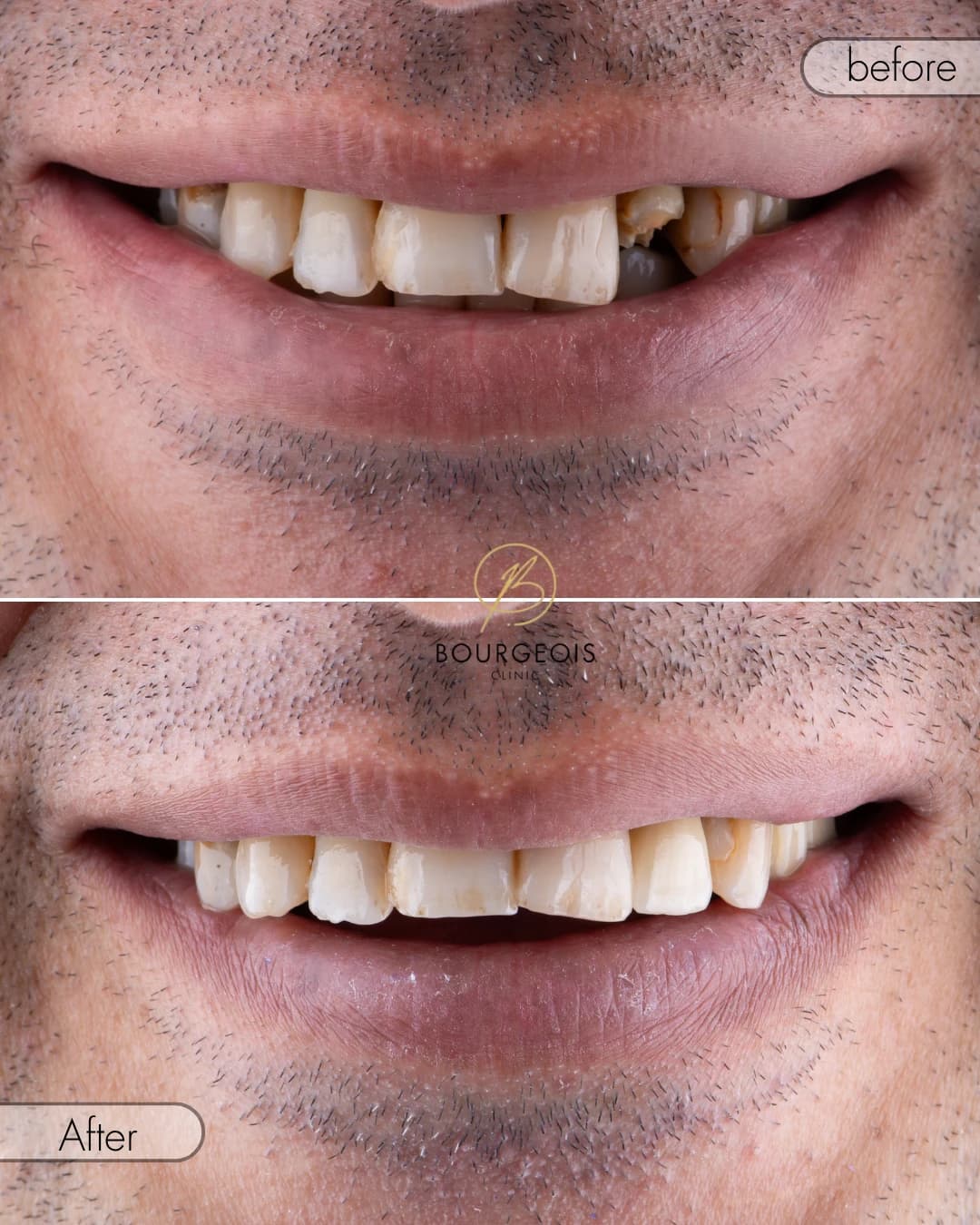
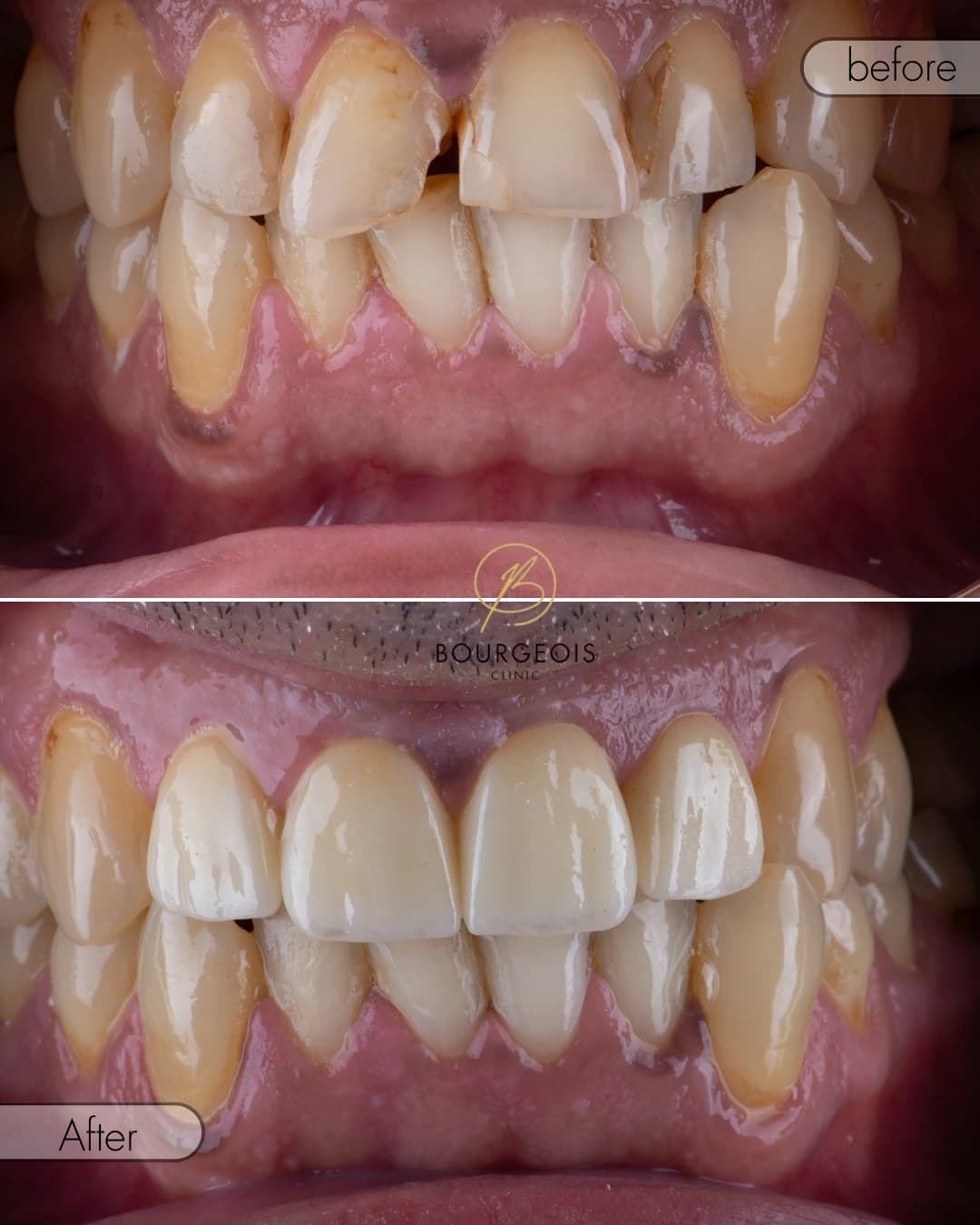
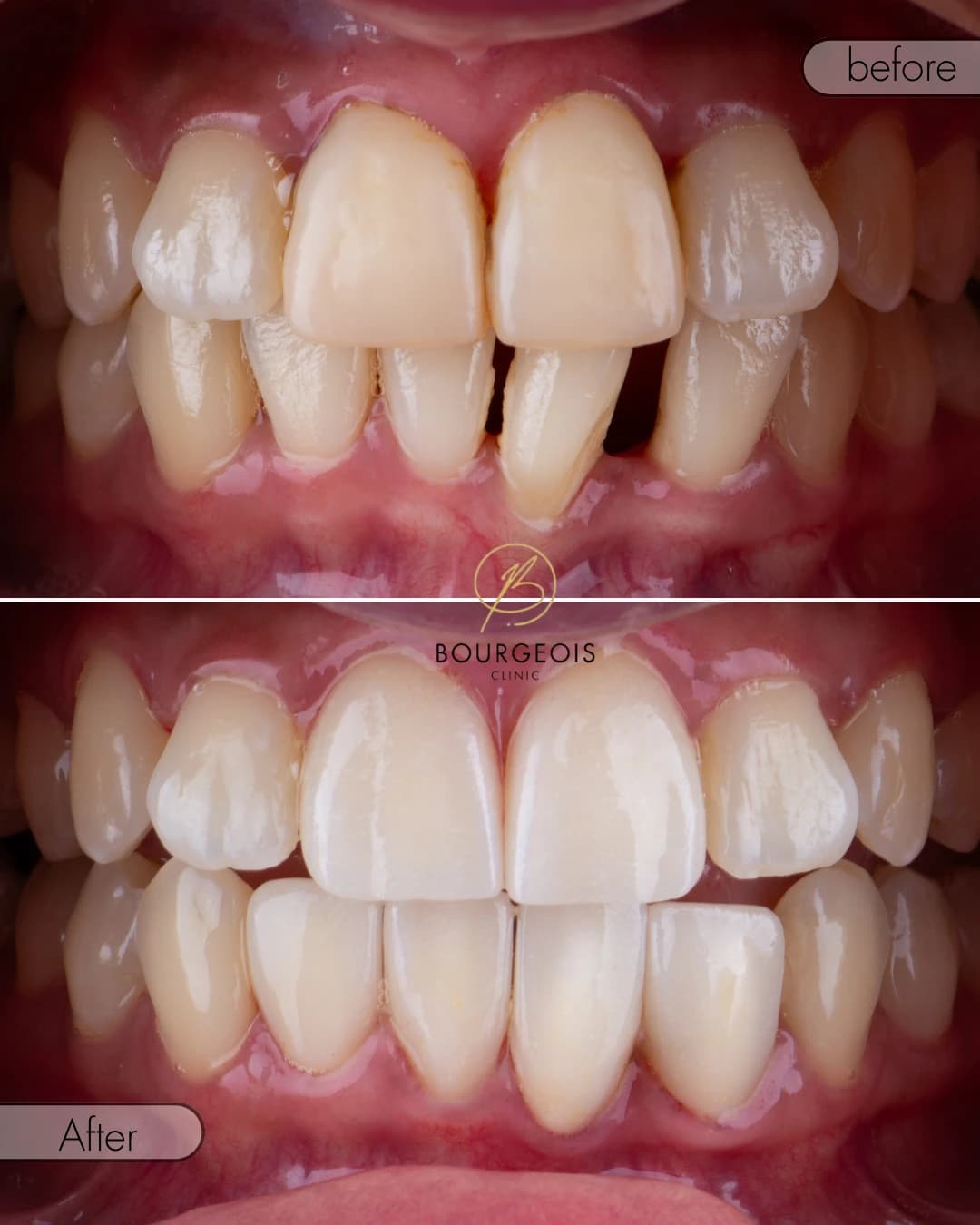
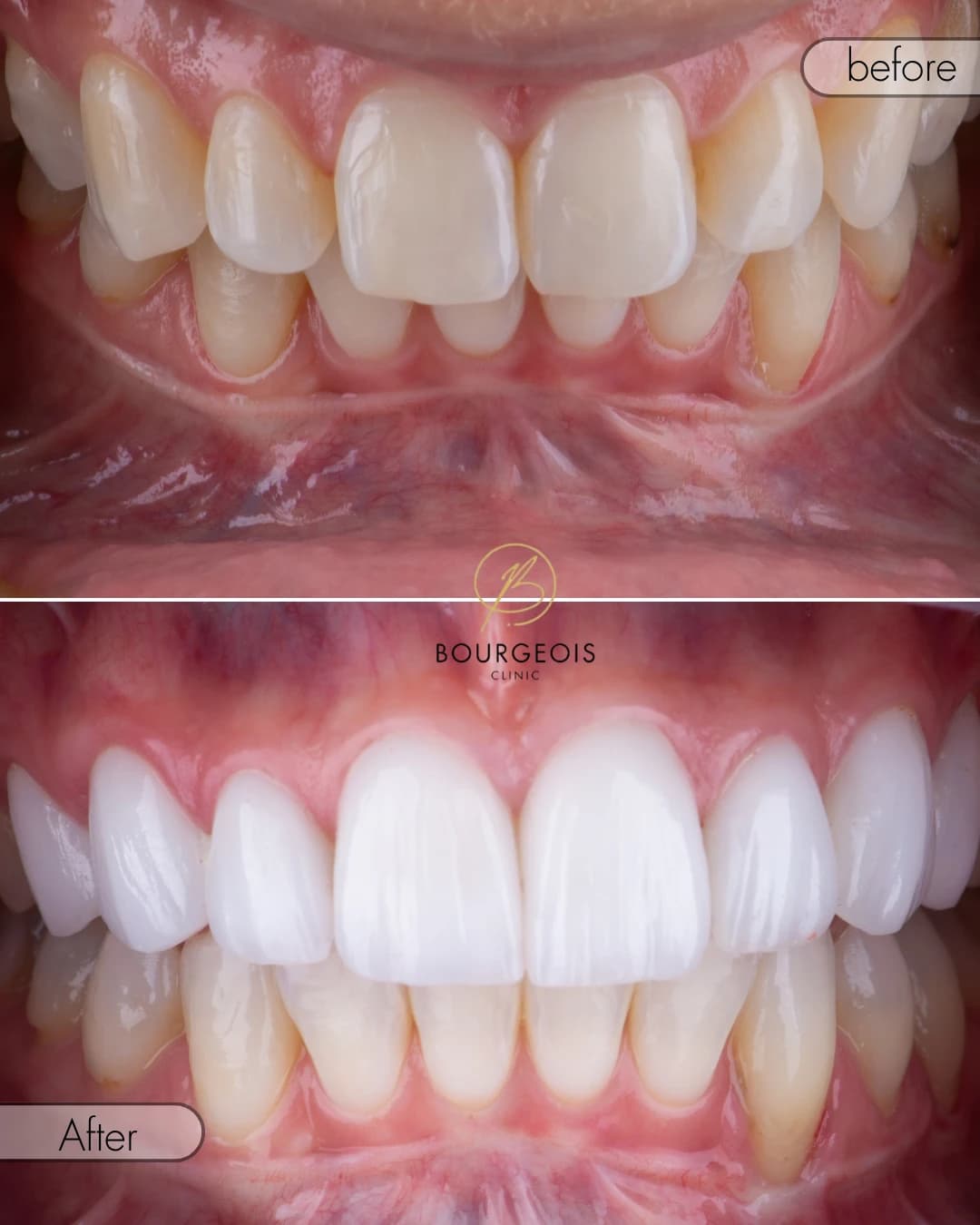
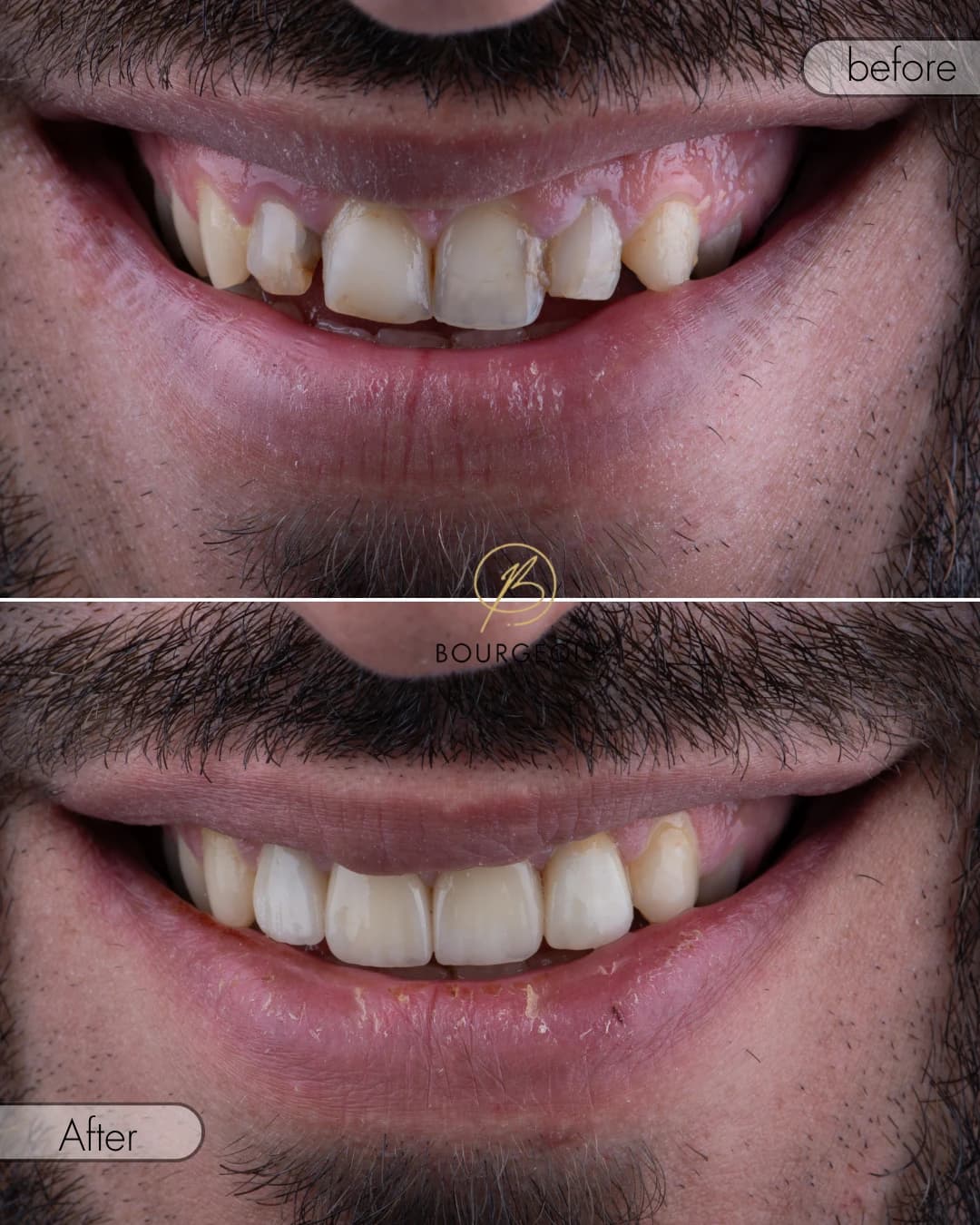
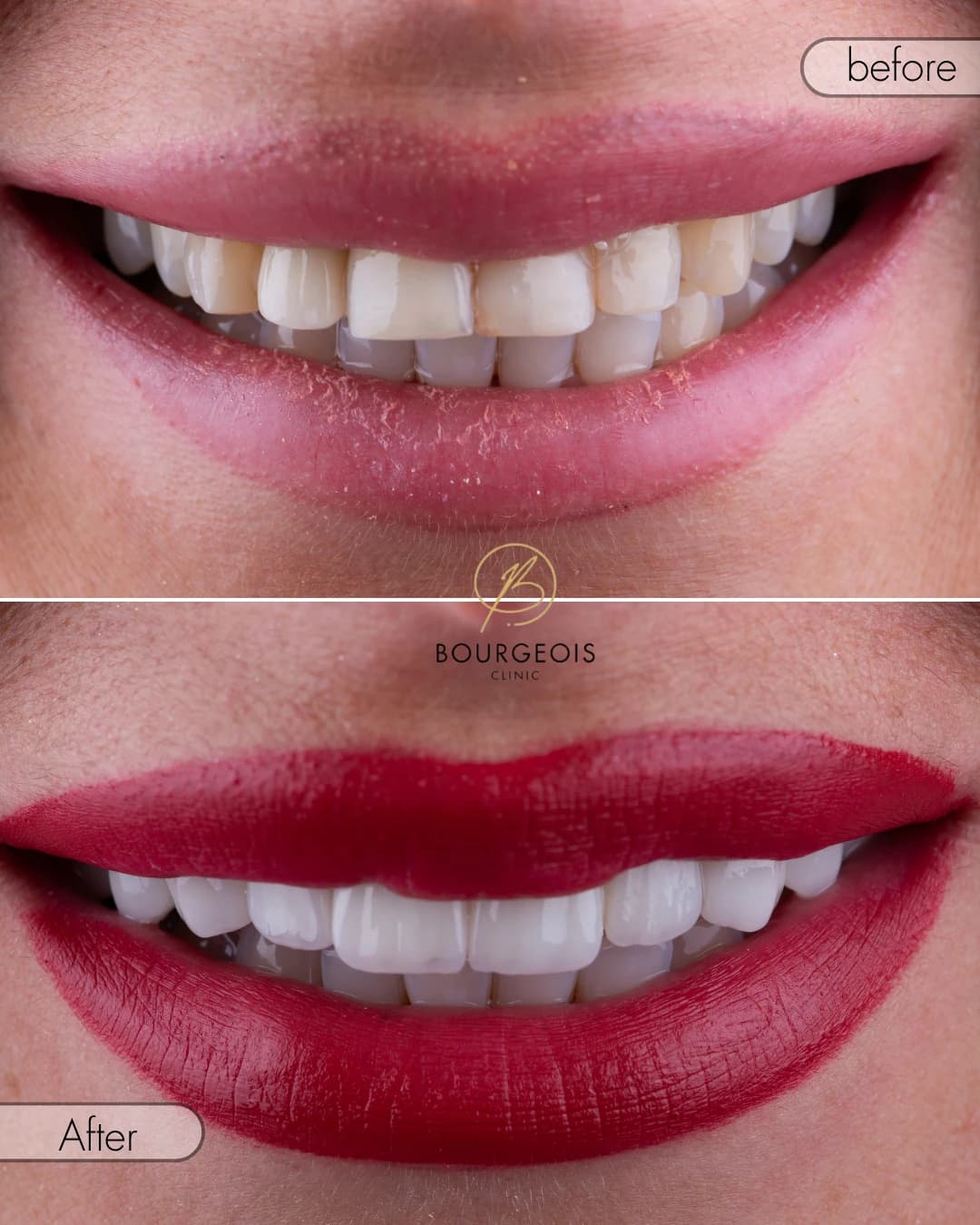
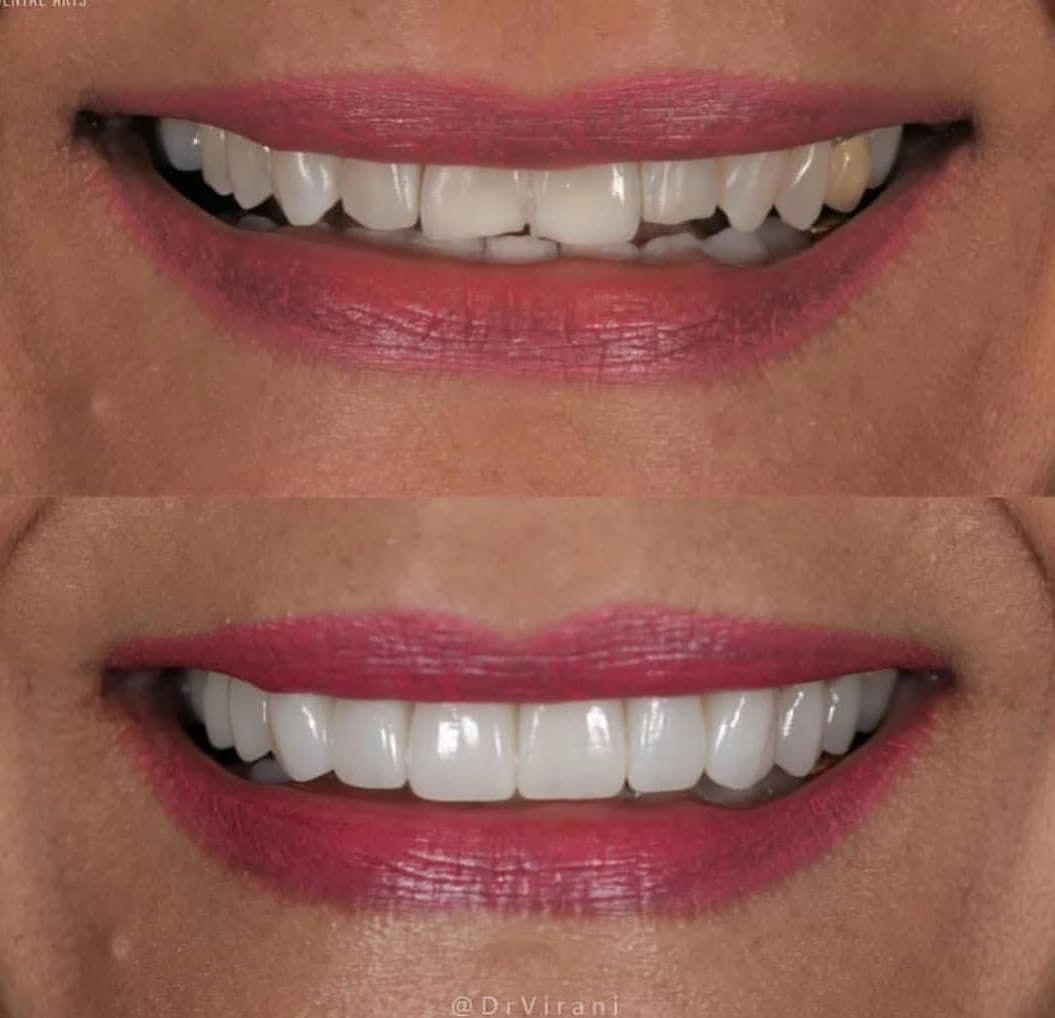
Composite bonding uses tooth-coloured resin to change selected areas of a tooth. It may be used to repair a small chip, rebuild a worn edge, close a limited space, improve symmetry or adjust the visible shape of several teeth. These are not equivalent jobs. A small local repair may require less planning and chair time than redesigning a group of teeth that must look balanced from different angles.
Even two patients treating the same number of teeth may need different plans. One may have healthy, well-aligned teeth requiring small additions; another may have old restorations, uneven colour, active gum inflammation, an edge-to-edge bite or significant wear. The second case may require further assessment or another treatment before bonding is appropriate. That is why a responsible quotation follows an examination rather than a photograph alone.
The main factors that affect composite bonding cost in Dubai
| Cost factor | Why it matters | What to ask |
|---|---|---|
| Number of teeth | A single chipped tooth and a multi-tooth smile plan require different quantities of material, planning and finishing. | Is the quote per tooth or for the complete plan? |
| Type of correction | Edge repair, gap closure, shape change and full facial coverage are different procedures. | What will be added to each tooth? |
| Case complexity | Bite, tooth position, wear, old fillings and asymmetry may increase planning time. | Are any risks or limitations specific to my bite? |
| Smile planning | Photographs, scans, diagnostic designs or a mock-up may be used when several teeth are involved. | Are planning records included? |
| Shade and characterisation | Natural-looking results may require layering, texture, translucency and careful polishing. | How will the material be matched to adjacent teeth? |
| Preliminary treatment | Cleaning, gum care, whitening, decay treatment or alignment may be advised first. | Which preliminary items are necessary and priced separately? |
| Aftercare | Review, bite adjustment, polishing and future repairs may or may not be included. | What follow-up is covered, and for how long? |
Per-tooth pricing versus a complete smile quotation
Many advertisements describe bonding by a per-tooth amount. That can be useful as a starting point, but it does not automatically show the total cost. Ask how many teeth the dentist recommends treating and why. The visible smile does not always require bonding every front tooth; in other cases, treating only one tooth could leave an obvious difference in length, contour or colour.
A complete smile quotation should identify the teeth involved, the planned change for each tooth and any separate services. It should also state whether consultations, records, mock-ups, temporary repairs, review appointments or polishing are included. Comparing complete plans is more meaningful than comparing the lowest number in two advertisements.
How the number of teeth changes the total
One chipped incisor may need a focused repair. Closing a small central gap usually involves evaluating both neighbouring teeth so the final proportions remain balanced. Correcting several worn edges requires the dentist to consider the smile line, tooth lengths and bite across the group. As the treatment area grows, material use increases, but the larger difference often comes from the additional design, isolation, sculpting and finishing time.
More treatment is not automatically better. Conservative planning means bonding only the teeth that need it and considering whether whitening, orthodontic alignment or no treatment would meet the patient's goal with less maintenance.
Why complexity matters more than the size of a chip
A small-looking defect can be technically demanding if it sits at a contact point, affects the biting edge or must match a highly translucent neighbouring tooth. Tooth position also matters. If a tooth is tilted forward or receives heavy bite forces, adding more material may create an over-contoured result or raise the risk of chipping. The dentist may recommend limited alignment first or explain that another restorative option is more predictable.
Active decay, untreated gum disease, poor plaque control and grinding can also influence the plan. Cosmetic bonding should not hide a health problem. Stabilising oral health first may add to the overall treatment journey, but it protects the tooth and helps the restoration perform more reliably.
Planning, mock-ups and records
For a small repair, a clinical assessment and shade selection may be sufficient. A multi-tooth change may benefit from photographs, digital scans, measurements or a trial design. A mock-up can help the patient and dentist discuss length, width, symmetry and speech before final treatment. These steps take time, but they can reduce misunderstandings and reveal whether the proposed additions will feel or look too bulky.
Ask whether these records are included in the quotation and whether a design fee is credited toward treatment. The answer can differ between clinics, so it should be clear before work begins.
Shade matching and finishing influence the result
Composite is not simply placed and left unpolished. A natural appearance may require more than one shade or opacity, subtle surface texture, carefully shaped contact points and a high polish. The edges must blend with the tooth while allowing effective cleaning. Finishing is especially important when the bonded tooth sits beside an untreated tooth.
Skill, planning and appointment time are part of the quotation even when the material quantity is small. Patients should ask to see relevant examples while remembering that another person's result cannot guarantee their own outcome.
Should whitening be completed before bonding?
If a patient wants both whitening and bonding, whitening is commonly considered first because existing composite does not whiten in the same way as natural tooth structure. After the colour has stabilised, the bonding shade can be selected to match the new appearance. This sequence may add a separate cost and extend the timeline, but it may avoid choosing a composite shade that later looks darker than whitened teeth.
The correct order depends on oral health, sensitivity, existing restorations and the desired result. Review the clinic's teeth whitening in Dubai information and ask for one coordinated plan rather than booking unrelated treatments independently.
When alignment may be more conservative than adding material
Bonding can visually improve selected small spaces or mild irregularities, but it does not move tooth roots or correct a bite. Adding composite to crowded, rotated or already prominent teeth may create excess bulk. In suitable cases, clear aligners can first improve tooth position, followed by limited bonding only where shape or edge restoration is still needed.
This combined approach can cost more initially than isolated bonding, but the comparison should consider the clinical goal, tooth preservation and long-term maintenance—not only the first appointment's fee. Complex movement or bite concerns may also require assessment by a specialist orthodontist.
Composite bonding versus porcelain veneers: compare the whole pathway
Composite bonding is often selected because it can be additive and repairable in suitable cases. Porcelain veneers involve a different material, laboratory process and treatment pathway. They are not automatically the right upgrade, and bonding is not automatically the cheapest choice over a lifetime.
When comparing the two, consider preparation, aesthetic goals, stain resistance, repair options, likely maintenance, replacement implications and bite. The most appropriate option depends on the teeth and the change requested. A cosmetic dental consultation should explain why one option is recommended and what realistic alternatives exist.
What may be charged separately?
- Initial examination, X-rays or scans when clinically needed
- Professional cleaning or gum treatment
- Decay treatment or replacement of failing fillings
- Whitening before shade matching
- Orthodontic alignment before restorative changes
- Diagnostic design or mock-up
- Night guard when grinding or clenching creates a meaningful risk
- Future polishing, repair or replacement after the included review period
Not every patient needs these items. A transparent plan separates essential treatment from optional aesthetic choices and explains the reason for each recommendation.
Maintenance costs patients should remember
Composite bonding can chip, stain, lose surface polish or require repair over time. The maintenance pattern depends on the location of the bonding, bite forces, diet, oral habits and home care. Biting hard objects, opening packages with teeth and chewing ice can damage bonded edges. Tea, coffee, tobacco and strongly coloured foods may affect appearance, although individual results vary.
Regular examinations allow the dentist to check margins, gum health and bite. Some patients may later need repolishing; others may need a local repair or replacement. Ask what maintenance is expected for your plan and whether the clinic charges per tooth, per visit or according to the work required.
Does dental insurance cover cosmetic bonding?
Coverage depends on the policy and the reason for treatment. Bonding performed only to change appearance is often treated differently from a restoration required after damage or disease. The insurer—not the clinic—decides whether a claim is eligible. Request a treatment plan with the relevant tooth numbers and procedure details, then ask the insurer for written confirmation. Do not assume that pre-approval guarantees full payment; deductibles, annual limits and exclusions may still apply.
How to compare two composite bonding quotations
- Confirm the exact teeth and surfaces included.
- Ask whether the plan is additive bonding, edge bonding, composite veneers or repair work.
- Check whether examination, records, design and reviews are included.
- Understand which preliminary treatments are essential.
- Ask how bite risks and grinding will be managed.
- Compare maintenance and repair policies, not only the starting price.
- Make sure the dentist has discussed alternatives and the option of no treatment.
A very low quotation may simply cover a smaller scope. A higher quotation is not proof of a better result. Clarity, diagnosis, consent and a plan suited to the individual patient are more useful indicators than the advertised number alone.
Questions to ask before accepting a quote
- What problem is bonding intended to solve in my case?
- How many teeth need treatment, and why?
- Could whitening or alignment reduce the amount of bonding?
- Will any natural tooth structure be altered?
- What result is realistic for my tooth colour and position?
- What are the main risks for my bite?
- What review and polishing appointments are included?
- What could repair or replacement cost later?
Discuss composite bonding with Dr. Nour in Dubai
Dr. Nour provides general and aesthetic dental care at Bourgeois Dental Clinic and can assess whether composite bonding matches a patient's concerns, oral health and bite. The consultation may also identify when whitening, alignment, veneers, restorative care or specialist input should be considered instead. The purpose is not to sell the largest number of bonded teeth, but to build a proportionate treatment plan with clearly explained choices.
To obtain a personalised written quotation, book a dental appointment in Dubai. Bring photographs or examples of what you like, but expect the recommendation to be based on an examination of your own teeth. Online prices can begin the conversation; they cannot replace diagnosis.