


Periodontics and Gum Treatment in Dubai
- 15Services
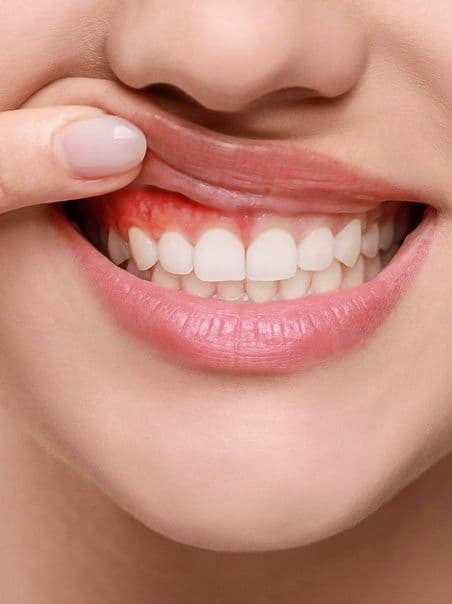
Periodontics focuses on the prevention, diagnosis, and treatment of conditions affecting the gums, periodontal ligament, jawbone, and tissues supporting natural teeth and dental implants. At Bourgeois Dental Clinic in Dubai, periodontal care begins with a detailed assessment of gum inflammation, bleeding, pocket depth, recession, tooth mobility, bone support, oral hygiene, medical factors, and implant health.
Treatment may range from improved preventive care and professional cleaning to deep cleaning, root planing, periodontal maintenance, gum-recession management, gum grafting, treatment of gum abscesses, and care for inflammation around dental implants.
Periodontal and Gum Services at Bourgeois Dental Clinic
- Periodontal consultation and gum assessment
- Gingivitis treatment
- Periodontitis treatment
- Bleeding gums treatment
- Deep cleaning and root planing
- Periodontal maintenance
- Gum recession treatment
- Gum grafting
- Periodontal pocket treatment
- Dental crown lengthening
- Mobile teeth and gum support assessment
- Gum abscess treatment
- Peri-implantitis treatment
- Dental implant and gum maintenance
- Dental frenectomy
Why Are Healthy Gums Important?
The gums and supporting bone help hold teeth in position and protect the deeper structures around the roots. Gum inflammation that is not managed can progress from superficial gingivitis to periodontal disease involving attachment and bone loss.
Periodontal disease can affect chewing comfort, tooth stability, breath, appearance, and the long-term prognosis of natural teeth and implants.
What Are the Signs of Gum Disease?
Possible signs include:
- Bleeding during brushing or flossing
- Red, swollen, or tender gums
- Persistent bad breath
- Gum recession
- Teeth appearing longer
- Sensitivity around exposed roots
- Food trapping between teeth
- Deep gum pockets
- Pus or drainage from the gum
- Changes in the bite
- Spaces developing between teeth
- Loose or moving teeth
- Movement or inflammation around dental implants
Periodontal disease may progress with limited pain, so regular assessment is important even when symptoms appear mild.
What Is Gingivitis?
Gingivitis is inflammation limited mainly to the gum tissues without confirmed loss of the supporting attachment or bone.
It is commonly associated with plaque accumulation and may cause redness, swelling, tenderness, and bleeding. Gingivitis can often improve with effective daily cleaning, professional care, and management of contributing factors.
What Is Periodontitis?
Periodontitis is a more advanced inflammatory condition affecting the gum attachment and bone supporting the teeth.
It may cause deep pockets, recession, bone loss, tooth mobility, spacing, gum abscesses, and eventual tooth loss. Bone and attachment already lost do not simply grow back through routine cleaning, but treatment may help control inflammation and reduce further progression.
What Causes Gum Disease?
Dental plaque containing bacteria is a primary cause, but several factors can influence disease risk and progression:
- Inadequate brushing or interdental cleaning
- Dental calculus or tartar
- Smoking or tobacco use
- Diabetes, particularly when poorly controlled
- Genetic susceptibility
- Dry mouth
- Hormonal changes
- Certain medications
- Crowded teeth or areas that are difficult to clean
- Leaking or overhanging restorations
- Stress and reduced self-care
- Irregular periodontal maintenance
What Happens During a Periodontal Consultation?
The dentist reviews gum symptoms, oral-hygiene habits, smoking, medical history, medications, diabetes status, previous periodontal treatment, implant history, and family history of early tooth loss.
The assessment may include:
- Visual gum examination: Checking redness, swelling, recession, bleeding, and gum shape.
- Periodontal probing: Measuring the spaces between the gums and teeth.
- Bleeding assessment: Recording inflammation during gentle probing.
- Recession measurement: Assessing exposed roots and loss of gum coverage.
- Mobility assessment: Checking whether teeth move beyond normal limits.
- Furcation assessment: Reviewing bone support between the roots of multi-rooted teeth.
- Bite assessment: Evaluating forces that may affect mobile or periodontally weakened teeth.
- Dental imaging: Reviewing bone levels, calculus, roots, implants, and other structures.
- Risk assessment: Considering smoking, diabetes, hygiene, previous disease, and maintenance compliance.
What Are Periodontal Pockets?
A periodontal pocket is a deepened space between the tooth and gum caused by inflammation and loss of attachment.
Deeper pockets can retain plaque and calculus below the gumline and may be difficult to clean with routine brushing alone. Treatment depends on pocket depth, bleeding, bone support, tooth anatomy, and response to initial care.
Routine Teeth Cleaning or Deep Cleaning?
Routine teeth cleaning, scaling, and polishing is preventive care intended mainly for patients without significant periodontal pocketing or active periodontitis.
Deep cleaning and root planing is used when plaque and calculus extend below the gumline and periodontal pockets or attachment loss are present.
These services should not be treated as interchangeable because the treatment areas, goals, time, and follow-up requirements differ.
What Is Scaling and Root Planing?
Scaling removes plaque and hardened calculus from the tooth surfaces above and below the gumline. Root planing cleans and smooths contaminated root surfaces to support gum healing and improve the patient's ability to maintain the area.
Treatment may be completed by section, quadrant, or over multiple appointments depending on disease extent, comfort, and clinical requirements.
Is Deep Cleaning Painful?
Local anaesthesia may be used when clinically appropriate to reduce discomfort. Temporary tenderness, gum sensitivity, minor bleeding, or tooth sensitivity may occur afterward.
Persistent swelling, severe pain, fever, or increasing symptoms should be assessed.
What Is Periodontal Maintenance?
Periodontal maintenance is ongoing professional care following treatment for periodontitis or significant gum disease.
It may include periodontal measurements, cleaning above and below the gumline, review of bleeding and pocket depth, implant assessment, oral-hygiene support, and monitoring of disease stability.
Periodontal maintenance is different from routine preventive cleaning because it focuses on sites with a history of attachment and bone loss.
Why Do Gums Bleed?
Bleeding gums are commonly associated with inflammation caused by plaque accumulation, but other factors may contribute, including:
- Periodontitis
- Aggressive brushing
- Incorrect flossing technique
- Food trapping
- Damaged restorations
- Hormonal changes
- Selected medications
- Medical or blood-related conditions
Bleeding gums treatment should address the underlying cause rather than simply avoiding brushing or flossing.
What Is Gum Recession?
Gum recession occurs when the gum margin moves away from its original position and exposes part of the tooth root.
Possible causes include periodontal disease, thin gum tissue, aggressive brushing, tooth position, orthodontic movement, smoking, trauma, and muscle attachments.
Gum recession treatment may involve monitoring, hygiene changes, sensitivity care, periodontal treatment, bite management, orthodontic planning, or gum grafting.
What Is Gum Grafting?
Gum grafting is a periodontal procedure that adds or repositions soft tissue around selected teeth or implant sites.
It may be considered to cover suitable exposed roots, increase tissue thickness, improve cleaning comfort, support gum stability, or prepare an area for restorative or implant treatment.
Complete root coverage cannot be guaranteed and depends on recession type, bone support, tooth position, tissue quality, smoking, hygiene, and healing.
What Is Periodontal Pocket Treatment?
Periodontal pocket treatment aims to reduce inflammation, improve access for cleaning, and stabilise the tissues around affected teeth.
Options may include oral-hygiene improvement, scaling and root planing, local treatment, periodontal maintenance, correction of contributing restorations, or surgical periodontal care in selected cases.
What Is Dental Crown Lengthening?
Crown lengthening reshapes gum tissue and, in selected cases, supporting bone to expose more tooth structure.
It may be performed to allow restoration of decay or fracture below the gumline, improve access for a crown, establish suitable restorative margins, or adjust the gumline for selected clinical and cosmetic reasons.
Can Gum Disease Cause Loose Teeth?
Advanced periodontal disease can reduce the bone and attachment supporting teeth, leading to mobility or movement.
A mobile-tooth and gum-support assessment evaluates periodontal disease, bite forces, trauma, root condition, infection, and restorability.
Treatment may include periodontal therapy, bite adjustment, splinting in selected cases, restorative care, or extraction when support is insufficient.
What Is a Gum Abscess?
A gum or periodontal abscess is a localised collection of infection within the gum and supporting tissues. It may cause swelling, tenderness, pus, an unpleasant taste, tooth mobility, or pain when biting.
Gum abscess treatment may involve drainage, periodontal cleaning, removal of trapped material, treatment of the affected pocket, antibiotics when clinically indicated, or extraction when the tooth has a poor prognosis.
A gum abscess should be differentiated from a root-related dental abscess.
When Is Gum Swelling an Emergency?
Prompt assessment is recommended for rapidly increasing swelling, fever, severe pain, significant facial swelling, or difficulty opening the mouth.
Difficulty breathing or swallowing, spreading neck or facial swelling, severe weakness, or swelling around the eye requires urgent medical evaluation.
What Is Peri-Implantitis?
Peri-implantitis is an inflammatory condition affecting the tissues around a dental implant and associated with progressive loss of supporting bone.
Possible signs include bleeding, swelling, pus, deepening pockets, bone loss, unpleasant taste, or movement of the implant restoration. Implant movement can indicate a serious problem and requires prompt assessment.
How Is Peri-Implantitis Treated?
Treatment depends on the extent of inflammation, bone loss, implant position, restoration design, cleaning access, smoking, medical factors, and whether the implant remains stable.
Care may involve professional decontamination, improvement of home cleaning, treatment of the prosthetic design, non-surgical periodontal care, surgical treatment in selected cases, or implant removal when the prognosis is poor.
Why Is Dental Implant Maintenance Important?
Dental implants do not develop tooth decay, but the surrounding gums and bone can become inflamed or infected.
Dental implant and gum maintenance may include assessment of bleeding, pocket depth, plaque, calculus, restoration fit, cleaning access, implant stability, bite forces, and surrounding bone.
What Is a Dental Frenectomy?
A dental frenectomy modifies or releases a restrictive band of tissue connecting the lip, cheek, or tongue to surrounding structures.
It may be considered when the tissue contributes to gum pulling, difficulty cleaning, orthodontic concerns, spacing, movement of the gum margin, speech or functional concerns, or another clinically assessed problem.
A frenectomy is not required for every prominent frenum and should be based on symptoms and clinical findings.
Can Lost Bone Grow Back?
Routine cleaning does not automatically regenerate bone that has already been lost. Periodontal treatment aims first to control inflammation and prevent further destruction.
Selected defects may be considered for regenerative periodontal procedures, but suitability and results depend on defect shape, tooth anatomy, tissue condition, smoking, hygiene, and healing response.
Can Gum Disease Be Cured Permanently?
Gingivitis may often resolve when inflammation and plaque are effectively controlled.
Periodontitis is generally managed as a long-term condition because previously lost attachment and bone increase future risk. Treatment, daily cleaning, risk-factor control, and maintenance can help stabilise the condition.
How Can Gum Disease Be Prevented or Controlled?
- Brush twice daily with fluoride toothpaste
- Clean between teeth every day
- Use interdental brushes or other aids as recommended
- Attend professional cleaning and periodontal reviews
- Avoid smoking and tobacco products
- Manage diabetes with appropriate medical care
- Replace or correct restorations that trap plaque when clinically indicated
- Maintain dental implants carefully
- Seek assessment for bleeding, recession, swelling, or loose teeth
Periodontal and Gum Treatment on Sheikh Zayed Road
Bourgeois Dental Clinic is located on the first floor of Indigo Sky Building, Sheikh Zayed Road, Exit 41, near Al Thanya Street in Dubai. The clinic is convenient for patients from Al Barsha, Umm Al Sheif, Umm Suqeim, Jumeirah, Al Quoz, Barsha Heights, The Greens, Dubai Marina, and surrounding communities.
Book a periodontal and gum assessment for bleeding gums, gum recession, persistent bad breath, deep pockets, loose teeth, gum swelling, or inflammation around a dental implant.
FAQ
Frequently Asked Questions
BOOK AN
Appointment
Working Hours
We are here to serve you