


Deep Cleaning and Root Planing
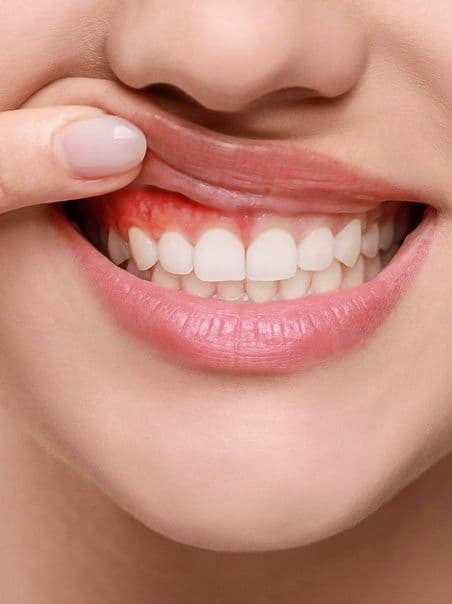
Deep cleaning and root planing is a non-surgical periodontal treatment for plaque, calculus, and bacterial deposits located below the gumline around teeth affected by periodontal disease. At Bourgeois Dental Clinic in Dubai, treatment is recommended after measuring gum pockets, evaluating bleeding and attachment loss, reviewing dental imaging, and determining that routine cleaning alone is insufficient.
What Is Deep Teeth Cleaning?
Deep cleaning commonly combines two procedures:
- Scaling: Removing plaque and hardened calculus from the tooth surfaces above and below the gumline.
- Root planing: Cleaning and smoothing contaminated root surfaces to support gum healing and improve cleaning access.
The purpose is to reduce bacterial deposits and inflammation, not to make the roots perfectly smooth or to guarantee complete pocket elimination.
How Is Deep Cleaning Different from Routine Cleaning?
Routine teeth cleaning is primarily preventive and focuses on plaque and calculus in patients without significant periodontal attachment loss or active deep pockets.
Deep cleaning is used when deposits extend beneath the gumline and periodontitis, attachment loss, bone loss, or deeper pockets are present.
The two services differ in diagnosis, treatment depth, time, local anaesthesia requirements, and follow-up.
Who May Need Deep Cleaning?
The treatment may be recommended when examination shows:
- Periodontal pockets
- Bleeding during probing
- Calculus below the gumline
- Clinical attachment loss
- Bone loss on dental imaging
- Gum recession with contaminated roots
- Persistent gum swelling
- Bad breath associated with periodontal deposits
- Early tooth mobility related to gum disease
- Previous periodontitis requiring active treatment
What Symptoms May Indicate a Need for Deep Cleaning?
- Bleeding gums
- Swollen or tender gums
- Persistent bad breath
- Gum recession
- Food trapping
- Deep pockets
- Pus or drainage
- Loose teeth
- Changes in tooth position
Some patients have significant periodontal deposits and bone loss without pain.
What Happens Before Treatment?
The dentist or dental professional completes a periodontal assessment that may include:
- Pocket measurements: Recording depths around the teeth.
- Bleeding assessment: Identifying inflamed sites.
- Attachment and recession measurements: Evaluating support loss.
- Mobility assessment: Checking tooth stability.
- Dental imaging: Reviewing bone levels and root anatomy.
- Calculus assessment: Identifying deposits below the gumline.
- Risk review: Considering smoking, diabetes, oral hygiene, and previous disease.
How Is Deep Cleaning Performed?
The procedure may be completed using ultrasonic instruments, hand instruments, or a combination of both.
Typical stages include:
- Local anaesthesia: Numbing selected areas when clinically appropriate.
- Scaling: Removing plaque and calculus from tooth and root surfaces.
- Root-surface debridement: Cleaning contaminated areas beneath the gumline.
- Root planing: Smoothing selected irregular root surfaces when required.
- Irrigation or local measures: Used in selected cases according to clinical need.
- Home-care instruction: Demonstrating appropriate brushing and interdental cleaning.
- Review appointment: Reassessing healing, bleeding, and pocket depth.
Is Deep Cleaning Painful?
Local anaesthesia may be used to reduce discomfort. Patients may feel pressure or vibration during the procedure.
Temporary tenderness, minor bleeding, gum soreness, or tooth sensitivity may occur afterward.
How Many Appointments Are Needed?
The mouth may be treated in one appointment, by sections, or by quadrants over several visits.
The number of appointments depends on disease extent, calculus amount, pocket depth, comfort, medical history, and treatment time.
Will the Gums Shrink After Deep Cleaning?
As swelling reduces, the gums may become firmer and the gumline may appear lower. Teeth can look longer and spaces between teeth may become more visible.
This can reflect reduction of inflammation rather than damage caused by cleaning.
Can Deep Cleaning Cause Tooth Sensitivity?
Temporary sensitivity can occur because inflammation decreases and previously covered root surfaces become more exposed.
Fluoride products, sensitivity toothpaste, improved cleaning, or other measures may be recommended.
Will Deep Cleaning Close All Gum Pockets?
No outcome can be guaranteed. Some pockets improve substantially, while deeper, complex, or anatomically difficult sites may remain.
Persistent pockets may require additional cleaning, periodontal surgery, regenerative treatment, restoration correction, or extraction depending on the tooth prognosis.
Can Deep Cleaning Restore Lost Bone?
Deep cleaning does not automatically regenerate bone that has already been lost.
Its main goals are to reduce inflammation, control infection, improve cleaning access, and limit further progression. Selected bone defects may be considered for regenerative procedures after reassessment.
Are Antibiotics Required?
Antibiotics are not routinely required for every patient receiving deep cleaning.
Local or systemic antimicrobials may be considered in selected cases based on infection pattern, medical risk, disease severity, or response to treatment.
What Happens After Deep Cleaning?
A periodontal review is important to evaluate:
- Reduction in bleeding
- Changes in pocket depth
- Gum firmness
- Plaque control
- Tooth sensitivity
- Mobility
- Sites needing further treatment
The review should occur after sufficient healing time according to the treatment plan.
What Is Periodontal Maintenance?
After active gum treatment, patients with periodontitis usually move into periodontal maintenance.
Maintenance helps prevent rapid reaccumulation of plaque and calculus and monitors previously affected sites.
What Can I Eat After Deep Cleaning?
Patients may prefer softer foods until numbness and tenderness improve. Very hot, cold, spicy, hard, or sharp foods may cause temporary discomfort.
Avoid chewing until local anaesthesia has worn off to reduce the risk of biting the cheek, lip, or tongue.
How to Care for the Gums After Treatment
- Follow the recommended brushing method
- Use a soft-bristled toothbrush
- Clean between the teeth daily
- Use correctly sized interdental brushes
- Use sensitivity products when recommended
- Avoid smoking and tobacco
- Manage diabetes with appropriate medical care
- Attend the periodontal review
- Continue periodontal maintenance
When Should You Contact the Clinic?
Contact the clinic if you experience severe or increasing pain, persistent bleeding, significant swelling, fever, pus, facial swelling, or worsening tooth mobility.
Deep Teeth Cleaning on Sheikh Zayed Road
Bourgeois Dental Clinic is located on the first floor of Indigo Sky Building, Sheikh Zayed Road, Exit 41, near Al Thanya Street in Dubai. The clinic is accessible from Al Barsha, Umm Al Sheif, Umm Suqeim, Jumeirah, Al Quoz, Barsha Heights, The Greens, Dubai Marina, and surrounding areas.
Book a periodontal assessment to determine whether routine cleaning or deep cleaning and root planing is appropriate for your gums.
Department
Periodontics and Gum Treatment
FAQ
Frequently Asked Questions
BOOK AN
Appointment
Working Hours
We are here to serve you