


Periodontal Maintenance
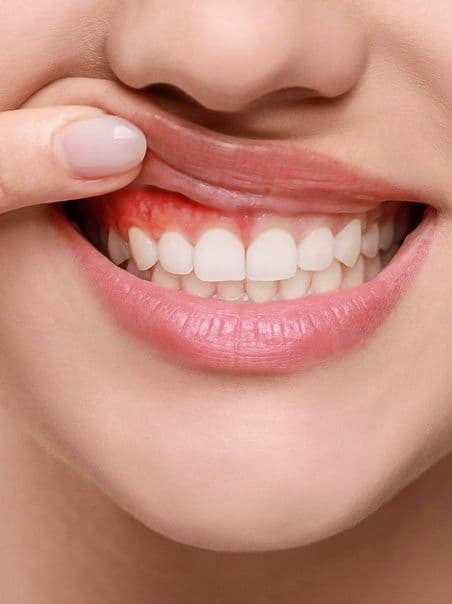
Periodontal maintenance is ongoing professional care for patients with a history of periodontitis, attachment loss, bone loss, deep pockets, or inflammation around dental implants. At Bourgeois Dental Clinic in Dubai, maintenance appointments help control bacterial deposits, monitor previously affected sites, reinforce home cleaning, and identify signs of disease recurrence early.
What Is Periodontal Maintenance?
Periodontal maintenance is not simply a routine polishing appointment. It is a structured follow-up programme after active gum treatment.
It may include:
- Review of gum symptoms and medical changes
- Measurement of periodontal pockets
- Assessment of gum bleeding
- Removal of plaque and calculus above and below the gumline
- Cleaning of previously affected root surfaces
- Assessment of recession and exposed roots
- Monitoring of tooth mobility
- Review of dental implants
- Personalised oral-hygiene instruction
- Referral for additional treatment when disease becomes active
Who Needs Periodontal Maintenance?
It may be recommended for patients with:
- A history of periodontitis
- Previous deep cleaning and root planing
- Periodontal surgery
- Bone or attachment loss
- Deep or difficult-to-clean gum pockets
- Loose teeth related to periodontal disease
- Gum recession with exposed roots
- Dental implants requiring closer monitoring
- Previous peri-implant inflammation
- Smoking, diabetes, or other significant periodontal risk factors
How Is Periodontal Maintenance Different from Routine Cleaning?
Routine cleaning is generally preventive care for patients without a history of periodontitis or significant attachment loss.
Periodontal maintenance focuses on areas where gum attachment and bone have already been affected. It may involve deeper cleaning, repeated pocket measurements, implant monitoring, and closer review of disease stability.
Why Is Maintenance Necessary After Deep Cleaning?
Deep cleaning and root planing removes existing deposits, but plaque and calculus can return.
Patients with previous attachment or bone loss remain at higher risk of recurrence because deeper areas and altered anatomy can be difficult to clean completely at home.
What Happens During a Maintenance Appointment?
The appointment may include:
- Health review: Discussing medical conditions, medications, smoking, diabetes, and new symptoms.
- Plaque assessment: Reviewing areas that are not being cleaned effectively.
- Bleeding assessment: Checking for active inflammation.
- Pocket measurements: Monitoring selected or full-mouth sites according to risk.
- Professional cleaning: Removing deposits above and below the gumline.
- Root-surface care: Cleaning previously affected root areas when required.
- Implant assessment: Reviewing gum health, cleaning access, restoration fit, pockets, and stability.
- Home-care coaching: Adjusting brush, floss, and interdental-brush techniques.
- Treatment planning: Recommending further care if disease activity is identified.
How Often Is Periodontal Maintenance Needed?
The interval is personalised. Some patients may require visits more frequently than a standard routine-cleaning schedule.
The decision depends on:
- Pocket depth
- Bleeding and inflammation
- Bone loss
- Plaque control
- Smoking
- Diabetes
- Previous disease progression
- Dental implants
- Tooth mobility
- Response to previous treatment
The interval may be adjusted as the condition becomes more or less stable.
Can I Return to Routine Cleaning Later?
Patients with a confirmed history of periodontitis generally remain at increased risk even when the disease is stable.
The type and frequency of care may be modified, but periodontal monitoring often remains important because previous attachment and bone loss do not disappear.
Does Periodontal Maintenance Cure Gum Disease?
Maintenance does not erase previous damage, but it helps control bacterial deposits and monitor for recurrence.
Periodontitis is generally managed as a long-term condition through professional care, daily cleaning, and risk-factor control.
Can Gum Disease Return After Treatment?
Yes. Disease can become active again if plaque accumulates, maintenance appointments are missed, smoking continues, diabetes is poorly controlled, or difficult sites are not cleaned effectively.
Early recurrence may be detected through renewed bleeding, deeper pockets, swelling, or changes in tooth stability.
What Happens If New Deep Pockets Are Found?
The dentist may recommend:
- Improved home cleaning
- Additional root-surface debridement
- Repeat deep cleaning
- Correction of a damaged restoration
- Treatment of a gum abscess
- Periodontal surgery
- Regenerative treatment in selected defects
- Extraction when a tooth has insufficient support
Are Dental Implants Included?
Yes. Implants cannot develop tooth decay, but the surrounding tissues can develop mucositis or peri-implantitis.
Maintenance may include cleaning around implants, assessment of bleeding and pockets, review of bone support, checking restoration fit, and evaluation of implant stability.
Can Maintenance Help with Bad Breath?
Professional removal of plaque and calculus may improve bad breath when periodontal deposits and inflammation are contributing factors.
Other causes such as dry mouth, decay, infection, diet, smoking, or medical conditions may also need assessment.
Will Maintenance Stop Tooth Mobility?
Controlling inflammation may improve comfort and reduce progression, but mobility caused by significant bone loss may not disappear completely.
Bite management, splinting, restorative treatment, or extraction may be considered depending on support and prognosis.
Is Maintenance Painful?
Most appointments are performed without significant discomfort, but sensitive roots or deeper sites may require local measures or anaesthesia.
Temporary sensitivity or minor bleeding may occur afterward.
What Cleaning Tools May Be Recommended?
- Soft manual or electric toothbrush
- Dental floss
- Interdental brushes
- Single-tufted brushes
- Floss threaders for bridges
- Implant-specific cleaning aids
- Water irrigation as an additional aid when appropriate
- Fluoride or sensitivity products
How Do Smoking and Diabetes Affect Maintenance?
Smoking increases periodontal risk, affects healing, and can hide bleeding. Diabetes may increase inflammation and infection risk, particularly when blood sugar is poorly controlled.
Stopping tobacco use and managing diabetes can support disease stability.
What Are Signs That I Need an Earlier Appointment?
- New or increasing gum bleeding
- Swelling or pus
- Persistent bad breath
- New tooth mobility
- Pain when chewing
- Changes in the bite
- Bleeding or discomfort around an implant
- Movement of an implant restoration
How to Support Periodontal Stability at Home
- Brush twice daily with fluoride toothpaste
- Clean between teeth every day
- Use correctly sized interdental brushes
- Clean beneath bridges and around implants
- Follow the recommended maintenance interval
- Avoid smoking and tobacco products
- Manage diabetes with medical support
- Report new symptoms promptly
Periodontal Maintenance on Sheikh Zayed Road
Bourgeois Dental Clinic is located on the first floor of Indigo Sky Building, Sheikh Zayed Road, Exit 41, near Al Thanya Street in Dubai. The clinic is accessible from Al Barsha, Umm Al Sheif, Umm Suqeim, Jumeirah, Al Quoz, Barsha Heights, The Greens, Dubai Marina, and nearby communities.
Book a periodontal maintenance appointment after deep cleaning, gum treatment, periodontal surgery, or treatment for inflammation around a dental implant.
Department
Periodontics and Gum Treatment
FAQ
Frequently Asked Questions
BOOK AN
Appointment
Working Hours
We are here to serve you