


Periodontal Consultation and Gum Assessment
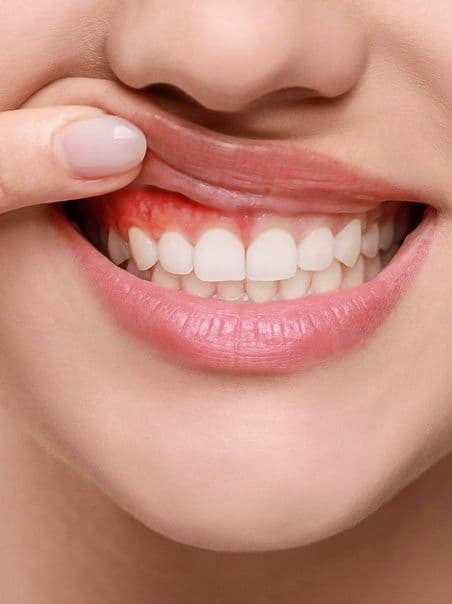
A periodontal consultation is a detailed assessment of the gums, bone, tooth-supporting tissues, and tissues surrounding dental implants. At Bourgeois Dental Clinic in Dubai, the examination helps determine whether symptoms are related to gingivitis, periodontitis, gum recession, a localised infection, bite forces, restoration problems, or inflammation around an implant.
When Should You Book a Gum Assessment?
A periodontal consultation may be appropriate if you notice:
- Bleeding during brushing or flossing
- Red, swollen, or tender gums
- Persistent bad breath
- Gum recession
- Teeth appearing longer
- Sensitivity around exposed roots
- Food trapping between teeth
- Gum swelling or drainage
- Loose or moving teeth
- New spaces developing between teeth
- Changes in the bite
- Bleeding or discomfort around a dental implant
Periodontal disease can progress with limited pain. A patient may have bone or attachment loss even when the gums do not feel severely uncomfortable.
What Does Periodontal Health Include?
Periodontal health involves more than the visible gumline. The assessment considers:
- The gum tissue surrounding each tooth
- The periodontal ligament connecting the tooth to the bone
- The jawbone supporting the roots
- The surfaces of the tooth roots
- The spaces between the teeth and gums
- The tissues surrounding dental implants
- The effect of bite forces on weakened teeth
What Happens During the Consultation?
The dentist begins by reviewing symptoms, oral-hygiene habits, previous gum treatment, smoking, diabetes, medications, pregnancy or hormonal changes, family history, implant history, and other relevant health factors.
The clinical assessment may include:
- Visual gum examination: Reviewing redness, swelling, bleeding, recession, tissue thickness, and gum shape.
- Periodontal probing: Measuring the spaces between the teeth and gums at several points around each tooth.
- Bleeding assessment: Recording whether the gums bleed during gentle examination.
- Plaque and calculus assessment: Identifying bacterial deposits above and below the gumline.
- Recession measurement: Measuring exposed root surfaces and changes in the gum margin.
- Mobility assessment: Checking whether teeth move beyond normal limits.
- Furcation assessment: Evaluating bone support between the roots of multi-rooted teeth.
- Bite assessment: Reviewing excessive forces, grinding, clenching, and tooth contact.
- Implant assessment: Checking bleeding, pockets, cleaning access, restoration fit, and implant stability.
- Dental imaging: Reviewing bone levels, roots, calculus, restorations, implants, and other structures when required.
What Are Periodontal Pocket Measurements?
A periodontal probe is used to measure the space between the tooth and gum. Healthy measurements are generally shallow and do not show significant bleeding or attachment loss.
Deeper measurements may indicate inflammation, swelling, loss of attachment, bone loss, or an area that is difficult to clean. Pocket depth is interpreted together with recession, bleeding, X-rays, and the patient's history.
What Is Clinical Attachment Loss?
Clinical attachment loss refers to the loss of the tissues that attach the gum to the tooth. It is measured using the position of the gumline and the depth of the periodontal pocket.
Attachment loss helps distinguish established periodontitis from inflammation limited mainly to the gum tissue.
Will Dental X-Rays Be Needed?
Dental imaging may be recommended to evaluate:
- Bone levels around teeth
- Localised or generalised bone loss
- Calculus below the gumline
- Root shape and length
- Furcation involvement
- Dental implant bone support
- Decay or restoration problems
- Root infection that may resemble a gum problem
X-rays do not replace the clinical gum examination. Both are often needed to understand the condition accurately.
How Are Gingivitis and Periodontitis Distinguished?
Gingivitis generally involves inflammation of the gums without confirmed loss of supporting attachment or bone.
Periodontitis involves loss of the attachment and bone supporting the teeth. It may produce deeper pockets, recession, mobility, spacing, or gum abscesses.
What Risk Factors Are Reviewed?
Factors that can affect periodontal health include:
- Plaque and calculus accumulation
- Smoking and tobacco use
- Diabetes and blood-sugar control
- Family history and genetic susceptibility
- Dry mouth
- Stress and reduced oral-care routines
- Hormonal changes
- Selected medications
- Crowded or difficult-to-clean teeth
- Damaged or overhanging restorations
- Previous periodontal disease
- Irregular professional maintenance
Can Medical Conditions Affect the Gums?
Yes. Diabetes, immune conditions, blood disorders, hormonal changes, dry mouth, and selected medications may influence gum inflammation, bleeding, healing, or infection risk.
The dentist may recommend coordination with the patient's medical provider when gum findings suggest an important systemic factor.
Can Gum Disease Affect Dental Treatment Planning?
Yes. Active periodontal inflammation may need to be controlled before cosmetic, restorative, orthodontic, or implant treatment.
Healthy and stable gums support more predictable:
- Dental crowns and bridges
- Veneers and cosmetic restorations
- Dental implants
- Orthodontic tooth movement
- Full-mouth rehabilitation
- Long-term cleaning and maintenance
What Treatment May Be Recommended After the Assessment?
The treatment plan depends on the diagnosis and may include:
- Improved brushing and interdental cleaning
- Routine teeth cleaning
- Deep cleaning and root planing
- Gingivitis treatment
- Periodontitis treatment
- Periodontal maintenance
- Gum recession management
- Gum grafting
- Correction of plaque-retentive restorations
- Gum abscess treatment
- Peri-implant treatment
- Referral or multidisciplinary treatment when required
Is Routine Cleaning Enough?
Routine cleaning may be suitable when the gums are generally healthy or affected by mild superficial inflammation without periodontal attachment loss.
Patients with deeper pockets, calculus below the gumline, bone loss, or established periodontitis may require deep cleaning and structured periodontal maintenance rather than routine polishing alone.
Can Loose Teeth Be Evaluated During the Consultation?
Yes. The dentist assesses whether mobility is related to periodontal bone loss, bite trauma, infection, root damage, a fracture, or another cause.
Treatment may include periodontal care, bite management, splinting in selected cases, restorative treatment, or extraction if the remaining support is insufficient.
Are Dental Implants Included in the Assessment?
Yes. The tissues surrounding dental implants can develop inflammation, bleeding, pockets, and bone loss.
The consultation may review cleaning access, restoration design, bite forces, tissue condition, implant stability, and whether professional maintenance or peri-implantitis treatment is needed.
How Often Should Periodontal Health Be Reviewed?
The interval depends on the diagnosis, pocket depth, bleeding, bone loss, smoking, diabetes, oral hygiene, implants, previous treatment, and response to maintenance.
Patients with a history of periodontitis generally need closer monitoring than patients with healthy gums.
What Should You Bring to the Consultation?
- A list of current medications
- Relevant medical information
- Details of diabetes control when applicable
- Previous dental or periodontal records if available
- Information about dental implants
- Details about bleeding, swelling, pain, or tooth movement
Periodontal Consultation on Sheikh Zayed Road
Bourgeois Dental Clinic is located on the first floor of Indigo Sky Building, Sheikh Zayed Road, Exit 41, near Al Thanya Street in Dubai. The clinic is convenient for patients from Al Barsha, Umm Al Sheif, Umm Suqeim, Jumeirah, Al Quoz, Barsha Heights, The Greens, Dubai Marina, and surrounding areas.
Book a periodontal consultation for bleeding gums, gum recession, persistent bad breath, deep pockets, loose teeth, gum swelling, or concerns around a dental implant.
Department
Periodontics and Gum Treatment
FAQ
Frequently Asked Questions
BOOK AN
Appointment
Working Hours
We are here to serve you