


TMJ and Jaw-Pain Consultation
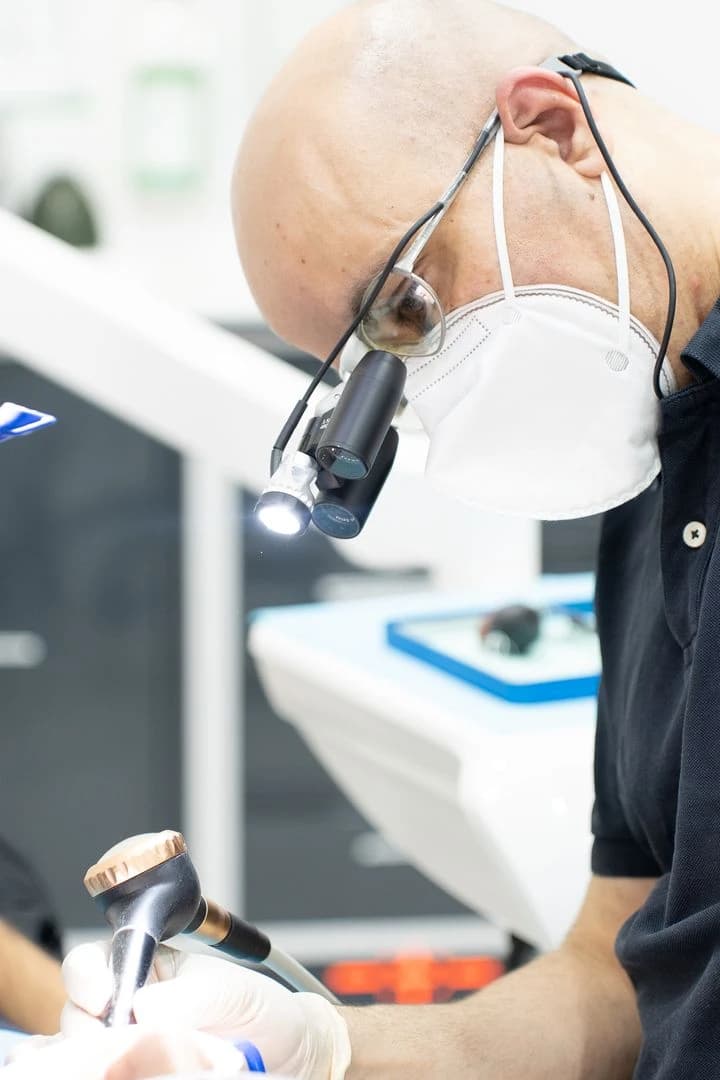
A TMJ and jaw-pain consultation evaluates symptoms involving the jaw joints, chewing muscles, teeth, bite, and surrounding facial structures. The goal is to identify likely dental and non-dental contributors, recognise warning signs, and create a conservative, diagnosis-led management plan.
At Bourgeois Dental Clinic in Dubai, the consultation may address jaw-joint pain, muscle fatigue, clicking, popping, temporary locking, limited mouth opening, discomfort while chewing, morning jaw tension, tooth wear, clenching, grinding, or repeated damage to dental restorations.
Jaw pain is often multifactorial. It may involve muscles, joints, dental infection, trauma, sleep-related factors, stress-associated habits, medication, medical conditions, or other causes. Dental treatment cannot be presented as a guaranteed cure for every temporomandibular or facial-pain condition.
Who May Need a TMJ and Jaw-Pain Consultation?
An assessment may be appropriate for patients who experience:
- Pain in front of the ear or around the jaw joint
- Chewing-muscle tenderness or fatigue
- Clicking, popping, or grinding sounds
- Difficulty opening the mouth fully
- Temporary or recurrent jaw locking
- Pain during chewing, speaking, or yawning
- A sudden or progressive change in the bite
- Morning jaw tension
- Daytime clenching
- Reported night-time grinding
- Repeated tooth or restoration fractures
- Symptoms following dental or facial trauma
What Happens During the Consultation?
- Symptom history: Reviewing the location, duration, severity, timing, triggers, progression, and effect on eating, speaking, sleeping, and daily activities.
- Medical review: Discussing health conditions, medication, previous injuries, inflammatory conditions, sleep concerns, stress, and relevant treatment history.
- Dental examination: Checking for decay, infection, fractures, impacted teeth, gum problems, loose restorations, and other dental causes of referred pain.
- Jaw-movement assessment: Measuring and observing mouth opening, side-to-side movement, deviation, locking, and comfort.
- Joint and muscle review: Assessing tenderness, swelling, sounds, and response to selected movements.
- Teeth and restoration assessment: Checking wear, cracks, crowns, bridges, veneers, implants, dentures, and repeated restorative damage.
- Bite assessment: Reviewing tooth contacts and recent changes without assuming that the bite is the sole cause of symptoms.
- Imaging when indicated: Dental X-rays or additional imaging may be recommended when clinically justified.
- Management plan: Discussing monitoring, self-care, appliance therapy, dental treatment, follow-up, or referral.
What Can Cause Jaw Pain?
Possible contributors include:
- Chewing-muscle overuse or tension
- Temporomandibular-joint disorders
- Daytime clenching or sleep bruxism
- Tooth decay or root infection
- Dental abscesses
- Impacted or inflamed teeth
- Cracked teeth or damaged restorations
- Recent dental or facial trauma
- Excessive chewing or prolonged mouth opening
- Inflammatory or systemic joint conditions
- Sleep-related or neurological factors
- Non-dental facial or ear-related conditions
Is Clicking Always a Sign of a Serious Problem?
No. Jaw clicking without pain, locking, progressive limitation, trauma, or functional difficulty may not require active treatment.
Assessment is more important when clicking is:
- New or worsening
- Painful
- Associated with locking
- Accompanied by reduced opening
- Linked to trauma
- Associated with a sudden bite change
Visit jaw-clicking and popping assessment for more detailed information.
Can Dental Infection Cause Jaw or Facial Pain?
Yes. Tooth decay, root infection, periodontal abscesses, impacted teeth, fractures, and failing restorations may produce pain that is felt in the jaw, temple, cheek, or ear area.
Possible signs include:
- Pain from a specific tooth
- Pain when biting
- Swelling
- Pus or a persistent bad taste
- Fever with worsening dental symptoms
- Increasing sensitivity
- A loose or broken restoration
These conditions require dental diagnosis and treatment rather than a jaw appliance alone.
Can Stress Cause Jaw Pain?
Stress may contribute to muscle tension, daytime clenching, sleep disruption, and increased awareness of discomfort. However, stress should not be assumed to be the only cause without excluding dental, joint, medical, or neurological factors.
Management may include awareness of clenching habits, relaxation strategies, sleep review, conservative dental care, and referral to an appropriate healthcare professional when required.
Are Dental X-Rays Always Needed?
No. Imaging is selected according to the clinical question.
It may be considered when there is:
- Suspected dental infection
- Recent trauma
- Persistent or progressive limitation
- Unexplained bite alteration
- Possible bone or joint change
- Impacted teeth
- Severe asymmetry
- Symptoms that do not improve as expected
Advanced joint imaging may require referral to an external imaging centre or specialist.
How Is Jaw Pain Initially Managed?
Initial management may include:
- Monitoring mild, stable symptoms
- Temporarily reducing hard or prolonged chewing
- Avoiding extreme mouth opening
- Managing daytime clenching habits
- Using conservative comfort measures when suitable
- Personalised movement or exercise guidance
- Repairing painful or damaged teeth
- A night guard or occlusal splint for selected patients
- Reviewing sleep, medication, or medical contributors
- Referral for physiotherapy, pain, sleep, or specialist assessment
Visit jaw-pain self-care guidance for conservative home-care information.
Can a Night Guard Help?
A night guard or occlusal splint may protect selected teeth and restorations and may help certain patients with muscle or joint symptoms.
It does not necessarily stop grinding and cannot guarantee relief from jaw pain, headaches, clicking, or locking. Appliance design, fit, bite contacts, wear schedule, and follow-up are important.
Are Bite Adjustments Used to Treat Jaw Pain?
A minor adjustment may sometimes be appropriate when a recent restoration has a clearly excessive contact associated with symptoms.
Extensive irreversible reshaping of natural teeth or comprehensive bite reconstruction should not be used routinely as a first-line treatment for unexplained jaw pain. Complex restorative treatment requires a separate diagnosis and clinical justification.
Can Jaw Exercises Help?
Selected mobility, coordination, or stretching exercises may help some patients after assessment.
Exercises may not be suitable when there is:
- Acute locking
- Recent trauma
- Suspected fracture
- Severe swelling
- Dental infection
- Progressive limitation
- Unexplained neurological symptoms
Forceful or incorrectly selected exercises may worsen symptoms.
When Is Referral Recommended?
Referral or collaborative care may be appropriate for:
- Persistent or severe pain
- Recurrent or prolonged locking
- Progressive restriction of opening
- Complex facial pain
- Suspected inflammatory joint disease
- Sleep-related breathing concerns
- Neurological symptoms
- Significant trauma
- Need for advanced imaging
- Symptoms requiring physiotherapy or pain management
- Limited response to conservative dental care
What Are the Limitations of Dental TMJ Care?
- Symptoms may have several causes
- Improvement cannot be guaranteed
- Jaw sounds may continue
- Symptoms may recur
- Grinding may continue while wearing a splint
- Appliances may require adjustment or replacement
- Medical or specialist care may be required
- Some symptoms may not be caused by the jaw joint
- More than one assessment may be needed
When Is Prompt Dental Assessment Needed?
Arrange prompt dental care for severe pain, facial or gum swelling, pus, a sudden bite change, persistent locking, inability to open or close normally, a fractured tooth, dental trauma, or a loose restoration.
When Is Urgent Medical Care Needed?
Seek urgent medical care for difficulty breathing or swallowing, rapidly spreading facial or neck swelling, major facial trauma, suspected jaw fracture, loss of consciousness, neurological symptoms, severe weakness, confusion, chest pain, or significant deterioration.
TMJ and Jaw-Pain Consultation on Sheikh Zayed Road
Bourgeois Dental Clinic is located on the first floor of Indigo Sky Building, Sheikh Zayed Road, Exit 41, near Al Thanya Street in Dubai. The clinic is accessible from Al Barsha, Umm Al Sheif, Umm Suqeim, Jumeirah, Al Quoz, Barsha Heights, The Greens, Dubai Marina, and nearby communities.
Book a TMJ and jaw-pain consultation for joint discomfort, muscle fatigue, clicking, locking, limited opening, chewing pain, bite changes, clenching, grinding, or repeated restoration damage.
Department
TMJ, Jaw Pain & Bruxism Care
FAQ
Frequently Asked Questions
BOOK AN
Appointment
Working Hours
We are here to serve you