


Orthodontics, Braces & Clear Aligners in Dubai
- 15Services
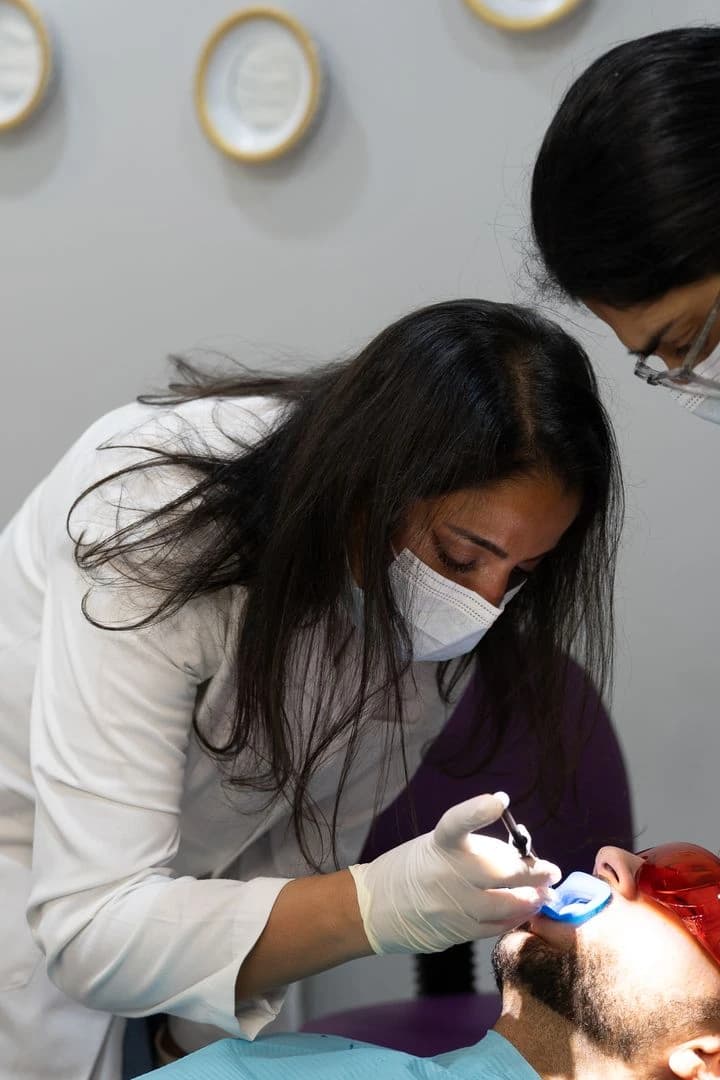
Orthodontic treatment moves teeth gradually into healthier and more functional positions using fixed braces, clear aligners, retainers, or other clinically appropriate appliances. Treatment may improve tooth alignment, bite relationships, oral hygiene access, chewing function, and smile appearance.
At Bourgeois Dental Clinic in Dubai, orthodontic planning begins with an assessment of the teeth, gums, jaw relationships, bite, facial profile, dental development, medical history, oral habits, and the patient's treatment goals. The recommended option depends on the complexity of movement required rather than appearance alone.
Orthodontic, Braces and Clear Aligner Services
- Orthodontic consultation
- Clear aligners
- Invisible aligners
- Adult orthodontics
- Teen orthodontics
- Metal braces
- Ceramic braces
- Crowded teeth treatment
- Spacing and gaps between teeth treatment
- Overbite treatment
- Underbite treatment
- Crossbite treatment
- Open bite treatment
- Orthodontic retainers
- Broken retainer and orthodontic emergency care
What Is Orthodontics?
Orthodontics is the area of dentistry concerned with the position of teeth, the relationship between the upper and lower dental arches, and the way the teeth meet during biting and chewing.
Treatment may involve:
- Moving crowded or rotated teeth
- Closing selected spaces
- Creating space for teeth
- Improving overbite or overjet relationships
- Correcting selected crossbites
- Improving open-bite relationships
- Aligning teeth before veneers, crowns, bridges, or implants
- Maintaining results with retainers
Who May Benefit From Orthodontic Treatment?
An orthodontic assessment may be appropriate for patients with:
- Crowded or overlapping teeth
- Gaps between teeth
- Rotated or displaced teeth
- Protruding upper or lower teeth
- Deep overbite
- Underbite
- Crossbite
- Open bite
- Teeth that are difficult to clean
- Uneven tooth wear related to the bite
- Relapse after previous orthodontic treatment
- A broken, lost, or poorly fitting retainer
What Happens During an Orthodontic Consultation?
An orthodontic consultation may include:
- Concern and goal review: Discussing alignment, bite, appearance, comfort, cleaning, and previous treatment.
- Clinical examination: Assessing teeth, gums, bite, jaw relationships, facial balance, and tooth eruption.
- Dental health review: Checking for decay, gum inflammation, bone loss, failing restorations, or infection that may require treatment first.
- Records: Photographs, dental impressions or scans, and imaging may be recommended when clinically appropriate.
- Movement assessment: Determining how much tooth movement and bite correction may be needed.
- Option comparison: Discussing fixed braces, aesthetic braces, clear aligners, retainers, restorative alternatives, and limitations.
- Treatment planning: Reviewing estimated phases, appointments, responsibilities, retention, risks, and costs.
What Is the Difference Between Braces and Clear Aligners?
Fixed Braces
Fixed braces use brackets attached to the teeth and an orthodontic wire to guide tooth movement. They remain in place throughout active treatment and may be suitable for a wide range of alignment and bite problems.
Clear Aligners
Clear aligners use a planned sequence of removable transparent trays. They may be appropriate for selected mild, moderate, and more complex cases depending on tooth movement, bite correction, patient cooperation, and treatment design.
Aligners must generally be worn for the prescribed daily period. Inconsistent use can delay movement, affect tray fit, and reduce treatment predictability.
Are Clear Aligners the Same as Invisible Braces?
The term “invisible braces” is commonly used by patients to describe clear aligners or tooth-coloured fixed braces. Clinically, these are different treatments.
- Clear aligners: Removable transparent trays.
- Ceramic braces: Fixed tooth-coloured or translucent brackets connected by a wire.
The dentist should clarify which system is being discussed before treatment.
What Are Metal Braces?
Metal braces use fixed brackets and wires to move teeth gradually. They provide continuous control because the appliance remains attached to the teeth.
They may be considered for crowding, spacing, rotations, selected bite problems, and cases requiring detailed tooth movement.
What Are Ceramic Braces?
Ceramic braces work similarly to metal braces but use less visible brackets. They may appeal to patients who want fixed treatment with a more discreet appearance.
Ceramic brackets may require careful cleaning and handling. Suitability depends on the bite, treatment needs, and the teeth involved.
Can Adults Have Orthodontic Treatment?
Yes. Adult orthodontic treatment may be considered at different ages when the teeth, gums, bone support, and general dental health are suitable.
Adult plans may need coordination with:
- Periodontal treatment
- Root canal treatment
- Dental implants
- Crowns and bridges
- Veneers or composite bonding
- Missing-tooth replacement
- Treatment of worn or heavily restored teeth
What Is Teen Orthodontics?
Teen orthodontics addresses tooth alignment and bite development while many permanent teeth are erupting or have recently erupted.
Treatment timing depends on dental development, jaw growth, oral hygiene, cooperation, and the specific bite condition. Not every teenager requires immediate treatment.
How Is Crowded Teeth Treatment Planned?
Crowded teeth occur when there is insufficient space for teeth to align normally. Treatment may involve:
- Arch development in selected cases
- Controlled tooth movement
- Minor enamel reduction when appropriate
- Creating space by moving teeth
- Extraction in selected cases
- Restorative coordination
The safest option depends on crowding severity, gum and bone limits, facial profile, tooth size, bite, and long-term stability.
How Are Gaps Between Teeth Treated?
Spacing treatment may involve braces, aligners, bonding, veneers, replacement of missing teeth, or treatment of an underlying gum or tissue issue.
Closing a gap without identifying the cause may lead to relapse or an unsuitable result. Causes may include tooth-size differences, missing teeth, gum disease, habits, or an enlarged tissue attachment.
What Is an Overbite?
Overbite describes the vertical overlap of the upper front teeth over the lower front teeth. Some overlap is normal, but a deep bite may contribute to tooth wear, gum trauma, or functional concerns.
Overbite treatment depends on tooth positions, jaw relationships, age, growth, and the severity of the bite.
What Is an Underbite?
An underbite occurs when the lower front teeth or lower dental arch sit ahead of the upper teeth. It may result mainly from tooth position, jaw relationships, or a combination of both.
Underbite treatment may require orthodontics, growth-related planning in younger patients, restorative treatment, or combined surgical assessment in selected severe adult cases.
What Is a Crossbite?
A crossbite occurs when one or more upper teeth bite inside the lower teeth. It may affect front teeth, back teeth, one side, or both sides.
Crossbite treatment depends on whether the cause is dental, skeletal, functional, or related to tooth eruption.
What Is an Open Bite?
An open bite occurs when selected upper and lower teeth do not meet when the mouth is closed. It may affect the front or back teeth.
Possible contributing factors include tooth position, jaw growth, tongue posture, oral habits, airway-related patterns, and relapse. Open-bite treatment should address the likely cause as well as tooth alignment.
Do Teeth Need to Be Extracted for Braces?
Not always. Extraction may be considered when crowding, tooth protrusion, bite correction, facial balance, damaged teeth, or long-term stability cannot be managed predictably through non-extraction options.
The decision should be based on records and individual assessment. No-extraction treatment is not automatically better, and extraction treatment is not automatically required.
How Long Does Orthodontic Treatment Take?
Treatment duration depends on:
- The complexity of alignment and bite correction
- The number and type of movements required
- The appliance selected
- Patient growth and dental development
- Appointment attendance
- Aligner or elastic wear
- Bracket breakages or lost appliances
- Oral health and biological response
Estimated timing may change as treatment progresses.
Does Orthodontic Treatment Hurt?
Temporary pressure, tenderness, cheek irritation, or chewing discomfort may occur after braces are placed, wires are adjusted, or a new aligner is started.
Severe pain, facial swelling, trauma, uncontrolled bleeding, or a wire affecting breathing or swallowing requires prompt assessment.
What Are the Risks and Limitations?
Possible risks and limitations include:
- Temporary soreness and soft-tissue irritation
- Enamel decalcification or decay if cleaning is poor
- Gum inflammation or periodontal deterioration
- Root shortening in some teeth
- Gum recession or bone-limit concerns
- Unwanted tooth movement
- Relapse after treatment
- Bracket breakage or aligner loss
- Changes in treatment timing
- Need for additional restorative or periodontal treatment
- Incomplete correction when biological or cooperation limits exist
Why Is Oral Hygiene Important During Treatment?
Brackets, wires, and attachments can retain plaque and food. Poor cleaning may increase the risk of gum inflammation, cavities, enamel marks, unpleasant breath, and delayed treatment.
Patients should follow personalised brushing, interdental cleaning, fluoride, diet, and professional-cleaning recommendations.
What Foods Should Be Avoided With Braces?
Patients may be advised to avoid or modify:
- Very hard foods
- Sticky sweets
- Ice chewing
- Hard nuts
- Chewing pens or objects
- Biting directly into very hard foods
Damaged brackets and wires may interrupt planned tooth movement.
Why Are Retainers Necessary?
Orthodontic retainers help maintain tooth positions after active treatment. Teeth can shift because bone, gums, muscles, bite forces, growth, and ageing continue to change.
Retainer type and wear schedule depend on the treatment, tooth positions, bite, and relapse risk. Long-term retention is commonly required.
What Should You Do if a Retainer Breaks?
A broken, lost, distorted, or poorly fitting retainer should be assessed promptly because teeth may begin to move.
Do not force a retainer that no longer fits. Orthodontic emergency care can assess whether the appliance should be repaired, replaced, or adjusted.
What Counts as an Orthodontic Emergency?
- A wire causing significant injury
- A loose bracket creating discomfort
- A broken appliance
- A lost or damaged retainer
- Severe pain that does not improve
- Dental trauma during treatment
- Facial swelling or signs of infection
- An appliance affecting swallowing or breathing
Difficulty breathing or swallowing requires urgent medical care.
Can Orthodontics Be Combined With Cosmetic Dentistry?
Yes. Orthodontics may align teeth before:
- Composite bonding
- Porcelain veneers
- Dental crowns
- Dental implants
- Bridges
- Teeth whitening
Moving teeth first may reduce the amount of restorative treatment required in selected cases, but combined planning is necessary.
Orthodontics, Braces and Clear Aligners on Sheikh Zayed Road
Bourgeois Dental Clinic is located on the first floor of Indigo Sky Building, Sheikh Zayed Road, Exit 41, near Al Thanya Street in Dubai. The clinic is accessible from Al Barsha, Umm Al Sheif, Umm Suqeim, Jumeirah, Al Quoz, Barsha Heights, The Greens, Dubai Marina, and surrounding communities.
Book an orthodontic consultation to discuss braces, clear aligners, crowded teeth, gaps, overbite, underbite, crossbite, open bite, retainers, or relapse after previous treatment.
FAQ
Frequently Asked Questions
BOOK AN
Appointment
Working Hours
We are here to serve you