


Metal Braces
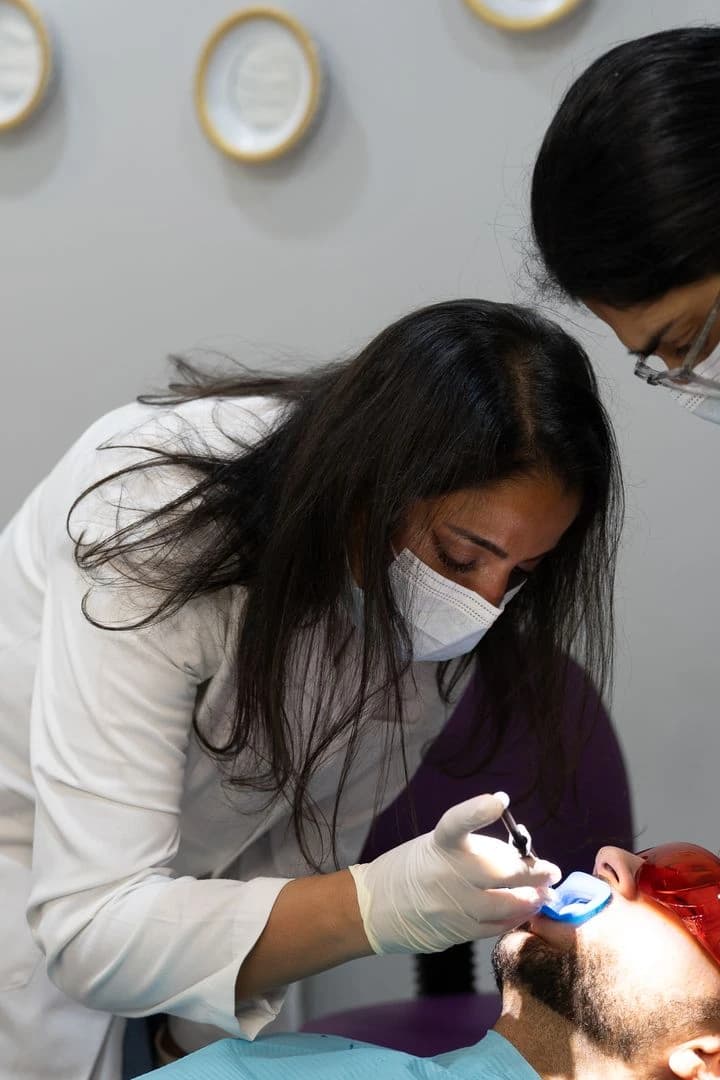
Metal braces use fixed brackets and orthodontic wires to move teeth gradually into planned positions. Because the appliance remains attached to the teeth, it provides continuous guidance and may be suitable for a broad range of crowding, spacing, rotations, and selected bite concerns.
At Bourgeois Dental Clinic in Dubai, metal-brace planning is based on dental health, gum and bone support, bite relationships, tooth movement requirements, oral hygiene, growth where relevant, and long-term retention.
What Can Metal Braces Treat?
Metal braces may be considered for:
- Crowded or overlapping teeth
- Rotated teeth
- Gaps between teeth
- Protruding teeth
- Selected deep-bite concerns
- Selected underbite or crossbite concerns
- Selected open-bite concerns
- Relapse after previous orthodontic treatment
- Alignment before restorative or cosmetic treatment
Suitability depends on whether the problem is mainly dental, skeletal, functional, or combined.
How Do Metal Braces Work?
Brackets are attached to the teeth and connected by an orthodontic wire. The wire and other components apply controlled forces that guide tooth movement over time.
Treatment may also use:
- Elastic modules or ligatures
- Orthodontic elastics
- Coil springs
- Power chains
- Bite-opening components
- Other auxiliaries when clinically appropriate
What Happens Before Braces Are Fitted?
- Orthodontic assessment: Reviewing alignment, bite, jaw relationships, and treatment goals.
- Dental-health check: Identifying cavities, gum inflammation, infection, or failing restorations.
- Records: Photographs, digital scans, impressions, and imaging may be completed.
- Treatment planning: Determining the movements, expected phases, possible extractions, and retention needs.
- Oral-hygiene preparation: Ensuring the patient can clean effectively around the appliance.
How Are Metal Braces Fitted?
- The teeth are cleaned and prepared.
- Brackets are bonded to selected teeth.
- An orthodontic wire is placed.
- The wire is secured to the brackets.
- Any required auxiliaries are added.
- Cleaning, diet, discomfort, and emergency instructions are explained.
Bracket placement and wire selection may change during different stages of treatment.
Are Metal Braces Suitable for Adults?
Yes. Adults may use metal braces when their gums, bone support, teeth, and general dental health are suitable.
They may be particularly useful when continuous control is preferred or when the planned movements are difficult to manage predictably with removable trays.
Are Metal Braces Suitable for Teenagers?
Yes. They are commonly considered for teenagers because they remain attached to the teeth and do not depend on remembering to wear an appliance.
Teenagers still need to cooperate with cleaning, food restrictions, elastics, appointments, and retainer wear.
What Is the Difference Between Metal and Ceramic Braces?
- Metal braces: Use visible metal brackets and are designed for durable fixed treatment.
- Ceramic braces: Use less visible tooth-coloured or translucent brackets.
Both use wires to move teeth. Suitability depends on bite, treatment requirements, appearance preferences, handling, and oral hygiene.
What Is the Difference Between Braces and Clear Aligners?
Metal braces remain fixed and provide continuous control. Clear aligners are removable trays that require consistent daily wear.
Neither option is universally better. Fixed braces may be preferred for selected complex movements, while aligners may suit patients seeking a removable and less visible option.
Do Metal Braces Hurt?
Temporary tooth tenderness, pressure, cheek irritation, or chewing discomfort may occur after fitting and adjustments.
Severe pain, facial swelling, trauma, uncontrolled bleeding, or an appliance affecting breathing or swallowing requires prompt assessment.
How Often Are Braces Adjusted?
Appointment frequency depends on the treatment stage, wire type, movement required, oral health, and whether breakages or other concerns occur.
Missing appointments may delay progress or allow unwanted movement.
What Foods Should Be Avoided?
- Very hard foods
- Sticky sweets
- Chewing ice
- Hard nuts
- Hard crusts bitten directly
- Chewing pens or objects
- Foods that repeatedly damage brackets or wires
Many foods can still be eaten after cutting them into smaller pieces and chewing carefully.
How Should Metal Braces Be Cleaned?
- Brush around brackets, gumlines, and wires carefully
- Use suitable interdental brushes or flossing aids
- Follow fluoride recommendations
- Clean after meals when practical
- Attend professional cleaning when recommended
- Limit frequent sugary or acidic snacks and drinks
Poor cleaning may cause gum inflammation, decay, enamel marks, unpleasant breath, and treatment interruption.
What Happens if a Bracket Breaks?
A loose bracket may remain attached to the wire or move along it. Contact the clinic for advice and avoid repeatedly moving or removing the component.
Urgency depends on discomfort, wire position, treatment stage, and whether the appliance is causing injury.
What Should You Do About a Poking Wire?
Orthodontic wax may provide temporary protection when recommended. Do not attempt major appliance adjustments without instructions.
A wire causing significant injury, swelling, or difficulty swallowing requires prompt assessment through orthodontic emergency care.
Will Teeth Need to Be Extracted?
Not always. Extraction may be considered when severe crowding, protrusion, damaged teeth, bite correction, facial balance, or long-term stability cannot be achieved predictably through non-extraction treatment.
How Long Does Treatment Take?
Duration depends on:
- The number and complexity of movements
- The bite correction required
- Growth and biological response
- Appointment attendance
- Elastic wear
- Bracket or wire breakages
- Oral hygiene
- Need for additional treatment
Estimated timing may change during treatment.
What Are the Risks and Limitations?
- Temporary soreness or irritation
- Gum inflammation
- Enamel decalcification or cavities
- Gum recession in susceptible areas
- Root shortening in some teeth
- Bracket or wire breakage
- Unwanted or incomplete tooth movement
- Longer treatment than estimated
- Need for extractions or additional appliances
- Relapse after treatment
Why Are Retainers Needed After Metal Braces?
After braces are removed, teeth require retention because the surrounding tissues and bite continue to adapt.
Retainers help maintain the corrected positions, and long-term wear is commonly recommended.
Metal Braces on Sheikh Zayed Road
Bourgeois Dental Clinic is located on the first floor of Indigo Sky Building, Sheikh Zayed Road, Exit 41, near Al Thanya Street in Dubai. The clinic is accessible from Al Barsha, Umm Al Sheif, Umm Suqeim, Jumeirah, Al Quoz, Barsha Heights, The Greens, Dubai Marina, and nearby communities.
Book a metal-braces consultation for crowded teeth, gaps, rotations, bite concerns, orthodontic relapse, or a fixed treatment assessment.
Department
Orthodontics, Braces & Clear Aligners
FAQ
Frequently Asked Questions
BOOK AN
Appointment
Working Hours
We are here to serve you