


Oral Surgery and Tooth Extractions in Dubai
- 15Services
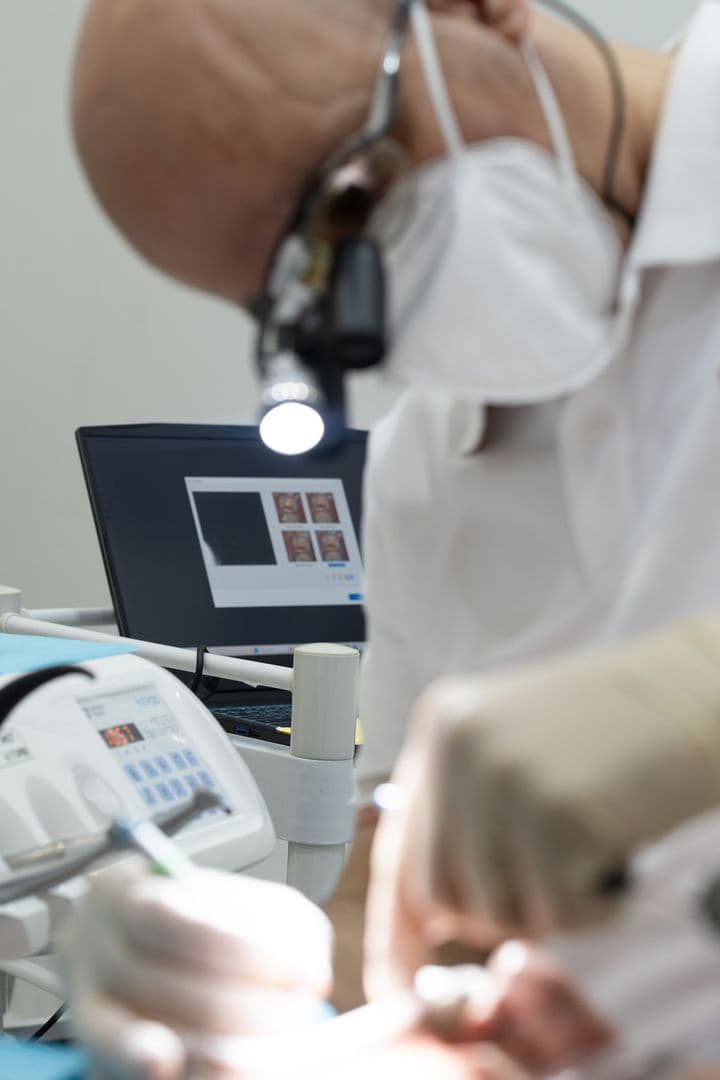
Oral surgery and tooth extraction treatment focuses on removing or managing teeth and oral conditions that cannot be treated predictably with conservative dental care. At Bourgeois Dental Clinic in Dubai, every extraction begins with an assessment of the tooth, roots, surrounding bone, gums, infection, neighbouring teeth, nerves, sinuses, medical history, medications, and future tooth-replacement needs.
Whenever clinically reasonable, the dentist first considers whether the tooth can be preserved with restorative, periodontal, or root canal treatment. Extraction is recommended when maintaining the tooth is unlikely to provide a predictable or maintainable result, or when infection, fracture, impaction, pain, or surrounding damage makes removal appropriate.
Oral Surgery and Tooth Extraction Services
- Oral surgery consultation
- Simple tooth extraction
- Surgical tooth extraction
- Wisdom tooth assessment
- Wisdom tooth extraction
- Impacted wisdom tooth extraction
- Broken tooth and root removal
- Retained root removal
- Infected tooth extraction
- Emergency tooth extraction
- Dental abscess drainage
- Dry socket treatment
- Tooth extraction aftercare
- Pre-prosthetic oral surgery assessment
- Dental biopsy and oral lesion assessment
When May a Tooth Need Extraction?
Extraction may be considered for:
- Severe tooth decay that cannot be restored predictably
- A tooth fractured below the gumline
- A vertical root fracture
- Advanced periodontal bone loss and mobility
- Persistent infection that cannot be controlled through other treatment
- A failed or non-restorable root-treated tooth
- Impacted or problematic wisdom teeth
- Retained roots after a previous fracture or extraction
- Teeth interfering with selected orthodontic or restorative plans
- Teeth that prevent comfortable denture or prosthetic treatment
Can a Tooth Be Saved Instead of Extracted?
Possibly. The dentist evaluates whether the tooth can be maintained through:
- A filling, inlay, onlay, or crown
- Root canal treatment
- Root canal retreatment
- Periodontal treatment
- Crown lengthening
- Post-and-core restoration
- Splinting or bite management in suitable cases
A tooth may still require extraction when the root is fractured, decay extends too deeply, supporting bone is inadequate, infection repeatedly returns, or the final restoration would not be maintainable.
What Is the Difference Between a Simple and Surgical Extraction?
A simple extraction is generally performed when the tooth is fully visible and can be removed using standard dental instruments.
A surgical extraction may be required when the tooth is broken at or below the gumline, impacted, covered by bone or gum tissue, has complex roots, or cannot be removed safely with a simple approach.
What Happens During an Oral Surgery Consultation?
The dentist reviews:
- Symptoms: Pain, swelling, bad taste, drainage, limited mouth opening, or difficulty chewing.
- Tooth condition: Decay, fracture, mobility, previous root canal treatment, crowns, and restorability.
- Gum and bone support: Periodontal condition, infection, and surrounding bone.
- Dental imaging: Root shape, bone, neighbouring teeth, nerves, sinus position, cystic changes, and impaction.
- Medical history: Diabetes, heart conditions, immune conditions, allergies, pregnancy, and healing risks.
- Medication review: Blood thinners, bone-related medications, and other relevant prescriptions.
- Replacement planning: Whether a bridge, denture, or dental implant may be considered after extraction.
When Is Dental Imaging Needed?
Dental imaging helps evaluate root shape, fractures, infection, impaction, bone loss, neighbouring teeth, the mandibular nerve, and the maxillary sinus.
More detailed three-dimensional imaging may be recommended for selected impacted wisdom teeth, complex roots, lesions, previous surgical complications, or implant-related planning.
What Is a Wisdom Tooth Assessment?
A wisdom tooth assessment evaluates whether a third molar is fully erupted, partially erupted, impacted, infected, decayed, damaging a neighbouring tooth, or likely to remain stable without treatment.
Not every wisdom tooth needs removal. Monitoring may be appropriate when the tooth is healthy, functional, cleanable, and not causing damage.
When May a Wisdom Tooth Need Removal?
- Repeated gum infection around the tooth
- Tooth decay
- Damage to the neighbouring second molar
- A cystic or pathological change
- Pain or swelling
- Food trapping and cleaning difficulty
- Impaction associated with disease
- Interference with a planned dental treatment
What Is an Impacted Wisdom Tooth?
An impacted wisdom tooth has not fully erupted into a normal functional position. It may be covered partly or completely by gum or bone and may be angled toward the neighbouring tooth, jawbone, or back of the mouth.
Impacted wisdom tooth removal may require a surgical approach, including gum access, controlled bone removal, and sectioning of the tooth when clinically necessary.
Can an Infected Tooth Be Extracted?
Yes. An infected tooth may be extracted when removal is the appropriate source-control treatment.
Some infections require drainage, medication, or stabilisation before or with extraction. Antibiotics are not automatically required for every dental infection and do not remove the underlying diseased tooth.
What Is Dental Abscess Drainage?
Dental abscess drainage releases trapped pus and pressure from an infected area.
Drainage may reduce pain and swelling, but the original source may still require root canal treatment, periodontal treatment, extraction, or another procedure.
When Is an Extraction an Emergency?
An urgent dental assessment may be needed for:
- Severe uncontrolled tooth pain
- Rapidly increasing swelling
- Facial swelling
- Pus or drainage
- Dental trauma
- A fractured tooth causing severe pain
- A tooth displaced after injury
- Difficulty opening the mouth
- Fever or systemic symptoms associated with dental infection
Difficulty breathing or swallowing, swelling spreading into the neck or around the eye, confusion, severe weakness, or rapidly progressing facial swelling requires urgent medical care.
How Is a Tooth Extraction Performed?
The exact procedure depends on the tooth and surrounding anatomy, but may include:
- Local anaesthesia: Numbing the tooth and surrounding tissues.
- Tooth mobilisation: Carefully loosening the tooth from its supporting tissues.
- Tooth removal: Removing the tooth in one piece or sections when required.
- Socket cleaning: Removing infected or damaged tissue when clinically necessary.
- Bone smoothing: Adjusting sharp or irregular bone when needed.
- Socket preservation: Adding graft material when future implant planning or ridge preservation is important.
- Sutures: Closing the gum tissue when required.
- Aftercare: Providing instructions for bleeding control, cleaning, eating, and warning signs.
Does Tooth Extraction Hurt?
Local anaesthesia is used during the procedure. Patients may feel pressure or movement, but sharp pain should be reported immediately.
Temporary soreness, swelling, bruising, jaw stiffness, and minor bleeding may occur after treatment. The amount varies according to the tooth position, infection, procedure complexity, and individual healing.
What Are the Risks of Tooth Extraction?
Possible risks include:
- Pain, swelling, bruising, or bleeding
- Infection
- Dry socket
- Delayed healing
- Damage to neighbouring teeth or restorations
- Root fracture
- Bone fracture in uncommon complex cases
- Sinus communication in selected upper-tooth extractions
- Nerve irritation or altered sensation in selected lower-tooth procedures
- Jaw stiffness
- Need for additional surgery or retained-root management
What Is Dry Socket?
Dry socket can occur when the protective blood clot is lost or breaks down before the extraction site has healed sufficiently.
It often causes increasing or severe pain several days after extraction, sometimes with pain spreading toward the ear or jaw and an unpleasant taste or smell.
Treatment may include careful cleaning, a soothing dressing, pain management, and review of the socket. Dry socket is not necessarily the same as a spreading infection.
How Should You Care for an Extraction Site?
- Bite gently on the provided gauze as instructed
- Avoid forceful rinsing during the early healing period
- Do not smoke or use tobacco
- Avoid drinking through a straw
- Eat soft foods and chew away from the site
- Maintain gentle oral hygiene
- Do not touch the socket with fingers or objects
- Take medication only as directed
- Attend scheduled review appointments
What Should You Avoid After Extraction?
- Smoking and tobacco use
- Forceful spitting or rinsing
- Strenuous activity during early healing
- Hard, sharp, or very hot foods
- Alcohol when it conflicts with medication or healing guidance
- Repeatedly checking the socket with the tongue or fingers
How Long Does Healing Take?
Initial soft-tissue healing usually occurs over the first weeks, while bone remodelling continues for longer.
Surgical extractions, impacted teeth, infection, smoking, diabetes, medication, and grafting may affect the healing timeline.
When Can a Missing Tooth Be Replaced?
Replacement timing depends on the extraction site, infection, gum condition, bone volume, healing, and treatment choice.
Options may include:
- Dental implant after extraction
- Socket preservation followed by delayed implant placement
- A conventional dental bridge
- A removable partial or complete denture
- Orthodontic space management
- No immediate replacement in selected cases
What Is Pre-Prosthetic Oral Surgery?
Pre-prosthetic oral surgery assessment evaluates whether sharp bone, irregular ridges, retained roots, excessive tissue, or other anatomical features may interfere with a denture or restorative treatment.
Any tissue or bone adjustment should be conservative and based on the planned prosthesis.
What Is an Oral Lesion and Biopsy Assessment?
An oral lesion assessment reviews unusual ulcers, lumps, colour changes, persistent sores, or tissue abnormalities.
Depending on the clinical findings, the lesion may be monitored, photographed, treated, referred, or considered for biopsy. Not every lesion requires biopsy, but persistent or suspicious changes should not be ignored.
When Should an Oral Lesion Be Assessed?
- An ulcer lasting longer than expected
- A lump or swelling
- White, red, dark, or mixed colour changes
- Unexplained bleeding
- Persistent pain, burning, or numbness
- A lesion that is increasing in size
- Difficulty swallowing or moving the tongue
- A tissue change around a denture or sharp tooth
Oral Surgery and Tooth Extractions on Sheikh Zayed Road
Bourgeois Dental Clinic is located on the first floor of Indigo Sky Building, Sheikh Zayed Road, Exit 41, near Al Thanya Street in Dubai. The clinic is accessible from Al Barsha, Umm Al Sheif, Umm Suqeim, Jumeirah, Al Quoz, Barsha Heights, The Greens, Dubai Marina, and surrounding communities.
Book an oral surgery or tooth extraction consultation for a painful tooth, wisdom tooth, broken root, swelling, dental abscess, impacted tooth, emergency extraction, or post-extraction concern.
FAQ
Frequently Asked Questions
BOOK AN
Appointment
Working Hours
We are here to serve you