


Infected Tooth Extraction
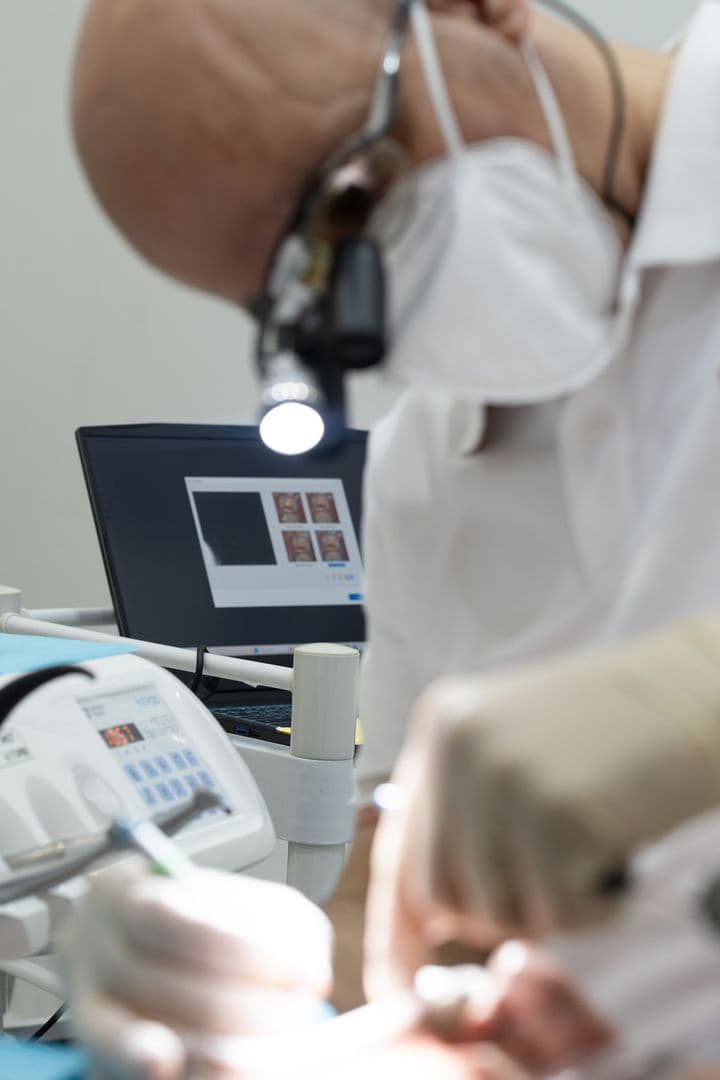
Infected tooth extraction removes a tooth that is acting as the source of dental infection when predictable preservation is not possible or appropriate. Extraction may be combined with drainage, socket cleaning, medication, and follow-up depending on the extent of infection and the patient's medical condition.
At Bourgeois Dental Clinic in Dubai, the dentist first evaluates whether the tooth can be saved with root canal treatment, periodontal treatment, or restorative care before recommending removal.
What Causes an Infected Tooth?
- Deep tooth decay reaching the dental pulp
- A fractured or cracked tooth
- Failed or reinfected root canal treatment
- Advanced periodontal disease
- A leaking crown or filling
- Trauma to the tooth
- A retained root
- Impacted or partially erupted wisdom teeth
What Are the Symptoms of Dental Infection?
- Persistent or severe toothache
- Pain when biting
- Swelling of the gum, cheek, or face
- Pus or drainage
- An unpleasant taste or smell
- A gum pimple near the tooth
- Tooth mobility
- Difficulty opening the mouth
- Fever or general weakness
- Tender lymph nodes
Can an Infected Tooth Be Saved?
Some infected teeth may be treated with:
- Root canal treatment
- Root canal retreatment
- Drainage of the infection
- Periodontal treatment
- A crown or restorative reconstruction
Extraction may be recommended when the tooth has a vertical root fracture, severe decay, inadequate remaining structure, advanced bone loss, repeated treatment failure, or infection that cannot be controlled predictably.
Do Antibiotics Cure an Infected Tooth?
Antibiotics may help control spreading infection or systemic symptoms, but they do not remove decay, clean an infected root canal, repair a fracture, or remove a non-restorable tooth.
Definitive treatment of the source may require root canal treatment, drainage, periodontal treatment, or extraction.
Can an Infected Tooth Be Extracted Immediately?
Often yes, when the tooth is accessible, anaesthesia can be achieved, and the patient's clinical condition permits treatment.
Some cases may require initial drainage, medication, stabilisation, or urgent medical management before extraction. The decision depends on infection spread, swelling, mouth opening, anatomy, medical risk, and available anaesthesia.
What Happens During Assessment?
The dentist evaluates:
- Symptoms and infection spread: Pain, swelling, drainage, fever, swallowing difficulty, and mouth opening.
- Tooth restorability: Decay, fracture, root condition, bone support, and previous treatment.
- Dental imaging: Infection around the roots, bone loss, root anatomy, retained fragments, nerves, and sinus position.
- Soft tissues: Gum swelling, abscess location, drainage, and facial involvement.
- Medical condition: Diabetes, immune conditions, pregnancy, allergies, and healing risk.
- Medication: Blood thinners, bone medication, antibiotics, and other relevant prescriptions.
How Is an Infected Tooth Extracted?
- Local anaesthesia: The tooth and surrounding tissues are numbed.
- Tooth mobilisation: The tooth is loosened carefully.
- Simple or surgical removal: The technique depends on visibility, root anatomy, and structural damage.
- Socket cleaning: Infected or damaged tissue may be removed when clinically indicated.
- Drainage: Trapped pus may be released through the socket or a separate incision when required.
- Irrigation: The area may be cleaned with an appropriate solution.
- Sutures or drainage support: Used when clinically necessary.
- Medication and aftercare: Provided according to infection severity and medical risk.
What Is Dental Abscess Drainage?
Dental abscess drainage releases trapped pus and pressure from an infected area.
Drainage may improve pain and swelling, but the source tooth generally still needs definitive treatment through root canal therapy, periodontal care, or extraction.
Will the Infection Disappear Immediately After Extraction?
Removing the source supports recovery, but swelling, tenderness, or drainage may take time to resolve.
Follow-up is important when infection was extensive, facial swelling was present, or antibiotics or drainage were required.
What Are the Possible Risks?
- Pain, swelling, bruising, or bleeding
- Persistent or spreading infection
- Dry socket
- Delayed healing
- Root fracture or retained fragments
- Damage to neighbouring teeth or restorations
- Sinus communication in selected upper-tooth extractions
- Nerve irritation in selected lower-tooth procedures
- Need for additional drainage or surgery
- Need for hospital or specialist management if infection spreads
When Is Dental Infection an Emergency?
Urgent medical assessment is required for:
- Difficulty breathing
- Difficulty swallowing or inability to swallow saliva
- Rapidly spreading facial or neck swelling
- Swelling around the eye
- Severe limitation in mouth opening
- High fever with worsening symptoms
- Confusion or severe weakness
- Signs of dehydration
- Rapid deterioration despite treatment
How Should You Care for the Site?
- Bite on gauze as instructed
- Take prescribed medication correctly
- Complete antibiotics when prescribed unless advised otherwise
- Avoid smoking and tobacco
- Avoid forceful rinsing during early healing
- Eat soft foods and drink adequate fluids
- Maintain gentle oral hygiene
- Attend all review appointments
- Monitor swelling, temperature, pain, and drainage
Can a Dental Implant Be Placed Immediately?
Immediate implant placement may be possible in selected infected sites after careful cleaning when bone, gum tissue, implant position, and stability are favourable.
Spreading infection, major bone loss, poor stability, or soft-tissue damage may require delayed implant placement and possible grafting.
How Can the Missing Tooth Be Replaced?
- Immediate or delayed dental implant treatment
- Socket preservation and later implant placement
- A conventional dental bridge
- A removable partial denture
- Orthodontic space management
- No immediate replacement in selected cases
Infected Tooth Extraction on Sheikh Zayed Road
Bourgeois Dental Clinic is located on the first floor of Indigo Sky Building, Sheikh Zayed Road, Exit 41, near Al Thanya Street in Dubai. The clinic is accessible from Al Barsha, Umm Al Sheif, Umm Suqeim, Jumeirah, Al Quoz, Barsha Heights, The Greens, Dubai Marina, and nearby communities.
Book an infected-tooth assessment for toothache, swelling, pus, a dental abscess, facial swelling, a broken infected tooth, or repeated infection.
Department
Oral Surgery and Tooth Extractions
FAQ
Frequently Asked Questions
BOOK AN
Appointment
Working Hours
We are here to serve you