


Prosthodontics, Dentures & Full-Mouth Rehabilitation in Dubai
- 11Services
- 3Specialists
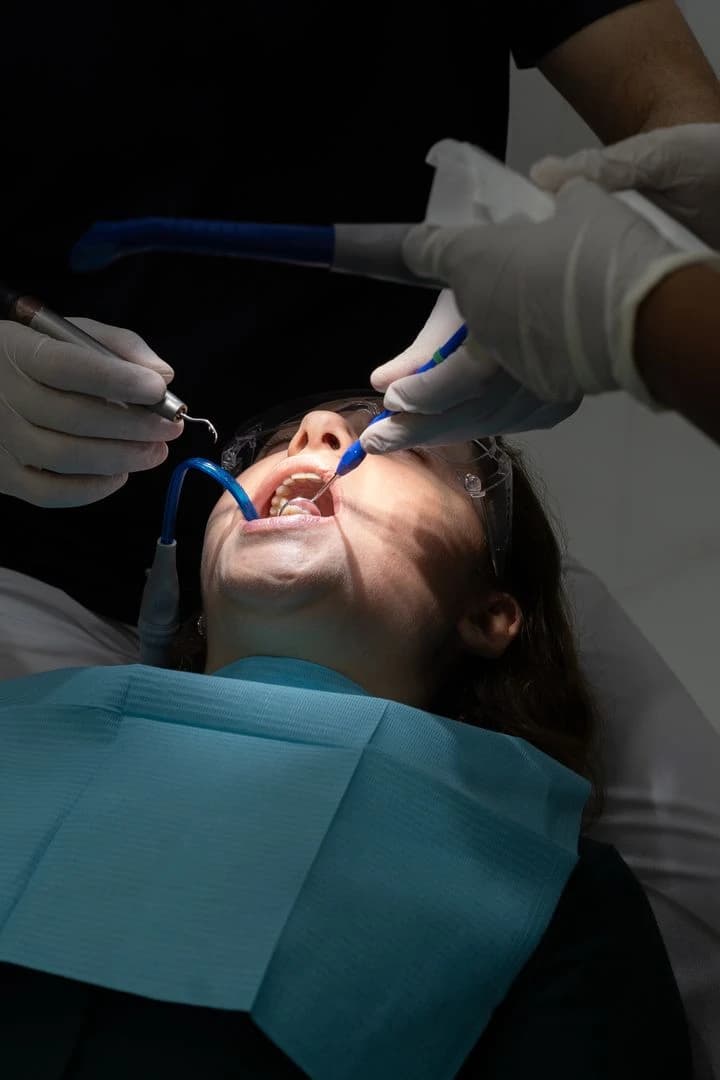
Prosthodontic care restores missing, damaged, heavily worn, or extensively treated teeth to support chewing, speech, appearance, comfort, and bite stability. Treatment may involve removable dentures, dental bridges, crowns, implant-supported restorations, replacement of failing dental work, bite rehabilitation, or a coordinated full-mouth treatment plan.
At Bourgeois Dental Clinic in Dubai, treatment is planned according to the number and position of missing teeth, condition of the remaining teeth, gum and bone health, bite, jaw comfort, appearance priorities, medical history, previous dental work, budget, maintenance ability, and long-term clinical needs.
Prosthodontic and Tooth-Replacement Services
- Prosthodontic consultation
- Complete dentures
- Partial dentures
- Flexible partial dentures
- Immediate dentures
- Denture repair
- Denture relining and adjustment
- Implant-supported dentures
- Replacement of missing teeth
- Dental bridges
- Replacement of old crowns and bridges
- Temporary crowns and bridges
- Full-mouth rehabilitation
- Bite rehabilitation
- Night guards and occlusal splints
Who May Benefit From Prosthodontic Care?
An assessment may be appropriate for patients with:
- One or more missing teeth
- Complete tooth loss in one or both arches
- Loose, uncomfortable, or damaged dentures
- Old crowns or bridges that are failing
- Extensively filled or weakened teeth
- Severely worn, shortened, or fractured teeth
- Changes in the bite
- Difficulty chewing certain foods
- Speech concerns related to missing teeth
- Food trapping around missing teeth or old restorations
- Reduced confidence because of missing or damaged teeth
- A complex combination of dental, gum, bite, and restorative problems
What Happens During a Prosthodontic Consultation?
- Medical and dental history: Reviewing medical conditions, medication, allergies, previous dental care, symptoms, and treatment expectations.
- Teeth and restoration assessment: Examining decay, fractures, fillings, crowns, bridges, implants, missing teeth, and remaining tooth structure.
- Gum and bone evaluation: Assessing gum health, tooth support, mobility, recession, and areas affected by tooth loss.
- Bite assessment: Reviewing how the teeth meet, chewing patterns, tooth wear, jaw comfort, and available restorative space.
- Denture assessment: Checking fit, stability, retention, bite, wear, fractures, and pressure areas when existing dentures are present.
- Imaging when indicated: Dental X-rays or three-dimensional imaging may be recommended when clinically justified.
- Records when required: Photographs, digital scans, impressions, and bite records may support diagnosis and planning.
- Treatment comparison: Discussing removable, fixed, implant-supported, preventive, restorative, and referral options.
How Can Missing Teeth Be Replaced?
The appropriate option depends on the location and number of missing teeth, condition of neighbouring teeth, gum and bone health, bite, medical suitability, appearance priorities, maintenance, and budget.
Possible options include:
- Monitoring the space when replacement is not currently necessary
- A removable partial denture
- A complete denture
- A dental bridge
- A dental implant and crown
- An implant-supported bridge
- An implant-supported removable denture
- A fixed full-arch restoration when clinically appropriate
No single option is suitable for every patient. Each approach has different biological requirements, maintenance needs, costs, treatment times, and limitations.
Complete Dentures
Complete dentures replace all teeth in an upper or lower arch. They rest on the gums and underlying tissues and may support appearance, speech, and chewing.
Retention and comfort depend on:
- Jaw and ridge shape
- Amount of available bone and soft tissue
- Saliva
- Muscle coordination
- Bite accuracy
- Denture design
- Healing after extraction
- Patient adaptation
Conventional dentures cannot reproduce the function or sensation of natural teeth completely, and an adaptation period is usually required.
Partial Dentures
Partial dentures replace selected missing teeth while using remaining teeth and oral tissues for support and stability.
Design options vary according to:
- Number and location of missing teeth
- Strength of supporting teeth
- Gum health
- Bite forces
- Appearance priorities
- Available space
- Material suitability
- Ability to clean the appliance
A removable partial denture may be useful when a bridge or implant is not suitable, desired, or currently possible.
Flexible Partial Dentures
Flexible partial dentures use a flexible material and may provide an alternative appearance or clasp design for selected cases.
They are not appropriate for every bite or missing-tooth pattern. Repair, adjustment, relining, support, and long-term maintenance can differ from conventional partial dentures.
Immediate Dentures
Immediate dentures are prepared before selected teeth are removed and inserted around the time of extraction.
They may reduce the time a patient remains without visible teeth, but healing changes the gums and bone. Adjustments, temporary lining, relining, or replacement may therefore be required after healing.
Denture Repair, Relining, and Adjustment
A denture may need attention when it becomes loose, cracked, broken, uncomfortable, unstable, or difficult to chew with.
Denture repair may address selected fractures, broken teeth, or damaged components. Relining and adjustment may improve the fit or reduce pressure areas when the denture remains otherwise suitable.
Repeated breakage can indicate an underlying problem with the bite, fit, material thickness, tooth position, or jaw changes. Repairing the visible fracture without assessing the cause may lead to further failure.
Implant-Supported Dentures
Implant-supported dentures use dental implants to improve the support, retention, or stability of a removable denture.
Suitability depends on:
- Medical and dental history
- Bone quantity and quality
- Gum health
- Implant position
- Available restorative space
- Bite forces
- Ability to maintain hygiene
- Smoking and other risk factors
- Long-term maintenance commitment
Implants can improve stability in selected patients, but they do not eliminate the need for cleaning, reviews, component maintenance, or future denture adjustment.
Dental Bridges
A dental bridge replaces one or more missing teeth using support from neighbouring teeth or implants.
A tooth-supported bridge may require preparation of adjacent teeth. The condition of those teeth, their roots, gum support, alignment, restorations, and bite must be assessed before treatment.
Cleaning beneath and around a bridge is essential because plaque accumulation can contribute to decay, gum inflammation, unpleasant breath, and failure of the supporting teeth.
Replacing Old Crowns and Bridges
Old crowns and bridges may need replacement because of:
- Decay at the margins
- Fracture or chipping
- Loose cementation
- Poor fit
- Gum recession
- Food trapping
- Persistent symptoms
- Changes in the bite
- Problems with the supporting tooth
- Appearance concerns
Replacement is not always the first option. Some restorations can be monitored, adjusted, repaired, or recemented when clinically appropriate.
Temporary Crowns and Bridges
Temporary crowns and bridges protect prepared teeth and support appearance, spacing, and basic function while definitive treatment is being completed.
Temporary restorations are generally less durable than final restorations. They may loosen, fracture, stain, or wear and should be reviewed promptly when damaged.
What Is Full-Mouth Rehabilitation?
Full-mouth rehabilitation is a coordinated treatment plan for patients with multiple damaged, missing, worn, infected, or heavily restored teeth.
The plan may combine:
- Preventive and gum care
- Fillings and core restorations
- Root canal treatment
- Crowns and bridges
- Dental implants
- Dentures
- Tooth extractions
- Orthodontic treatment
- Bite rehabilitation
- Night guards or protective splints
Treatment is often completed in stages. Disease control, gum stability, infection management, and preservation of suitable teeth generally come before definitive cosmetic or prosthetic work.
What Is Bite Rehabilitation?
Bite rehabilitation assesses and restores selected teeth when wear, fractures, tooth loss, old restorations, or changes in tooth position have affected the way the teeth meet.
The process may involve:
- Reviewing tooth wear patterns
- Assessing available restorative space
- Evaluating jaw comfort and muscle symptoms
- Testing proposed bite changes
- Using temporary restorations where appropriate
- Restoring teeth in planned stages
- Providing protective maintenance after treatment
Changing a bite requires careful diagnosis. Not every case of jaw discomfort, headache, or tooth wear is caused by the bite alone.
Night Guards and Occlusal Splints
Night guards and occlusal splints may protect selected teeth and restorations from grinding or clenching forces and may support assessment of some jaw-muscle or joint symptoms.
A splint does not stop all grinding and does not treat every cause of facial pain. Fit, design, bite contact, symptoms, and wear should be monitored.
How Are Materials and Restoration Types Selected?
Material selection depends on:
- Tooth position
- Remaining tooth structure
- Bite forces
- Grinding or clenching
- Appearance requirements
- Available restorative space
- Gum condition
- Moisture control
- Repairability
- Maintenance needs
- Cost and treatment priorities
The dental team should explain the relevant benefits, limitations, expected appearance, maintenance, and alternatives before treatment.
How Long Do Dentures, Crowns, and Bridges Last?
No dental restoration lasts indefinitely. Longevity varies according to diagnosis, design, materials, bite forces, oral hygiene, gum health, smoking, medical conditions, diet, grinding, trauma, and follow-up care.
Over time, restorations may require adjustment, repair, recementation, relining, component replacement, or complete replacement.
How Should Prosthetic Dental Work Be Maintained?
- Brush natural teeth and restoration margins carefully
- Clean beneath bridges using suitable tools
- Remove and clean removable dentures as instructed
- Clean the gums, tongue, and oral tissues
- Avoid using household glue for broken restorations
- Do not adjust dentures at home
- Attend regular dental and gum reviews
- Use recommended fluoride and interdental products
- Report loosening, fracture, pain, or food trapping early
- Follow night-time denture instructions
Should Dentures Be Worn While Sleeping?
Many patients are advised to remove removable dentures for a period each day to allow oral tissues to rest and to clean both the denture and mouth.
The appropriate routine may differ after surgery, during immediate-denture treatment, or because of individual medical or functional needs. Follow the instructions provided for the specific denture.
What Are the Risks and Limitations?
Risks depend on the selected treatment and may include:
- Temporary sensitivity or soreness
- Difficulty adapting to a denture
- Speech or chewing changes
- Pressure areas or gum irritation
- Loose or unstable dentures
- Fracture, wear, or loss of a restoration
- Decay around crowns or bridges
- Gum inflammation or bone loss
- Need for root canal treatment or extraction
- Implant or prosthetic component complications
- Changes in bite
- Continued tooth wear or grinding
- Need for repairs, adjustments, relining, or replacement
- Need for referral in complex cases
When Is Prompt Dental Assessment Needed?
Arrange a prompt review for:
- A broken or loose denture
- A crown or bridge that has detached
- Severe pain beneath a restoration
- Facial or gum swelling
- Pus or an unpleasant taste with swelling
- Bleeding or ulcers caused by a denture
- A sudden inability to bite normally
- A fractured supporting tooth
- Difficulty swallowing a loose dental component
Difficulty breathing or swallowing, rapidly spreading facial or neck swelling, uncontrolled bleeding, severe weakness, or significant deterioration requires urgent medical care.
Prosthodontics and Dentures on Sheikh Zayed Road
Bourgeois Dental Clinic is located on the first floor of Indigo Sky Building, Sheikh Zayed Road, Exit 41, near Al Thanya Street in Dubai. The clinic is accessible from Al Barsha, Umm Al Sheif, Umm Suqeim, Jumeirah, Al Quoz, Barsha Heights, The Greens, Dubai Marina, and nearby communities.
Book a prosthodontic consultation for missing teeth, loose or broken dentures, failing crowns or bridges, extensive tooth wear, difficulty chewing, bite concerns, or comprehensive full-mouth rehabilitation planning.


FAQ
Frequently Asked Questions
BOOK AN
Appointment
Working Hours
We are here to serve you