


Denture Relining and Adjustment
- 3Specialists
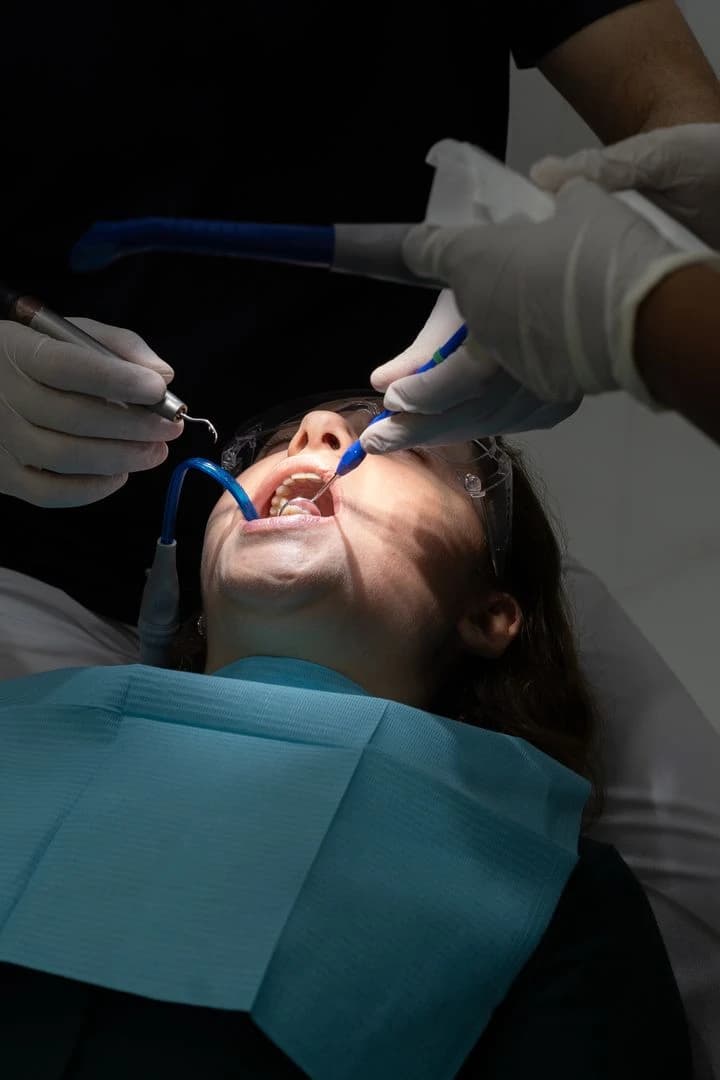
Denture relining and adjustment may improve the fit, stability, and comfort of a suitable removable denture when the gums and supporting tissues have changed. Relining adapts the surface that rests against the mouth, while adjustment reshapes selected pressure areas, borders, bite contacts, or components that are causing discomfort.
At Bourgeois Dental Clinic in Dubai, the denture and oral tissues are examined before treatment because looseness may also result from severe wear, an inaccurate bite, damaged components, poor denture design, supporting-tooth problems, or advanced changes in the jaw ridge.
Why Do Dentures Become Loose?
Denture fit may change because of:
- Natural bone and gum changes after tooth loss
- Healing after recent extractions
- Weight changes or medical conditions
- Progressive ridge resorption
- Wear of denture teeth
- Changes in the bite
- Damage to supporting teeth
- Repeated denture movement
- Ageing or distortion of the denture material
- Previous repairs or adjustments
A loose denture should be assessed rather than managed indefinitely with increasing amounts of adhesive.
What Is Denture Relining?
Relining adds or replaces material on the internal fitting surface of a denture so that it adapts more closely to the current shape of the gums and supporting ridge.
Relining may be considered for:
- A complete denture that has become loose
- A partial denture with a suitable framework and tooth arrangement
- An immediate denture during or after healing
- A denture that moves during speaking or chewing
- A denture causing pressure because of uneven fit
- A structurally suitable denture that does not yet require complete replacement
What Is the Difference Between a Soft and Hard Reline?
Soft Reline
A softer lining material may be used temporarily or for selected sensitive tissues. It can provide cushioning during healing or when the oral tissues cannot tolerate a rigid fitting surface.
Hard Reline
A hard reline uses a firmer denture-base material to create a more durable internal fit when the oral tissues are sufficiently stable.
The choice depends on healing, tissue condition, denture design, medical history, bite, and expected duration of use.
What Is Denture Adjustment?
Adjustment removes or reshapes selected areas that are causing pressure, rubbing, instability, bite interference, or difficulty inserting and removing the appliance.
Adjustment may address:
- Painful pressure areas
- Overextended borders
- A sharp or rough edge
- Uneven bite contacts
- A clasp that requires professional correction
- Difficulty seating the denture
- Cheek, tongue, or gum irritation
- Speech or chewing problems related to the fit
What Happens During the Assessment?
- Medical and dental history: Reviewing health conditions, dry mouth, medication, recent extractions, pain, and previous denture treatment.
- Oral-tissue examination: Checking ulcers, inflammation, infection, pressure areas, ridge shape, and tissue sensitivity.
- Denture inspection: Assessing material, age, fractures, tooth wear, repairs, borders, and supporting components.
- Fit assessment: Evaluating movement, retention, stability, and contact with the oral tissues.
- Bite assessment: Reviewing uneven contact, clicking, chewing difficulty, and possible causes of repeated fracture.
- Treatment decision: Comparing adjustment, soft lining, hard relining, repair, or replacement.
How Is a Denture Relined?
- The mouth and denture are examined.
- Existing pressure areas are identified.
- The fitting surface may be prepared.
- An impression or digital record is taken using the denture when appropriate.
- The new lining material is processed directly or through a dental laboratory.
- The denture is inserted and checked.
- The fit, bite, borders, and pressure areas are adjusted.
- Follow-up is arranged when required.
Can Every Loose Denture Be Relined?
No. Relining may not be appropriate when:
- The denture is severely worn
- The artificial teeth are badly positioned
- The bite is inaccurate
- The denture is repeatedly fractured
- The base is distorted or heavily repaired
- Several teeth or clasps are damaged
- The appearance is no longer acceptable
- The supporting teeth have changed significantly
- The appliance design is unsuitable
In these situations, a new complete denture or partial denture may provide a more predictable result.
Can Immediate Dentures Be Relined?
Yes. Immediate dentures commonly need adjustment or temporary lining as swelling reduces and extraction sites heal.
A more definitive reline or replacement may be considered after the gums and bone become more stable.
Will Relining Fix the Bite?
Relining primarily improves adaptation to the oral tissues. It may improve stability, but it does not automatically correct severe tooth wear, poor tooth position, or a significantly inaccurate bite.
Additional adjustment, tooth replacement, redesign, or a new denture may be required.
How Long Does a Reline Last?
Longevity depends on:
- Type of lining material
- Rate of gum and bone change
- Denture age and design
- Bite forces
- Grinding or clenching
- Oral hygiene
- Material care
- Medical health
- Follow-up and maintenance
A reline does not stop future changes in the gums and supporting bone.
Can Relining Reduce the Need for Denture Adhesive?
A better-fitting denture may require less adhesive, but retention also depends on jaw anatomy, saliva, muscle control, denture design, and bite.
Adhesive should not be used to compensate indefinitely for a severely loose or damaged appliance.
How Should a Relined Denture Be Cleaned?
- Follow the instructions for the specific lining material
- Use a suitable denture brush
- Avoid abrasive household products
- Avoid hot water that may distort the appliance
- Clean the gums, tongue, and palate
- Remove food and plaque from the denture daily
- Store the appliance as directed
- Attend reviews when the lining changes colour, texture, or fit
Some soft lining materials require different cleaning products from conventional acrylic.
What if the Denture Still Hurts After Adjustment?
Mild temporary tenderness may occur, but persistent pain may indicate an untreated pressure area, infection, ulcer, poor bite, damaged denture, or another oral condition.
Do not continue wearing a denture that causes severe injury without arranging an assessment.
What Are the Alternatives?
- Minor professional adjustment
- Temporary soft lining
- Hard relining
- Denture repair
- Fabrication of a new denture
- Implant-supported denture treatment for suitable patients
What Are the Risks and Limitations?
- Continued looseness if the denture design is unsuitable
- Pressure areas requiring further adjustment
- Changes in bite
- Temporary taste or texture awareness
- Staining, hardening, or deterioration of a soft liner
- Need for future relining or replacement
- Failure to correct severely worn denture teeth
- Fracture if the denture remains structurally weak
- Continued gum irritation if hygiene is poor
- Limited improvement in difficult jaw anatomy
When Is Prompt Assessment Needed?
Arrange prompt dental care for persistent ulcers, bleeding, swelling, pus, severe pain, sudden looseness, a cracked denture, a damaged clasp, or an appliance that becomes difficult to insert or remove.
Difficulty breathing or swallowing after a component becomes detached requires urgent medical care.
Denture Relining and Adjustment on Sheikh Zayed Road
Bourgeois Dental Clinic is located on the first floor of Indigo Sky Building, Sheikh Zayed Road, Exit 41, near Al Thanya Street in Dubai. The clinic is accessible from Al Barsha, Umm Al Sheif, Umm Suqeim, Jumeirah, Al Quoz, Barsha Heights, The Greens, Dubai Marina, and nearby communities.
Book a denture-fit assessment for loose dentures, pressure areas, gum soreness, movement during eating, repeated adhesive use, bite concerns, or evaluation for adjustment, relining, repair, or replacement.
Department
Prosthodontics, Dentures & Full-Mouth Rehabilitation
Related Doctors

FAQ
Frequently Asked Questions
BOOK AN
Appointment
Working Hours
We are here to serve you