


Partial Dentures
- 3Specialists
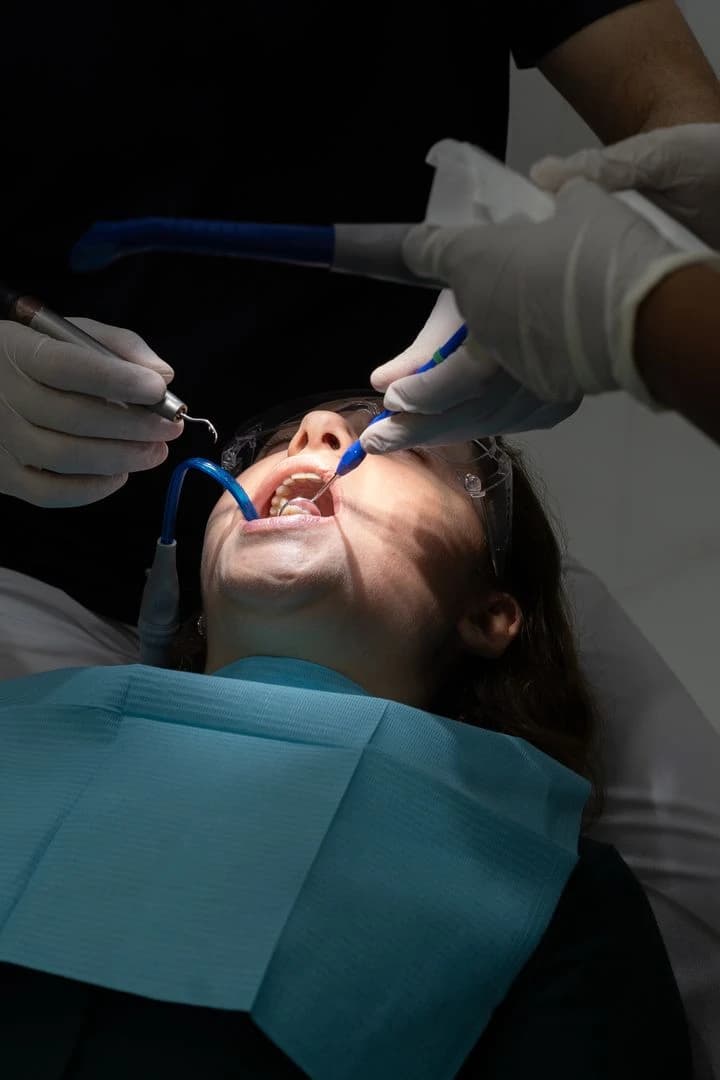
A partial denture is a removable appliance that replaces one or more missing teeth while using remaining teeth and oral tissues for support, retention, and stability. It may restore appearance, improve chewing, reduce food trapping, support speech, and help maintain continuity within the dental arch.
At Bourgeois Dental Clinic in Dubai, partial-denture design is based on the location of missing teeth, strength and position of supporting teeth, gum and bone health, bite forces, available space, appearance preferences, oral hygiene, medical history, and the patient’s ability to use and maintain the appliance.
Who May Benefit From a Partial Denture?
A removable partial denture may be considered when:
- Several teeth are missing in one jaw
- Missing teeth are located in different parts of the mouth
- A fixed dental bridge is unsuitable
- Dental implants are not medically, anatomically, financially, or personally suitable
- A temporary replacement is needed during healing or staged treatment
- Remaining teeth can provide suitable support
- A patient prefers a removable tooth-replacement option
What Happens During the Assessment?
- Medical and dental history: Reviewing health conditions, medication, allergies, previous dentures, symptoms, and treatment priorities.
- Teeth examination: Assessing decay, fillings, crowns, mobility, fractures, tooth position, and supporting-tooth strength.
- Gum and bone evaluation: Reviewing gum inflammation, recession, periodontal support, and the shape of toothless ridges.
- Bite assessment: Evaluating available space, chewing forces, opposing teeth, and tooth movement.
- Imaging when indicated: Dental X-rays may be used to assess roots, supporting bone, decay, or infection.
- Design planning: Discussing support, clasps, connectors, material, appearance, cleaning, and alternatives.
What Types of Partial Dentures Are Available?
Partial dentures may differ in their framework, base material, clasp design, support, thickness, durability, repairability, and appearance.
Options may include:
- Conventional acrylic partial dentures
- Metal-framework partial dentures
- Flexible partial dentures
- Temporary transitional partial dentures
- Implant-assisted removable partial dentures in selected cases
The most suitable design depends on the missing-tooth pattern, bite, supporting teeth, gum health, available space, and long-term treatment plan.
How Are Partial Dentures Made?
- Dental and gum problems are treated or stabilised where necessary.
- Digital scans or impressions are taken.
- The bite and available restorative space are recorded.
- The appliance is designed according to the supporting teeth and missing areas.
- Selected teeth may require minor preparation when clinically appropriate.
- A framework or trial stage may be checked.
- Artificial teeth are selected for size, shape, and shade.
- The final denture is inserted and adjusted.
- Follow-up visits assess fit, bite, pressure areas, and cleaning.
Will a Partial Denture Be Visible?
Visibility depends on the location of missing teeth, smile line, clasp design, material, tooth arrangement, and available support.
Some retaining components may be visible when smiling or speaking. The dentist should explain realistic appearance limitations before treatment.
Can a Partial Denture Improve Chewing?
A partial denture may improve chewing by restoring selected missing areas, but function depends on stability, support, fit, bite, muscle control, and the condition of the remaining teeth.
Patients may need to begin with softer foods, chew on both sides, cut food into smaller pieces, and introduce firmer foods gradually.
Will It Feel Uncomfortable at First?
Patients may initially notice:
- Pressure on supporting teeth or gums
- Increased saliva
- Speech changes
- A feeling of bulk
- Difficulty inserting or removing the appliance
- Minor pressure areas
Persistent pain, gum injury, instability, or difficulty biting requires professional adjustment.
Can Partial Dentures Damage Supporting Teeth?
Supporting teeth may be at increased risk of plaque accumulation, decay, gum inflammation, and wear when the appliance is not cleaned or designed appropriately.
Risk reduction includes:
- Careful brushing around supporting teeth
- Cleaning beneath clasps and connectors
- Suitable fluoride use
- Regular dental and gum reviews
- Removing plaque and food after meals
- Repairing loose or damaged components promptly
How Should a Partial Denture Be Cleaned?
- Remove and rinse the denture after meals when possible
- Brush it with an appropriate denture brush
- Use products suitable for its material
- Clean all supporting teeth carefully
- Use interdental brushes or floss around teeth and beneath suitable areas
- Clean the gums, tongue, and oral tissues
- Avoid hot water that may distort the appliance
- Store the denture according to professional instructions
Should a Partial Denture Be Worn at Night?
Many patients are advised to remove removable dentures for a period each day to allow the tissues to rest and permit thorough cleaning.
Instructions may differ for temporary appliances, immediate treatment, or individual medical and functional needs.
Can a Partial Denture Become Loose?
Yes. Looseness may develop because of:
- Changes in gums or bone
- Wear of retaining components
- Movement or loss of supporting teeth
- Damage to the framework or base
- Changes in bite
- Material distortion
- Natural tooth eruption or movement
Adjustment, repair, relining, redesign, or replacement may be required.
Can a Partial Denture Be Repaired?
Denture repair may be possible when an artificial tooth, acrylic base, clasp, or another component is damaged.
Do not use household glue because it may be unsafe, interfere with professional repair, and alter the denture’s fit.
Can a Tooth Be Added to an Existing Partial Denture?
It may be possible to add a tooth after another natural tooth is lost, depending on the denture material, design, age, condition, available space, and bite.
Some flexible or complex frameworks may be more difficult to modify than conventional acrylic designs.
What Is the Difference Between Partial Dentures and Dental Bridges?
- Partial denture: Removable and may replace several teeth in different areas.
- Dental bridge: Fixed in place and supported by neighbouring teeth or implants.
A bridge may provide a more fixed feeling, while a partial denture may avoid extensive preparation of some teeth and replace a larger or more complex missing-tooth pattern.
What Is the Difference Between Partial Dentures and Dental Implants?
- Partial denture: Removable, usually requires less surgical treatment, and uses teeth and tissues for support.
- Dental implant: Surgically placed in bone and supports a crown, bridge, or removable appliance.
Implants require suitable medical health, bone, gum condition, treatment time, hygiene, and maintenance.
How Long Does a Partial Denture Last?
Longevity varies according to:
- Material and design
- Condition of supporting teeth
- Gum and bone health
- Bite forces
- Grinding or clenching
- Oral hygiene
- Denture care
- Changes in the mouth
- Repairs and maintenance
The appliance and supporting teeth should be reviewed regularly.
What Are the Risks and Limitations?
- Initial discomfort or pressure areas
- Movement during chewing
- Visible clasps or components
- Speech adaptation
- Food trapping
- Plaque accumulation around supporting teeth
- Decay or gum inflammation
- Wear or fracture of the appliance
- Loosening as oral tissues change
- Need for adjustment, repair, relining, or replacement
- Reduced chewing efficiency compared with suitable natural teeth or fixed restorations
When Is Prompt Assessment Needed?
Arrange a review when the denture breaks, becomes suddenly loose, causes significant pain or ulcers, damages a supporting tooth, develops a sharp edge, or a clasp becomes detached.
Difficulty breathing or swallowing after a component becomes loose requires urgent medical care.
Partial Dentures on Sheikh Zayed Road
Bourgeois Dental Clinic is located on the first floor of Indigo Sky Building, Sheikh Zayed Road, Exit 41, near Al Thanya Street in Dubai. The clinic is accessible from Al Barsha, Umm Al Sheif, Umm Suqeim, Jumeirah, Al Quoz, Barsha Heights, The Greens, Dubai Marina, and nearby communities.
Book a partial-denture consultation for several missing teeth, an old removable appliance, chewing difficulty, visible gaps, broken denture components, or comparison with bridges and dental implants.
Department
Prosthodontics, Dentures & Full-Mouth Rehabilitation
Related Doctors


FAQ
Frequently Asked Questions
BOOK AN
Appointment
Working Hours
We are here to serve you