


Orthodontic Consultation
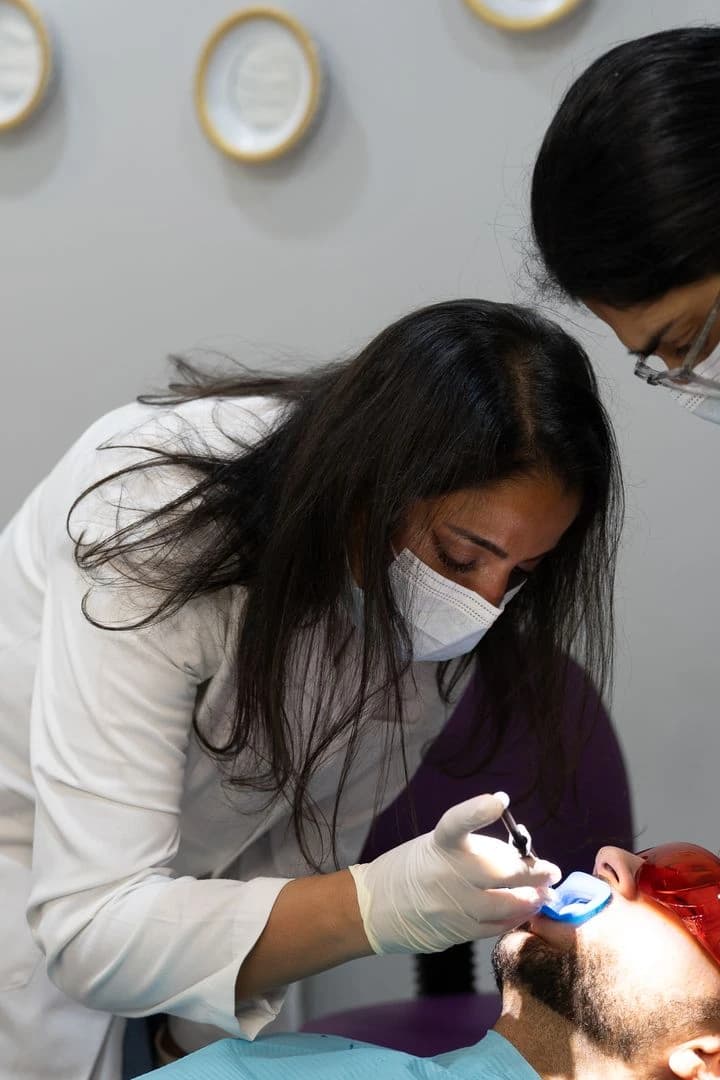
An orthodontic consultation identifies the cause and severity of tooth-alignment or bite concerns and determines whether braces, clear aligners, monitoring, restorative care, or another treatment pathway may be appropriate. The assessment considers dental health, jaw relationships, facial balance, tooth movement requirements, oral hygiene, previous orthodontic treatment, and the patient’s priorities.
At Bourgeois Dental Clinic in Dubai, orthodontic planning is personalised rather than based only on how the teeth appear. The aim is to understand what can be corrected safely, what limitations may exist, and how the result may be maintained.
Who Should Book an Orthodontic Consultation?
An orthodontic assessment may be helpful for patients with:
- Crowded, overlapping, or rotated teeth
- Gaps between teeth
- Protruding upper or lower teeth
- A deep overbite
- An underbite
- A crossbite
- An open bite
- Teeth that have moved after previous treatment
- A lost, broken, or poorly fitting retainer
- Difficulty cleaning because of tooth position
- Uneven tooth wear related to the bite
- A need to align teeth before cosmetic or restorative treatment
What Happens During the Consultation?
- Concern and goal review: Discussing alignment, bite, appearance, comfort, previous treatment, and expectations.
- Dental examination: Assessing tooth positions, crowding, spacing, rotations, wear, restorations, and eruption.
- Bite assessment: Reviewing how the upper and lower teeth meet during closing and movement.
- Gum and bone review: Checking inflammation, recession, periodontal support, and oral-hygiene readiness.
- Jaw and facial assessment: Considering jaw relationships, profile, symmetry, growth, and functional movement.
- Records: Photographs, scans, impressions, or dental imaging may be recommended when clinically appropriate.
- Option comparison: Discussing fixed braces, ceramic braces, clear aligners, retainers, restorative alternatives, and limitations.
What Orthodontic Records May Be Needed?
Depending on the concern, records may include:
- Clinical photographs
- Digital scans or dental impressions
- Dental X-rays
- Bite records
- Measurements of crowding and spacing
- Review of jaw and facial relationships
Records help evaluate root positions, bone support, missing teeth, impacted teeth, growth, and the movement required. Not every patient needs every record.
What Dental Problems Should Be Treated First?
Before active orthodontics, treatment may be required for:
- Untreated tooth decay
- Active gum inflammation or periodontal disease
- Dental infection
- Failing restorations
- Uncontrolled oral-hygiene problems
- Teeth with an uncertain prognosis
Moving teeth through unhealthy gums or inadequately supported bone may increase treatment risk.
How Are Braces and Clear Aligners Compared?
Metal braces and ceramic braces remain fixed to the teeth and provide continuous control.
Clear aligners are removable transparent trays that must be worn consistently. Suitability depends on movement complexity, bite correction, oral health, and patient cooperation.
Neither option is automatically better for every patient.
Can Adults Have Orthodontic Treatment?
Yes. Adult orthodontics may be suitable when gum health, bone support, tooth condition, and general dental health allow controlled movement.
Adult treatment may need coordination with implants, crowns, bridges, veneers, composite bonding, periodontal care, or root canal treatment.
When Should Teenagers Be Assessed?
Teen orthodontic assessment may be appropriate while permanent teeth are erupting or shortly afterward. Treatment timing depends on dental development, jaw growth, bite concerns, oral hygiene, and cooperation.
Will Teeth Need to Be Extracted?
Not always. Extraction may be considered when severe crowding, tooth protrusion, bite correction, damaged teeth, facial balance, or long-term stability cannot be managed predictably through non-extraction treatment.
The decision should be based on diagnostic records and individual assessment.
How Long Will Treatment Take?
Duration depends on:
- The severity of crowding or spacing
- The bite correction required
- The appliance selected
- Patient growth and biological response
- Appointment attendance
- Aligner or elastic wear
- Broken appliances or lost trays
- Oral hygiene and dental health
A more accurate estimate can be provided after completing the necessary records and treatment plan, but timing may still change during treatment.
What Risks Should Be Discussed?
- Temporary soreness or soft-tissue irritation
- Gum inflammation if cleaning is inadequate
- Enamel marks or decay around poorly cleaned appliances
- Gum recession in susceptible areas
- Root shortening in some teeth
- Unwanted tooth movement
- Changes in treatment duration
- Relapse after active treatment
- Need for additional dental, periodontal, or restorative treatment
- Incomplete correction because of biological or cooperation limits
Why Is Retention Discussed Before Treatment?
Teeth can move after active treatment because the gums, bone, muscles, bite forces, growth, and ageing continue to change.
Orthodontic retainers and long-term wear guidance are therefore part of the original treatment plan rather than an optional final step.
Can Orthodontics Be Combined With Cosmetic Dentistry?
Yes. Alignment may be planned before:
- Composite bonding
- Porcelain veneers
- Dental crowns
- Dental bridges
- Dental implants
- Teeth whitening
Moving teeth first may reduce the amount of tooth preparation or restorative treatment required in selected cases.
Orthodontic Consultation on Sheikh Zayed Road
Bourgeois Dental Clinic is located on the first floor of Indigo Sky Building, Sheikh Zayed Road, Exit 41, near Al Thanya Street in Dubai. The clinic is accessible from Al Barsha, Umm Al Sheif, Umm Suqeim, Jumeirah, Al Quoz, Barsha Heights, The Greens, Dubai Marina, and nearby communities.
Book an orthodontic consultation to discuss braces, clear aligners, crowded teeth, gaps, bite correction, retainers, or tooth movement after previous orthodontic treatment.
Department
Orthodontics, Braces & Clear Aligners
FAQ
Frequently Asked Questions
BOOK AN
Appointment
Working Hours
We are here to serve you