


Emergency Dental Consultation
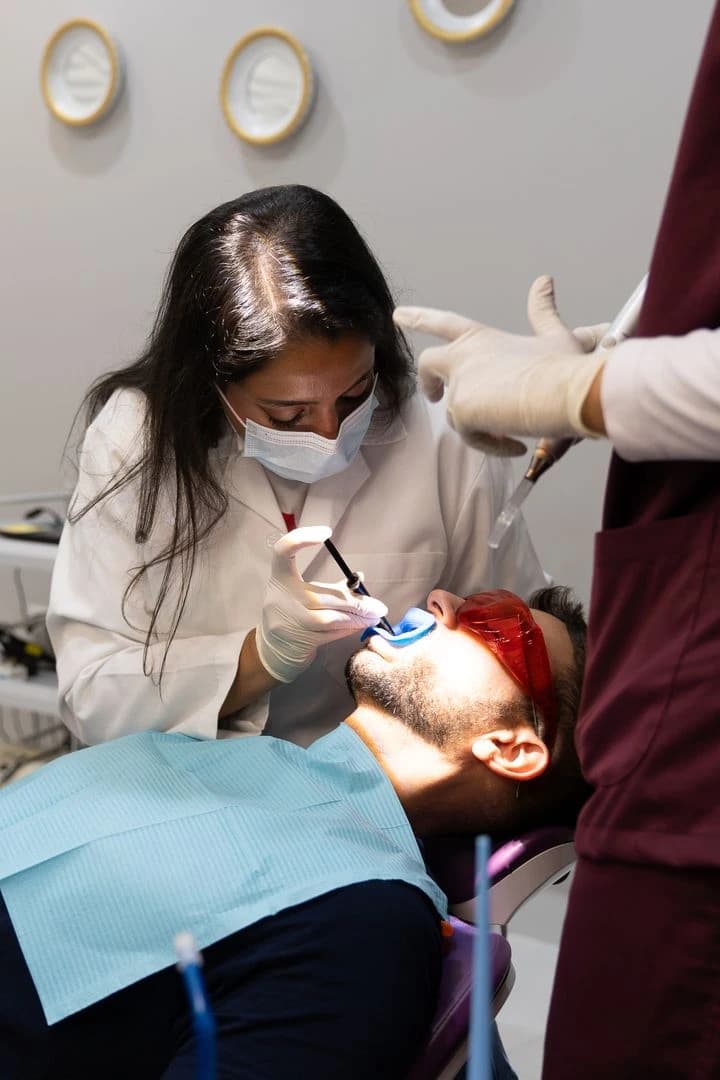
An emergency dental consultation assesses urgent pain, swelling, infection, trauma, bleeding, broken teeth, damaged restorations, and unexpected symptoms affecting the mouth or jaws. The immediate goal is to identify the cause, recognise medical warning signs, control urgent dental risks, and determine whether temporary care, definitive treatment, referral, or hospital assessment is required.
At Bourgeois Dental Clinic in Dubai, emergency concerns are prioritised according to pain severity, swelling, trauma, bleeding, fever, ability to eat or drink, medical history, and the risk of infection spreading beyond the tooth or gums.
Same-day treatment may be possible depending on clinical urgency, appointment availability, required imaging, medical considerations, and treatment complexity. Some emergency visits stabilise the condition first and arrange definitive treatment later.
Which Problems May Require an Emergency Consultation?
- Severe or increasing toothache
- Facial, gum, or jaw swelling
- Pus or a persistent unpleasant taste
- A broken, cracked, or displaced tooth
- A knocked-out permanent tooth
- Uncontrolled oral bleeding
- A lost filling, crown, bridge, or veneer causing pain
- A broken denture or dental appliance
- Wisdom-tooth pain or infection
- Difficulty opening the mouth
- Dental trauma
- Unexpected severe pain or swelling after treatment
What Happens During the Consultation?
- Urgency screening: Checking breathing, swallowing, swelling, bleeding, trauma, fever, and general health.
- Symptom history: Reviewing onset, severity, location, triggers, previous treatment, medication, allergies, and medical conditions.
- Dental examination: Assessing the teeth, gums, restorations, implants, appliances, and surrounding tissues.
- Diagnostic testing: Checking tooth tenderness, mobility, vitality, biting response, swelling, or drainage when clinically appropriate.
- Imaging when indicated: Dental X-rays may be recommended to assess decay, infection, roots, fractures, impacted teeth, bone, or restorability.
- Immediate-care plan: Discussing pain control, drainage, temporary stabilisation, repair, root-canal treatment, extraction, or referral.
- Definitive-treatment plan: Arranging further care when the emergency cannot be completed safely in one visit.
Can Every Emergency Be Treated Immediately?
Not always. Immediate treatment depends on:
- The confirmed diagnosis
- Extent of infection or trauma
- Medical history
- Availability of suitable imaging
- Bleeding risk
- Restorability of the tooth
- Need for specialist care
- Time required for safe treatment
Temporary treatment may be used to reduce pain, protect a damaged tooth, control bleeding, or stabilise an infection until definitive care is completed.
What Causes Severe Dental Pain?
Possible causes include:
- Deep tooth decay
- Inflammation or infection inside the tooth
- A dental abscess
- A cracked or fractured tooth
- A loose filling or crown
- Gum or periodontal infection
- An impacted wisdom tooth
- Dental trauma
- A high restoration
- Food trapping around damaged dental work
Pain severity alone cannot confirm the diagnosis. Visit severe toothache assessment for a focused evaluation.
Is Facial Swelling Urgent?
Yes. Facial, jaw, or gum swelling may indicate dental infection and should be assessed promptly.
Seek hospital medical care when swelling:
- Spreads rapidly
- Affects breathing or swallowing
- Extends towards the eye or neck
- Is associated with severe weakness or confusion
- Occurs with major difficulty opening the mouth
- Is accompanied by significant deterioration
Visit dental abscess and facial-swelling assessment for more information.
What Should I Do After Dental Trauma?
- Avoid repeatedly moving a loose tooth
- Control gentle bleeding with clean gauze when possible
- Store broken tooth fragments safely
- Handle a knocked-out permanent tooth by the crown
- Do not scrub the root
- Keep a knocked-out tooth moist
- Seek urgent dental care immediately
Major facial trauma, suspected jaw fracture, loss of consciousness, uncontrolled bleeding, or neurological symptoms requires hospital assessment.
What Should I Do if a Filling or Crown Falls Out?
- Keep the restoration if available
- Avoid household glue
- Keep the area clean
- Avoid hard chewing on the affected side
- Arrange assessment if the tooth is painful, sensitive, or sharp
The restoration may be repaired, recemented, or replaced depending on the tooth, remaining structure, decay, fracture, and fit.
Are Antibiotics Always Prescribed?
No. Many dental infections require treatment of the source through drainage, root-canal treatment, periodontal treatment, extraction, or another procedure.
Antibiotics may be appropriate when infection is spreading, systemic symptoms are present, or clinical findings justify their use. They should not replace required dental treatment.
Can Pain Medication Replace Emergency Treatment?
No. Pain medication may provide temporary relief but does not repair a fracture, remove decay, drain an abscess, or eliminate the source of infection.
Medication suitability depends on age, allergies, pregnancy, medical conditions, kidney or liver health, stomach problems, and other medication. Follow professional or product instructions and avoid exceeding recommended doses.
When Is Root-Canal Treatment Considered?
Root-canal treatment may be considered when pain or infection originates from the dental pulp and the tooth can be restored appropriately.
Emergency care may include:
- Opening the tooth
- Cleaning infected tissue
- Drainage
- Temporary medication or filling
- Planning definitive root-canal treatment
Not every painful tooth is suitable for root-canal treatment.
When Is Emergency Extraction Considered?
Extraction may be discussed when a tooth is severely fractured, cannot be restored appropriately, has inadequate support, or when infection cannot be managed through restorative treatment.
Alternatives, imaging, medical history, surgical complexity, and replacement options should be considered when circumstances allow.
What Should I Bring to the Appointment?
- A current medication list
- Information about allergies and medical conditions
- Details of recent dental treatment
- Any lost crown, veneer, bridge component, or tooth fragment
- The damaged denture, retainer, or appliance
- Relevant dental reports or X-rays when available
What Are the Limitations of Emergency Care?
- Immediate treatment may be temporary
- Definitive treatment may require another appointment
- Some teeth cannot be saved
- Pain may not disappear immediately
- Specialist or hospital referral may be required
- Advanced imaging may be necessary
- Damaged restorations may require replacement
- Treatment availability depends on clinical capacity and complexity
- No result can be guaranteed before examination
When Is Hospital Emergency Care Required?
Seek urgent hospital medical care for difficulty breathing or swallowing, rapidly spreading facial or neck swelling, swelling around the eye, major facial trauma, suspected jaw fracture, uncontrolled bleeding, loss of consciousness, severe neurological symptoms, confusion, severe weakness, or significant deterioration.
Emergency Dental Consultation on Sheikh Zayed Road
Bourgeois Dental Clinic is located on the first floor of Indigo Sky Building, Sheikh Zayed Road, Exit 41, near Al Thanya Street in Dubai. The clinic is accessible from Al Barsha, Umm Al Sheif, Umm Suqeim, Jumeirah, Al Quoz, Barsha Heights, The Greens, Dubai Marina, and nearby communities.
Contact Bourgeois Dental Clinic for an emergency dental consultation if you have severe pain, swelling, infection, trauma, a broken tooth, a lost restoration, bleeding, or unexpected symptoms after dental treatment.
Department
Dental Emergencies & Urgent Dental Care
FAQ
Frequently Asked Questions
BOOK AN
Appointment
Working Hours
We are here to serve you