


Severe Toothache Assessment
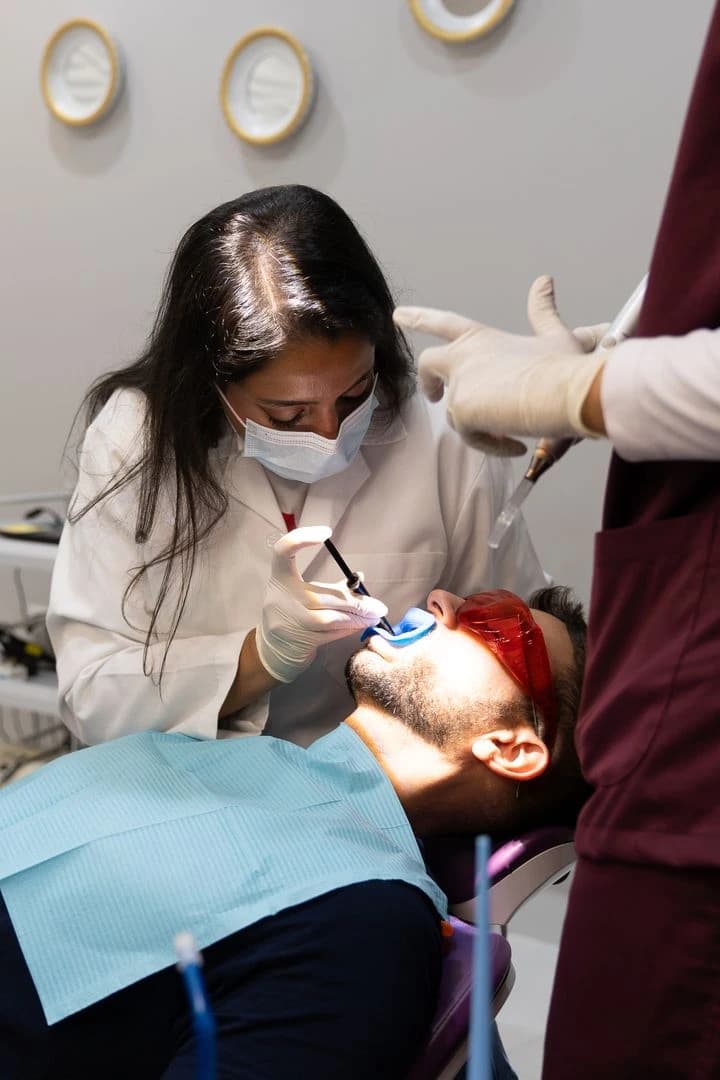
A severe toothache assessment identifies the source of intense, persistent, throbbing, spontaneous, biting, temperature-related, or night-time dental pain. Treatment depends on whether the problem involves decay, the dental pulp, a crack, infection, gums, a restoration, trauma, wisdom teeth, or referred pain from another area.
At Bourgeois Dental Clinic in Dubai, the assessment considers the pain location, onset, severity, duration, triggers, swelling, fever, previous treatment, medication, medical history, and whether urgent hospital care is required.
Pain intensity alone does not confirm the cause. A tooth that feels severely painful may require clinical testing and dental imaging before root-canal treatment, repair, extraction, or another treatment is selected.
Which Toothache Symptoms Need Prompt Assessment?
- Severe or increasing pain
- Spontaneous pain without eating or drinking
- Throbbing pain
- Pain waking the patient from sleep
- Prolonged sensitivity to hot or cold
- Pain when biting or releasing the bite
- Facial or gum swelling
- Pus or a persistent unpleasant taste
- Fever with worsening dental symptoms
- A broken or cracked tooth
- Pain following trauma
- Pain after a filling, crown, or other treatment that is worsening
What Happens During the Assessment?
- Pain history: Reviewing where the pain is felt, when it began, whether it spreads, and what triggers or relieves it.
- Medical review: Discussing health conditions, allergies, medication, pregnancy when relevant, and previous dental treatment.
- Dental examination: Checking decay, fractures, restorations, gums, impacted teeth, swelling, and bite contacts.
- Diagnostic tests: Assessing temperature response, biting tenderness, percussion, palpation, mobility, or vitality where appropriate.
- Imaging when indicated: Dental X-rays may be used to assess decay, roots, infection, bone, cracks, restorations, or wisdom teeth.
- Diagnosis and options: Discussing temporary care, filling, crown, root-canal treatment, gum care, extraction, or referral.
What Causes Severe Toothache?
Possible causes include:
- Deep dental decay
- Reversible or irreversible pulp inflammation
- Infection inside or around the root
- A dental abscess
- A cracked or fractured tooth
- A broken or leaking restoration
- Gum or periodontal infection
- An impacted wisdom tooth
- Trauma
- A high filling or crown
- Exposed dentine or root surfaces
- Referred pain from another tooth or nearby structure
What Does Throbbing Tooth Pain Mean?
Throbbing pain may be associated with inflammation or infection, but it does not establish the diagnosis by itself.
The dentist may need to determine whether the pain originates from:
- The dental pulp
- The tissues around the root
- The gums
- A crack
- A nearby tooth
- An impacted tooth
Why Does Toothache Become Worse at Night?
Some patients notice more pain at night because of lying down, reduced distraction, temperature changes, or progression of inflammation.
Night pain that is spontaneous, severe, or repeatedly interrupts sleep may suggest more advanced pulpal inflammation and requires assessment.
What Does Pain When Biting Mean?
Pain when biting may be associated with:
- A cracked tooth
- Inflammation around the root
- A high restoration
- A loose filling or crown
- Periodontal infection
- Trauma
- Food trapped around damaged dental work
The tooth should not be adjusted or extracted without confirming the cause.
What Does Prolonged Hot or Cold Sensitivity Mean?
Brief sensitivity may occur with exposed dentine, recession, or mild pulpal irritation. Sensitivity that lingers, intensifies, or occurs spontaneously may indicate deeper inflammation.
Testing and imaging help determine whether the tooth requires monitoring, a filling, protective treatment, root-canal treatment, or another procedure.
Can a Cracked Tooth Cause Severe Pain?
Yes. A crack may cause sharp pain when biting, pain when releasing pressure, sensitivity, or intermittent discomfort that is difficult to locate.
Treatment depends on:
- Crack location
- Depth
- Remaining tooth structure
- Pulp involvement
- Root involvement
- Gum and bone support
Possible options include bonding, an onlay, a crown, root-canal treatment, monitoring, or extraction.
Can Gum Disease Cause Toothache?
Yes. Gum or periodontal infection may cause pain, swelling, bleeding, pus, mobility, or discomfort when biting.
Treatment may involve professional cleaning, drainage, periodontal treatment, medication when clinically indicated, or extraction when the tooth has inadequate support.
Can Wisdom Teeth Cause Severe Pain?
Partially erupted or impacted wisdom teeth may develop:
- Inflammation around the gum
- Food trapping
- Decay
- Infection
- Pressure discomfort
- Damage to a neighbouring tooth
- Difficulty opening the mouth
Urgent management may include local cleaning, treatment of infection, symptom control, or extraction planning.
Can a Recent Filling or Crown Cause Pain?
Mild, improving sensitivity may occur after some procedures. Assessment is recommended when pain is severe, increasing, persistent, spontaneous, associated with swelling, or triggered by biting.
Possible causes include:
- A high contact
- Pulp inflammation
- A crack
- Bonding or cement-related sensitivity
- A loose restoration
- Infection
When Is Root-Canal Treatment Needed?
Root-canal treatment may be recommended when the pulp is irreversibly inflamed or infected and the tooth can be restored appropriately.
Treatment usually involves removing affected tissue, cleaning and shaping the canals, disinfecting the space, filling the canals, and restoring the tooth.
Visit emergency root-canal assessment for more information.
When Is a Filling Enough?
A filling may be suitable when decay or damage can be removed while the pulp remains healthy or capable of recovery and sufficient tooth structure remains.
A larger onlay or crown may be considered when the tooth has lost more structure or requires additional protection.
When Is Extraction Considered?
Extraction may be discussed when:
- The tooth cannot be restored appropriately
- A fracture extends deeply into the root
- There is inadequate periodontal support
- Infection cannot be controlled through restorative care
- The tooth creates another urgent clinical risk
Alternatives and replacement options should be discussed when circumstances allow.
Are Antibiotics Needed for Toothache?
Not for every toothache. Pain caused by pulp inflammation may require dental treatment rather than antibiotics.
Antibiotics may be considered when infection is spreading, swelling is increasing, systemic symptoms are present, or other clinical indications exist.
What Can I Do Before the Appointment?
- Keep the area gently clean
- Avoid chewing hard foods on the painful side
- Avoid placing aspirin, chemicals, or household substances on the tooth or gum
- Follow safe medication guidance from a pharmacist, physician, or product label
- Seek urgent care if swelling, fever, breathing, or swallowing symptoms develop
Can Toothache Stop Without Treatment?
Pain may temporarily reduce even when the underlying condition remains. For example, a severely inflamed pulp may lose vitality while infection continues around the root.
Improvement in pain does not always mean the tooth has healed.
What Are the Risks and Limitations?
- The painful tooth may be difficult to identify without testing
- More than one tooth may contribute
- Pain may continue after emergency treatment
- Root-canal treatment may require several stages
- Some teeth cannot be restored
- Cracks may extend farther than initially visible
- Swelling may require referral or hospital care
- No treatment outcome can be guaranteed before diagnosis
When Is Hospital Care Required?
Seek urgent medical care for difficulty breathing or swallowing, rapidly spreading facial or neck swelling, swelling near the eye, severe weakness, confusion, major trauma, uncontrolled bleeding, or significant deterioration.
Severe Toothache Assessment on Sheikh Zayed Road
Bourgeois Dental Clinic is located on the first floor of Indigo Sky Building, Sheikh Zayed Road, Exit 41, near Al Thanya Street in Dubai. The clinic is accessible from Al Barsha, Umm Al Sheif, Umm Suqeim, Jumeirah, Al Quoz, Barsha Heights, The Greens, Dubai Marina, and nearby communities.
Book a severe toothache assessment for spontaneous, throbbing, night-time, biting, temperature-related, or persistent dental pain, with or without swelling or a damaged restoration.
Department
Dental Emergencies & Urgent Dental Care
FAQ
Frequently Asked Questions
BOOK AN
Appointment
Working Hours
We are here to serve you