


Adult Orthodontics
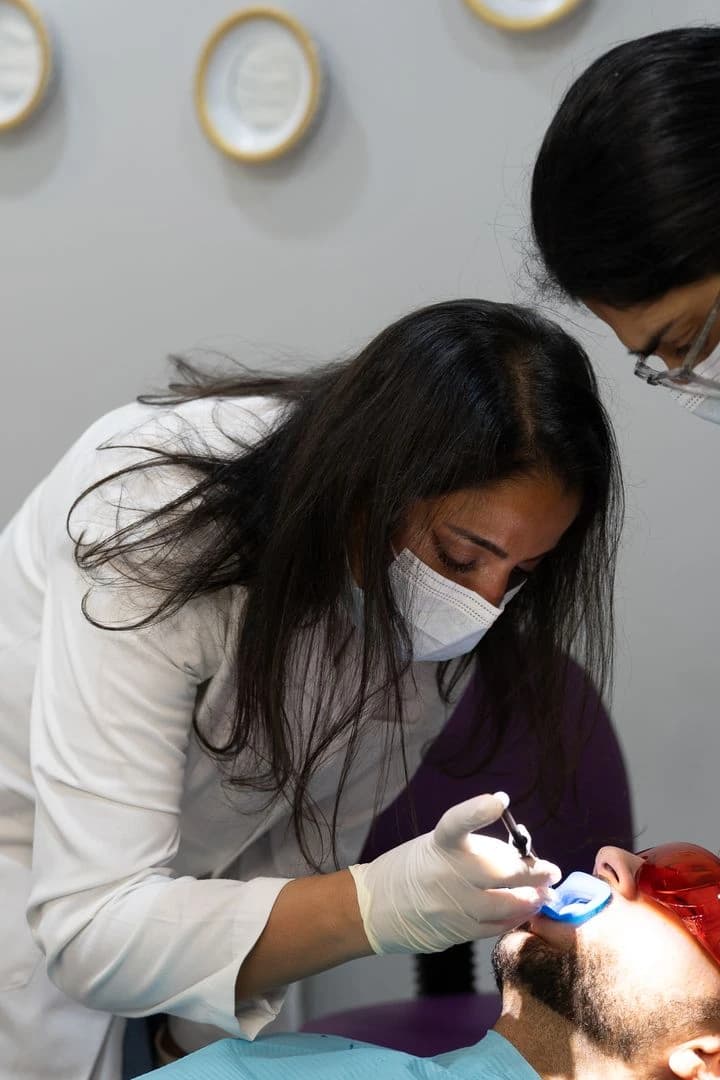
Adult orthodontics moves teeth gradually to improve alignment, selected bite relationships, cleaning access, restorative space, and smile appearance. Adults may begin orthodontic treatment at different ages when their teeth, gums, supporting bone, and general dental health are suitable for controlled movement.
At Bourgeois Dental Clinic in Dubai, adult orthodontic planning considers previous dental treatment, gum health, missing teeth, crowns, bridges, implants, root-treated teeth, tooth wear, facial balance, lifestyle, and long-term retention.
Who May Benefit From Adult Orthodontics?
- Adults with crowded or overlapping teeth
- Patients with gaps between teeth
- Teeth that have shifted after previous braces
- Protruding or rotated teeth
- Selected overbite, underbite, crossbite, or open-bite concerns
- Teeth that are difficult to brush or floss
- Patients preparing for veneers, bonding, crowns, bridges, or implants
- Adults with a broken, lost, or poorly fitting retainer
- Patients seeking a more discreet orthodontic option
Is There an Age Limit for Orthodontic Treatment?
There is no single upper age limit. Suitability depends more on periodontal health, bone support, tooth condition, medical history, and the movements required than on age alone.
Active gum disease, uncontrolled decay, infection, or teeth with an uncertain prognosis generally require treatment before orthodontic movement begins.
What Happens During an Adult Orthodontic Assessment?
- Goal review: Discussing alignment, bite, appearance, cleaning, comfort, and previous treatment.
- Dental examination: Assessing crowding, spacing, rotations, wear, restorations, and missing teeth.
- Periodontal assessment: Reviewing gum inflammation, recession, bone support, and mobility.
- Bite and jaw review: Evaluating how the upper and lower teeth meet and whether the concern is dental, skeletal, or combined.
- Records: Photographs, digital scans, impressions, and imaging may be recommended when clinically appropriate.
- Restorative coordination: Planning orthodontics around implants, crowns, bridges, veneers, or other dental treatment.
- Retention planning: Discussing how the final tooth positions will be maintained.
Which Orthodontic Options Are Available for Adults?
- Clear aligners
- Invisible aligners
- Metal braces
- Ceramic braces
- Limited orthodontic treatment in selected cases
- Combined orthodontic and restorative treatment
- Orthodontic retainers after active treatment
The recommended option depends on treatment predictability, bite correction, oral health, appearance preferences, daily routine, and patient cooperation.
Are Clear Aligners Suitable for Adults?
Clear aligners may suit adults seeking a removable and less visible treatment option. They can be considered for selected crowding, spacing, rotations, relapse, and bite concerns.
They require consistent daily wear. Inadequate wear can delay treatment, affect tray fit, and reduce the predictability of tooth movement.
When May Fixed Braces Be Recommended?
Fixed braces may offer useful control for complex rotations, larger movements, selected bite corrections, teeth requiring continuous guidance, or patients who may find removable treatment difficult to manage consistently.
Metal and ceramic braces work through brackets and wires but differ mainly in visibility, material, handling, and suitability for the planned bite.
Can Adults With Gum Recession Have Orthodontics?
Possibly, but gum recession and bone support require careful assessment. Treatment may need periodontal stabilisation, modified tooth-movement goals, slower movement, or coordination with gum treatment.
Orthodontics cannot restore lost gum or bone by itself, and unsuitable movement may increase recession risk.
Can Adults With Dental Implants Have Orthodontics?
Yes, in selected cases. Natural teeth can move orthodontically, but osseointegrated implants generally do not move like natural teeth.
Implant position may therefore influence the treatment sequence. In some plans, orthodontics is completed before implant placement to create suitable space and alignment.
Can Teeth With Crowns or Root Canal Treatment Be Moved?
They may be moved when the roots, supporting tissues, restorations, and overall prognosis are suitable.
Crowns may affect attachment or bracket bonding, while root-treated teeth may require imaging and monitoring according to their clinical history.
Can Orthodontics Help Before Cosmetic Dentistry?
Yes. Tooth movement may be planned before:
- Composite bonding
- Porcelain veneers
- Dental crowns
- Bridges
- Dental implants
- Teeth whitening
Aligning teeth first may improve restorative space and reduce the amount of tooth preparation required in selected cases.
Will Adults Need Teeth Extracted?
Not always. Extraction may be considered for severe crowding, protrusion, damaged teeth, selected bite corrections, facial balance, or long-term stability when non-extraction treatment is unlikely to provide a suitable result.
The decision should be based on diagnostic records rather than a general rule.
How Long Does Adult Orthodontic Treatment Take?
Treatment duration depends on:
- The complexity of alignment and bite correction
- The appliance selected
- Periodontal and restorative needs
- Biological response to tooth movement
- Appointment attendance
- Aligner or elastic wear
- Broken appliances or lost trays
- Need for refinement or additional treatment
Estimated timing may change as treatment progresses.
What Are the Risks and Limitations?
- Temporary soreness and tissue irritation
- Gum inflammation when cleaning is inadequate
- Enamel marks or decay around poorly cleaned appliances
- Gum recession in susceptible areas
- Root shortening in some teeth
- Changes in tooth vitality in uncommon cases
- Unplanned or incomplete movement
- Need for periodontal, restorative, or endodontic treatment
- Longer treatment than initially estimated
- Relapse without appropriate retention
Why Is Oral Hygiene Especially Important?
Adults may already have crowns, fillings, bridges, gum recession, or periodontal history. Brackets and aligner attachments can retain plaque, increasing the importance of careful brushing, interdental cleaning, professional maintenance, and dietary control.
Why Are Retainers Required?
Teeth can shift after treatment because bone, gums, muscles, bite forces, habits, and ageing continue to change.
Retainers are therefore generally recommended after active treatment, often with a long-term wear plan.
Adult Orthodontics on Sheikh Zayed Road
Bourgeois Dental Clinic is located on the first floor of Indigo Sky Building, Sheikh Zayed Road, Exit 41, near Al Thanya Street in Dubai. The clinic is accessible from Al Barsha, Umm Al Sheif, Umm Suqeim, Jumeirah, Al Quoz, Barsha Heights, The Greens, Dubai Marina, and nearby communities.
Book an adult orthodontic consultation to discuss braces, clear aligners, crowding, gaps, bite correction, relapse, retainers, or orthodontic preparation before cosmetic and restorative dentistry.
Department
Orthodontics, Braces & Clear Aligners
FAQ
Frequently Asked Questions
BOOK AN
Appointment
Working Hours
We are here to serve you