


Orthodontic Retainers
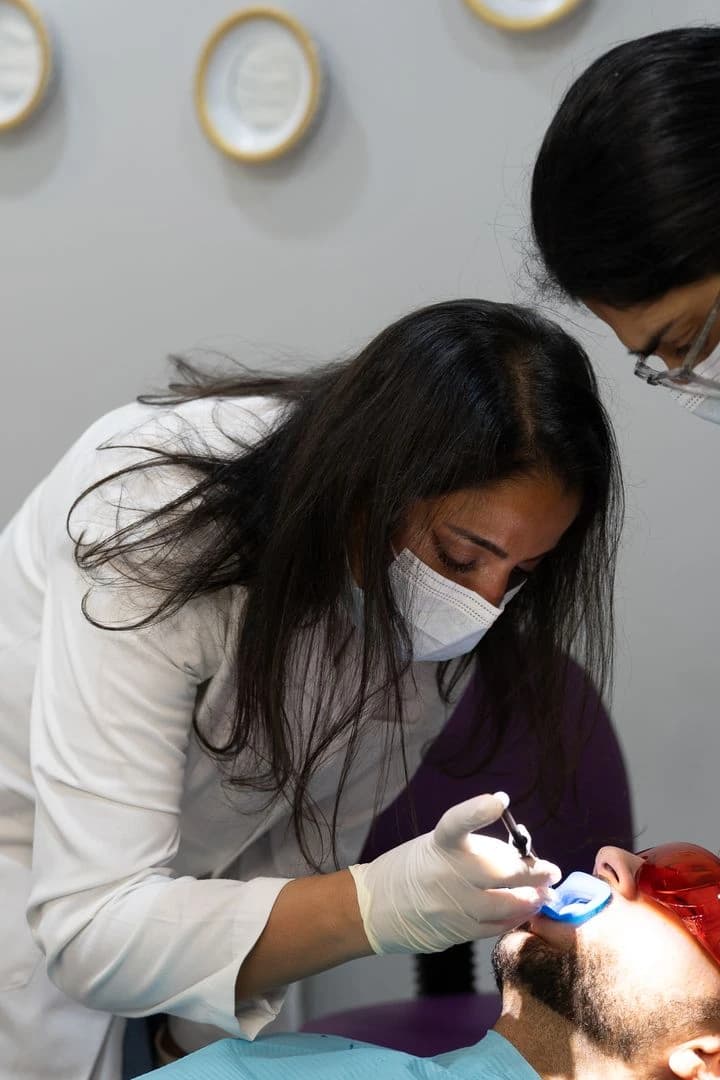
Orthodontic retainers help maintain tooth positions after braces or clear-aligner treatment. Teeth can shift because the gums, bone, muscles, bite forces, habits, growth, and ageing continue to change after active orthodontic movement has ended.
At Bourgeois Dental Clinic in Dubai, the retainer type and wear schedule are selected according to the original tooth positions, treatment completed, bite, relapse risk, gum health, oral hygiene, restorations, and patient routine.
Why Are Retainers Necessary?
After active orthodontic treatment, the tissues surrounding the teeth need time to adapt. Even after this period, teeth can continue to move throughout life.
Retainers may help reduce:
- Return of crowded or rotated teeth
- Reopening of spaces
- Changes in overbite or open bite
- Movement of front teeth
- Relapse after clear-aligner treatment
- Changes before planned cosmetic or restorative care
Retainers reduce relapse risk but cannot guarantee that teeth will never move.
What Types of Orthodontic Retainers Are Available?
Clear Removable Retainers
Clear retainers are transparent trays made to fit over the teeth. They are removable and generally less noticeable when worn.
Wire and Acrylic Removable Retainers
These retainers usually include an acrylic section and a wire that passes across selected teeth. They can be removed for cleaning and may allow selected adjustments.
Fixed Bonded Retainers
A fixed retainer uses a thin wire bonded to the inner surfaces of selected teeth. It remains in place continuously but requires careful cleaning and regular monitoring.
Which Retainer Is Best?
No single retainer is best for every patient. Selection depends on:
- The teeth most likely to relapse
- The original crowding or spacing
- The final bite
- Gum and bone health
- Existing crowns, veneers, bonding, or restorations
- Oral hygiene
- Grinding or clenching habits
- Patient cooperation
- Risk of losing a removable retainer
Some patients may use both a fixed and removable retainer.
How Long Should Retainers Be Worn?
The wear schedule depends on the treatment and relapse risk. Removable retainers may initially be worn more frequently before progressing to a long-term schedule.
Long-term or lifelong part-time retention is commonly recommended because tooth movement can continue with ageing. Patients should follow their personalised instructions rather than using a general schedule.
What Happens if Retainers Are Not Worn?
Teeth may begin to move, and the retainer may become tight or stop fitting. The amount and speed of relapse vary between patients.
Do not force a retainer that no longer fits fully, as excessive pressure may damage the appliance, teeth, gums, or restorations. Arrange an assessment promptly.
What Does a Tight Retainer Mean?
A retainer may feel tight because of minor tooth movement, swelling, distortion, dental treatment, or inconsistent wear.
A mildly tight retainer should still be assessed if the pressure persists. A retainer that cannot seat fully or causes significant pain should not be forced.
How Should Clear Retainers Be Cleaned?
- Rinse them after removal
- Clean them gently using the recommended method
- Avoid very hot water
- Store them in a ventilated protective case
- Do not wrap them in tissue
- Keep them away from pets and heat
- Brush and floss before reinserting them when possible
Harsh chemicals, boiling water, or aggressive brushing may scratch or distort the material.
How Is a Fixed Retainer Cleaned?
Fixed retainers require careful brushing along the wire and gumline. Floss threaders, interdental brushes, or other recommended tools may be needed to clean beneath and around the wire.
Plaque accumulation may increase the risk of gum inflammation, tartar, decay, unpleasant breath, and periodontal problems.
Can Retainers Break or Become Loose?
Yes. Clear retainers can crack, split, wear through, distort, or become loose. Fixed retainers can detach from one or more teeth, bend, or break.
A partly detached fixed retainer may allow unwanted tooth movement while still appearing connected. It should be assessed promptly.
What Should You Do if a Retainer Breaks?
- Stop using it if it has sharp or dangerous edges
- Do not repair it with household glue
- Keep all pieces when safe to do so
- Contact the clinic promptly
- Bring the broken retainer to the appointment
- Do not force a distorted retainer over the teeth
Visit orthodontic emergency care for a broken, lost, painful, or poorly fitting retainer.
Can a Retainer Be Repaired?
Some retainers may be repaired, while others require replacement. The decision depends on the type, location of damage, fit, hygiene, tooth movement, and material condition.
New scans or impressions may be required before replacement.
When Should a Retainer Be Replaced?
Replacement may be considered when the retainer:
- Is cracked or broken
- Has become distorted
- No longer fits correctly
- Has worn through
- Has become excessively loose
- Has persistent odour or surface damage despite cleaning
- Was made before significant dental treatment
- Has been lost
Can Dental Treatment Affect Retainer Fit?
Yes. Fillings, crowns, veneers, bonding, implants, extractions, or other treatment may alter tooth shape or contact and affect how a retainer fits.
Patients should bring their retainer when restorative treatment is planned so replacement or adjustment can be coordinated.
Can Retainers Act as Night Guards?
Standard orthodontic retainers are designed primarily to maintain tooth position. They are not automatically suitable for managing heavy grinding or clenching.
Patients with significant wear, jaw-muscle symptoms, or repeated retainer damage may need a separate assessment and appliance design.
What Are the Risks and Limitations?
- Tooth movement despite retainer use
- Cracking, distortion, or loss
- Gum irritation
- Plaque and tartar around fixed retainers
- Decay or gum inflammation with poor cleaning
- Wire detachment or bending
- Changes in fit after dental treatment
- Need for periodic replacement
- Incomplete correction of established relapse
- Need for additional orthodontic treatment
When Is Prompt Assessment Recommended?
Arrange a review when the retainer is lost, broken, painful, sharp, distorted, loose, detached, no longer seats fully, or when visible tooth movement has begun.
Orthodontic Retainers on Sheikh Zayed Road
Bourgeois Dental Clinic is located on the first floor of Indigo Sky Building, Sheikh Zayed Road, Exit 41, near Al Thanya Street in Dubai. The clinic is accessible from Al Barsha, Umm Al Sheif, Umm Suqeim, Jumeirah, Al Quoz, Barsha Heights, The Greens, Dubai Marina, and nearby communities.
Book a retainer assessment for a new removable or fixed retainer, retainer replacement, poor fit, orthodontic relapse, a detached wire, or long-term retention planning.
Department
Orthodontics, Braces & Clear Aligners
FAQ
Frequently Asked Questions
BOOK AN
Appointment
Working Hours
We are here to serve you