


Broken Retainer and Orthodontic Emergency Care
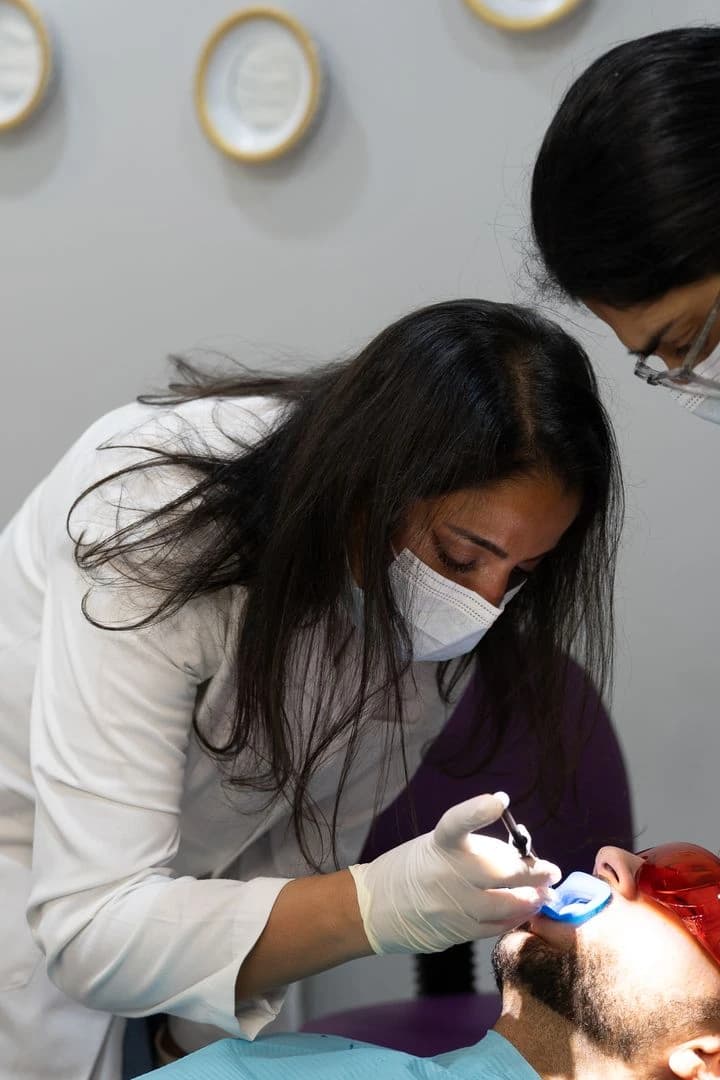
Orthodontic emergency care assesses broken, loose, painful, or damaged appliances and determines whether immediate repair, temporary protection, replacement, or another treatment is required. Many appliance problems are uncomfortable rather than medically dangerous, but dental trauma, spreading infection, uncontrolled bleeding, or breathing and swallowing difficulty require urgent attention.
At Bourgeois Dental Clinic in Dubai, emergency assessment may include braces, wires, brackets, clear aligners, fixed retainers, removable retainers, elastics, attachments, and other orthodontic components.
What Counts as an Orthodontic Emergency?
- A broken or lost retainer
- A fixed retainer that has detached or bent
- A loose or broken bracket
- A wire cutting the cheek, tongue, or gum
- A displaced wire
- A broken orthodontic appliance
- A cracked, distorted, or lost clear aligner
- An attachment that has fallen off
- Severe or worsening orthodontic pain
- Facial or gum swelling
- Dental trauma during treatment
- Uncontrolled bleeding
- An appliance affecting breathing or swallowing
What Should You Do if a Retainer Breaks?
- Stop using it if it has sharp or unstable pieces
- Do not repair it with household glue
- Keep the retainer and all pieces
- Store it safely in its case
- Contact the clinic promptly
- Do not force a distorted retainer over the teeth
A replacement may require a new scan or impression. Delaying assessment may allow the teeth to move.
What if a Fixed Retainer Becomes Loose?
A fixed retainer may detach from one tooth while remaining bonded to others. This can allow individual teeth to move or may create a sharp edge.
Do not pull the wire away from the teeth. Arrange an assessment to determine whether it should be rebonded, repaired, removed, or replaced.
What Should You Do if a Bracket Is Loose?
A loose bracket may remain attached to the wire and move along it. Avoid repeatedly turning or pulling it.
Orthodontic wax may provide temporary protection when recommended. The urgency depends on discomfort, injury risk, tooth movement, and treatment stage.
What Should You Do About a Poking Wire?
A wire may become prominent after tooth movement or may shift after a bracket breaks. Orthodontic wax can sometimes protect the tissue temporarily.
Do not attempt major wire cutting or appliance adjustment unless specifically instructed. A wire embedded in tissue, causing significant injury, or affecting swallowing requires prompt care.
What if an Aligner Is Lost or Cracked?
Contact the clinic before skipping stages or forcing the next aligner.
The appropriate action may involve:
- Continuing the current tray when usable
- Temporarily returning to the previous tray
- Advancing to the next tray when clinically appropriate
- Replacing the lost or damaged aligner
- Taking new scans for refinement
- Reviewing tooth movement and attachment position
What if an Aligner Does Not Fit?
Poor fit may result from insufficient wear, unexpected tooth movement, attachment loss, tray distortion, or progression to a new stage too early.
Do not bite forcefully on a severely distorted tray or continue changing trays without advice. An assessment can determine whether additional wear, replacement, or new records are needed.
What if an Orthodontic Attachment Falls Off?
A missing attachment may affect selected tooth movements. It is not always a same-day emergency, but the clinic should be informed so the treatment stage and need for replacement can be assessed.
Is Tooth Tenderness After Adjustment Normal?
Temporary pressure and tenderness can occur after braces are adjusted, elastics are changed, or a new aligner is started.
Assessment is recommended for severe pain, pain that continues to worsen, swelling, fever, dental trauma, a cracked tooth, or pain localised to one tooth that does not follow the expected pattern.
What if the Cheek or Lip Is Irritated?
Minor irritation may occur while tissues adapt to brackets or wires. Orthodontic wax and suitable mouth care may help temporarily.
Deep cuts, persistent bleeding, significant swelling, pus, fever, or an embedded appliance require examination.
What if a Tooth Is Injured While Wearing Braces?
Dental trauma should be assessed promptly, even when the braces appear intact. The dentist may evaluate tooth mobility, displacement, fracture, gum injury, bleeding, sensation, and the orthodontic appliance.
Do not attempt to reposition a severely displaced tooth or appliance without professional instructions.
When Is Facial Swelling an Emergency?
Facial swelling may indicate dental infection, gum infection, trauma, or an allergic reaction rather than a routine orthodontic problem.
Urgent medical care is required for:
- Difficulty breathing
- Difficulty swallowing or inability to swallow saliva
- Rapidly spreading facial or neck swelling
- Swelling around the eye
- High fever with worsening symptoms
- Confusion, faintness, or severe weakness
- A severe allergic reaction
What Should You Do About Bleeding?
Minor bleeding from irritated gum or cheek tissue may improve with gentle pressure and removal of the source of irritation when safe.
Heavy bleeding, bleeding that does not improve with pressure, dizziness, weakness, or bleeding after significant trauma requires urgent assessment.
Can Orthodontic Treatment Continue After an Emergency?
Often yes. The appliance may be repaired or replaced, and treatment may continue after the teeth, gums, and surrounding tissues are assessed.
Dental trauma, infection, significant tooth movement, or appliance damage may require temporary changes to the orthodontic plan.
How Can Orthodontic Emergencies Be Reduced?
- Avoid very hard and sticky foods with fixed braces
- Do not chew ice, pens, or objects
- Wear aligners and elastics as instructed
- Store removable appliances in a protective case
- Maintain careful oral hygiene
- Attend scheduled appointments
- Use suitable sports protection when recommended
- Report damaged appliances before the problem worsens
What Are the Risks of Delaying Treatment?
- Unwanted tooth movement
- Loss of retainer fit
- Soft-tissue injury
- Delayed orthodontic progress
- Increased discomfort
- Breakage of additional components
- Gum inflammation or infection
- Need for replacement records or appliances
- Relapse requiring additional orthodontic treatment
Orthodontic Emergency Care on Sheikh Zayed Road
Bourgeois Dental Clinic is located on the first floor of Indigo Sky Building, Sheikh Zayed Road, Exit 41, near Al Thanya Street in Dubai. The clinic is accessible from Al Barsha, Umm Al Sheif, Umm Suqeim, Jumeirah, Al Quoz, Barsha Heights, The Greens, Dubai Marina, and nearby communities.
Book an orthodontic emergency assessment for a broken retainer, loose bracket, poking wire, damaged aligner, appliance-related injury, severe pain, swelling, or dental trauma during treatment.
Department
Orthodontics, Braces & Clear Aligners
FAQ
Frequently Asked Questions
BOOK AN
Appointment
Working Hours
We are here to serve you