


Ceramic Braces
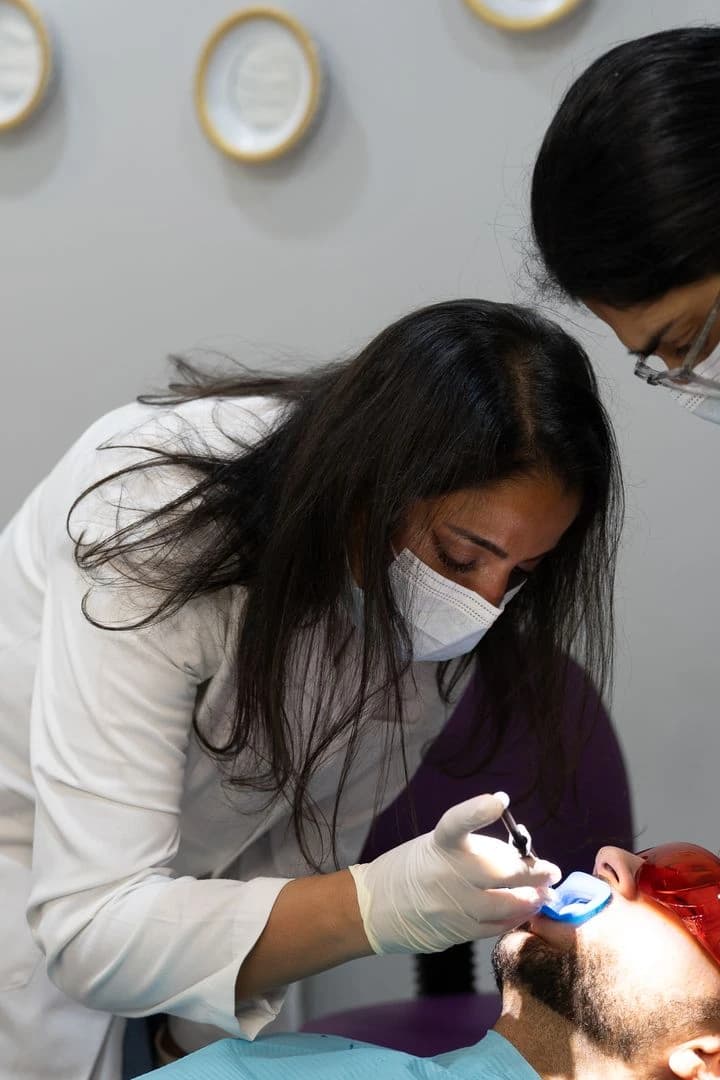
Ceramic braces are fixed orthodontic appliances that use tooth-coloured or translucent brackets to move teeth gradually while appearing less noticeable than conventional metal braces. They work through brackets and orthodontic wires and may be considered for selected crowding, spacing, rotations, protrusion, relapse, and bite concerns.
At Bourgeois Dental Clinic in Dubai, suitability for ceramic braces depends on the required tooth movement, bite relationship, teeth involved, gum and bone health, oral hygiene, lifestyle, and the risk of bracket damage or unwanted contact with opposing teeth.
What Can Ceramic Braces Treat?
- Crowded or overlapping teeth
- Rotated teeth
- Gaps between teeth
- Protruding front teeth
- Selected deep-bite concerns
- Selected crossbite or open-bite concerns
- Relapse after previous orthodontic treatment
- Alignment before cosmetic or restorative dentistry
The final treatment option depends on whether the concern is dental, skeletal, functional, or a combination of factors.
How Do Ceramic Braces Work?
Ceramic brackets are bonded to selected teeth and connected by an orthodontic wire. The wire and additional components apply controlled forces that guide teeth toward planned positions.
Treatment may also involve:
- Elastic modules or ligatures
- Orthodontic elastics
- Coil springs
- Power chains
- Bite-opening components
- Other auxiliaries when clinically appropriate
What Happens Before Ceramic Braces Are Fitted?
- Orthodontic assessment: Reviewing alignment, bite, jaw relationships, and treatment goals.
- Dental-health assessment: Checking for decay, gum inflammation, infection, and failing restorations.
- Diagnostic records: Photographs, scans, impressions, and imaging may be completed when required.
- Treatment planning: Determining tooth movements, expected phases, possible extractions, and retention.
- Oral-hygiene preparation: Confirming the patient can clean effectively around brackets and wires.
How Are Ceramic Braces Fitted?
- The teeth are cleaned and prepared.
- Ceramic brackets are bonded to selected teeth.
- An orthodontic wire is placed through the brackets.
- The wire is secured using the planned components.
- Any required auxiliaries are added.
- Cleaning, diet, discomfort, and emergency instructions are explained.
What Is the Difference Between Ceramic and Metal Braces?
- Ceramic braces: Use tooth-coloured or translucent brackets that are generally less visible.
- Metal braces: Use metal brackets that are more noticeable but durable and suitable for a wide range of movements.
Both systems use fixed brackets and wires. Ceramic brackets may require more careful handling, and suitability can be affected by the bite and the location of the brackets.
Are Ceramic Braces Invisible?
No. They are less noticeable than metal braces, but the brackets, wire, elastics, and attachments may still be visible.
Some components can stain or change appearance depending on diet, smoking, oral hygiene, and the materials selected.
Are Ceramic Braces Suitable for Adults?
Yes. They may suit adults seeking fixed orthodontic treatment with a more discreet appearance.
Adult orthodontic planning should also consider crowns, bridges, implants, gum recession, missing teeth, and previous dental treatment.
Can Teenagers Use Ceramic Braces?
They may be considered for selected teenagers who can maintain good oral hygiene and follow food and appliance-care instructions.
Suitability depends on bite contacts, risk of breakage, the teeth being treated, and the planned movement.
Can Ceramic Brackets Damage Opposing Teeth?
Ceramic is harder than natural enamel. In some bite relationships, a ceramic bracket may contact an opposing tooth and increase wear risk.
The dentist assesses the bite before recommending ceramic brackets and may modify bracket placement, use another material, or recommend metal braces in selected areas.
Do Ceramic Braces Stain?
The ceramic brackets themselves may resist staining, but elastic ties and surrounding plaque can discolour.
Smoking, strongly coloured foods and drinks, and inadequate cleaning may affect appearance. Regular hygiene and component replacement help maintain a cleaner look.
What Foods Should Be Avoided?
- Very hard foods
- Sticky sweets
- Chewing ice
- Hard nuts
- Biting directly into hard foods
- Chewing pens or objects
- Foods that repeatedly break brackets or bend wires
Many foods can be cut into smaller pieces and chewed carefully.
How Should Ceramic Braces Be Cleaned?
- Brush carefully around brackets, wires, and gumlines
- Use suitable interdental brushes or flossing aids
- Follow fluoride recommendations
- Clean after meals when practical
- Limit frequent sugary or acidic snacks
- Attend professional cleaning when recommended
Poor cleaning may cause gum inflammation, cavities, enamel marks, unpleasant breath, and treatment delays.
What Happens if a Ceramic Bracket Breaks?
A broken or loose bracket should be assessed. Avoid moving it repeatedly or attempting major repairs at home.
Contact orthodontic emergency care if the bracket or wire is causing injury, significant discomfort, or swallowing concerns.
How Long Does Treatment Take?
Duration depends on:
- The number and complexity of movements
- The bite correction required
- Appointment attendance
- Elastic wear
- Broken brackets or wires
- Oral hygiene
- Biological response
- Need for additional treatment
Estimated timing may change as treatment progresses.
What Are the Risks and Limitations?
- Temporary soreness or irritation
- Gum inflammation
- Enamel marks or decay with poor hygiene
- Bracket breakage
- Discolouration of elastic components
- Wear of opposing teeth in unsuitable bite relationships
- Gum recession in susceptible areas
- Root shortening in some teeth
- Longer treatment than estimated
- Relapse without retainers
Why Are Retainers Needed?
After the braces are removed, retainers help maintain the corrected tooth positions while the surrounding tissues adapt.
Long-term retainer wear is commonly recommended because teeth can continue to shift.
Ceramic Braces on Sheikh Zayed Road
Bourgeois Dental Clinic is located on the first floor of Indigo Sky Building, Sheikh Zayed Road, Exit 41, near Al Thanya Street in Dubai. The clinic is accessible from Al Barsha, Umm Al Sheif, Umm Suqeim, Jumeirah, Al Quoz, Barsha Heights, The Greens, Dubai Marina, and nearby communities.
Book a ceramic-braces consultation to discuss a less visible fixed option for crowded teeth, gaps, rotations, bite concerns, or orthodontic relapse.
Department
Orthodontics, Braces & Clear Aligners
FAQ
Frequently Asked Questions
BOOK AN
Appointment
Working Hours
We are here to serve you