


Implant-Supported Dentures
- 3Specialists
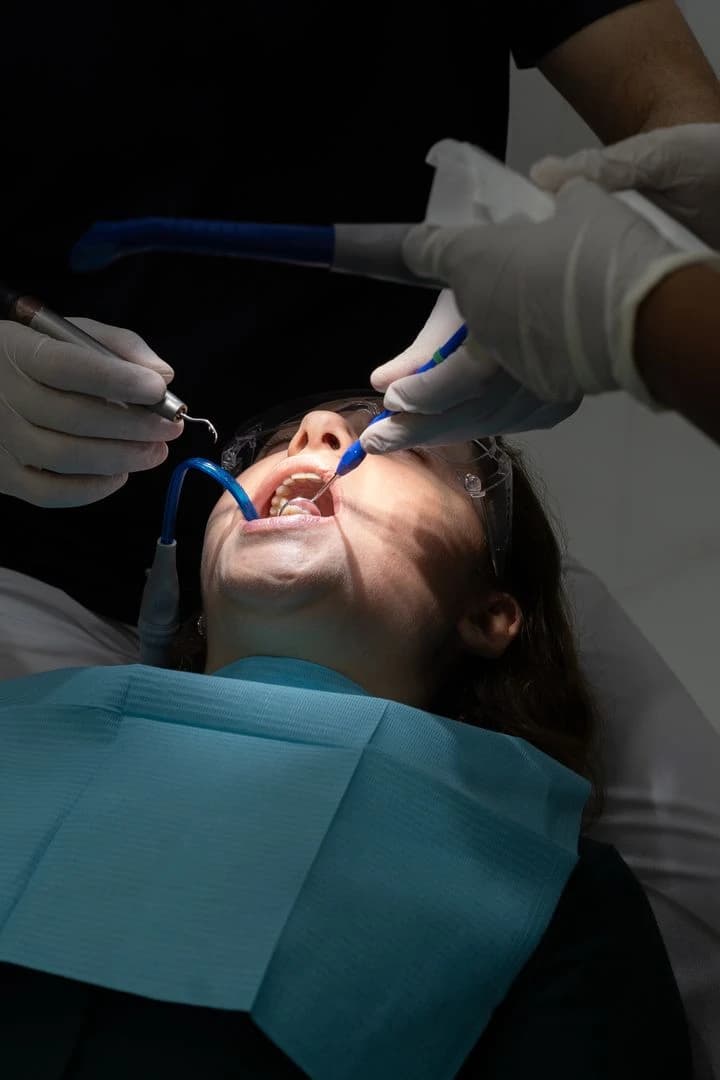
Implant-supported dentures use dental implants to improve the support, retention, or stability of a removable denture. They may be considered for suitable patients who have lost all or most teeth in one jaw and find conventional dentures loose, unstable, or difficult to use.
At Bourgeois Dental Clinic in Dubai, suitability is based on medical history, bone quantity and quality, gum health, smoking, bite forces, available restorative space, implant position, oral hygiene, previous treatment, and the patient’s ability to attend long-term maintenance.
What Is an Implant-Supported Denture?
An implant-supported denture connects to dental implants through selected attachment components. The appliance remains removable by the patient for cleaning unless a different fixed restoration is planned.
The implants may help:
- Reduce denture movement
- Improve retention
- Support chewing
- Increase confidence during speaking
- Reduce reliance on denture adhesive
- Improve stability of selected lower dentures
- Distribute some functional forces through the implants
Implants do not make the denture identical to natural teeth and do not eliminate all movement or maintenance.
Who May Benefit?
Assessment may be appropriate for patients who:
- Have complete tooth loss in one or both jaws
- Have an unstable conventional denture
- Experience repeated denture movement while eating
- Use large amounts of denture adhesive
- Have difficulty adapting to a lower complete denture
- Want a removable treatment with additional implant retention
- Have suitable medical health and bone
- Can maintain implants and attachment components
How Is It Different From a Conventional Denture?
- Conventional denture: Rests mainly on the gums and supporting oral tissues.
- Implant-supported denture: Uses dental implants and attachments to improve retention or support.
Both remain removable in this treatment category, although the implant-supported option may feel more stable in suitable cases.
How Is It Different From a Fixed Full-Arch Restoration?
- Implant-supported removable denture: The patient removes it for daily cleaning.
- Fixed full-arch restoration: Secured to implants and generally removed only by a dental professional when required.
The two options have different implant requirements, restorative space, hygiene access, costs, materials, maintenance needs, and possible complications.
What Happens During the Assessment?
- Medical-history review: Assessing medical conditions, medication, smoking, healing risks, allergies, and previous surgery.
- Oral examination: Checking gums, existing dentures, remaining teeth, jaw anatomy, oral hygiene, and soft tissues.
- Bone assessment: Evaluating available bone and the possible need for additional procedures.
- Imaging when indicated: Three-dimensional imaging may be recommended when clinically justified for implant planning.
- Bite and space assessment: Reviewing jaw relationships, chewing forces, denture thickness, attachment space, and appearance.
- Maintenance assessment: Discussing cleaning, attachment wear, reviews, and future repairs.
- Option comparison: Comparing conventional dentures, implant-supported removable dentures, and fixed implant-supported alternatives.
How Many Implants Are Needed?
The number of implants depends on the jaw, bone, denture design, attachment system, bite, medical factors, and treatment objective.
A specific number should not be selected without clinical and imaging assessment. Additional implants do not automatically guarantee a complication-free result.
What Is the Treatment Process?
- Dental and medical assessment
- Control of active gum disease, infection, or decay
- Imaging and restorative planning when indicated
- Implant placement
- Healing and implant-integration period when required
- Assessment of implant stability
- Fabrication or modification of the denture
- Connection of the attachment components
- Bite, retention, pressure, and hygiene checks
- Regular maintenance visits
Can an Existing Denture Be Converted?
Some existing dentures can be modified to connect to implants when their material, fit, bite, strength, tooth position, and restorative space remain suitable.
A worn, damaged, poorly fitting, or weak denture may require replacement rather than conversion.
Can Immediate Dentures Be Used During Healing?
An immediate or temporary denture may be used during extraction healing, grafting, implant placement, or implant integration.
It may require adjustment or lining to prevent excessive pressure on surgical areas.
Will the Denture Still Move?
Some movement may remain depending on the design, number and position of implants, attachment wear, gum support, bite, and fit.
Implant support can improve stability, but it does not guarantee a completely fixed feeling.
Can Implant-Supported Dentures Improve Chewing?
They may improve chewing stability compared with a loose conventional denture, especially in selected lower-jaw cases.
Chewing efficiency still depends on the denture design, bite, muscle control, food type, implant distribution, and adaptation.
How Are Implant-Supported Dentures Cleaned?
- Remove the denture as instructed
- Brush the denture with suitable products
- Clean around every implant and attachment
- Use interdental brushes or other recommended tools
- Remove plaque from the gums and tongue
- Clean attachment recesses carefully
- Avoid damaging components with inappropriate tools
- Attend professional maintenance visits
Poor hygiene may contribute to gum inflammation, implant-support loss, unpleasant breath, attachment problems, and treatment failure.
Do the Attachments Wear Out?
Yes. Retentive components may wear and require adjustment or replacement over time.
Signs of wear may include:
- Reduced retention
- Increased denture movement
- Clicking
- Difficulty seating the denture
- Uneven attachment engagement
- Damage to attachment housings
Can the Denture Be Relined?
Relining may be possible when the gums and supporting tissues change, but the process must account for the implants and attachment positions.
Professional assessment is required to avoid altering attachment fit or creating excessive implant pressure.
How Long Do Implant-Supported Dentures Last?
The implants, attachment components, and denture have different maintenance and replacement cycles.
Longevity depends on:
- Medical health
- Smoking and other risk factors
- Bone and gum health
- Implant position
- Oral hygiene
- Bite forces
- Grinding or clenching
- Attachment wear
- Denture material and design
- Regular professional maintenance
No implant or prosthetic treatment can be guaranteed to last permanently.
What Are the Alternatives?
- Conventional complete dentures
- Relining or replacing an existing denture
- Fixed implant-supported full-arch treatment when appropriate
- Preservation of selected natural teeth when clinically suitable
- Staged treatment using a temporary denture
What Are the Risks and Limitations?
- Surgical discomfort, swelling, or bleeding
- Infection
- Failure of an implant to integrate
- Bone or gum loss around an implant
- Nerve or sinus-related complications depending on implant location
- Attachment wear or fracture
- Denture fracture
- Need for relining, repair, or replacement
- Continued movement in selected designs
- Difficulty cleaning
- Need for additional surgical or restorative procedures
- Need for long-term maintenance
When Is Prompt Assessment Needed?
Arrange prompt review for increasing pain, swelling, pus, bleeding around an implant, sudden loss of retention, a loose implant component, a fractured denture, difficulty seating the appliance, or a change in the bite.
Difficulty breathing or swallowing, rapidly spreading facial or neck swelling, uncontrolled bleeding, severe weakness, or significant deterioration requires urgent medical care.
Implant-Supported Dentures on Sheikh Zayed Road
Bourgeois Dental Clinic is located on the first floor of Indigo Sky Building, Sheikh Zayed Road, Exit 41, near Al Thanya Street in Dubai. The clinic is accessible from Al Barsha, Umm Al Sheif, Umm Suqeim, Jumeirah, Al Quoz, Barsha Heights, The Greens, Dubai Marina, and nearby communities.
Book an implant-supported denture consultation for loose complete dentures, difficulty chewing, repeated adhesive use, lower-denture instability, or comparison with conventional and fixed implant-supported options.
Department
Prosthodontics, Dentures & Full-Mouth Rehabilitation
Related Doctors

FAQ
Frequently Asked Questions
BOOK AN
Appointment
Working Hours
We are here to serve you