


Bite Rehabilitation
- 3Specialists
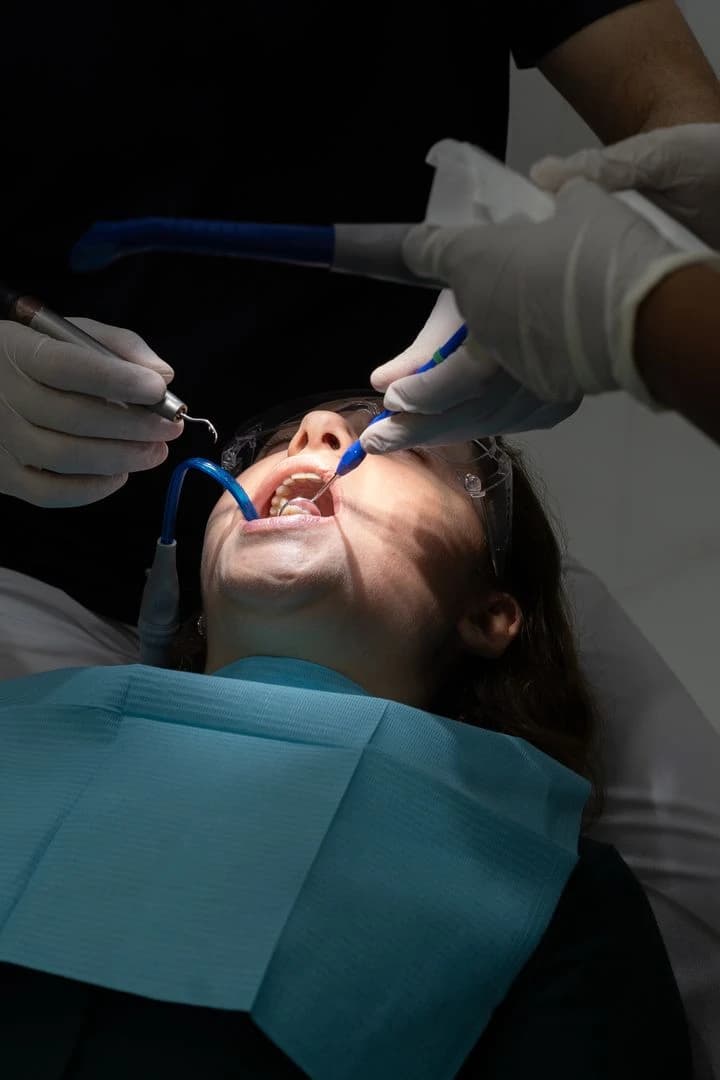
Bite rehabilitation is the assessment and planned restoration of selected teeth when tooth wear, fractures, missing teeth, movement, or failing dental work has affected how the upper and lower teeth meet. Treatment may restore tooth structure, create appropriate restorative space, improve chewing contacts, and protect new restorations.
At Bourgeois Dental Clinic in Dubai, bite rehabilitation is recommended only after evaluating the teeth, gums, jaw joints, muscles, existing restorations, oral habits, medical history, and alternative causes of symptoms. Not every headache, facial pain, tooth wear pattern, or jaw symptom is caused by the bite alone.
Who May Need a Bite Assessment?
An assessment may be appropriate for patients with:
- Severely worn or shortened teeth
- Repeatedly fractured teeth or restorations
- Multiple missing teeth
- Old crowns or bridges with uneven contacts
- Difficulty chewing
- A sudden or progressive change in the bite
- Teeth that no longer meet evenly
- Grinding or clenching signs
- Loss of restorative space
- Jaw-muscle fatigue or selected joint symptoms
- A planned full-mouth rehabilitation
What Causes Changes in the Bite?
- Tooth wear
- Missing teeth
- Movement or tilting of neighbouring teeth
- Over-eruption of opposing teeth
- Fractured teeth
- Large or failing restorations
- Grinding or clenching
- Gum and bone loss
- Dental trauma
- Changes following extraction or denture wear
- Orthodontic relapse or tooth movement
What Happens During the Assessment?
- History: Reviewing pain, sensitivity, chewing problems, grinding, trauma, previous treatment, sleep, medication, and medical conditions.
- Tooth-wear assessment: Examining the location, pattern, severity, and possible causes of enamel and dentine loss.
- Bite examination: Checking tooth contacts, jaw movements, missing-tooth spaces, heavy contacts, and restorative space.
- Muscle and joint review: Assessing tenderness, movement, sounds, locking, or limitation without assuming a purely dental cause.
- Gum and bone assessment: Evaluating support, mobility, inflammation, and suitability of teeth for restoration.
- Imaging when indicated: X-rays or other imaging may be recommended when clinically justified.
- Records when required: Photographs, digital scans, impressions, and bite records may support planning.
- Trial planning: Temporary restorations or a diagnostic tooth setup may be used in selected complex cases.
How Is Tooth Wear Evaluated?
Tooth wear may involve:
- Attrition: Wear related to tooth-to-tooth contact
- Erosion: Chemical loss related to dietary or gastric acids
- Abrasion: Mechanical wear from external habits or materials
- Combined wear: Several processes occurring together
Treatment should address contributing factors where possible. Restoring worn teeth without addressing ongoing acid exposure, grinding, or damaging habits may increase the risk of failure.
Does Grinding Always Require Bite Rehabilitation?
No. Many patients with grinding or clenching signs do not require extensive reconstruction.
Depending on the condition, treatment may include:
- Monitoring
- Preventive advice
- Repairing selected damaged teeth
- A night guard or occlusal splint
- Managing contributing dental or medical factors
- Referral when sleep, pain, or movement disorders require further assessment
How Is Bite Rehabilitation Performed?
Treatment may involve:
- Fillings or bonded restorations
- Onlays or overlays
- Crowns
- Dental bridges
- Replacement of missing teeth
- Orthodontic treatment
- Selected tooth reshaping
- Temporary restorations to test proposed changes
- Dentures or implant-supported restorations
- Protective splints after treatment
The least extensive clinically suitable option should be considered before comprehensive reconstruction.
What Are Temporary Bite Trials?
Temporary restorations may be used to evaluate:
- Proposed tooth length
- Chewing comfort
- Speech
- Appearance
- Jaw adaptation
- Cleaning access
- Restorative space
A successful temporary phase can provide useful information but cannot guarantee that every symptom will resolve or that final restorations will remain complication-free.
Can Bite Rehabilitation Help Jaw Pain?
Selected dental treatment may help when symptoms are clearly linked to damaged teeth, unstable restorations, or specific functional contacts. However, jaw pain can also be influenced by muscles, joints, stress, sleep, trauma, medical conditions, or other factors.
Extensive irreversible dental treatment should not be presented as a guaranteed cure for temporomandibular or facial pain.
Can It Restore Short or Worn Teeth?
Selected worn teeth may be restored with bonded materials, onlays, crowns, or other restorations depending on remaining tooth structure, bite, appearance, and available space.
Some cases require treatment of only a few teeth, while others need a coordinated staged plan.
How Long Does Treatment Take?
Duration depends on:
- Number of teeth involved
- Severity and cause of wear
- Need for temporary trials
- Gum or root canal treatment
- Orthodontic treatment
- Missing-tooth replacement
- Implant or healing stages
- Laboratory procedures
How Are Restorations Protected After Treatment?
- Daily brushing and interdental cleaning
- Control of acidic foods and drinks when relevant
- Management of reflux through an appropriate medical professional
- Avoiding biting hard objects
- Regular bite and gum reviews
- Repairing small fractures early
- Using a protective appliance when recommended
- Monitoring grinding and clenching signs
What Are the Alternatives?
- Monitoring mild or stable wear
- Preventive management of acid or mechanical causes
- Repairing individual teeth only
- Using a protective splint
- Orthodontic treatment
- Replacing selected missing teeth
- Completing treatment in stages
- Referral for medical, pain, sleep, or joint assessment when indicated
What Are the Risks and Limitations?
- Temporary sensitivity or discomfort
- Need for root canal treatment
- Fracture, wear, or loosening of restorations
- Difficulty adapting to altered tooth contacts
- Continued grinding or clenching
- Recurrence of tooth wear
- Gum inflammation or recession
- Need for repair or replacement
- Symptoms that do not improve because they have another cause
- Need for additional orthodontic, medical, or specialist assessment
- Need for long-term maintenance and protection
When Is Prompt Assessment Needed?
Arrange prompt care for a sudden bite change, a fractured tooth or restoration, severe pain, facial or gum swelling, pus, inability to close the teeth normally, jaw locking after trauma, or difficulty eating.
Severe facial injury, difficulty breathing or swallowing, neurological symptoms, rapidly spreading swelling, or significant deterioration requires urgent medical care.
Bite Rehabilitation on Sheikh Zayed Road
Bourgeois Dental Clinic is located on the first floor of Indigo Sky Building, Sheikh Zayed Road, Exit 41, near Al Thanya Street in Dubai. The clinic is accessible from Al Barsha, Umm Al Sheif, Umm Suqeim, Jumeirah, Al Quoz, Barsha Heights, The Greens, Dubai Marina, and nearby communities.
Book a bite-rehabilitation assessment for severely worn teeth, repeated fractures, missing teeth, unstable dental work, altered bite contacts, or complex restorative planning.
Department
Prosthodontics, Dentures & Full-Mouth Rehabilitation
Related Doctors


FAQ
Frequently Asked Questions
BOOK AN
Appointment
Working Hours
We are here to serve you