


Full-Mouth Rehabilitation
- 3Specialists
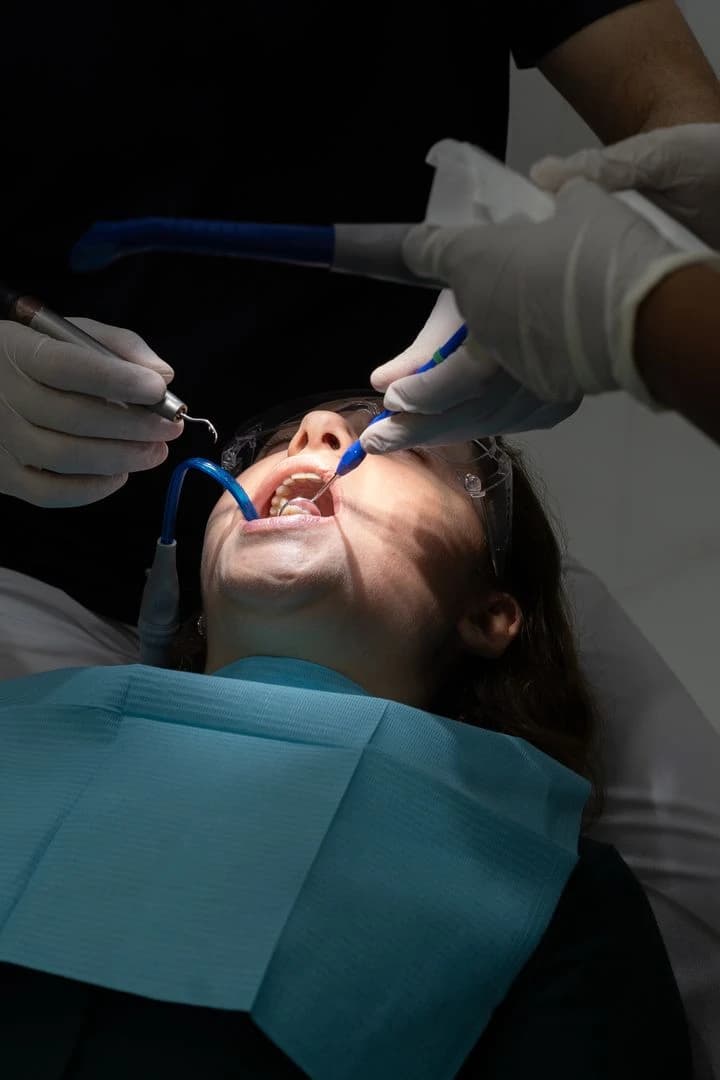
Full-mouth rehabilitation is a coordinated treatment plan for patients with multiple missing, damaged, infected, heavily restored, fractured, or worn teeth. It may combine preventive, periodontal, endodontic, restorative, prosthodontic, implant, orthodontic, and protective treatments in carefully planned stages.
At Bourgeois Dental Clinic in Dubai, the objective is to control active disease, preserve suitable natural teeth, restore missing or weakened areas, improve chewing and appearance, and create a maintainable long-term plan. Treatment recommendations depend on the condition of the teeth, gums, bone, bite, jaw comfort, medical history, oral hygiene, expectations, time, and budget.
Who May Need Full-Mouth Rehabilitation?
A comprehensive assessment may be appropriate for patients with:
- Multiple missing teeth
- Several broken or heavily filled teeth
- Severe tooth wear or shortened teeth
- Old crowns and bridges with recurrent problems
- Repeated tooth fractures
- Extensive decay
- Multiple root canal or gum problems
- Difficulty chewing
- Changes in the bite
- Loose or uncomfortable dentures
- A combination of functional and appearance concerns
- Dental problems that cannot be managed predictably with one isolated procedure
What Is Included in Full-Mouth Rehabilitation?
The treatment plan may include:
- Dental examinations and diagnostic records
- Professional cleaning and preventive care
- Periodontal treatment
- Fillings and core restorations
- Root canal treatment
- Crowns and dental bridges
- Replacement of missing teeth
- Dental implants when clinically appropriate
- Complete or partial dentures
- Tooth extractions when teeth cannot be preserved
- Orthodontic treatment in selected cases
- Bite rehabilitation
- Night guards or occlusal splints
Not every patient requires every procedure. The combination and sequence are based on diagnosis and expected benefit.
What Happens During the Initial Assessment?
- Medical and dental history: Reviewing health conditions, medication, allergies, smoking, previous dental treatment, symptoms, and priorities.
- Teeth examination: Assessing decay, fractures, wear, fillings, crowns, bridges, implants, mobility, and remaining tooth structure.
- Gum and bone assessment: Checking inflammation, periodontal support, recession, tooth mobility, missing-tooth ridges, and implant considerations.
- Bite assessment: Evaluating how the teeth meet, available restorative space, tooth movement, chewing patterns, and heavy contacts.
- Jaw and muscle review: Considering jaw-joint or muscle symptoms without assuming that every symptom is caused by the bite.
- Imaging when indicated: Dental X-rays or three-dimensional imaging may be recommended when clinically justified.
- Records when required: Photographs, digital scans, impressions, facial records, and bite registrations may support planning.
- Option comparison: Discussing preservation, restoration, replacement, staged care, maintenance, costs, risks, and alternatives.
Why Is Treatment Usually Completed in Stages?
Complex dental treatment is commonly divided into stages so that urgent disease is controlled before definitive restorations are placed.
A possible sequence may include:
- Emergency pain or infection management
- Control of decay and gum disease
- Removal of teeth that cannot be maintained
- Root canal or foundation treatment for suitable teeth
- Temporary restorations or dentures
- Orthodontic, implant, or surgical stages when required
- Definitive crowns, bridges, dentures, or implant restorations
- Protective and maintenance care
Can Natural Teeth Be Preserved?
Preservation is considered when teeth have adequate remaining structure, periodontal support, root condition, and a reasonable long-term prognosis.
A tooth may require a filling, core restoration, root canal treatment, crown, periodontal care, or monitoring. Extraction may be recommended when fracture, infection, advanced support loss, or insufficient remaining structure makes predictable restoration unlikely.
How Are Missing Teeth Replaced?
Possible options include:
- Partial dentures
- Complete dentures
- Dental bridges
- Dental implants and crowns
- Implant-supported bridges
- Implant-supported dentures
- Monitoring selected spaces when replacement is not currently necessary
The choice depends on remaining teeth, bone, gums, bite, medical suitability, hygiene, treatment time, maintenance, and budget.
What Role Do Temporary Restorations Have?
Temporary crowns and bridges may protect prepared teeth, maintain appearance, test proposed tooth shapes, support healing, and help assess selected bite changes before final restorations are made.
Temporary restorations are less durable than definitive restorations and require careful use and follow-up.
Can Full-Mouth Rehabilitation Improve Appearance?
It may improve the appearance of selected damaged, discoloured, missing, worn, or poorly restored teeth. However, health, function, cleaning access, remaining tooth structure, gums, and bite should guide treatment rather than appearance alone.
The final result depends on anatomy, materials, gum position, tooth condition, healing, maintenance, and realistic treatment goals.
Can It Improve Chewing?
Restoring missing and damaged teeth may improve chewing stability and food choices. The level of improvement varies according to the number of restored teeth, denture or implant stability, bite, muscle coordination, and adaptation.
No restoration reproduces natural tooth sensation and function perfectly.
How Long Does Full-Mouth Rehabilitation Take?
Treatment duration may range from several appointments to many months depending on:
- Number of teeth involved
- Active infection or gum disease
- Healing after extraction
- Root canal treatment
- Orthodontic treatment
- Bone grafting or dental implants
- Temporary-restoration stages
- Laboratory procedures
- Response to bite or appearance trials
How Long Do the Results Last?
No dental reconstruction lasts indefinitely. Longevity depends on diagnosis, materials, restoration design, oral hygiene, gum and bone health, smoking, diet, medical conditions, grinding, bite forces, trauma, and professional maintenance.
Future care may include professional cleaning, adjustment, repair, recementation, relining, replacement of implant components, root canal treatment, or replacement of individual restorations.
How Should Rehabilitated Teeth Be Maintained?
- Brush teeth and restoration margins carefully
- Clean beneath bridges
- Clean around implants and attachments
- Remove and clean dentures as instructed
- Use fluoride and interdental tools when recommended
- Control frequent sugar exposure
- Attend regular gum and dental reviews
- Use a protective appliance when advised
- Report pain, loosening, bleeding, food trapping, or fractures early
What Are the Alternatives?
Alternatives may include:
- Prioritising urgent and essential treatment only
- Preserving and monitoring selected teeth
- Using removable rather than fixed replacements
- Completing treatment in longer stages
- Replacing only the most functionally important missing teeth
- Repairing suitable existing restorations
- Referral for treatment outside the clinic when required
What Are the Risks and Limitations?
- Temporary sensitivity, soreness, or swelling
- Need for root canal treatment or extraction
- Fracture or loosening of restorations
- Decay around crowns or bridges
- Gum inflammation or recession
- Difficulty adapting to dentures or bite changes
- Implant or prosthetic complications
- Need for multiple treatment stages
- Changes to the original plan after teeth or restorations are removed
- Need for repair, maintenance, or replacement over time
- Failure to achieve every appearance or functional expectation
- Need for referral in complex cases
When Is Prompt Assessment Needed?
Arrange prompt dental care for severe pain, facial or gum swelling, pus, a loose crown or bridge, a broken denture, a fractured tooth, uncontrolled bleeding, or a sudden inability to bite normally.
Difficulty breathing or swallowing, rapidly spreading facial or neck swelling, severe weakness, confusion, or significant deterioration requires urgent medical care.
Full-Mouth Rehabilitation on Sheikh Zayed Road
Bourgeois Dental Clinic is located on the first floor of Indigo Sky Building, Sheikh Zayed Road, Exit 41, near Al Thanya Street in Dubai. The clinic is accessible from Al Barsha, Umm Al Sheif, Umm Suqeim, Jumeirah, Al Quoz, Barsha Heights, The Greens, Dubai Marina, and nearby communities.
Book a full-mouth rehabilitation consultation for multiple missing, worn, fractured, infected, heavily restored, or failing teeth and a personalised staged treatment plan.
Department
Prosthodontics, Dentures & Full-Mouth Rehabilitation
Related Doctors


FAQ
Frequently Asked Questions
BOOK AN
Appointment
Working Hours
We are here to serve you