


Replacement of Missing Teeth
- 3Specialists
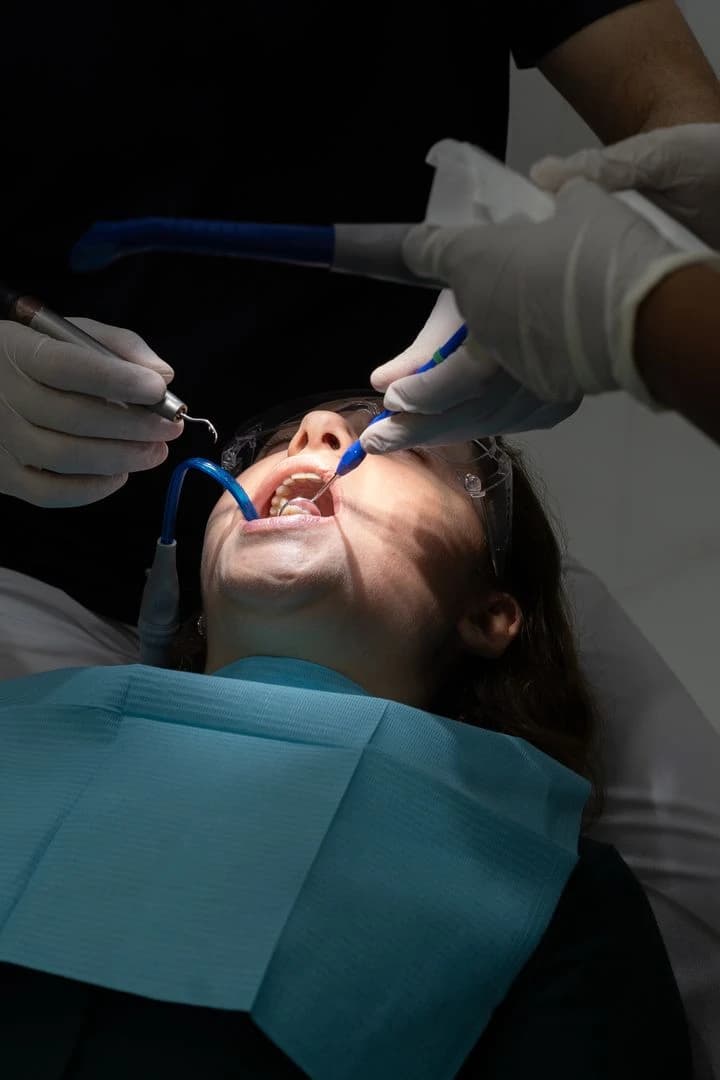
Missing teeth can be replaced with removable dentures, dental bridges, dental implants, implant-supported restorations, or another personalised plan. The appropriate option depends on the number and position of missing teeth, condition of neighbouring teeth, gum and bone health, bite, medical suitability, appearance priorities, treatment time, maintenance, and budget.
At Bourgeois Dental Clinic in Dubai, the goal is not simply to fill a visible gap. Treatment planning considers chewing, speech, tooth movement, oral hygiene, future maintenance, preservation of suitable natural teeth, and long-term stability.
Why Replace Missing Teeth?
Replacement may help:
- Restore visible gaps
- Support chewing
- Improve speech in selected cases
- Reduce food trapping
- Support facial and lip appearance
- Maintain continuity of the dental arch
- Limit unwanted movement of neighbouring teeth
- Improve confidence
- Distribute bite forces more appropriately
Not every missing tooth requires immediate replacement. The expected benefit and risks should be assessed individually.
What Happens if a Missing Tooth Is Not Replaced?
Possible changes may include:
- Movement or tilting of neighbouring teeth
- Over-eruption of an opposing tooth
- Changes in the bite
- Food trapping
- Difficulty cleaning
- Reduced chewing efficiency
- Bone changes in the missing-tooth area
- Increased loading on remaining teeth
- Appearance or speech concerns
These changes do not occur at the same rate in every patient.
What Happens During the Assessment?
- Medical and dental history: Reviewing health conditions, medication, allergies, smoking, symptoms, and treatment expectations.
- Teeth examination: Assessing decay, fractures, mobility, fillings, crowns, roots, and neighbouring teeth.
- Gum and bone evaluation: Reviewing periodontal health, ridge shape, bone volume, and areas affected by tooth loss.
- Bite assessment: Checking available space, tooth movement, opposing teeth, chewing forces, and tooth wear.
- Imaging when indicated: X-rays or three-dimensional imaging may be recommended when clinically justified.
- Treatment comparison: Discussing removable, fixed, implant-supported, and monitoring options.
What Are the Main Tooth-Replacement Options?
- Removable partial denture
- Complete denture
- Dental bridge
- Single dental implant and crown
- Implant-supported bridge
- Implant-supported denture
- Fixed full-arch implant restoration when clinically appropriate
- Monitoring without replacement in selected cases
Removable Partial Dentures
A partial denture can replace several teeth in different areas using support from the remaining teeth and oral tissues.
Possible advantages include:
- Replacement of multiple spaces with one appliance
- Less surgical treatment
- Potentially lower initial cost than implant treatment
- Ability to remove the appliance for cleaning
- Use as a temporary or transitional option
Limitations may include movement, visible components, food trapping, adaptation, and additional cleaning around supporting teeth.
Dental Bridges
A bridge is fixed in place and replaces one or more missing teeth using support from neighbouring teeth or implants.
A tooth-supported bridge may require preparation of the adjacent teeth. Their condition, restorations, roots, alignment, gum support, and bite must be assessed.
Cleaning beneath the bridge is essential to reduce decay and gum problems around the supporting teeth.
Dental Implants
A dental implant is placed in the jawbone and may support a crown, bridge, or removable denture.
Suitability depends on:
- Medical health
- Bone quantity and quality
- Gum health
- Smoking and healing risks
- Available space
- Position of nearby teeth and anatomical structures
- Bite forces
- Oral hygiene
- Maintenance commitment
Implant treatment requires surgery and does not guarantee permanent success.
Implant-Supported Bridges
An implant-supported bridge may replace several neighbouring teeth without using every missing-tooth position for an individual implant.
Planning depends on implant distribution, bone, bite, restorative space, cleaning access, and the length of the missing-tooth area.
Complete and Implant-Supported Dentures
Patients with complete tooth loss may consider conventional complete dentures, implant-supported removable dentures, or fixed implant-supported full-arch treatment.
Each option differs in:
- Stability
- Removability
- Number of implants
- Surgical requirements
- Cleaning access
- Treatment time
- Materials
- Maintenance
- Cost
Can a Missing Tooth Be Left Unreplaced?
In selected cases, monitoring may be reasonable when the gap does not affect appearance or function, neighbouring teeth remain stable, cleaning is possible, and replacement would offer limited benefit.
The area should still be reviewed because tooth movement, bite changes, gum problems, or future treatment needs may develop.
How Is the Best Option Selected?
The decision considers:
- Number of missing teeth
- Location of the gap
- Condition of neighbouring teeth
- Gum and bone support
- Available space
- Bite forces
- Medical suitability
- Appearance expectations
- Oral-hygiene ability
- Preference for removable or fixed treatment
- Treatment duration
- Cost and future maintenance
Can Neighbouring Teeth Be Preserved?
A dental implant may avoid preparing neighbouring teeth in selected cases, while a tooth-supported bridge uses those teeth for support.
However, an implant requires surgery and suitable bone and health. The option that preserves the most tooth structure is not automatically the best option when other clinical risks are present.
How Long Does Treatment Take?
Timing varies according to the chosen option.
- A removable denture may involve several clinical and laboratory appointments.
- A bridge may require preparation, temporary restorations, and laboratory stages.
- An implant may require healing, grafting, implant integration, and later restoration.
- Complex full-mouth plans may be completed in stages.
How Long Do Tooth Replacements Last?
No replacement lasts indefinitely. Longevity depends on diagnosis, materials, design, oral hygiene, gum health, bite forces, smoking, grinding, medical conditions, accidents, and maintenance.
Future care may include:
- Professional cleaning
- Denture adjustment or relining
- Bridge repair or replacement
- Replacement of implant components
- Treatment of supporting teeth
- Night-guard protection
- Management of gum or bone changes
How Should Replaced Teeth Be Cleaned?
- Brush natural teeth and restoration margins
- Clean beneath bridges using suitable tools
- Remove and clean dentures as instructed
- Clean around every implant
- Use interdental brushes or flossing aids when recommended
- Attend regular dental and gum reviews
- Report food trapping, looseness, bleeding, or pain early
Can Missing Teeth Affect the Bite?
Yes. Neighbouring teeth may move and opposing teeth may over-erupt into the space, changing how the teeth meet.
Replacement may support bite stability, but it does not automatically correct established tooth movement, crowding, or jaw problems. Orthodontic or bite rehabilitation may also be required.
What Are the Risks and Limitations?
Risks vary by treatment and may include:
- Difficulty adapting to a removable denture
- Damage to supporting teeth
- Decay around a bridge
- Gum inflammation
- Implant surgery complications
- Implant-integration failure
- Fracture or loosening of restorations
- Food trapping
- Changes in bite
- Need for repair, relining, component replacement, or new treatment
- Need for additional gum, bone, orthodontic, or restorative care
When Is Prompt Assessment Needed?
Arrange a prompt dental review for severe pain, swelling, pus, a loose bridge, a fractured denture, a damaged implant component, a broken supporting tooth, sudden bite changes, or difficulty chewing.
Difficulty breathing or swallowing, rapidly spreading facial or neck swelling, uncontrolled bleeding, or significant deterioration requires urgent medical care.
Missing-Teeth Replacement on Sheikh Zayed Road
Bourgeois Dental Clinic is located on the first floor of Indigo Sky Building, Sheikh Zayed Road, Exit 41, near Al Thanya Street in Dubai. The clinic is accessible from Al Barsha, Umm Al Sheif, Umm Suqeim, Jumeirah, Al Quoz, Barsha Heights, The Greens, Dubai Marina, and nearby communities.
Book a missing-teeth consultation to compare dentures, bridges, dental implants, implant-supported restorations, fixed full-arch treatment, and monitoring based on your individual dental and medical needs.
Department
Prosthodontics, Dentures & Full-Mouth Rehabilitation
Related Doctors

FAQ
Frequently Asked Questions
BOOK AN
Appointment
Working Hours
We are here to serve you