


Oral Surgery Consultation
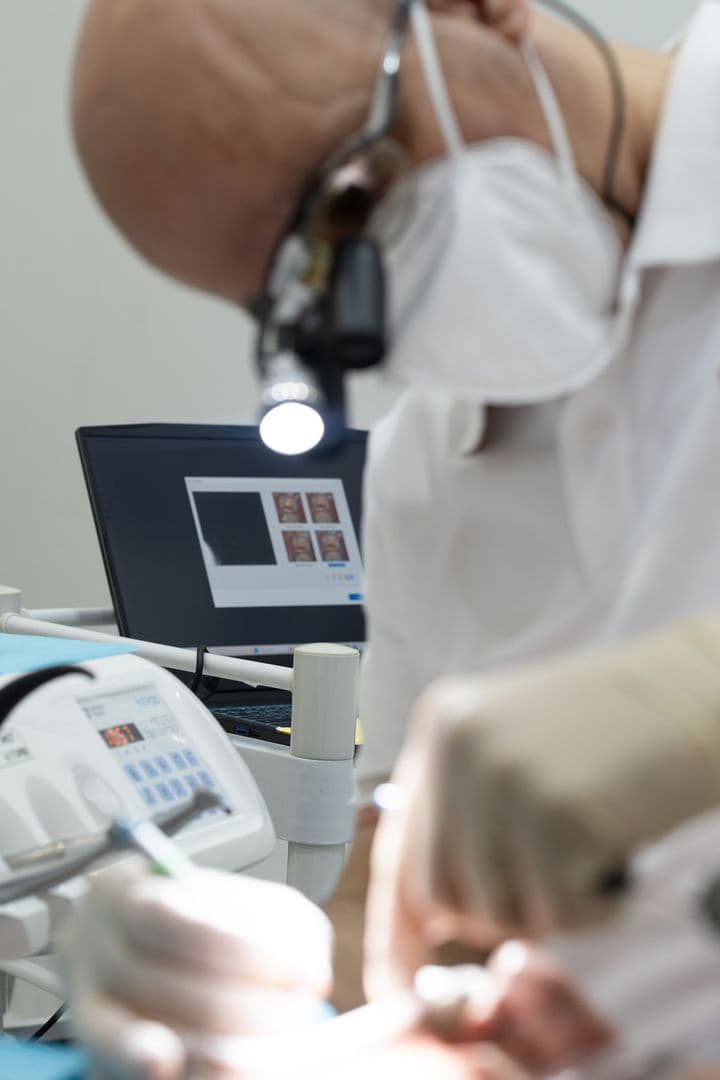
An oral surgery consultation determines the cause of dental pain or swelling and whether a tooth should be preserved, monitored, treated, or removed. At Bourgeois Dental Clinic in Dubai, the assessment may include damaged teeth, impacted wisdom teeth, retained roots, dental abscesses, extraction complications, oral lesions, and preparation for future implant or prosthetic treatment.
The dentist reviews the tooth, surrounding gums and bone, neighbouring teeth, root shape, infection, nerves, sinuses, medical history, medications, and the patient's future restorative needs before recommending treatment.
Who Should Book an Oral Surgery Consultation?
An assessment may be appropriate for patients with:
- Persistent or severe tooth pain
- Facial or gum swelling
- A broken tooth or root
- An impacted or painful wisdom tooth
- A tooth that may not be restorable
- Repeated dental infection or abscess
- A retained root after a previous extraction
- Difficulty opening the mouth
- Pain after tooth extraction
- An unusual oral ulcer, lump, or tissue change
- A need for extraction before implant, denture, bridge, or orthodontic treatment
What Happens During the Consultation?
The consultation may include:
- Symptom review: Discussing pain, swelling, drainage, bad taste, fever, trauma, or limited mouth opening.
- Clinical examination: Assessing the tooth, gums, swelling, mobility, decay, fracture, infection, and surrounding tissues.
- Restorability assessment: Determining whether the tooth may be saved with a filling, crown, root canal treatment, periodontal care, or another procedure.
- Dental imaging: Reviewing root shape, bone, neighbouring teeth, impaction, nerves, sinus position, infection, and possible lesions.
- Medical review: Checking health conditions, allergies, pregnancy, healing risks, and previous surgical complications.
- Medication review: Discussing blood thinners, bone-related medication, immune-suppressing treatment, and other relevant prescriptions.
- Treatment planning: Explaining conservative treatment, extraction, surgical care, referral, replacement options, and aftercare.
Can the Tooth Be Saved?
The dentist first considers whether the tooth can be maintained predictably. Possible treatments may include:
- Dental filling or crown
- Root canal treatment
- Root canal retreatment
- Periodontal treatment
- Crown lengthening
- Post-and-core restoration
- Bite adjustment or splinting in selected cases
Extraction may be recommended when there is a vertical root fracture, extensive decay below the gumline, severe periodontal bone loss, repeated infection, inadequate tooth structure, or another condition that makes predictable restoration unlikely.
When Is a Simple Extraction Possible?
A simple tooth extraction may be possible when the tooth is fully visible, has accessible roots, and can be removed safely using standard dental instruments.
When Is a Surgical Extraction Needed?
A surgical tooth extraction may be needed when the tooth is broken below the gumline, impacted, covered by bone or gum tissue, has curved or separated roots, or cannot be removed predictably using a simple technique.
How Are Wisdom Teeth Evaluated?
The dentist reviews whether the wisdom tooth is fully erupted, partially erupted, impacted, infected, decayed, damaging a neighbouring tooth, or associated with a cystic change.
Not every wisdom tooth requires extraction. Monitoring may be suitable when the tooth is healthy, functional, cleanable, and not causing damage.
What Imaging May Be Required?
Dental imaging helps assess:
- Root number, shape, and curvature
- Bone around the tooth
- Impaction depth and direction
- Relationship to the mandibular nerve
- Relationship to the maxillary sinus
- Neighbouring teeth and roots
- Infection, cysts, or other changes
- Previous treatment and retained roots
Three-dimensional imaging may be recommended for selected complex wisdom teeth, lesions, unusual root anatomy, previous surgical complications, or implant-related planning.
Why Is Medical History Important?
Medical conditions and medications can affect bleeding, infection risk, bone healing, anaesthesia, and recovery.
The dentist should know about:
- Diabetes
- Heart conditions
- Bleeding disorders
- Immune conditions
- Pregnancy
- Previous head or neck radiotherapy
- Blood-thinning medication
- Bone-strengthening medication
- Allergies
- Previous surgical complications
Patients should not stop prescribed medication without instructions from the prescribing doctor.
Can an Infected Tooth Be Removed?
Yes. Extraction may be part of infection-source control when preserving the tooth is not appropriate.
Some patients may also need drainage, medication, or stabilisation. Antibiotics are not automatically required for every dental infection and do not replace treatment of the source.
What Replacement Options Are Discussed?
If extraction is required, replacement planning may include:
- Dental implant after extraction
- Socket preservation followed by delayed implant placement
- A conventional dental bridge
- A removable partial or complete denture
- Orthodontic space closure
- No immediate replacement in selected cases
What Are the General Risks of Oral Surgery?
Risks depend on the procedure and anatomy but may include:
- Pain, swelling, bruising, or bleeding
- Infection
- Dry socket
- Delayed healing
- Damage to neighbouring teeth or restorations
- Nerve irritation or altered sensation
- Sinus communication in selected upper-tooth procedures
- Root fracture
- Jaw stiffness
- Need for additional treatment or surgery
When Is Urgent Medical Care Required?
Urgent medical assessment is required for difficulty breathing or swallowing, rapidly spreading facial or neck swelling, swelling near the eye, confusion, severe weakness, uncontrolled bleeding, or fever associated with worsening infection.
Oral Surgery Consultation on Sheikh Zayed Road
Bourgeois Dental Clinic is located on the first floor of Indigo Sky Building, Sheikh Zayed Road, Exit 41, near Al Thanya Street in Dubai. The clinic is accessible from Al Barsha, Umm Al Sheif, Umm Suqeim, Jumeirah, Al Quoz, Barsha Heights, The Greens, Dubai Marina, and surrounding communities.
Book an oral surgery consultation for tooth pain, swelling, wisdom teeth, a broken tooth, retained roots, dental infection, an oral lesion, or an extraction concern.
Department
Oral Surgery and Tooth Extractions
FAQ
Frequently Asked Questions
BOOK AN
Appointment
Working Hours
We are here to serve you