


Surgical Tooth Extraction
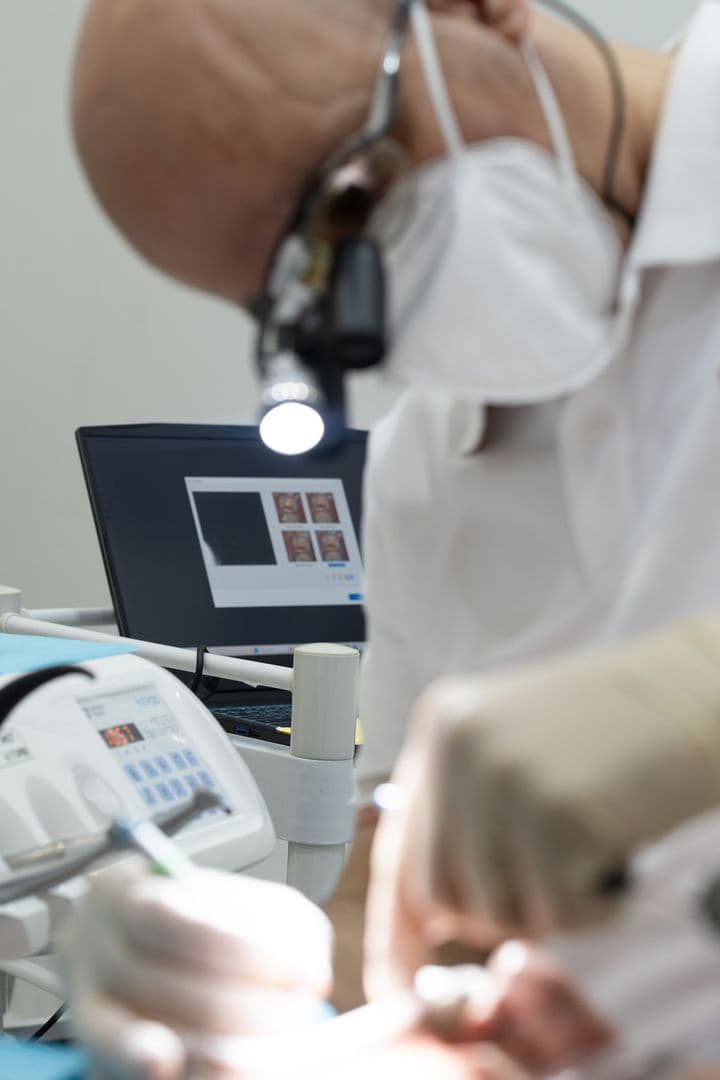
A surgical tooth extraction is used when a tooth or root cannot be removed safely with a routine simple extraction. The procedure may involve opening the gum, removing a controlled amount of surrounding bone, dividing the tooth into sections, and placing sutures.
At Bourgeois Dental Clinic in Dubai, treatment planning considers whether the tooth can be saved, the complexity of its roots, infection, surrounding bone, neighbouring teeth, nerve and sinus position, medical history, and future replacement needs.
When May Surgical Extraction Be Needed?
A surgical approach may be recommended for:
- A tooth broken at or below the gumline
- A retained root
- An impacted tooth
- An impacted wisdom tooth
- A tooth with curved, divergent, or bulbous roots
- A tooth fused to the surrounding bone
- A severely decayed tooth that cannot be gripped safely
- A root-treated tooth that has become brittle
- A tooth associated with a cystic or pathological change
- A simple extraction that becomes complex during removal
Can the Tooth Be Saved?
The dentist considers whether treatment such as a crown, root canal treatment, periodontal therapy, crown lengthening, or another restorative procedure may provide a maintainable result.
Surgical extraction may be appropriate when there is a vertical root fracture, severe decay below the gumline, extensive structural loss, repeated infection, advanced bone loss, or an unfavourable tooth position.
What Happens During Assessment?
The dentist reviews:
- Symptoms: Pain, swelling, infection, drainage, trauma, or limited mouth opening.
- Tooth structure: Remaining crown, fractures, decay, restorations, and root canal history.
- Root anatomy: Number, curvature, separation, length, and relation to neighbouring structures.
- Bone and gums: Bone density, periodontal support, swelling, and infection.
- Nerve and sinus position: Relationship to the mandibular nerve or maxillary sinus.
- Medical factors: Diabetes, bleeding risk, immune conditions, smoking, and healing concerns.
- Replacement planning: Implant, bridge, denture, orthodontic treatment, or no immediate replacement.
What Imaging Is Required?
Dental imaging is used to assess root anatomy, bone, infection, neighbouring teeth, nerves, sinuses, impaction, and possible lesions.
Three-dimensional imaging may be recommended when the tooth is close to a nerve or sinus, deeply impacted, associated with a lesion, previously treated surgically, or planned for complex removal.
How Is a Surgical Extraction Performed?
- Local anaesthesia: The tooth, gum, and surrounding tissues are numbed.
- Gum access: A controlled opening may be made to expose the tooth or root.
- Bone removal: A limited amount of bone may be removed when required for safe access.
- Tooth sectioning: The tooth may be divided into smaller sections to reduce force on surrounding tissues.
- Tooth or root removal: The pieces are removed carefully.
- Socket cleaning: Infected or damaged tissue may be removed.
- Bone smoothing: Sharp edges may be adjusted.
- Grafting when needed: Socket preservation may be considered for future implant treatment.
- Sutures: The gum may be repositioned and stitched.
- Aftercare: Instructions are provided for swelling, bleeding, diet, cleaning, and warning signs.
Does Surgical Extraction Hurt?
Local anaesthesia is used during the procedure. Pressure, movement, vibration, or sound may be noticed, but sharp pain should be reported immediately.
Temporary swelling, soreness, bruising, jaw stiffness, and minor bleeding may be greater than after a simple extraction.
Will the Tooth Be Removed in One Piece?
Not always. Dividing the tooth can reduce the amount of bone removal and limit pressure on neighbouring structures.
Sectioning is a planned surgical technique and does not necessarily indicate a complication.
What Happens If a Root Breaks?
The dentist assesses the fragment's size, location, infection status, mobility, relationship to nerves or sinuses, and the risk of removal.
Most clinically relevant fragments are removed. In selected situations, a very small, deeply positioned, non-infected fragment may be monitored when removal would create greater risk. This decision requires documentation and follow-up.
Can an Infected Tooth Be Surgically Removed?
Yes. Surgical extraction may be needed when infection has damaged the tooth or surrounding bone or when the tooth cannot be removed using a simple approach.
Drainage or antibiotics may also be required when infection is spreading or systemic symptoms are present.
Will Bone Grafting Be Needed?
Bone grafting may be considered when future implant placement is planned, the socket walls are damaged, or the extraction leaves a significant defect.
Grafting is not required for every surgical extraction and cannot prevent all bone remodelling.
What Are the Risks?
- Pain, swelling, bruising, or bleeding
- Infection
- Dry socket
- Delayed healing
- Root fracture or retained fragment
- Damage to neighbouring teeth or restorations
- Nerve irritation or altered sensation
- Sinus communication in selected upper-tooth procedures
- Jaw stiffness
- Bone fracture in uncommon complex cases
- Need for additional surgery
- Need for grafting or delayed replacement
What Is Nerve Injury Risk?
Lower premolar, molar, and wisdom tooth roots may be located close to nerves that supply sensation to the lip, chin, gums, or tongue.
Nerve irritation may cause temporary or, less commonly, persistent altered sensation. Imaging and surgical planning help assess and reduce risk but cannot remove it completely.
What Is Sinus Communication?
Roots of upper back teeth may be close to the maxillary sinus. Extraction can occasionally create an opening between the mouth and sinus.
Small openings may heal with appropriate care, while larger or persistent openings may require additional treatment. Patients may receive instructions to avoid forceful nose blowing and pressure changes.
How Should You Care for the Surgical Site?
- Bite on gauze as instructed
- Use cold packs when recommended
- Take medication only as directed
- Eat soft foods
- Chew away from the surgical site
- Avoid smoking and tobacco
- Avoid forceful rinsing during early healing
- Clean the mouth gently
- Do not pull the lip or cheek repeatedly to inspect the wound
- Attend suture removal or review appointments when required
How Long Does Healing Take?
Initial gum healing generally progresses over the first weeks, while deeper bone healing continues for longer.
Healing depends on surgical complexity, infection, tooth position, bone removal, smoking, diabetes, medication, oral hygiene, and whether grafting was completed.
When Should You Contact the Clinic?
Contact the clinic for persistent bleeding, increasing swelling, fever, pus, severe worsening pain, numbness that causes concern, wound opening, or difficulty opening the mouth.
Difficulty breathing or swallowing, rapidly spreading facial or neck swelling, swelling around the eye, severe weakness, confusion, or uncontrolled bleeding requires urgent medical assessment.
How Can the Missing Tooth Be Replaced?
Depending on the site and healing, options may include:
- Dental implant after extraction
- Socket preservation followed by delayed implant placement
- Bone grafting before implant placement
- A conventional bridge
- A removable denture
- Orthodontic space management
- No immediate replacement in selected cases
Surgical Tooth Extraction on Sheikh Zayed Road
Bourgeois Dental Clinic is located on the first floor of Indigo Sky Building, Sheikh Zayed Road, Exit 41, near Al Thanya Street in Dubai. The clinic is accessible from Al Barsha, Umm Al Sheif, Umm Suqeim, Jumeirah, Al Quoz, Barsha Heights, The Greens, Dubai Marina, and surrounding communities.
Book a surgical extraction assessment for a broken tooth, retained root, impacted tooth, complex root anatomy, severe decay, infection, or a tooth that cannot be removed with a routine extraction.
Department
Oral Surgery and Tooth Extractions
FAQ
Frequently Asked Questions
BOOK AN
Appointment
Working Hours
We are here to serve you