


Dental Biopsy and Oral Lesion Assessment
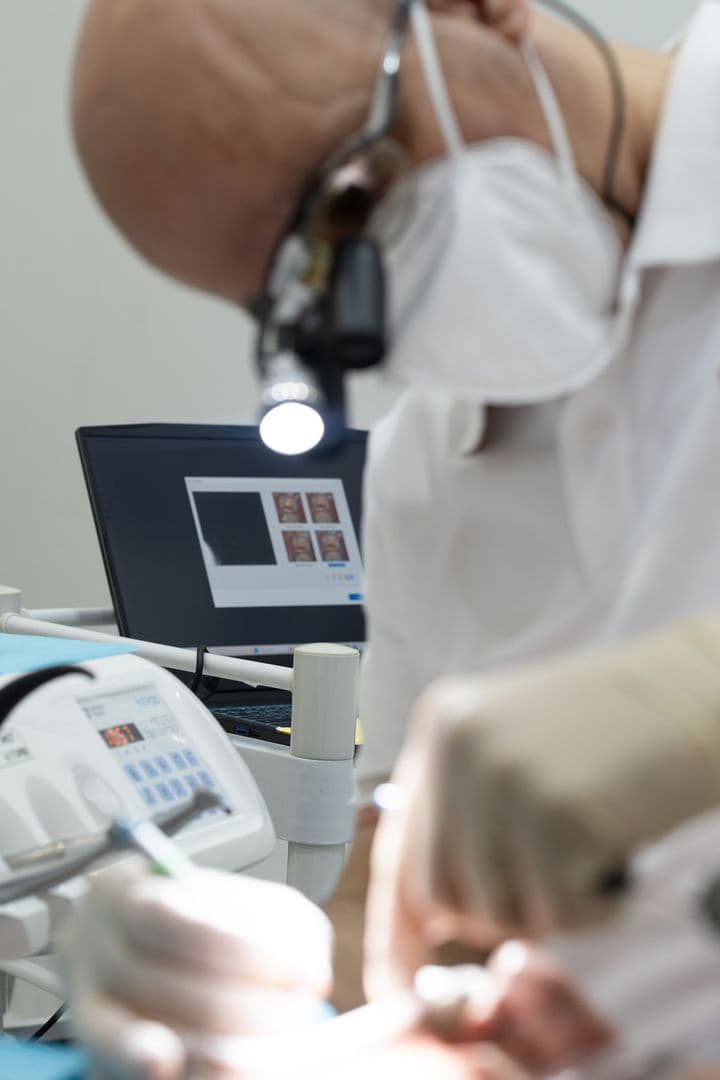
An oral lesion assessment examines an unusual ulcer, lump, swelling, colour change, tissue growth, or persistent abnormality inside the mouth. Many oral changes are related to trauma, infection, irritation, medication, or benign conditions, but persistent or suspicious findings should be evaluated rather than ignored.
At Bourgeois Dental Clinic in Dubai, assessment may lead to monitoring, removal of an irritant, treatment of infection, photography, imaging, biopsy planning, laboratory analysis, or referral when clinically appropriate.
What Is an Oral Lesion?
An oral lesion is any abnormal area affecting the:
- Lips
- Cheeks
- Tongue
- Gums
- Palate
- Floor of the mouth
- Jawbone
- Areas beneath dentures
- Tissues around teeth or implants
What Types of Changes Should Be Assessed?
- An ulcer that does not heal as expected
- A lump or swelling
- A white, red, dark, or mixed-colour patch
- Unexplained bleeding
- A tissue growth
- A persistent rough or thickened area
- A lesion beneath a denture
- Burning, pain, or numbness without a clear cause
- A change that is increasing in size
- Difficulty swallowing or moving the tongue
- A jaw lesion detected on dental imaging
What Can Cause Oral Lesions?
- Trauma from a sharp tooth or restoration
- Denture irritation
- Cheek, lip, or tongue biting
- Burns
- Dental infection
- Viral, bacterial, or fungal conditions
- Inflammatory or immune-related conditions
- Medication-related reactions
- Salivary-gland changes
- Benign tissue growths
- Cysts or jawbone lesions
- Potentially serious tissue changes
The appearance alone may not provide a definite diagnosis, which is why clinical history, examination, monitoring, and sometimes tissue analysis are important.
What Happens During an Oral Lesion Assessment?
- History: Reviewing when the lesion appeared, whether it changes, symptoms, trauma, habits, medication, and previous episodes.
- Clinical examination: Assessing size, colour, texture, borders, firmness, tenderness, ulceration, and surrounding tissues.
- Dental-source assessment: Checking sharp teeth, restorations, dentures, infection, and bite-related trauma.
- Neck and lymph-node review: Performed when clinically relevant.
- Photography or measurement: Documenting the lesion for comparison.
- Imaging: Used when bone, teeth, roots, salivary structures, or deeper tissues may be involved.
- Treatment planning: Monitoring, treating a possible cause, biopsy, removal, laboratory testing, or referral.
Does Every Oral Lesion Need a Biopsy?
No. Some lesions have a clear short-term cause and improve after removing irritation or treating infection.
A biopsy may be considered when the lesion persists, has an uncertain diagnosis, appears clinically concerning, changes over time, or requires tissue confirmation before treatment.
What Is an Oral Biopsy?
An oral biopsy removes a small sample or the whole selected lesion for laboratory examination.
The type of biopsy depends on the size, location, appearance, suspected diagnosis, nearby structures, and whether complete removal is appropriate.
What Is the Difference Between Incisional and Excisional Biopsy?
- Incisional biopsy: A representative portion of a larger or diagnostically uncertain lesion is removed.
- Excisional biopsy: The whole selected lesion is removed when its size, location, and clinical features make complete removal appropriate.
The procedure selected depends on clinical judgement. Some lesions should be referred before biopsy or removal.
How Is a Biopsy Performed?
- The lesion and surrounding area are assessed and documented.
- Local anaesthesia is used when appropriate.
- A small tissue sample or selected lesion is removed.
- Bleeding is controlled.
- Sutures may be placed.
- The specimen is sent for laboratory examination when biopsy is completed.
- A follow-up visit is arranged to review healing and results.
Does an Oral Biopsy Hurt?
Local anaesthesia is normally used for suitable biopsy procedures. Pressure or movement may be felt, but sharp pain should be reported.
Temporary soreness, mild swelling, bruising, or minor bleeding may occur afterward, depending on the location and size of the biopsy.
How Long Do Results Take?
The reporting period depends on the laboratory, specimen, required testing, and whether additional analysis is needed.
The dentist should review the final report with the patient and explain whether monitoring, treatment, further testing, or referral is recommended.
What Are the Possible Risks?
- Pain, swelling, bruising, or bleeding
- Infection
- Delayed healing
- Scarring
- Temporary altered sensation
- Need for additional biopsy or treatment
- Incomplete removal of the lesion
- Recurrence of the lesion
- Need for specialist or hospital referral
How Should You Care for a Biopsy Site?
- Follow bleeding-control instructions
- Take medication only as directed
- Avoid smoking and tobacco
- Eat softer foods while the area is tender
- Maintain gentle oral hygiene
- Avoid biting or repeatedly touching the site
- Do not pull or cut sutures
- Attend result and healing appointments
When Should an Oral Lesion Be Assessed Promptly?
Arrange an assessment for:
- An ulcer or tissue change that persists longer than expected
- A lesion that is growing or changing
- Persistent red, white, dark, or mixed-colour patches
- Unexplained numbness
- Unexplained bleeding
- A firm lump
- Difficulty swallowing
- Persistent tongue-movement difficulty
- A neck lump
- Unexplained tooth mobility or jawbone change
When Is Urgent Medical Assessment Required?
Urgent care is required for difficulty breathing or swallowing, rapidly increasing swelling, uncontrolled bleeding, severe weakness, or signs of a spreading infection.
Oral Lesion and Biopsy Assessment on Sheikh Zayed Road
Bourgeois Dental Clinic is located on the first floor of Indigo Sky Building, Sheikh Zayed Road, Exit 41, near Al Thanya Street in Dubai. The clinic is accessible from Al Barsha, Umm Al Sheif, Umm Suqeim, Jumeirah, Al Quoz, Barsha Heights, The Greens, Dubai Marina, and nearby communities.
Book an oral lesion assessment for a persistent ulcer, lump, swelling, colour change, unexplained bleeding, tissue growth, denture-related lesion, or abnormality identified on dental imaging.
Department
Oral Surgery and Tooth Extractions
FAQ
Frequently Asked Questions
BOOK AN
Appointment
Working Hours
We are here to serve you