


Pre-Prosthetic Oral Surgery Assessment
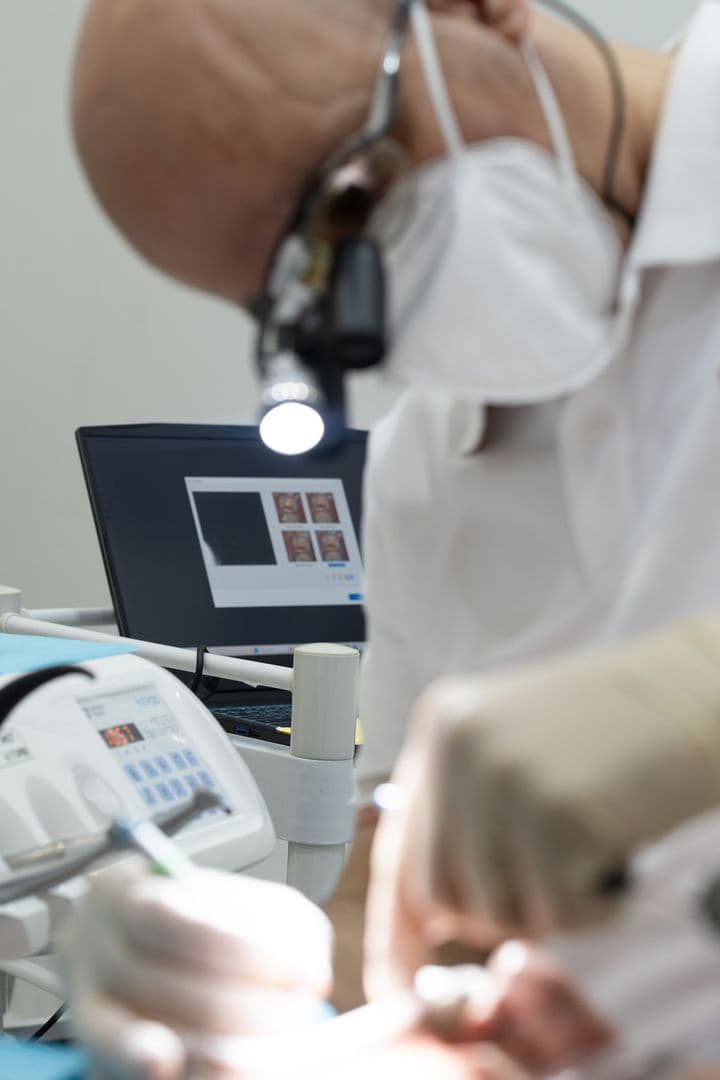
A pre-prosthetic oral surgery assessment determines whether bone, gum tissue, retained roots, or other anatomical features may interfere with a comfortable and maintainable denture or restorative treatment. Any surgical adjustment should be planned around the final prosthesis and kept as conservative as clinically appropriate.
At Bourgeois Dental Clinic in Dubai, the assessment may be completed before a complete denture, partial denture, implant-supported denture, fixed bridge, or full-mouth rehabilitation.
Who May Need a Pre-Prosthetic Assessment?
- Patients planning a complete or partial denture
- Patients with pain beneath an existing denture
- Patients with sharp or irregular bone after extraction
- Patients with retained roots
- Patients with excessive or mobile gum tissue
- Patients with prominent bone affecting denture fit
- Patients requiring implant-supported dentures
- Patients undergoing full-mouth restorative treatment
- Patients with repeated denture sores or instability
What Problems Can Interfere With a Denture?
- Sharp or irregular jawbone
- Retained roots or tooth fragments
- Uneven extraction sockets
- Prominent bony areas
- Excessive soft tissue
- Mobile or inflamed tissue beneath a denture
- Shallow tissue attachments
- Large undercuts that prevent insertion
- Active gum infection or oral lesions
- Severe ridge resorption
What Happens During the Assessment?
- Prosthetic review: Understanding the planned denture, bridge, or implant-supported restoration.
- Clinical examination: Assessing bone contour, gum tissue, muscle attachments, retained teeth, and sore areas.
- Existing-denture assessment: Reviewing fit, stability, pressure areas, bite, and hygiene.
- Dental imaging: Identifying retained roots, impacted teeth, bone irregularities, or pathology.
- Medical review: Evaluating healing, bleeding, medication, diabetes, smoking, and other risk factors.
- Treatment coordination: Planning surgery, healing, impressions, temporary dentures, and final restoration timing.
Does Every Denture Patient Need Surgery?
No. Many patients can receive dentures without surgery. Treatment may first involve denture adjustment, relining, gum treatment, improved hygiene, or a modified prosthetic design.
Surgery is considered when a specific anatomical problem is likely to prevent comfort, stability, hygiene, or predictable restoration.
What Procedures May Be Considered?
- Retained-root removal: Removing roots that are infected, exposed, painful, or interfering with the prosthesis.
- Bone smoothing: Adjusting sharp or irregular bone conservatively.
- Ridge recontouring: Improving selected areas that prevent denture insertion or stability.
- Soft-tissue adjustment: Managing excessive or repeatedly traumatised tissue.
- Frenum assessment: Evaluating tissue attachments that interfere with denture borders.
- Extraction planning: Coordinating removal of non-restorable teeth with future prosthetic needs.
- Implant-site planning: Assessing whether implants may improve denture support or retention.
What Is Bone Smoothing?
Bone smoothing adjusts sharp or irregular areas that may cause pain, tissue injury, or difficulty fitting a denture.
The goal is not to remove unnecessary bone. Preserving bone is important for denture support and future implant options.
What Is Ridge Recontouring?
Ridge recontouring modifies selected areas of the jawbone when their shape interferes with placement, stability, or cleaning of a prosthesis.
Excessive bone removal can reduce support, so treatment should be limited to clinically necessary areas.
Can Retained Roots Be Left Under a Denture?
Some retained roots may be monitored when they are deeply positioned, disease-free, and safer to leave than remove.
Removal may be recommended when roots are infected, exposed, mobile, painful, associated with pathology, or likely to interfere with the denture or implants.
What If the Existing Denture Causes Sores?
Denture sores may result from poor fit, unstable bite, overextended borders, sharp bone, infection, dry mouth, poor hygiene, or abnormal tissue.
The denture should be assessed before surgery because adjustment, relining, or replacement may correct the problem without surgical treatment.
Can Implants Improve Denture Stability?
Implant-supported dentures may improve retention and stability in selected patients.
Suitability depends on bone, gum health, medical history, hygiene, implant position, restorative space, and the design of the final denture.
How Is Treatment Planned With the Dental Prosthesis?
- Determine the final tooth and denture position.
- Assess whether surgery is genuinely required.
- Complete necessary extraction, root removal, or tissue treatment.
- Allow suitable healing.
- Use temporary or adjusted dentures when appropriate.
- Take final impressions or digital records after tissues stabilise.
- Fit and maintain the final prosthesis.
What Are the Possible Risks?
- Pain, swelling, bruising, or bleeding
- Infection
- Delayed healing
- Temporary difficulty wearing a denture
- Altered ridge shape
- Loss of bone or soft tissue
- Need for denture adjustment or relining
- Need for additional surgery
- Nerve or sinus complications depending on the site
- Persistent discomfort if the prosthesis remains poorly designed or unstable
How Long Before the Final Denture Can Be Made?
Timing depends on the procedure, tissue healing, extraction sites, bone remodelling, temporary-denture use, and the planned final prosthesis.
Some patients receive an immediate temporary denture, while others wait for healing before final impressions.
Pre-Prosthetic Oral Surgery Assessment on Sheikh Zayed Road
Bourgeois Dental Clinic is located on the first floor of Indigo Sky Building, Sheikh Zayed Road, Exit 41, near Al Thanya Street in Dubai. The clinic is accessible from Al Barsha, Umm Al Sheif, Umm Suqeim, Jumeirah, Al Quoz, Barsha Heights, The Greens, Dubai Marina, and nearby communities.
Book a pre-prosthetic assessment for painful dentures, sharp bone, retained roots, unstable dentures, repeated sores, or preparation for a new removable or implant-supported restoration.
Department
Oral Surgery and Tooth Extractions
FAQ
Frequently Asked Questions
BOOK AN
Appointment
Working Hours
We are here to serve you