


Gum Grafting
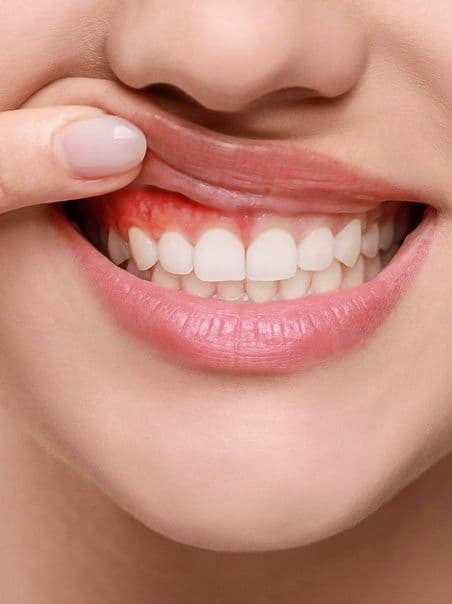
Gum grafting is a periodontal procedure that adds or repositions soft tissue around selected teeth or dental implant sites. At Bourgeois Dental Clinic in Dubai, it may be considered to manage gum recession, improve tissue thickness, reduce root sensitivity, support cleaning, protect exposed roots, or prepare an area for restorative, orthodontic, or implant treatment.
What Is Gum Grafting?
A gum graft uses tissue from the patient or another clinically suitable graft material to increase soft-tissue coverage or thickness around a tooth or implant.
The objective depends on the case and may include root coverage, tissue reinforcement, improved cleaning comfort, protection of a restorative margin, or improvement of the gum profile.
Who May Need a Gum Graft?
Gum grafting may be considered when there is:
- Progressive gum recession
- Exposed and sensitive roots
- Very thin gum tissue
- Difficulty brushing because of root sensitivity
- Root decay risk
- An uneven gumline
- Recession around a crown, bridge, or veneer
- Need for additional tissue before orthodontic treatment
- Need for soft-tissue support around an implant site
- A restrictive tissue attachment contributing to gum pulling
Does Every Receding Gum Need Surgery?
No. Stable recession that is easy to clean and not causing sensitivity, decay, progression, or significant concern may be monitored.
Non-surgical treatment may include improved brushing, sensitivity care, fluoride, periodontal treatment, restoration of root wear, and management of contributing habits.
What Types of Gum Grafts Are Used?
Connective Tissue Graft
A connective tissue graft commonly uses tissue taken from beneath the surface layer of the palate. It may be placed over or beside a recession area to increase thickness and support root coverage.
Free Gingival Graft
A free gingival graft uses a thin layer of tissue from the palate and may be selected when the main objective is to increase the width or thickness of firm gum tissue.
Pedicle or Repositioned Flap
Nearby gum tissue may be moved to cover a recession area when sufficient suitable tissue is available next to the tooth.
Alternative Graft Materials
Selected cases may use processed donor-derived, collagen-based, or other clinically suitable graft materials. Suitability depends on the treatment objective, tissue condition, available anatomy, evidence, and patient preference.
Where Does the Graft Tissue Come From?
Autogenous grafts use the patient's own tissue, commonly from the palate. Alternative materials may avoid a second surgical site but may have different indications, healing characteristics, costs, and expected outcomes.
The dentist discusses the advantages and limitations of the appropriate options before treatment.
What Happens During the Consultation?
The assessment may include:
- Recession measurement: Recording the amount and pattern of root exposure.
- Periodontal probing: Checking pocket depth, bleeding, and attachment loss.
- Bone-support assessment: Reviewing the support between and around teeth.
- Tissue assessment: Evaluating gum thickness, width, and donor-site availability.
- Tooth-position assessment: Reviewing whether the tooth lies within the supporting bone.
- Root-surface examination: Checking decay, wear, restorations, and sensitivity.
- Bite assessment: Reviewing grinding and excessive functional forces.
- Smoking and health review: Considering healing risks and medical factors.
Can Gum Grafting Cover the Entire Root?
Complete root coverage cannot be guaranteed.
The result depends on:
- Recession depth and width
- Bone and tissue support between the teeth
- Tooth position
- Root shape
- Existing restorations or root wear
- Gum thickness
- Smoking
- Oral hygiene
- Healing response
- Surgical technique
Some defects are more predictable for complete coverage than others.
How Is Gum Grafting Performed?
The exact procedure depends on the selected graft and treatment objective.
Typical stages may include:
- Local anaesthesia: Numbing the treatment and donor areas.
- Recipient-site preparation: Cleaning the root and preparing the gum tissue.
- Graft collection or preparation: Obtaining tissue from the palate or preparing an alternative material.
- Graft positioning: Placing the tissue over or around the selected area.
- Suturing: Stabilising the graft and surrounding tissue.
- Protective dressing: Used in selected cases.
- Healing review: Monitoring the graft, donor site, and oral hygiene.
Is Gum Grafting Painful?
Local anaesthesia is used during the procedure. Post-treatment discomfort varies according to graft type, number of sites, donor area, and individual healing.
The palate may feel more uncomfortable when tissue is collected from that area. Pain-control instructions are provided according to the patient's medical suitability.
How Long Does Healing Take?
Initial soft-tissue healing occurs over the first weeks, while maturation and colour blending continue over a longer period.
The area should be reviewed before resuming normal brushing directly over the graft or beginning additional cosmetic or restorative treatment.
What Should I Avoid After Gum Grafting?
- Do not brush or floss directly over the graft until advised
- Avoid pulling the lip to inspect the area repeatedly
- Avoid hard, sharp, spicy, or very hot foods during early healing
- Do not smoke or use tobacco
- Avoid strenuous activity when instructed
- Do not disturb sutures or dressing
- Avoid chewing on the surgical side when recommended
What Can I Eat After Gum Grafting?
Soft, cool, and non-irritating foods are generally more comfortable during early healing. The patient should follow the specific dietary instructions provided after surgery.
Foods with sharp edges, seeds, hard crusts, or high heat may disturb the graft or donor site.
How Is the Area Cleaned During Healing?
The surgical site may require temporary avoidance of direct brushing. A prescribed or recommended rinse and careful cleaning of the surrounding teeth may be advised.
Normal cleaning is reintroduced gradually after the graft has stabilised.
What Are the Possible Risks?
- Pain or swelling
- Bleeding
- Infection
- Graft movement or partial loss
- Incomplete root coverage
- Colour or texture difference
- Temporary or persistent sensitivity
- Donor-site discomfort
- Recession recurrence
- Need for additional treatment
Can Smoking Affect Gum-Graft Healing?
Yes. Smoking can impair blood supply, delay healing, increase complications, and reduce the predictability of root coverage.
Avoiding tobacco before and after treatment is strongly relevant to the prognosis.
Can Gum Grafting Be Performed Around Dental Implants?
Selected implant sites may benefit from additional soft-tissue thickness or width to improve cleaning access, stability, comfort, or restorative planning.
Grafting around implants does not treat implant mobility or advanced peri-implant bone loss by itself. The implant and surrounding bone must first be assessed.
Can a Gum Graft Improve Appearance?
Grafting may improve the gumline and reduce visible root exposure in suitable cases. However, the main objectives may also include tissue health, stability, and cleaning comfort.
Colour and contour may not match surrounding tissue perfectly.
Can Recession Return After Grafting?
Yes. Recession may recur if brushing trauma, smoking, active periodontal disease, grinding, poor plaque control, or unfavourable tooth position continues.
Long-term results depend on maintenance and control of contributing factors.
How to Protect the Result
- Use a gentle brushing technique
- Maintain daily interdental cleaning after healing
- Attend periodontal maintenance
- Avoid smoking and tobacco
- Manage grinding and clenching
- Treat active gum inflammation
- Use fluoride or sensitivity products when advised
- Report renewed recession or sensitivity
Gum Grafting on Sheikh Zayed Road
Bourgeois Dental Clinic is located on the first floor of Indigo Sky Building, Sheikh Zayed Road, Exit 41, near Al Thanya Street in Dubai. The clinic is accessible from Al Barsha, Umm Al Sheif, Umm Suqeim, Jumeirah, Al Quoz, Barsha Heights, The Greens, Dubai Marina, and surrounding communities.
Book a gum-grafting assessment for progressive recession, thin gum tissue, exposed roots, sensitivity, or soft-tissue concerns around a tooth or dental implant.
Department
Periodontics and Gum Treatment
FAQ
Frequently Asked Questions
BOOK AN
Appointment
Working Hours
We are here to serve you