


Gum Recession Treatment
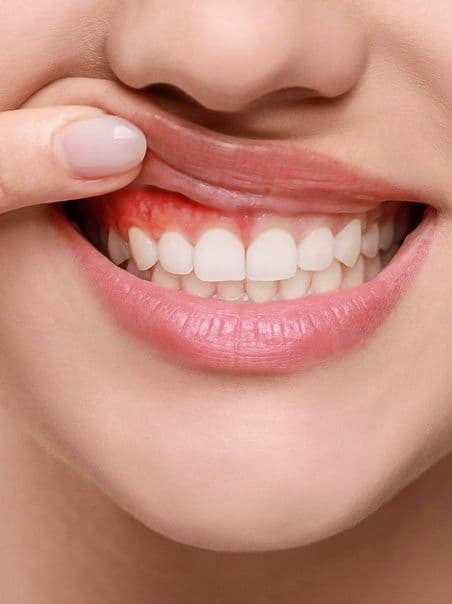
Gum recession occurs when the gum margin moves away from its original position and exposes part of the tooth root. At Bourgeois Dental Clinic in Dubai, treatment begins by identifying whether the recession is related to periodontal disease, thin gum tissue, brushing trauma, tooth position, grinding, smoking, orthodontic movement, restoration problems, or another contributing factor.
What Is Gum Recession?
Gum recession is the loss or displacement of soft tissue around a tooth. It can affect one tooth, several teeth, or multiple areas throughout the mouth.
Because root surfaces are not protected by enamel in the same way as the visible crown of the tooth, recession may increase sensitivity, root-decay risk, food trapping, and difficulty maintaining the gumline.
What Are the Signs of Receding Gums?
- Teeth appearing longer
- Visible yellow or darker root surfaces
- Sensitivity to cold, heat, sweets, or brushing
- A notch near the gumline
- Uneven gum margins
- Food trapping between teeth
- Bleeding or swollen gums
- Changes around crowns or veneers
- Difficulty cleaning an exposed root
- Progressive recession around a dental implant
What Causes Gum Recession?
Possible causes and contributing factors include:
- Periodontitis and periodontal attachment loss
- Thin gum tissue or a thin underlying bone profile
- Aggressive or incorrect toothbrushing
- Hard-bristled toothbrushes
- Teeth positioned outside the supporting bone
- Orthodontic movement in selected cases
- Grinding and clenching
- Smoking or tobacco use
- Plaque and calculus accumulation
- Trauma from oral piercings or habits
- High or restrictive frenum attachment
- Overhanging or poorly positioned restorations
- Age-related tissue changes
Is Gum Recession Always Caused by Gum Disease?
No. Recession can occur with healthy-looking gums because of thin tissue, tooth position, brushing trauma, orthodontic factors, or muscle attachments.
However, recession accompanied by bleeding, deep pockets, bone loss, mobility, or pus may indicate active periodontal disease and requires a complete gum assessment.
How Is Gum Recession Assessed?
The dentist reviews when the recession was first noticed, whether it is progressing, sensitivity, brushing technique, orthodontic history, smoking, grinding, medical factors, and previous gum treatment.
The clinical assessment may include:
- Recession measurement: Measuring the distance between the gum margin and its expected position.
- Periodontal probing: Checking pocket depth, bleeding, and attachment loss.
- Tissue assessment: Evaluating gum thickness, width, inflammation, and tissue quality.
- Tooth-position assessment: Reviewing whether the tooth is positioned within the supporting bone.
- Root-surface examination: Checking sensitivity, decay, wear, or cervical defects.
- Bite assessment: Reviewing grinding, clenching, and excessive functional forces.
- Frenum assessment: Determining whether a muscle attachment pulls on the gum margin.
- Dental imaging: Reviewing bone support, roots, and periodontal conditions when required.
Can Receding Gums Grow Back Naturally?
Lost gum tissue does not usually regenerate on its own. The gumline may become less inflamed after treatment, but established root exposure generally remains unless tissue is repositioned or added surgically.
Non-surgical care can still be important for controlling the cause, reducing sensitivity, preventing progression, and protecting the exposed root.
How Is Gum Recession Treated?
Treatment depends on the cause, severity, symptoms, bone support, tooth position, tissue thickness, and whether the recession is stable or progressing.
Options may include:
- Improving toothbrushing technique
- Changing to a soft-bristled toothbrush
- Using sensitivity toothpaste or fluoride products
- Professional plaque and calculus removal
- Deep cleaning and root planing when periodontitis is present
- Repairing root-surface wear or decay
- Correcting plaque-retentive restorations
- Managing grinding and clenching
- Orthodontic assessment when tooth position contributes
- Frenectomy in selected cases
- Gum grafting when clinically appropriate
- Monitoring stable, symptom-free recession
When Is Monitoring Appropriate?
Monitoring may be appropriate when recession is shallow, stable, easy to clean, free from active disease, and not causing significant sensitivity or cosmetic concern.
Regular measurements are important because gradual progression may not be obvious to the patient.
How Is Root Sensitivity Treated?
Exposed roots may respond to:
- Desensitising toothpaste
- Topical fluoride treatment
- Protective varnishes or bonding agents
- Restoration of a worn or decayed root surface
- Adjustment of brushing habits
- Gum grafting in suitable cases
Sensitivity can also be caused by decay, cracks, leaking restorations, or pulp inflammation, so diagnosis is important.
Can Gum Recession Cause Root Decay?
Yes. Root surfaces are softer and more vulnerable to decay than enamel. Recession can also create areas that trap plaque or are difficult to clean.
Fluoride use, diet review, professional maintenance, and restoration of active root decay may be recommended.
Can Brushing Too Hard Cause Recession?
Aggressive brushing can contribute to gum trauma and cervical tooth wear, particularly when the tissue is thin.
The dentist may recommend a softer brush, lighter pressure, an electric toothbrush with pressure control, and a modified brushing technique.
Can Orthodontic Treatment Cause Gum Recession?
Orthodontic movement does not automatically cause recession, but moving a tooth outside its supporting bone or treating a patient with thin tissues may increase risk.
Periodontal assessment may be recommended before, during, or after orthodontic treatment when gum thickness or recession is a concern.
Can Grinding Contribute to Recession?
Grinding and clenching may increase stress on teeth, contribute to cervical wear, and worsen sensitivity or restoration damage.
A direct cause-and-effect relationship is not present in every case, but bite assessment and a custom night guard may be considered when bruxism is clinically relevant.
When Is Gum Grafting Recommended?
Gum grafting may be considered when recession is progressing, tissue is very thin, root sensitivity is difficult to control, cleaning is uncomfortable, root coverage is desired, or additional tissue is needed before restorative, orthodontic, or implant care.
Complete root coverage cannot be guaranteed. Results depend on the recession pattern, bone support, tooth position, tissue quality, smoking, hygiene, and healing response.
Can Gum Recession Affect Veneers or Crowns?
Yes. Recession may expose crown or veneer margins, create colour differences, increase sensitivity, or affect appearance.
Active gum disease should be controlled before replacing cosmetic or restorative work. Treatment may involve gum care, grafting, restoration replacement, or a combined plan.
What Happens If Recession Is Left Untreated?
Stable recession may remain unchanged, while progressive recession can increase root exposure, sensitivity, decay risk, food trapping, and cosmetic concerns.
When periodontal disease is the cause, additional attachment and bone loss may occur without treatment.
How to Prevent Further Gum Recession
- Brush gently with a soft-bristled toothbrush
- Avoid aggressive horizontal scrubbing
- Clean between teeth every day
- Attend periodontal reviews
- Treat plaque and calculus accumulation
- Avoid smoking and tobacco products
- Manage grinding and clenching
- Use fluoride or sensitivity products as recommended
- Seek assessment for changing gumlines or exposed roots
Gum Recession Treatment on Sheikh Zayed Road
Bourgeois Dental Clinic is located on the first floor of Indigo Sky Building, Sheikh Zayed Road, Exit 41, near Al Thanya Street in Dubai. The clinic is accessible from Al Barsha, Umm Al Sheif, Umm Suqeim, Jumeirah, Al Quoz, Barsha Heights, The Greens, Dubai Marina, and nearby communities.
Book a gum-recession assessment for exposed roots, tooth sensitivity, uneven gum margins, progressive recession, or changes around crowns, veneers, or implants.
Department
Periodontics and Gum Treatment
FAQ
Frequently Asked Questions
BOOK AN
Appointment
Working Hours
We are here to serve you