


Dental Frenectomy
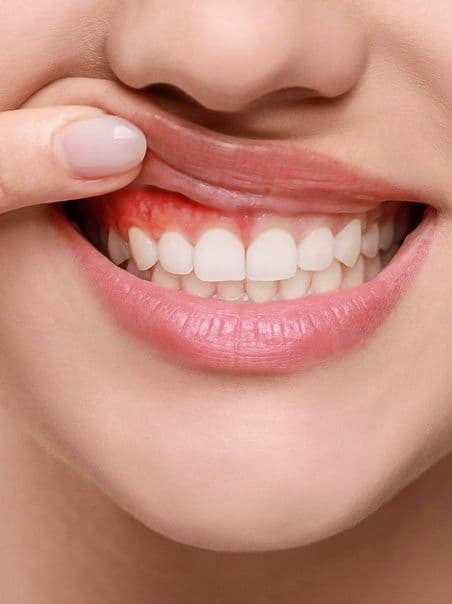
A dental frenectomy is a procedure that releases, removes, or repositions a restrictive band of tissue connecting the lip, cheek, or tongue to surrounding oral structures. The procedure is recommended only when the frenum contributes to a clinically identified gum, orthodontic, restorative, speech, feeding, cleaning, or functional concern.
At Bourgeois Dental Clinic in Dubai, assessment focuses on symptoms, gum tension, tooth position, oral movement, speech or function, periodontal health, age, and whether treatment should be coordinated with orthodontic, restorative, or other care.
What Is an Oral Frenum?
A frenum is a natural fold of tissue connecting two areas of the mouth. Common examples include:
- Upper lip frenum: Connects the inside of the upper lip to the gum above the front teeth.
- Lower lip frenum: Connects the lower lip to the lower gum.
- Buccal frenum: Connects the cheek to the gum.
- Lingual frenum: Connects the underside of the tongue to the floor of the mouth.
Most frena are normal and do not require treatment.
When May a Frenectomy Be Considered?
The procedure may be considered when a restrictive frenum contributes to:
- Pulling or blanching of the gum margin
- Progressive gum recession
- Difficulty brushing or cleaning the area
- A persistent space between the upper front teeth
- Interference with orthodontic treatment or stability
- Movement of a denture during function
- Limited tongue movement
- Selected speech or oral-function concerns
- Feeding difficulties in appropriately assessed patients
- Repeated trauma or discomfort
- Difficulty maintaining a restorative or implant area
Does Every Prominent Frenum Need Treatment?
No. A visible or thick frenum is not automatically abnormal.
Treatment should be based on symptoms, gum tension, functional limitation, orthodontic planning, recession, cleaning difficulty, or another confirmed clinical problem.
What Is a Lip Frenectomy?
A lip frenectomy modifies the tissue connecting the upper or lower lip to the gum.
It may be considered when the tissue pulls on the gum margin, contributes to recession, interferes with cleaning, affects denture stability, or is associated with a persistent space between teeth after appropriate orthodontic assessment.
What Is a Tongue-Tie Frenectomy?
A tongue-tie procedure modifies a restrictive lingual frenum that limits tongue movement.
Suitability depends on functional findings rather than appearance alone. Assessment may consider tongue elevation, extension, speech, oral hygiene, swallowing, feeding, discomfort, and compensatory movement.
Can a Frenum Cause Gum Recession?
A high or restrictive frenum may pull on the gum margin and contribute to recession in selected cases, especially when the tissue is thin.
Other causes such as periodontitis, brushing trauma, tooth position, smoking, and orthodontic movement must also be evaluated through a gum-recession assessment.
Can Frenectomy Close a Gap Between Front Teeth?
A frenectomy does not move teeth together by itself.
When a frenum contributes to a persistent space between the upper front teeth, orthodontic treatment may be required to close the space. The timing of frenectomy is coordinated with the orthodontic plan to reduce unnecessary scar tissue and support stability.
Should Frenectomy Be Done Before or After Orthodontic Treatment?
The timing depends on age, tooth eruption, gap size, gum tension, and the orthodontic plan.
In many cases, the space is closed orthodontically before the frenum is treated. Other cases may require earlier treatment because of gum pulling or functional concerns.
Can Frenectomy Help with Denture Stability?
A high or tight frenum can dislodge a removable denture during lip or cheek movement.
Frenectomy may be considered before or after denture treatment when the tissue interferes with the denture border or function.
Can Frenectomy Help with Speech?
A restrictive tongue frenum may contribute to selected speech difficulties, but not every speech concern is caused by tongue-tie.
Assessment may involve coordination with a speech and language professional. Frenectomy alone does not guarantee speech improvement, and functional exercises may be recommended.
What Happens During the Consultation?
The dentist reviews symptoms, age, medical history, gum recession, tooth spacing, orthodontic history, tongue or lip movement, speech, feeding, denture use, and previous treatment.
The assessment may include:
- Visual examination: Reviewing the frenum position, thickness, and attachment.
- Tension test: Checking whether lip or tongue movement pulls on the gum.
- Gum assessment: Evaluating recession, tissue thickness, and inflammation.
- Movement assessment: Reviewing lip, cheek, or tongue range of motion.
- Orthodontic assessment: Considering tooth spacing and treatment timing.
- Functional review: Evaluating cleaning, speech, feeding, swallowing, or denture concerns.
- Treatment coordination: Determining whether periodontal, orthodontic, restorative, speech, or other care is also needed.
How Is a Frenectomy Performed?
The procedure may be completed using a surgical blade, electrosurgical instrument, laser, or another suitable method according to the tissue, treatment objective, clinician assessment, and equipment available.
Typical stages may include:
- Local anaesthesia: Numbing the treatment area.
- Tissue release: Releasing or removing the restrictive fibres.
- Repositioning: Adjusting the tissue attachment when needed.
- Bleeding control: Managing the surgical site.
- Sutures: Placing stitches when required.
- Aftercare instruction: Explaining cleaning, diet, movement, and review requirements.
Is Laser Frenectomy Better?
Laser treatment may offer selected advantages such as controlled cutting and bleeding management, while conventional surgery may be preferable in other situations.
No single method is best for every patient. The choice depends on tissue type, treatment depth, age, healing needs, equipment, clinician judgment, and the planned outcome.
Is Frenectomy Painful?
Local anaesthesia is used during the procedure. Temporary tenderness, swelling, tightness, or minor bleeding may occur afterward.
Discomfort varies according to the treatment area, depth, technique, age, and healing response.
How Long Does Healing Take?
Initial healing usually occurs during the first one to two weeks, while deeper tissue maturation continues for longer.
Healing time depends on the size of the procedure, oral hygiene, smoking, medical factors, and whether the patient follows movement or exercise instructions.
Are Exercises Needed After Frenectomy?
Selected tongue or lip procedures may require stretching or functional exercises to reduce reattachment and improve movement.
Exercises should be prescribed according to the procedure and patient needs. Excessive or incorrect stretching can irritate the surgical site.
What Can I Eat After Frenectomy?
Soft, cool, and non-irritating foods may be more comfortable during early healing.
Very hot, spicy, hard, sharp, or acidic foods may irritate the surgical area. Patients should follow the specific instructions provided after treatment.
How Should the Area Be Cleaned?
Gentle oral hygiene is important. Direct brushing over the surgical site may be modified temporarily according to the dentist's instructions.
A recommended rinse may be used when appropriate. The patient should not pull the lip or tongue repeatedly to inspect the wound.
What Are the Risks and Limitations?
- Pain or swelling
- Bleeding
- Infection
- Scar formation
- Reattachment of the tissue
- Incomplete improvement in movement or function
- Temporary numbness or altered sensation
- Damage to nearby structures in rare cases
- Need for repeat treatment
- Need for orthodontic, speech, periodontal, or restorative care
Can the Frenum Grow Back?
The tissue can partially reattach during healing, particularly when the release is limited or recommended exercises are not followed.
Complete prevention of reattachment cannot be guaranteed.
Can Frenectomy Be Combined with Gum Grafting?
Yes. When a restrictive frenum contributes to gum recession or thin tissue, frenectomy may be combined with or timed around gum grafting.
The sequence depends on tissue condition, recession pattern, healing, and treatment goals.
When Should You Contact the Clinic?
Contact the clinic for persistent bleeding, increasing swelling, fever, pus, severe pain, wound reopening, difficulty eating or drinking, or concerns about healing.
Breathing or swallowing difficulty requires urgent medical assessment.
Dental Frenectomy on Sheikh Zayed Road
Bourgeois Dental Clinic is located on the first floor of Indigo Sky Building, Sheikh Zayed Road, Exit 41, near Al Thanya Street in Dubai. The clinic is accessible from Al Barsha, Umm Al Sheif, Umm Suqeim, Jumeirah, Al Quoz, Barsha Heights, The Greens, Dubai Marina, and surrounding communities.
Book a frenectomy assessment for gum pulling, recession, cleaning difficulty, a restrictive tongue or lip frenum, orthodontic spacing, denture instability, or functional concerns.
Department
Periodontics and Gum Treatment
FAQ
Frequently Asked Questions
BOOK AN
Appointment
Working Hours
We are here to serve you