


Periodontitis Treatment
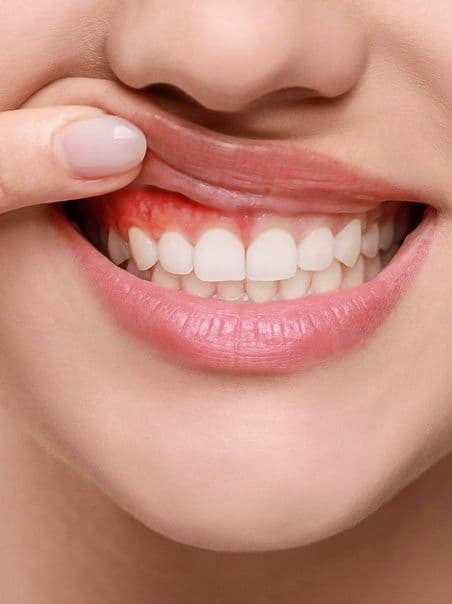
Periodontitis is an inflammatory disease that damages the gum attachment and bone supporting the teeth. At Bourgeois Dental Clinic in Dubai, treatment aims to control infection and inflammation, clean root surfaces, improve daily plaque control, reduce disease progression, and maintain suitable natural teeth for as long as clinically possible.
What Is Periodontitis?
Periodontitis develops when inflammation extends beyond the superficial gum tissue and affects the periodontal ligament and supporting bone.
The condition may be localised to a few teeth or generalised across much of the mouth. It can progress slowly or more rapidly depending on risk factors and individual susceptibility.
How Is Periodontitis Different from Gingivitis?
Gingivitis affects mainly the gums and does not involve confirmed loss of supporting attachment or bone.
Periodontitis involves irreversible attachment and bone loss. Treatment can control inflammation and reduce further damage, but routine cleaning does not automatically restore all previously lost support.
What Causes Periodontitis?
Bacterial plaque is a primary cause, but several factors influence progression:
- Plaque and calculus below the gumline
- Smoking and tobacco use
- Diabetes, especially when poorly controlled
- Genetic susceptibility
- Previous untreated gingivitis
- Dry mouth
- Stress and reduced oral care
- Crowded or difficult-to-clean teeth
- Leaking or overhanging restorations
- Selected medical conditions or medications
- Irregular periodontal maintenance
What Are the Symptoms of Periodontitis?
Possible signs include:
- Bleeding gums
- Red, swollen, or tender gums
- Persistent bad breath
- Deep gum pockets
- Gum recession
- Exposed and sensitive roots
- Food trapping
- Pus or drainage from the gums
- Loose teeth
- Changes in tooth position
- New spaces between teeth
- Pain when chewing
- Gum abscesses
Periodontitis may cause limited pain until the disease becomes advanced.
How Is Periodontitis Diagnosed?
The dentist combines clinical findings, periodontal measurements, risk factors, and dental imaging.
The assessment may include:
- Periodontal probing: Measuring pocket depth around each tooth.
- Bleeding assessment: Recording inflamed sites.
- Attachment measurement: Evaluating loss of tooth-supporting attachment.
- Recession assessment: Measuring exposed root surfaces.
- Mobility assessment: Checking tooth movement.
- Furcation assessment: Reviewing bone loss between molar roots.
- Bite assessment: Identifying excessive forces on weakened teeth.
- Dental imaging: Evaluating bone levels, roots, calculus, and other dental conditions.
- Risk assessment: Reviewing smoking, diabetes, hygiene, family history, and previous disease.
How Is Periodontitis Classified?
The dentist may describe the disease according to:
- Severity of attachment and bone loss
- Number of affected teeth
- Complexity of treatment
- History or expected rate of progression
- Smoking and diabetes risk
- Tooth mobility and bite changes
Classification supports treatment planning and maintenance frequency but does not replace individual assessment.
How Is Periodontitis Treated?
Treatment depends on disease severity, pocket depth, bone loss, tooth anatomy, smoking, diabetes, and response to initial care.
It may include:
- Personalised oral-hygiene instruction
- Interdental cleaning
- Deep cleaning and root planing
- Removal of plaque and calculus below the gumline
- Correction of plaque-retentive restorations
- Management of smoking and medical risk factors
- Treatment of gum abscesses
- Periodontal surgery in selected sites
- Regenerative procedures in selected defects
- Splinting or bite management in selected mobile teeth
- Extraction of teeth with a poor or hopeless prognosis
- Ongoing periodontal maintenance
What Is Deep Cleaning and Root Planing?
Scaling removes plaque and hardened calculus above and below the gumline. Root planing cleans contaminated root surfaces and supports healing of the surrounding gum tissue.
Treatment may be completed by quadrant or section and may require local anaesthesia.
Is Deep Cleaning Enough for Every Case?
No. Some patients respond well to non-surgical treatment, while deeper or complex sites may remain inflamed.
Persistent areas may require:
- Additional root-surface cleaning
- Correction of restoration problems
- Periodontal surgery
- Regenerative treatment
- Extraction when support is insufficient
What Happens After Initial Treatment?
A periodontal review is used to reassess:
- Pocket depth
- Bleeding
- Plaque control
- Gum swelling
- Tooth mobility
- Patient comfort
- Sites requiring further treatment
Improvement depends partly on the patient's daily cleaning and risk-factor control.
Can Lost Bone Grow Back?
Routine cleaning does not automatically regenerate lost bone. The initial goal is to control inflammation and prevent additional destruction.
Selected bone defects may be considered for regenerative procedures, but results depend on defect shape, tooth anatomy, tissue condition, smoking, oral hygiene, and healing.
Can Periodontitis Be Cured Permanently?
Periodontitis is generally managed as a long-term condition. Previous bone and attachment loss increase future disease risk.
Treatment and maintenance can help stabilise the condition, but continued daily cleaning and professional monitoring remain necessary.
Can Periodontitis Cause Loose Teeth?
Yes. Loss of bone and attachment can reduce tooth support and cause mobility, drifting, spacing, or bite changes.
Mobility may also be affected by grinding, clenching, infection, or root problems. The complete cause should be assessed.
Can Loose Teeth Be Saved?
Some mobile teeth may be retained if inflammation can be controlled and sufficient support remains.
Treatment may include:
- Deep cleaning
- Periodontal surgery
- Bite adjustment when clinically justified
- Splinting in selected cases
- Restorative treatment
- Night-guard use
- Maintenance care
Teeth with severe bone loss, uncontrolled infection, deep fractures, or inadequate support may require extraction.
Can Periodontitis Cause Gum Abscesses?
Yes. A deep periodontal pocket can become blocked and develop a localised collection of infection.
A gum abscess may cause swelling, pain, pus, an unpleasant taste, tooth mobility, or discomfort when biting.
Are Antibiotics Used for Periodontitis?
Antibiotics are not automatically prescribed for every periodontal case. Mechanical removal of plaque and calculus and improvement of daily cleaning remain central.
Local or systemic antimicrobials may be considered in selected cases based on disease pattern, infection spread, medical risk, and response to treatment.
How Does Smoking Affect Treatment?
Smoking increases periodontal disease risk, affects healing, and can reduce visible bleeding even when disease is active.
Stopping tobacco use can support periodontal health and improve treatment response.
How Does Diabetes Affect Periodontitis?
Periodontal inflammation and diabetes can influence one another. Poorly controlled diabetes may increase infection and healing risks.
Periodontal treatment should be coordinated with appropriate medical diabetes management.
Can Periodontitis Affect Dental Implants?
Patients with a history of periodontitis may have an increased risk of inflammation around dental implants, especially when smoking, poor plaque control, or irregular maintenance is present.
Implants require ongoing professional and home care.
Why Is Periodontal Maintenance Essential?
After active treatment, bacteria and calculus can reaccumulate. Maintenance appointments help monitor pockets, bleeding, mobility, implants, bone support, and cleaning effectiveness.
The interval is personalised according to disease risk and treatment response.
How to Care for Periodontitis at Home
- Brush twice daily with fluoride toothpaste
- Clean between teeth every day
- Use correctly sized interdental brushes
- Clean beneath bridges and around implants
- Avoid smoking and tobacco products
- Manage diabetes with medical support
- Attend periodontal maintenance appointments
- Report swelling, pus, mobility, or bite changes promptly
What Happens If Periodontitis Is Not Treated?
The disease may progress and cause increasing bone loss, deeper pockets, gum recession, abscesses, tooth movement, chewing difficulty, and eventual tooth loss.
Progression varies, but absence of pain does not mean the condition is stable.
Periodontitis Treatment on Sheikh Zayed Road
Bourgeois Dental Clinic is located on the first floor of Indigo Sky Building, Sheikh Zayed Road, Exit 41, near Al Thanya Street in Dubai. The clinic is convenient for patients from Al Barsha, Umm Al Sheif, Umm Suqeim, Jumeirah, Al Quoz, Barsha Heights, The Greens, Dubai Marina, and surrounding areas.
Book a periodontitis assessment for deep gum pockets, bone loss, recession, loose teeth, bleeding, gum swelling, or persistent bad breath.
Department
Periodontics and Gum Treatment
FAQ
Frequently Asked Questions
BOOK AN
Appointment
Working Hours
We are here to serve you