


Gum Abscess Treatment
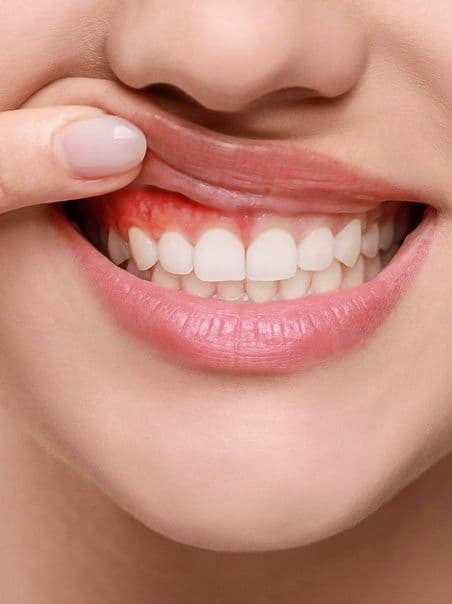
A gum abscess is a localised collection of infection within the gum and periodontal tissues surrounding a tooth. At Bourgeois Dental Clinic in Dubai, treatment focuses on relieving pressure when required, identifying the source, cleaning the affected periodontal area, controlling infection, evaluating tooth support, and preventing recurrence.
What Is a Gum Abscess?
A gum abscess, also called a periodontal abscess when it involves the tooth-supporting tissues, develops when bacteria and infected material become trapped within the gum or a periodontal pocket.
It can occur beside a natural tooth, around a deep gum pocket, beneath the gumline, or around a dental implant. The source must be identified because gum, root, and implant infections require different treatment plans.
What Is the Difference Between a Gum Abscess and a Tooth Abscess?
A gum abscess usually originates from the periodontal tissues, a deep gum pocket, trapped material, or gum disease.
A dental or root abscess commonly originates from infection inside the tooth and around the root tip.
Similar symptoms can occur in both conditions, so examination, pulp testing, periodontal measurements, and dental imaging may be required.
What Causes a Gum Abscess?
Possible causes include:
- A deep periodontal pocket
- Advanced periodontitis
- Calculus and bacterial deposits below the gumline
- Food or a foreign object trapped beneath the gum
- Closure of a pocket opening while infection remains deeper inside
- Incomplete periodontal cleaning
- A damaged restoration that traps plaque
- Root-surface irregularities
- Trauma to the gum
- Infection around a partially erupted tooth
- Inflammation around a dental implant
What Are the Symptoms of a Gum Abscess?
- Localised gum swelling
- A tender lump beside a tooth
- Pain when biting or chewing
- Pus or drainage from the gum
- An unpleasant taste or smell
- Red or shiny gum tissue
- Tooth mobility
- Deep gum pockets
- Bleeding
- Persistent bad breath
- Facial swelling in more advanced infection
- Fever or weakness when infection spreads
Can a Gum Abscess Be Painless?
Yes. Some abscesses drain through the gum and cause limited pain. The patient may notice only a pimple, bad taste, bleeding, or localised swelling.
Drainage does not mean that the source of infection has resolved.
How Is a Gum Abscess Diagnosed?
The dentist reviews pain, swelling, drainage, fever, previous gum disease, recent dental treatment, food trapping, implant history, medical conditions, smoking, and diabetes.
The examination may include:
- Visual examination: Checking swelling, redness, drainage, and restoration problems.
- Periodontal probing: Measuring pocket depth and identifying the path of infection.
- Pulp testing: Determining whether the tooth nerve is healthy or infected.
- Mobility assessment: Checking the support of the affected tooth.
- Bite testing: Evaluating pain and pressure around the tooth.
- Dental imaging: Reviewing bone loss, root infection, calculus, fractures, and implant support.
- Spread assessment: Determining whether the infection is localised or extending into the face or deeper tissues.
How Is a Gum Abscess Treated?
Treatment depends on the source, severity, tooth prognosis, and spread of infection.
It may include:
- Drainage through the gum pocket
- A small gum incision for drainage when clinically appropriate
- Removal of trapped food or foreign material
- Deep cleaning and root planing
- Cleaning the affected periodontal pocket
- Removal of plaque and calculus
- Correction of a plaque-retentive restoration
- Root canal treatment when infection originates inside the tooth
- Periodontal surgery in selected cases
- Antibiotics when clinically indicated
- Extraction when the tooth has a poor or hopeless prognosis
Does Draining a Gum Abscess Cure It?
Drainage can reduce pressure, pain, and the amount of infected material, but it does not necessarily remove the underlying cause.
Further periodontal cleaning, root treatment, restoration correction, implant care, or extraction may still be required.
Are Antibiotics Always Needed?
No. A localised gum abscess may be treated through drainage and cleaning of the source.
Antibiotics may be considered when infection is spreading, fever or systemic symptoms are present, swelling is extensive, drainage cannot be established, or medical factors increase risk.
Antibiotics do not remove calculus, clean root surfaces, repair fractures, or eliminate trapped material.
Can I Pop a Gum Abscess at Home?
No. Squeezing, puncturing, or cutting the swelling can spread infection, damage tissues, cause bleeding, and delay appropriate treatment.
Do not place chemicals, aspirin, sharp objects, or excessive heat on the area.
Can a Gum Abscess Go Away on Its Own?
Symptoms may temporarily improve if the abscess drains, but the periodontal pocket, calculus, trapped object, root infection, or implant problem can remain.
Untreated infection may return, damage supporting bone, increase tooth mobility, or spread.
Can a Deep Gum Pocket Cause an Abscess?
Yes. A deep pocket can trap bacteria and calculus. If the opening becomes blocked while infection remains deeper inside, pressure and pus can accumulate.
Periodontal pocket treatment and ongoing maintenance may be required after the acute abscess is controlled.
Can a Gum Abscess Make a Tooth Loose?
Yes. Inflammation and bone loss can temporarily or permanently reduce tooth support.
The dentist evaluates whether mobility is caused by the abscess, advanced periodontitis, bite forces, root fracture, or another condition.
Can an Abscess Form Around a Dental Implant?
Yes. Infection and pus may develop around an implant because of peri-implant inflammation, plaque accumulation, restoration problems, trapped cement, or bone loss.
These cases require assessment for peri-implantitis. Implant mobility is a serious finding and needs prompt evaluation.
When Is Extraction Required?
Extraction may be recommended when:
- The tooth has severe periodontal bone loss
- A vertical root fracture is present
- The tooth is structurally unrestorable
- Infection repeatedly returns despite appropriate treatment
- The tooth has severe mobility and inadequate support
- The affected root or tooth has a poor prognosis
What Happens After the Acute Infection Is Controlled?
Follow-up care may include:
- Periodontal reassessment
- Deep cleaning and root planing
- Periodontal maintenance
- Treatment of remaining pockets
- Correction of damaged restorations
- Root canal treatment
- Periodontal surgery
- Extraction and replacement planning
- Dental implant maintenance
When Is a Gum Abscess an Emergency?
Prompt dental assessment is recommended for increasing swelling, severe pain, fever, pus, facial swelling, rapid tooth mobility, or difficulty opening the mouth.
Difficulty breathing or swallowing, swelling spreading into the neck or around the eye, severe weakness, or confusion requires urgent medical attention.
What Can You Do Before the Appointment?
- Keep the area clean with gentle brushing
- Avoid chewing on the affected side
- Do not squeeze or puncture the swelling
- Use pain medicine only according to medical or professional instructions
- Apply a cold compress externally when appropriate
- Report fever, facial swelling, or swallowing difficulty immediately
- Bring a list of medications and allergies
How to Reduce the Risk of Gum Abscesses
- Brush twice daily with fluoride toothpaste
- Clean between teeth every day
- Attend periodontal maintenance appointments
- Treat deep gum pockets
- Remove plaque and calculus professionally
- Correct restorations that trap plaque
- Avoid smoking and tobacco
- Manage diabetes with appropriate medical care
- Seek assessment for swelling, pus, food trapping, or tooth mobility
Gum Abscess Treatment on Sheikh Zayed Road
Bourgeois Dental Clinic is located on the first floor of Indigo Sky Building, Sheikh Zayed Road, Exit 41, near Al Thanya Street in Dubai. The clinic is accessible from Al Barsha, Umm Al Sheif, Umm Suqeim, Jumeirah, Al Quoz, Barsha Heights, The Greens, Dubai Marina, and surrounding communities.
Book an urgent gum-abscess assessment for gum swelling, pus, pain when biting, an unpleasant taste, tooth mobility, or infection around a dental implant.
Department
Periodontics and Gum Treatment
FAQ
Frequently Asked Questions
BOOK AN
Appointment
Working Hours
We are here to serve you