


Periodontal Pocket Treatment
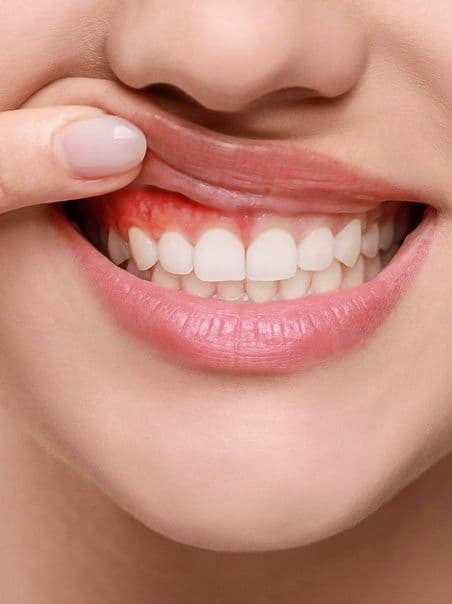
Periodontal pockets are deepened spaces between the teeth and gums caused by inflammation, swelling, and loss of periodontal attachment. At Bourgeois Dental Clinic in Dubai, treatment aims to reduce bacterial deposits, control inflammation, improve cleaning access, stabilise the supporting tissues, and identify sites that require additional non-surgical or surgical care.
What Is a Periodontal Pocket?
A shallow space naturally exists between each tooth and the surrounding gum. When gum disease damages the attachment around a tooth, this space can become deeper and form a periodontal pocket.
Deep pockets can retain plaque, calculus, food debris, and bacteria below the gumline, making the area difficult to clean with a normal toothbrush.
What Causes Deep Gum Pockets?
- Periodontitis
- Plaque and calculus below the gumline
- Swollen inflamed gum tissue
- Loss of periodontal attachment
- Loss of supporting bone
- Smoking and tobacco use
- Poorly controlled diabetes
- Restorations that retain plaque
- Crowded or difficult-to-clean teeth
- Irregular periodontal maintenance
- Localised root or tooth anatomy
What Symptoms Can Periodontal Pockets Cause?
Possible signs include:
- Bleeding during brushing or probing
- Swollen or tender gums
- Persistent bad breath
- Food trapping
- Pus or gum drainage
- Gum recession
- Loose teeth
- Changes in tooth position
- Pain when chewing
- A localised gum abscess
Some deep pockets produce no pain and are detected only during a periodontal examination.
How Are Gum Pockets Measured?
A periodontal probe is gently placed between the tooth and gum to measure pocket depth at several points around each tooth.
The measurement is interpreted together with:
- Bleeding
- Gum recession
- Clinical attachment loss
- Bone levels on dental imaging
- Tooth mobility
- Furcation involvement
- Plaque and calculus
- Previous measurements
A deeper measurement does not always represent the same level of damage because swollen gums and established attachment loss can both increase probing depth.
What Is a False or Pseudopocket?
A pseudopocket occurs when the gum is enlarged or swollen without equivalent attachment loss. The space appears deeper because the gum margin has moved upward rather than because the supporting tissues have been destroyed.
Treatment focuses on reducing inflammation and controlling the cause of the enlargement.
What Is a True Periodontal Pocket?
A true periodontal pocket involves loss of the attachment connecting the gum to the tooth and may be associated with bone loss.
It generally requires structured periodontal treatment and ongoing maintenance.
How Are Periodontal Pockets Treated?
Treatment depends on pocket depth, bleeding, bone support, tooth anatomy, smoking, diabetes, oral hygiene, and previous response.
Options may include:
- Personalised plaque-control instruction
- Daily interdental cleaning
- Deep cleaning and root planing
- Removal of plaque and calculus below the gumline
- Correction of plaque-retentive restorations
- Treatment of localised infection or gum abscess
- Periodontal maintenance
- Periodontal surgery for selected persistent pockets
- Regenerative treatment for selected bone defects
- Extraction when a tooth has insufficient support
Can Deep Cleaning Reduce Gum Pockets?
Yes. Deep cleaning can reduce inflammation and swelling, improve gum firmness, and decrease probing depth in many sites.
However, very deep, complex, furcation-related, or anatomically difficult pockets may remain after non-surgical treatment.
When Are Pockets Reassessed?
The gums require time to heal after active treatment. A periodontal review is then used to remeasure pockets and bleeding and evaluate plaque control.
The dentist identifies:
- Sites that have improved
- Sites that remain inflamed
- Areas with persistent calculus
- Pockets that require additional treatment
- Teeth with mobility or poor prognosis
When Is Periodontal Surgery Considered?
Surgical treatment may be considered when deep pockets remain despite appropriate non-surgical care and good home cleaning.
Possible objectives include:
- Improving access to root surfaces
- Reducing pocket depth
- Reshaping damaged supporting tissues
- Regenerating selected periodontal defects
- Improving the patient's ability to clean the area
Surgery is not automatically required for every deep pocket.
What Is Pocket-Reduction Surgery?
Pocket-reduction surgery involves lifting or repositioning gum tissue to gain access to the roots and supporting bone, removing deposits, and reshaping or repositioning tissues when clinically appropriate.
The procedure may make teeth appear longer because the gumline is positioned to create a more maintainable area.
Can Lost Bone Be Regenerated?
Routine pocket treatment does not automatically regrow lost bone.
Selected vertical or contained bone defects may be considered for regenerative procedures using membranes, graft materials, biologic agents, or a combination. Results depend on defect shape, smoking, tooth anatomy, hygiene, and healing.
Can Antibiotics Close Gum Pockets?
Antibiotics do not mechanically remove plaque or calculus and do not replace root-surface cleaning.
Local or systemic antimicrobial treatment may be considered in selected cases, but the decision depends on disease pattern, infection spread, medical factors, and response to treatment.
Can Mouthwash Treat Deep Pockets?
Mouthwash may reduce some bacteria in the mouth but cannot predictably clean hardened calculus or deeply contaminated root surfaces.
It may support, but does not replace, professional periodontal treatment and interdental cleaning.
Can Deep Pockets Cause Loose Teeth?
Deep pockets can be associated with significant attachment and bone loss, which may reduce tooth support and lead to mobility.
Mobility may also be affected by grinding, bite forces, infection, or root damage. The prognosis depends on the complete condition.
Can a Deep Pocket Become an Abscess?
Yes. A pocket may become blocked and develop a localised collection of infection.
Gum abscess treatment may involve drainage, root cleaning, removal of trapped material, and treatment of the underlying periodontal condition.
Can Pockets Form Around Dental Implants?
Yes. Deepening pockets, bleeding, pus, and bone loss can occur around dental implants.
These signs require assessment for peri-implant mucositis or peri-implantitis. Implant pocket measurements are interpreted differently from natural teeth and should be evaluated with the restoration, bone levels, and implant stability.
How Can Patients Clean Deep Pocket Areas?
The dentist may recommend:
- Soft manual or electric toothbrush
- Interdental brushes of appropriate size
- Single-tufted brushes
- Floss or floss threaders
- Cleaning beneath bridges
- Implant-specific cleaning aids
- Water irrigation as an additional tool
Home cleaning supports treatment but cannot remove hardened calculus below the gumline.
How Often Is Maintenance Needed?
The maintenance interval depends on residual pocket depth, bleeding, bone loss, smoking, diabetes, plaque control, implants, and disease stability.
Patients with deeper residual pockets generally require closer monitoring.
What Happens If Periodontal Pockets Are Left Untreated?
Persistent pockets may allow ongoing bacterial accumulation and contribute to further attachment loss, bone loss, recession, abscesses, mobility, and tooth loss.
The rate of progression varies, and the absence of pain does not confirm stability.
Periodontal Pocket Treatment on Sheikh Zayed Road
Bourgeois Dental Clinic is located on the first floor of Indigo Sky Building, Sheikh Zayed Road, Exit 41, near Al Thanya Street in Dubai. The clinic is accessible from Al Barsha, Umm Al Sheif, Umm Suqeim, Jumeirah, Al Quoz, Barsha Heights, The Greens, Dubai Marina, and surrounding communities.
Book a periodontal pocket assessment for deep gum measurements, bleeding, bone loss, food trapping, gum drainage, loose teeth, or persistent bad breath.
Department
Periodontics and Gum Treatment
FAQ
Frequently Asked Questions
BOOK AN
Appointment
Working Hours
We are here to serve you