


Peri-Implantitis Treatment
Peri-implantitis is an inflammatory condition affecting the gums and supporting bone around a dental implant. It is associated with progressive bone loss and requires assessment to determine the condition of the implant, surrounding tissues, restoration, bite, cleaning access, and contributing risk factors.
At Bourgeois Dental Clinic in Dubai, treatment planning may include professional implant-surface cleaning, improved home care, management of the implant restoration, control of gum inflammation, selected surgical treatment, and implant removal when the prognosis is poor.
What Is Peri-Implantitis?
Peri-implantitis develops when inflammation around an implant is accompanied by progressive loss of supporting bone.
It differs from peri-implant mucositis, which affects the soft tissues around an implant without confirmed progressive bone loss. Mucositis may be more manageable when identified early, while peri-implantitis generally requires more structured care.
What Are the Signs of Peri-Implantitis?
Possible signs include:
- Bleeding around the dental implant
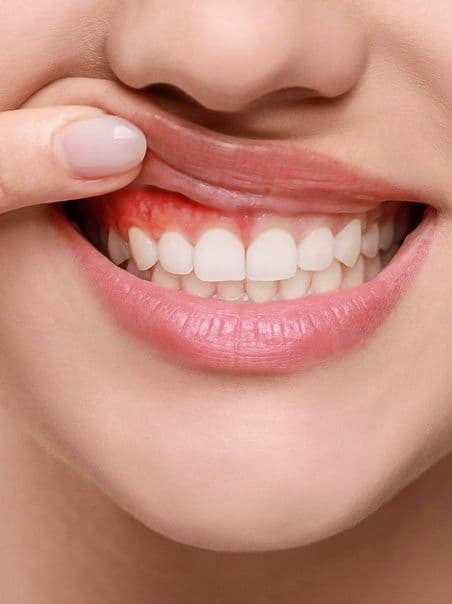
- Swollen, red, or tender gums
- Pus or drainage
- Deepening pockets around the implant
- Persistent bad taste or bad breath
- Recession around the implant crown
- Visible implant threads
- Bone loss on dental imaging
- Discomfort when brushing or chewing
- Movement of the implant crown or restoration
- Movement of the implant itself in advanced failure
Peri-implantitis may progress with limited pain, so professional monitoring is important.
What Causes Peri-Implantitis?
Several factors may contribute:
- Plaque accumulation around the implant
- Difficulty cleaning beneath the implant restoration
- Previous periodontitis
- Smoking or tobacco use
- Poorly controlled diabetes
- Irregular implant maintenance
- Deep peri-implant pockets
- Unfavourable implant or restoration position
- Overcontoured crowns that restrict cleaning
- Residual cement around a cemented restoration
- Excessive bite forces or grinding
- Thin or inadequate soft tissue
- Implant-surface exposure
- Previous surgical or restorative complications
Is Bleeding Around a Dental Implant Normal?
Repeated bleeding around an implant commonly indicates soft-tissue inflammation and should be assessed.
Bleeding does not automatically confirm peri-implantitis because bone loss must also be evaluated. However, untreated inflammation may progress in susceptible patients.
What Is Peri-Implant Mucositis?
Peri-implant mucositis is inflammation limited mainly to the soft tissues around an implant without confirmed progressive bone loss.
Possible treatment includes professional cleaning, improved implant-specific home care, correction of plaque-retentive factors, and ongoing dental implant maintenance.
How Is Peri-Implantitis Diagnosed?
The dentist reviews symptoms, implant history, previous gum disease, smoking, diabetes, oral-hygiene habits, maintenance history, restoration type, and changes in the bite.
The examination may include:
- Visual assessment: Checking redness, swelling, recession, plaque, and drainage.
- Bleeding assessment: Recording bleeding around the implant.
- Pocket measurements: Comparing current depths with previous records when available.
- Suppuration assessment: Checking for pus around the implant.
- Implant stability assessment: Determining whether the implant itself or only the restoration is moving.
- Restoration assessment: Reviewing crown shape, fit, cement, screw stability, and cleaning access.
- Bite assessment: Evaluating excessive or uneven functional forces.
- Dental imaging: Reviewing bone levels and changes around the implant.
- Risk assessment: Considering smoking, diabetes, periodontitis history, plaque control, and maintenance.
Can an Implant Crown Move Without the Implant Failing?
Yes. A loose screw, crown, bridge, or connector can create movement while the implant remains integrated with the bone.
The restoration should be assessed promptly because continued movement may damage components, affect the bite, trap plaque, or allow bacterial leakage.
What Does Implant Mobility Mean?
A fully integrated implant should not have clinical mobility. Movement of the implant itself may indicate loss of integration, severe bone loss, fracture, or another serious complication.
Prompt assessment is required, and removal may be necessary when the implant cannot be stabilised or maintained predictably.
How Is Peri-Implantitis Treated?
Treatment depends on the extent of inflammation and bone loss, implant stability, restoration design, implant position, surface exposure, smoking, diabetes, and the patient's ability to maintain the area.
Possible treatment includes:
- Personalised implant-cleaning instruction
- Professional removal of plaque and calculus
- Implant-surface decontamination
- Management of deep peri-implant pockets
- Removal of residual cement when present
- Adjustment, repair, or replacement of the implant restoration
- Management of excessive bite forces
- Local antimicrobial treatment in selected cases
- Systemic antibiotics when clinically indicated
- Surgical access and decontamination in selected cases
- Resective or regenerative treatment where appropriate
- Removal of an implant with an unfavourable prognosis
Can Professional Cleaning Treat Peri-Implantitis?
Professional cleaning is an important part of treatment, but established peri-implantitis with deeper pockets or bone loss may not respond completely to non-surgical care alone.
The shape of implant surfaces and exposed threads can make complete decontamination difficult. Persistent disease may require surgical access or another treatment approach.
What Is Implant-Surface Decontamination?
Decontamination aims to remove plaque, calculus, bacterial deposits, and contaminated material from the implant surface while limiting damage to the implant.
Different instruments and methods may be selected according to the implant material, surface, defect, restoration, and treatment plan.
Are Antibiotics Required?
Antibiotics are not automatically required for every peri-implant condition. Mechanical cleaning, improved home care, restoration correction, and treatment of the affected tissues remain central.
Local or systemic antimicrobials may be considered when infection is spreading, pus or acute symptoms are present, surgical treatment is planned, or medical factors influence risk.
When Is Surgery Considered?
Surgical treatment may be considered when deep pockets, inflammation, or bone defects remain after appropriate non-surgical care.
Objectives may include:
- Improving access to the implant surface
- Removing inflamed tissue
- Decontaminating exposed implant surfaces
- Reducing pocket depth
- Reshaping tissues to improve cleaning
- Regenerating selected bone defects
No surgical method can guarantee complete regeneration or long-term implant survival.
Can Lost Bone Around an Implant Grow Back?
Routine cleaning does not automatically regenerate lost bone.
Selected contained defects may be considered for regenerative treatment, but results depend on defect shape, implant surface, implant position, smoking, diabetes, plaque control, soft-tissue condition, and healing.
When Does an Implant Need to Be Removed?
Removal may be considered when:
- The implant itself is mobile
- Bone loss is severe or progressing
- Infection cannot be controlled
- The implant is fractured
- The implant position prevents a maintainable restoration
- Persistent pain or inflammation remains despite treatment
- The surrounding tissues cannot support predictable function
Can Another Implant Be Placed Later?
Replacement may be possible after the infection is controlled and the site is assessed for bone, gum tissue, implant position, medical risks, and restorative requirements.
Some sites may require healing, bone grafting, soft-tissue treatment, or an alternative replacement such as a bridge or removable prosthesis.
How Does Smoking Affect Peri-Implantitis?
Smoking increases the risk of inflammation and bone loss around implants and can impair healing after treatment.
Stopping tobacco use can support treatment and long-term implant maintenance.
How Does Diabetes Affect Implant Health?
Poorly controlled diabetes may increase inflammation, infection risk, and delayed healing around implants.
Coordinated medical management and closer implant monitoring may be recommended.
Can Grinding Damage Dental Implants?
Grinding and clenching may overload implant restorations, loosen screws, fracture ceramic, affect components, and contribute to mechanical complications.
A bite assessment and custom night guard may be considered when clinically appropriate, but a night guard does not treat active peri-implant infection.
How to Clean Around Dental Implants
- Brush twice daily with a soft toothbrush
- Clean beneath and around the implant crown
- Use correctly sized interdental brushes
- Use implant-safe floss or threaders when recommended
- Clean beneath implant bridges
- Use a single-tufted brush for difficult areas
- Use water irrigation as an additional aid when appropriate
- Attend professional implant-maintenance appointments
When Is Urgent Assessment Required?
Prompt care is recommended for pus, increasing swelling, implant movement, severe pain, facial swelling, fever, or rapid changes around the restoration.
Difficulty breathing or swallowing, spreading facial or neck swelling, severe weakness, or swelling around the eye requires urgent medical assessment.
Peri-Implantitis Treatment on Sheikh Zayed Road
Bourgeois Dental Clinic is located on the first floor of Indigo Sky Building, Sheikh Zayed Road, Exit 41, near Al Thanya Street in Dubai. The clinic is accessible from Al Barsha, Umm Al Sheif, Umm Suqeim, Jumeirah, Al Quoz, Barsha Heights, The Greens, Dubai Marina, and surrounding communities.
Book a peri-implant assessment for bleeding, swelling, pus, recession, deep pockets, unpleasant taste, bone loss, or movement around a dental implant.
Department
Periodontics and Gum Treatment
FAQ
Frequently Asked Questions
BOOK AN
Appointment
Working Hours
We are here to serve you