


Dental Implant and Gum Maintenance
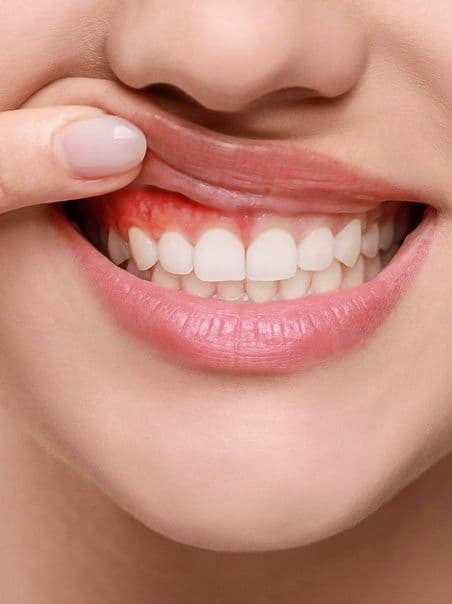
Dental implant maintenance is ongoing professional care designed to protect the gums, supporting bone, implant components, and implant-supported restorations. Although implants cannot develop tooth decay, the tissues around them can become inflamed and may develop peri-implant mucositis or peri-implantitis.
At Bourgeois Dental Clinic in Dubai, maintenance appointments assess plaque, bleeding, pocket depth, gum recession, restoration fit, cleaning access, bite forces, bone support, and implant stability.
Why Do Dental Implants Need Maintenance?
Dental implants remain exposed to plaque, food debris, calculus, and functional forces. The surrounding tissues require daily cleaning and professional monitoring.
Maintenance can help identify:
- Early gum inflammation
- Bleeding around the implant
- Plaque and calculus accumulation
- Deepening pockets
- Gum recession
- Bone-level changes
- Loose crowns or screws
- Fractured restorative materials
- Difficulty cleaning beneath the restoration
- Excessive bite forces
- Signs of peri-implantitis
Can Dental Implants Get Gum Disease?
The implant itself cannot develop decay, but the surrounding gums and bone can develop inflammatory disease.
Peri-implant mucositis affects the soft tissues without confirmed progressive bone loss. Peri-implantitis includes inflammation and progressive bone loss around the implant.
Who Needs Implant Maintenance?
All patients with dental implants require ongoing home care and professional review. Closer monitoring may be recommended for patients with:
- A history of periodontitis
- Previous peri-implant inflammation
- Smoking or tobacco use
- Diabetes
- Deep implant pockets
- Limited cleaning access
- Full-arch implant bridges
- Implant-supported dentures
- Grinding or clenching
- Thin gum tissue or recession
- Irregular previous maintenance
What Happens During an Implant-Maintenance Appointment?
The visit may include:
- Health review: Discussing medical changes, medications, smoking, diabetes, and new symptoms.
- Plaque assessment: Identifying areas around the implant that require improved cleaning.
- Gum examination: Checking redness, swelling, recession, and tissue condition.
- Bleeding assessment: Recording inflammation around the implant.
- Pocket measurements: Monitoring changes around the implant when clinically appropriate.
- Professional cleaning: Removing plaque and calculus with implant-appropriate instruments.
- Restoration assessment: Reviewing the implant crown, bridge, denture, screws, cement, and cleaning access.
- Stability assessment: Checking whether movement comes from the restoration or the implant itself.
- Bite assessment: Reviewing excessive forces, grinding, and restoration contacts.
- Dental imaging: Monitoring bone support when required.
- Home-care instruction: Recommending suitable brushes, floss, and cleaning aids.
How Is an Implant Professionally Cleaned?
Professional cleaning may use implant-compatible hand instruments, ultrasonic tips, polishing systems, air-polishing devices, or other methods selected according to the implant surface and restoration.
The aim is to remove plaque and calculus while reducing unnecessary damage to the implant and restoration.
How Often Is Implant Maintenance Needed?
The interval depends on individual risk. Some patients may follow a routine schedule, while others require more frequent reviews.
Factors include:
- Bleeding and inflammation
- Pocket depth
- Plaque control
- Bone support
- Periodontitis history
- Smoking
- Diabetes
- Implant restoration design
- Number and position of implants
- Grinding and clenching
- Previous treatment response
How Should a Single Implant Crown Be Cleaned?
A single implant crown usually requires:
- Twice-daily brushing
- Cleaning at the gumline
- Interdental brushing where space permits
- Implant-safe floss or tape when recommended
- A single-tufted brush for difficult margins
How Should an Implant Bridge Be Cleaned?
Implant bridges require cleaning beneath the replacement teeth and around each implant connection.
Useful aids may include:
- Floss threaders
- Super floss or implant-specific floss
- Interdental brushes
- Single-tufted brushes
- Water irrigation as an additional tool
The appropriate tool depends on the bridge design and available space.
How Should Implant-Supported Dentures Be Maintained?
Removable implant-supported dentures should generally be removed and cleaned according to the dentist's instructions. The attachments, implant components, and tissues beneath the denture also require cleaning.
Fixed full-arch restorations require specialised cleaning beneath the bridge and regular professional assessment of screws, components, tissue condition, and bite.
Can Calculus Form on Dental Implants?
Yes. Mineralised deposits can accumulate around implants and implant restorations, particularly in areas that are difficult to clean.
Professional removal is important because rough deposits can retain additional plaque and contribute to inflammation.
Can Implant Crowns Develop Cavities?
The implant and artificial crown cannot develop tooth decay in the same way as natural teeth. However, neighbouring natural teeth can decay, and the implant restoration can loosen, fracture, wear, or trap plaque.
What Does Bleeding Around an Implant Mean?
Bleeding commonly indicates soft-tissue inflammation and should be assessed.
Early inflammation may improve with professional cleaning and improved home care. Bone loss, pus, deepening pockets, or implant mobility requires more detailed evaluation.
What If the Implant Crown Feels Loose?
A loose crown or screw should be assessed promptly. Continuing to chew on it may damage the screw, crown, implant connection, or surrounding tissues.
The implant itself may remain stable even when the restoration moves.
Can Implant Components Wear or Break?
Yes. Screws, attachments, acrylic teeth, ceramic, connectors, and denture components can wear, loosen, or fracture over time.
Maintenance helps identify mechanical issues before they cause more extensive damage.
How Does Grinding Affect Implants?
Grinding and clenching can overload implant restorations and contribute to screw loosening, ceramic fracture, attachment wear, and bite discomfort.
A custom night guard may be recommended when clinically appropriate.
Do Dental Implants Need X-Rays?
Dental imaging may be used periodically to review bone levels, implant position, component fit, and changes over time.
The need and frequency depend on symptoms, risk factors, clinical findings, and previous records.
Can Smoking Affect Implant Maintenance?
Smoking increases the risk of gum inflammation, peri-implant bone loss, and delayed healing. It may also reduce visible bleeding despite active disease.
Stopping tobacco use supports implant health.
Can Diabetes Affect Dental Implants?
Diabetes, particularly when poorly controlled, may increase inflammation and infection risk and affect healing.
Professional monitoring and coordinated medical management may be recommended.
When Is More Than Maintenance Needed?
Additional treatment may be required when the examination identifies:
- Persistent bleeding
- Pus or swelling
- Progressive bone loss
- Deepening pockets
- Residual cement
- Loose or damaged restorations
- Implant mobility
- Inadequate cleaning access
- Unfavourable bite forces
Treatment may include restoration correction, deep cleaning, peri-implantitis treatment, surgery, or implant removal.
Signs That Require an Earlier Appointment
- New bleeding around the implant
- Swelling or pus
- Persistent bad taste
- Pain when chewing
- Movement of the crown, bridge, or implant
- Visible implant threads
- Gum recession
- Food trapping beneath the restoration
- Fracture or chipping of the restoration
How to Protect Dental Implants at Home
- Brush twice daily
- Clean around and beneath the restoration every day
- Use correctly sized interdental brushes
- Follow implant-specific flossing instructions
- Use a water irrigator as an additional tool when recommended
- Avoid smoking and tobacco
- Manage diabetes with medical support
- Wear a night guard when advised
- Attend the recommended maintenance schedule
Dental Implant Maintenance on Sheikh Zayed Road
Bourgeois Dental Clinic is located on the first floor of Indigo Sky Building, Sheikh Zayed Road, Exit 41, near Al Thanya Street in Dubai. The clinic is accessible from Al Barsha, Umm Al Sheif, Umm Suqeim, Jumeirah, Al Quoz, Barsha Heights, The Greens, Dubai Marina, and surrounding communities.
Book a dental implant maintenance appointment for professional cleaning, gum assessment, restoration review, bite evaluation, and monitoring of the bone surrounding your implants.
Department
Periodontics and Gum Treatment
FAQ
Frequently Asked Questions
BOOK AN
Appointment
Working Hours
We are here to serve you