


Gingivitis Treatment
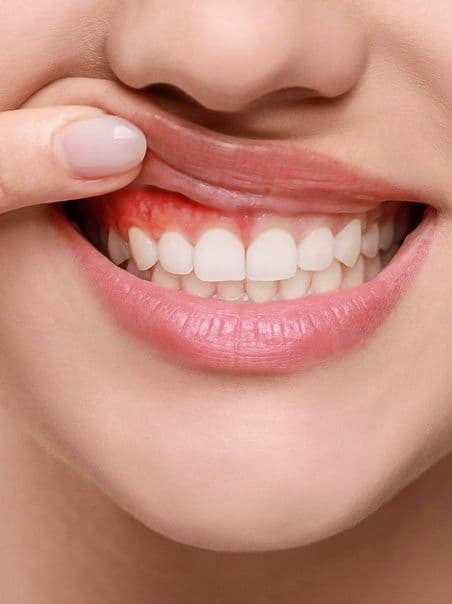
Gingivitis is inflammation of the gum tissue that commonly causes bleeding, redness, swelling, or tenderness without confirmed loss of the bone and attachment supporting the teeth. At Bourgeois Dental Clinic in Dubai, treatment focuses on removing plaque and calculus, improving daily cleaning, identifying contributing factors, and monitoring the gums to ensure that more advanced periodontal disease is not present.
What Is Gingivitis?
Gingivitis is an early and often manageable stage of gum inflammation. It primarily affects the visible gum tissue surrounding the teeth.
Unlike periodontitis, gingivitis does not involve confirmed irreversible loss of periodontal attachment or supporting bone. However, untreated inflammation may progress in susceptible patients.
What Causes Gingivitis?
The most common cause is bacterial plaque accumulating around the gumline. Additional contributing factors may include:
- Dental calculus or tartar
- Inadequate brushing
- Limited interdental cleaning
- Crowded teeth
- Food trapping
- Braces or appliances that are difficult to clean
- Damaged or overhanging fillings
- Dry mouth
- Smoking or tobacco use
- Hormonal changes
- Selected medications
- Diabetes
- Stress and changes in oral-care routines
What Are the Symptoms of Gingivitis?
Possible signs include:
- Bleeding during brushing or flossing
- Red or darkened gums
- Swollen or puffy gums
- Tenderness around the gumline
- Persistent bad breath
- Plaque or calculus near the gums
- Mild discomfort while cleaning
- Changes in gum shape
Gingivitis may be present without significant pain. Bleeding is one of the most common early signs.
Is Bleeding During Brushing Normal?
Repeated bleeding is not considered a sign of healthy gums. It commonly indicates inflammation, although trauma from aggressive brushing or incorrect flossing may also contribute.
Avoiding the bleeding area can allow more plaque to accumulate. The cause should be assessed and cleaning technique corrected.
How Is Gingivitis Diagnosed?
The dentist reviews symptoms, oral-hygiene habits, smoking, medical history, medications, hormonal factors, and previous gum treatment.
The examination may include:
- Visual assessment: Checking redness, swelling, plaque, calculus, and gum shape.
- Bleeding assessment: Recording bleeding during gentle probing.
- Pocket measurements: Checking whether deeper areas or attachment loss are present.
- Recession assessment: Measuring changes in the gum margin.
- Dental imaging: Reviewing supporting bone when periodontitis is suspected.
- Restoration assessment: Identifying fillings, crowns, or appliances that retain plaque.
How Is Gingivitis Treated?
Treatment usually combines professional care with improved home cleaning.
It may include:
- Professional removal of plaque and calculus
- Scaling and polishing
- Personalised brushing instruction
- Interdental brushes or floss guidance
- Cleaning around crowns, bridges, braces, or implants
- Management of food-trapping areas
- Correction of plaque-retentive restorations when clinically indicated
- Review of smoking, diabetes, dry mouth, or medication factors
- Follow-up assessment of bleeding and inflammation
Is Routine Teeth Cleaning Enough?
Routine professional cleaning may be appropriate when inflammation is limited to the gum tissue and there is no significant periodontal attachment loss.
If deeper pockets, bone loss, or calculus below the gumline are present, the diagnosis may be periodontitis and deep cleaning and root planing may be required.
Can Gingivitis Be Reversed?
Gingivitis can often resolve when plaque and calculus are effectively controlled and contributing factors are managed.
The speed of improvement depends on the severity of inflammation, cleaning effectiveness, smoking, medical factors, and whether periodontitis is also present.
How Long Does Gingivitis Treatment Take?
Some patients notice reduced bleeding and swelling after improving cleaning and receiving professional care. More persistent inflammation may require several reviews and correction of contributing factors.
No exact timeline can be guaranteed because healing varies between patients.
Does Gingivitis Cause Bad Breath?
Yes. Plaque, calculus, food debris, and inflamed gum tissues may contribute to persistent bad breath.
Bad breath may also have other causes, including dry mouth, decay, infection, diet, smoking, or medical conditions. Assessment should consider the full mouth.
Can Hormonal Changes Cause Gingivitis?
Hormonal changes during puberty, pregnancy, or other life stages can increase gum sensitivity to plaque and contribute to swelling or bleeding.
Professional cleaning and consistent daily care remain important. Persistent or severe gum changes should be examined.
Can Diabetes Affect Gingivitis?
Diabetes can influence inflammation and healing, especially when blood sugar is not well controlled.
Patients with diabetes may benefit from closer periodontal monitoring and coordination with their medical care.
Can Smoking Hide Gingivitis?
Smoking may reduce visible bleeding while increasing periodontal disease risk and affecting healing. A smoker may therefore have significant disease with less obvious bleeding.
Gum assessment should not rely on bleeding alone.
Do Mouthwashes Cure Gingivitis?
Mouthwash may support plaque control in selected cases, but it does not replace mechanical cleaning, calculus removal, or professional treatment.
Long-term use should follow professional guidance because different products have different indications and side effects.
Can Gingivitis Progress to Periodontitis?
Yes. Persistent inflammation can progress to periodontitis in susceptible patients, particularly when plaque, smoking, diabetes, genetic risk, or poor maintenance is present.
Periodontitis involves loss of the tissues and bone supporting the teeth and requires more structured treatment.
How Should You Brush Inflamed Gums?
- Use a soft-bristled toothbrush
- Brush gently along the gumline
- Clean all tooth surfaces twice daily
- Use fluoride toothpaste
- Do not stop cleaning because of mild bleeding
- Avoid aggressive horizontal scrubbing
- Replace worn toothbrush heads
How Should You Clean Between the Teeth?
Depending on the space and gum condition, the dentist may recommend:
- Dental floss
- Interdental brushes
- Single-tufted brushes
- Floss threaders for bridges
- Implant-specific cleaning aids
- Water irrigation as an additional tool when appropriate
What Happens If Gingivitis Is Not Treated?
Inflammation may persist or progress, leading to deeper pockets, attachment loss, bone loss, recession, gum abscesses, or tooth mobility in susceptible patients.
Not every case progresses at the same rate, but repeated bleeding should not be ignored.
How to Prevent Gingivitis
- Brush twice daily with fluoride toothpaste
- Clean between teeth every day
- Attend regular dental and hygiene visits
- Remove plaque around crowns, bridges, braces, and implants
- Avoid smoking and tobacco products
- Manage diabetes with appropriate medical care
- Seek assessment for persistent bleeding or swelling
- Replace damaged restorations that trap plaque when indicated
Gingivitis Treatment on Sheikh Zayed Road
Bourgeois Dental Clinic is located on the first floor of Indigo Sky Building, Sheikh Zayed Road, Exit 41, near Al Thanya Street in Dubai. The clinic is convenient for patients from Al Barsha, Umm Al Sheif, Umm Suqeim, Jumeirah, Al Quoz, Barsha Heights, The Greens, Dubai Marina, and nearby communities.
Book a gingivitis assessment for bleeding, red, swollen, tender gums or persistent bad breath.
Department
Periodontics and Gum Treatment
FAQ
Frequently Asked Questions
BOOK AN
Appointment
Working Hours
We are here to serve you