


Bleeding Gums Treatment
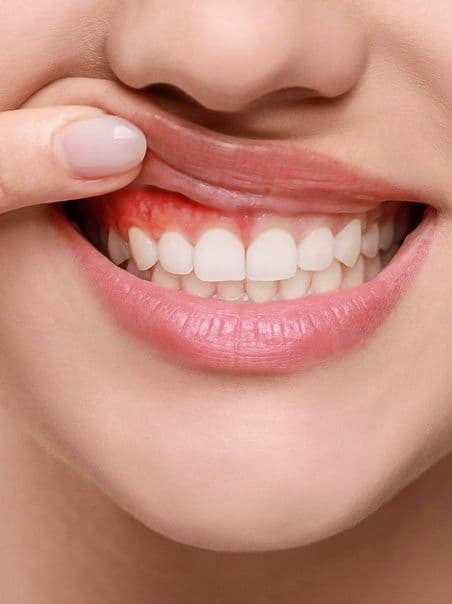
Repeated gum bleeding commonly indicates inflammation and should be assessed rather than ignored. At Bourgeois Dental Clinic in Dubai, treatment begins by identifying whether the bleeding is caused by gingivitis, periodontitis, plaque and calculus, aggressive brushing, food trapping, restoration problems, medication, hormonal changes, or a medical condition.
Why Do Gums Bleed?
Healthy gums should not bleed repeatedly during normal brushing or interdental cleaning. The most common cause is inflammation from plaque accumulating around and below the gumline.
Other possible causes include:
- Gingivitis
- Periodontitis
- Dental calculus or tartar
- Aggressive brushing
- Incorrect flossing technique
- Food trapped between teeth
- Crowded teeth that are difficult to clean
- Damaged or overhanging fillings
- Inflammation around crowns, bridges, braces, or implants
- Hormonal changes
- Dry mouth
- Selected medications
- Diabetes or other medical conditions
Is Bleeding During Brushing Normal?
Occasional bleeding can occur after accidental trauma or when a patient begins cleaning a previously neglected area. However, repeated bleeding is commonly a sign of inflammation.
Stopping brushing or flossing can allow more plaque to accumulate and may worsen the problem. The cleaning method should be reviewed and the underlying cause treated.
What Symptoms May Accompany Bleeding Gums?
- Red or swollen gums
- Gum tenderness
- Persistent bad breath
- Plaque or calculus near the gumline
- Gum recession
- Food trapping
- Deep gum pockets
- Pus or drainage
- Loose teeth
- Bleeding around a dental implant
Bleeding combined with recession, mobility, deep pockets, or bone loss may indicate more advanced periodontal disease.
How Are Bleeding Gums Assessed?
The dentist reviews when the bleeding started, how frequently it occurs, oral-hygiene habits, smoking, medications, medical history, pregnancy or hormonal changes, diabetes, and previous gum treatment.
The assessment may include:
- Visual examination: Checking redness, swelling, plaque, calculus, and gum shape.
- Bleeding assessment: Recording bleeding during gentle periodontal probing.
- Pocket measurements: Checking for deepened spaces between the teeth and gums.
- Recession assessment: Measuring exposed roots and gum-margin changes.
- Restoration assessment: Identifying damaged fillings, crowns, bridges, or appliances that retain plaque.
- Mobility assessment: Checking whether teeth have lost support.
- Implant assessment: Evaluating bleeding, pocketing, plaque, restoration fit, and stability around implants.
- Dental imaging: Reviewing bone levels when periodontitis is suspected.
How Are Bleeding Gums Treated?
Treatment depends on the diagnosis and may include:
- Personalised brushing instruction
- Interdental cleaning guidance
- Professional teeth cleaning
- Deep cleaning and root planing
- Removal of plaque and calculus
- Management of gingivitis or periodontitis
- Correction of plaque-retentive restorations
- Cleaning around crowns, bridges, braces, and implants
- Management of food-trapping areas
- Review of smoking, diabetes, medication, or dry-mouth factors
- Periodontal maintenance where required
When Is Routine Cleaning Suitable?
Routine scaling and polishing may be appropriate when bleeding is caused by superficial inflammation without attachment loss, deep pockets, or significant bone loss.
If calculus extends below the gumline or periodontitis is present, routine cleaning alone may be insufficient.
When Is Deep Cleaning Needed?
Deep cleaning may be recommended when periodontal pockets, attachment loss, bone loss, or calculus below the gumline are found.
The treatment cleans contaminated root surfaces and is usually followed by reassessment and ongoing maintenance.
Can Brushing Too Hard Cause Bleeding?
Yes. Aggressive horizontal scrubbing or a hard-bristled brush can traumatise the gums and contribute to recession or bleeding.
However, brushing trauma and plaque-related inflammation can exist together. Changing the brush without treating accumulated plaque may not resolve the problem.
Can Flossing Cause Gum Bleeding?
Incorrect flossing can injure the gum, but bleeding when flossing often occurs because the tissue between the teeth is already inflamed.
The dentist may recommend floss, interdental brushes, or another cleaning aid based on the size of the spaces and gum condition.
Can Medication Cause Bleeding Gums?
Selected medications can increase bleeding tendency, cause dry mouth, or alter gum tissues. Patients should not stop prescribed medication without medical advice.
The dentist may recommend communication with the prescribing doctor when medication appears clinically relevant.
Can Diabetes Affect Gum Bleeding?
Diabetes may increase periodontal inflammation and affect healing, particularly when blood sugar is not well controlled.
Closer gum monitoring and coordinated medical care may be recommended.
Can Smoking Hide Gum Bleeding?
Yes. Smoking may reduce visible bleeding by changing blood flow in the gum tissues, even while periodontal disease remains active.
A lack of bleeding does not always mean that a smoker's gums are healthy.
Can Mouthwash Stop Bleeding Gums?
Mouthwash may support plaque control in selected cases, but it does not replace brushing, interdental cleaning, calculus removal, or periodontal treatment.
The cause of bleeding should be diagnosed before relying on a mouthwash.
When Is Gum Bleeding Urgent?
Prompt dental assessment is recommended when bleeding is accompanied by severe swelling, pus, pain, rapidly increasing mobility, facial swelling, or fever.
Heavy bleeding that does not stop, widespread unexplained bruising, weakness, breathing difficulty, or other systemic symptoms requires urgent medical assessment.
How to Reduce Gum Bleeding at Home
- Brush gently twice daily with a soft-bristled toothbrush
- Use fluoride toothpaste
- Clean between the teeth every day
- Do not stop cleaning because of mild bleeding
- Avoid aggressive scrubbing
- Clean carefully around crowns, bridges, braces, and implants
- Avoid smoking and tobacco products
- Manage diabetes with medical support
- Attend professional cleaning and gum reviews
Bleeding Gums Treatment on Sheikh Zayed Road
Bourgeois Dental Clinic is located on the first floor of Indigo Sky Building, Sheikh Zayed Road, Exit 41, near Al Thanya Street in Dubai. The clinic is accessible from Al Barsha, Umm Al Sheif, Umm Suqeim, Jumeirah, Al Quoz, Barsha Heights, The Greens, Dubai Marina, and nearby communities.
Book a bleeding-gums assessment for repeated bleeding, swelling, tenderness, recession, bad breath, or bleeding around a dental implant.
Department
Periodontics and Gum Treatment
FAQ
Frequently Asked Questions
BOOK AN
Appointment
Working Hours
We are here to serve you