


Mobile Teeth and Gum Support Assessment
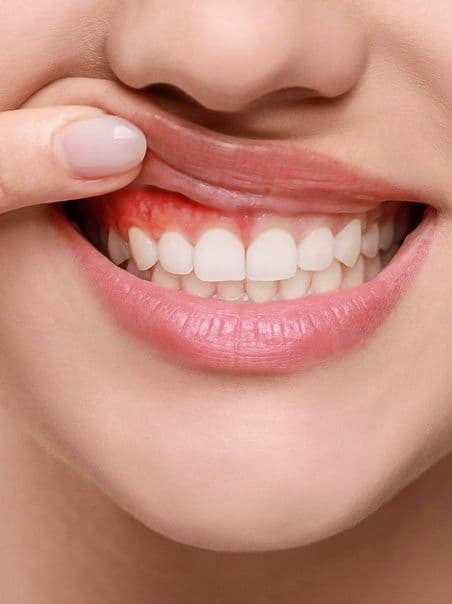
A loose adult tooth requires assessment because mobility may indicate loss of periodontal support, infection, excessive bite forces, grinding, trauma, root damage, or a tooth fracture. At Bourgeois Dental Clinic in Dubai, the examination evaluates the gums, bone, roots, bite, restorations, and overall restorability before recommending treatment.
Is It Normal for an Adult Tooth to Move?
Natural teeth have a very small degree of physiological movement because they are connected to the bone by the periodontal ligament. Movement that is visible, increasing, painful, or noticed during chewing is not considered normal and should be evaluated.
Tooth mobility can affect one tooth, several teeth, or much of the mouth depending on the cause.
What Causes Loose Teeth in Adults?
Possible causes include:
- Advanced periodontitis
- Loss of supporting bone and periodontal attachment
- A gum or dental abscess
- Grinding and clenching
- Excessive or uneven bite forces
- Dental trauma
- A cracked tooth or vertical root fracture
- Root infection
- Severe decay or structural loss
- Failure of a crown, bridge, post, or filling
- Orthodontic movement
- Temporary inflammation around the tooth
What Symptoms May Accompany Tooth Mobility?
- Movement during chewing
- Pain or pressure when biting
- Bleeding or swollen gums
- Gum recession
- Persistent bad breath
- Pus or drainage
- Deep gum pockets
- Changes in tooth position
- New spaces between teeth
- Changes in the bite
- Difficulty chewing firm foods
- Movement of a crown or bridge
How Is a Loose Tooth Assessed?
The dentist reviews when movement began, whether it is increasing, pain, swelling, trauma, grinding, previous periodontal treatment, restorations, medical history, smoking, diabetes, and oral-hygiene habits.
The assessment may include:
- Mobility grading: Evaluating the direction and degree of movement.
- Periodontal probing: Measuring gum pockets, bleeding, and attachment loss.
- Bone assessment: Reviewing supporting bone around the roots.
- Bite evaluation: Checking premature contacts and excessive forces.
- Root examination: Evaluating infection, fractures, shape, and root length.
- Restoration assessment: Checking whether a crown, bridge, filling, or post is loose rather than the tooth itself.
- Pulp testing: Assessing nerve vitality when clinically relevant.
- Dental imaging: Reviewing bone loss, root infection, fractures, decay, and supporting structures.
Can Gum Disease Cause Loose Teeth?
Yes. Periodontitis can destroy the ligament and bone supporting the roots. As support decreases, teeth may become mobile, drift, rotate, or develop spaces.
Treatment aims to control inflammation and reduce further loss, but mobility caused by severe bone loss may not disappear completely.
Can a Loose Tooth Be Saved?
Some mobile teeth can be retained when enough support remains and the underlying cause can be controlled.
The prognosis depends on:
- Amount and pattern of bone loss
- Remaining periodontal attachment
- Root length and anatomy
- Presence of infection or fracture
- Tooth position
- Bite forces
- Smoking and diabetes
- Daily cleaning
- Response to periodontal treatment
- Ability to restore the tooth
How Are Loose Teeth Treated?
Treatment depends on the diagnosis and may include:
- Deep cleaning and root planing
- Periodontitis treatment
- Drainage and treatment of infection
- Root canal treatment when infection originates inside the tooth
- Bite adjustment in selected cases
- Management of grinding and clenching
- A custom night guard
- Splinting selected teeth
- Repair or replacement of a loose restoration
- Periodontal surgery in suitable cases
- Extraction when the tooth has insufficient support
What Is Dental Splinting?
Splinting connects a mobile tooth to neighbouring teeth using a bonded fibre, wire, composite material, or another suitable design.
The purpose may be to improve comfort and distribute forces while the underlying periodontal or traumatic condition is treated. Splinting does not restore lost bone or cure active gum disease.
Does Every Loose Tooth Need a Splint?
No. Splinting is considered only when it is likely to improve comfort, function, or healing and when the connected teeth can support the design.
A splint may make cleaning more difficult and requires careful maintenance. Severely compromised teeth may not benefit from splinting.
Can Deep Cleaning Tighten a Loose Tooth?
Controlling inflammation may reduce swelling and improve tissue firmness. Some teeth feel more stable after treatment.
However, deep cleaning cannot automatically rebuild all lost bone. Mobility caused by advanced structural loss may remain.
Can Bite Adjustment Help?
Selective bite adjustment may be considered when a tooth receives excessive contact and sufficient support remains.
It should not be used as a substitute for periodontal treatment, infection control, or management of a fracture.
Can Grinding Make Teeth Loose?
Grinding and clenching can overload teeth, contribute to mobility, fracture restorations, and worsen the prognosis of periodontally weakened teeth.
A custom night guard may be recommended after active disease and bite problems are assessed.
Can Infection Make a Tooth Feel Loose?
Yes. A dental or periodontal abscess can create inflammation and bone changes around a tooth, making it painful or mobile.
Treatment may involve drainage, root canal treatment, periodontal care, antibiotics when clinically indicated, or extraction.
Can a Loose Crown Feel Like a Loose Tooth?
Yes. A crown, bridge, filling, or post may move while the underlying root remains stable.
The restoration should be assessed promptly because leakage, decay, fracture, or infection may be present beneath it.
When Is Extraction Recommended?
Extraction may be considered when:
- Bone and attachment loss are severe
- The tooth is split or has a vertical root fracture
- Uncontrolled infection remains
- The root is structurally damaged
- Decay makes the tooth unrestorable
- Mobility prevents comfortable function
- The tooth cannot support a reliable restoration
- Maintaining the tooth would compromise surrounding treatment
What Happens After Extraction?
Replacement options may include:
- A dental implant after site and gum assessment
- A dental bridge
- A partial denture
- Orthodontic space management
- No immediate replacement in selected cases
The timing and suitability depend on bone, gum health, neighbouring teeth, bite, medical factors, and patient preference.
Can Mobile Teeth Affect Dental Implants?
Active periodontal disease should be controlled before implant placement. Patients with previous periodontitis may require closer maintenance because they can have a higher risk of inflammation around implants.
An implant itself should not have clinical mobility after integration. Implant movement requires prompt assessment.
When Is a Loose Tooth an Emergency?
Urgent assessment is recommended when mobility follows trauma, the tooth is displaced, severe pain or swelling is present, pus is visible, or the patient cannot bite normally.
Facial swelling, fever, difficulty breathing or swallowing, or rapidly spreading infection requires urgent medical or dental care.
What Can You Do Before the Appointment?
- Avoid chewing hard foods on the affected tooth
- Do not repeatedly push or test the tooth
- Maintain gentle cleaning around the area
- Do not attempt to glue or splint the tooth at home
- Bring information about trauma or previous treatment
- Report swelling, fever, drainage, or severe pain
How to Protect Periodontally Weakened Teeth
- Brush twice daily with fluoride toothpaste
- Clean between teeth every day
- Attend periodontal maintenance appointments
- Control diabetes with medical support
- Avoid smoking and tobacco
- Manage grinding and clenching
- Complete recommended gum and restorative treatment
- Report increasing mobility promptly
Loose Teeth and Gum Assessment on Sheikh Zayed Road
Bourgeois Dental Clinic is located on the first floor of Indigo Sky Building, Sheikh Zayed Road, Exit 41, near Al Thanya Street in Dubai. The clinic is accessible from Al Barsha, Umm Al Sheif, Umm Suqeim, Jumeirah, Al Quoz, Barsha Heights, The Greens, Dubai Marina, and nearby communities.
Book a loose-tooth and gum-support assessment for movement, bite changes, swelling, bone loss, gum disease, trauma, or discomfort while chewing.
Department
Periodontics and Gum Treatment
FAQ
Frequently Asked Questions
BOOK AN
Appointment
Working Hours
We are here to serve you