


Dental Crown Lengthening
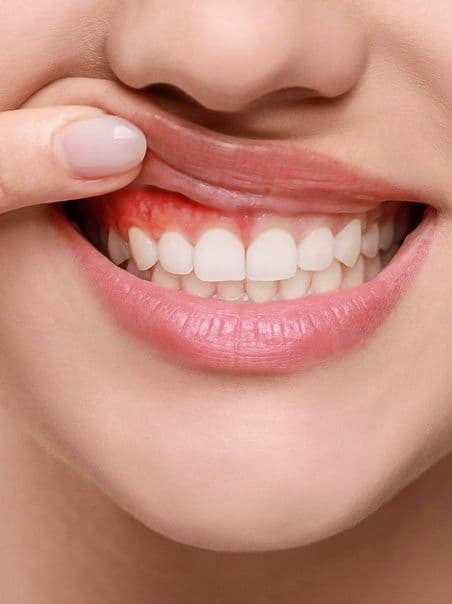
Dental crown lengthening is a periodontal procedure that exposes more of a tooth by reshaping the surrounding gum tissue and, when clinically necessary, a controlled amount of supporting bone. At Bourgeois Dental Clinic in Dubai, the procedure may be considered when decay or a fracture extends below the gumline, insufficient tooth structure is available to support a crown, or the gumline requires clinical or cosmetic adjustment.
What Is Dental Crown Lengthening?
Crown lengthening increases the amount of visible and accessible tooth structure above the gumline. Despite the name, the tooth itself is not physically lengthened. The surrounding tissues are repositioned to expose more of the natural crown or root surface.
The procedure may involve gum tissue alone or a combination of gum and bone reshaping, depending on the tooth position, biological tissue dimensions, restoration requirements, bone level, and treatment objective.
Why May Crown Lengthening Be Needed?
The procedure may be considered for:
- Decay extending below the gumline
- A tooth fracture below the gum margin
- Insufficient visible tooth structure for a crown
- Replacement of a deep or damaged restoration
- Improving access to a restoration margin
- Creating suitable tooth structure around a root-treated tooth
- Supporting a post-and-core or crown treatment plan
- Correcting selected uneven gumlines
- Reducing excessive gum coverage in suitable cosmetic cases
What Is Restorative Crown Lengthening?
Restorative crown lengthening is performed to create access to sound tooth structure for a filling, core build-up, onlay, or dental crown.
It may be required when decay, fracture, or a previous restoration extends too far below the gumline for predictable isolation, cleaning, impression-taking, bonding, or placement of a suitable restoration margin.
What Is Cosmetic Crown Lengthening?
Cosmetic crown lengthening may be considered when excessive gum coverage makes teeth appear short or creates an uneven gumline.
The procedure can reshape selected gum margins and, when needed, the supporting bone. It is different from simple gum contouring, which may involve only superficial soft-tissue reshaping.
What Is the Biological Width or Supracrestal Tissue Attachment?
The tissues between the restorative margin and supporting bone require sufficient space to remain healthy. Placing a crown or filling too close to the bone may contribute to chronic inflammation, bleeding, discomfort, pocketing, or bone changes.
Crown lengthening may create appropriate space between the restoration and bone while exposing sufficient tooth structure for treatment.
What Happens During the Consultation?
The dentist reviews the affected tooth, symptoms, previous treatment, restoration plan, gum condition, smile line, bite, medical history, and aesthetic expectations.
The assessment may include:
- Clinical examination: Evaluating decay, fracture depth, existing restorations, and visible tooth structure.
- Periodontal measurements: Checking pocket depth, gum level, and tissue dimensions.
- Bone assessment: Reviewing the relationship between the restoration area and supporting bone.
- Dental imaging: Assessing roots, bone levels, decay, previous root canal treatment, and restorability.
- Smile-line evaluation: Reviewing gum display and symmetry in cosmetic cases.
- Restoration planning: Coordinating the surgical procedure with the planned filling, post, core, crown, veneer, or bridge.
- Tooth-prognosis assessment: Determining whether sufficient root support and healthy structure remain.
Can Crown Lengthening Save a Broken Tooth?
It may help preserve a tooth when enough healthy root and supporting bone remain and the fracture can be exposed for a reliable restoration.
The procedure may not be appropriate when the fracture extends too deeply, the root is too short, bone support is inadequate, the tooth is split, or the final crown-to-root relationship would be unfavourable.
Can Crown Lengthening Be Used After Root Canal Treatment?
Yes. A root-treated tooth may need additional exposed structure before a post-and-core build-up or crown can be placed.
The dentist evaluates the root canal treatment, remaining structure, ferrule, root length, bone support, cracks, and bite before recommending the procedure.
What Is the Ferrule Effect?
Ferrule refers to a band of healthy natural tooth structure surrounding the tooth above the gumline and engaged by the crown.
A suitable ferrule may improve resistance to functional forces. Crown lengthening can sometimes expose additional structure to support this design, but excessive removal of bone may weaken periodontal support. The advantages and limitations must therefore be balanced.
How Is Crown Lengthening Performed?
The exact steps depend on whether the procedure is restorative or cosmetic and whether bone reshaping is required.
- Local anaesthesia: The treatment area is numbed.
- Access to the tissues: The gum is carefully repositioned to expose the treatment area.
- Soft-tissue reshaping: Excess or repositioned gum tissue is adjusted.
- Bone reshaping when required: A controlled amount of bone may be removed to create appropriate restorative space.
- Root-surface cleaning: The exposed area is cleaned.
- Gum repositioning: The tissue is placed at the planned level.
- Sutures: The area may be secured with stitches.
- Protective dressing: A periodontal dressing may be used in selected cases.
Is Crown Lengthening Painful?
Local anaesthesia is used during the procedure. Temporary tenderness, swelling, bleeding, or sensitivity may occur afterward.
Comfort and healing vary according to the number of treated teeth, amount of tissue reshaping, bone adjustment, and individual response.
How Long Does Healing Take?
Initial gum healing usually occurs over the first weeks, while tissue maturation and stabilisation continue for longer.
The timing of the final crown, veneer, or visible restoration depends on the treatment area, amount of surgery, gum stability, and cosmetic requirements. Front-tooth cases may require a longer maturation period before the final restoration is completed.
Can a Temporary Crown Be Used During Healing?
A temporary restoration may be used when clinically appropriate. Its margins and shape may require adjustment to protect the healing tissues.
The patient should avoid damaging the temporary restoration and attend the planned review appointments.
Will the Tooth Look Longer?
Yes. The procedure intentionally exposes more tooth structure. In restorative cases, much of the exposed area may later be covered by the final crown.
In cosmetic cases, changes in tooth length and gum symmetry are part of the planned result. Exact symmetry cannot be guaranteed because tissue thickness, bone anatomy, tooth shape, and healing vary.
Can Crown Lengthening Cause Sensitivity?
Temporary sensitivity can occur when more root surface is exposed. Sensitivity toothpaste, fluoride products, protective restorations, or other measures may be recommended.
Persistent pain should be evaluated because it may relate to decay, pulp inflammation, cracks, or another dental condition.
What Are the Risks and Limitations?
- Pain, swelling, or bleeding
- Temporary or persistent tooth sensitivity
- Gum recession
- Teeth appearing longer
- Spaces becoming more visible
- Uneven healing or gumline changes
- Exposure of crown or restoration margins
- Root-surface decay risk
- Temporary tooth mobility
- Need for further gum reshaping
- Compromised support if excessive bone removal would be required
- Need for extraction if the tooth remains unrestorable
When Is Crown Lengthening Not Suitable?
It may not be appropriate when:
- The root is too short
- The tooth has severe bone loss
- A deep vertical root fracture is present
- The tooth is split or structurally unrestorable
- Exposing the area would create an unfavourable crown-to-root ratio
- Adjacent teeth would require excessive bone alteration
- Another treatment would provide a more predictable result
What Are the Alternatives?
Depending on the case, alternatives may include:
- A more conservative restoration
- Orthodontic extrusion to move the tooth structure upward
- Repair or replacement of an existing restoration
- Gum contouring without bone removal
- Extraction and tooth replacement
- Monitoring when immediate treatment is not necessary
How to Care for the Area After Surgery
- Follow the prescribed cleaning instructions
- Avoid brushing directly over the surgical area until advised
- Use any recommended rinse as directed
- Eat softer foods during early healing
- Avoid smoking and tobacco
- Do not disturb the sutures or dressing
- Avoid hard chewing on the treated tooth
- Attend review and suture-removal appointments
- Report increasing swelling, fever, severe pain, or persistent bleeding
Dental Crown Lengthening on Sheikh Zayed Road
Bourgeois Dental Clinic is located on the first floor of Indigo Sky Building, Sheikh Zayed Road, Exit 41, near Al Thanya Street in Dubai. The clinic is accessible from Al Barsha, Umm Al Sheif, Umm Suqeim, Jumeirah, Al Quoz, Barsha Heights, The Greens, Dubai Marina, and surrounding communities.
Book a crown-lengthening assessment for decay or fracture below the gumline, insufficient tooth structure for a crown, or a clinical or cosmetic gumline concern.
Department
Periodontics and Gum Treatment
FAQ
Frequently Asked Questions
BOOK AN
Appointment
Working Hours
We are here to serve you