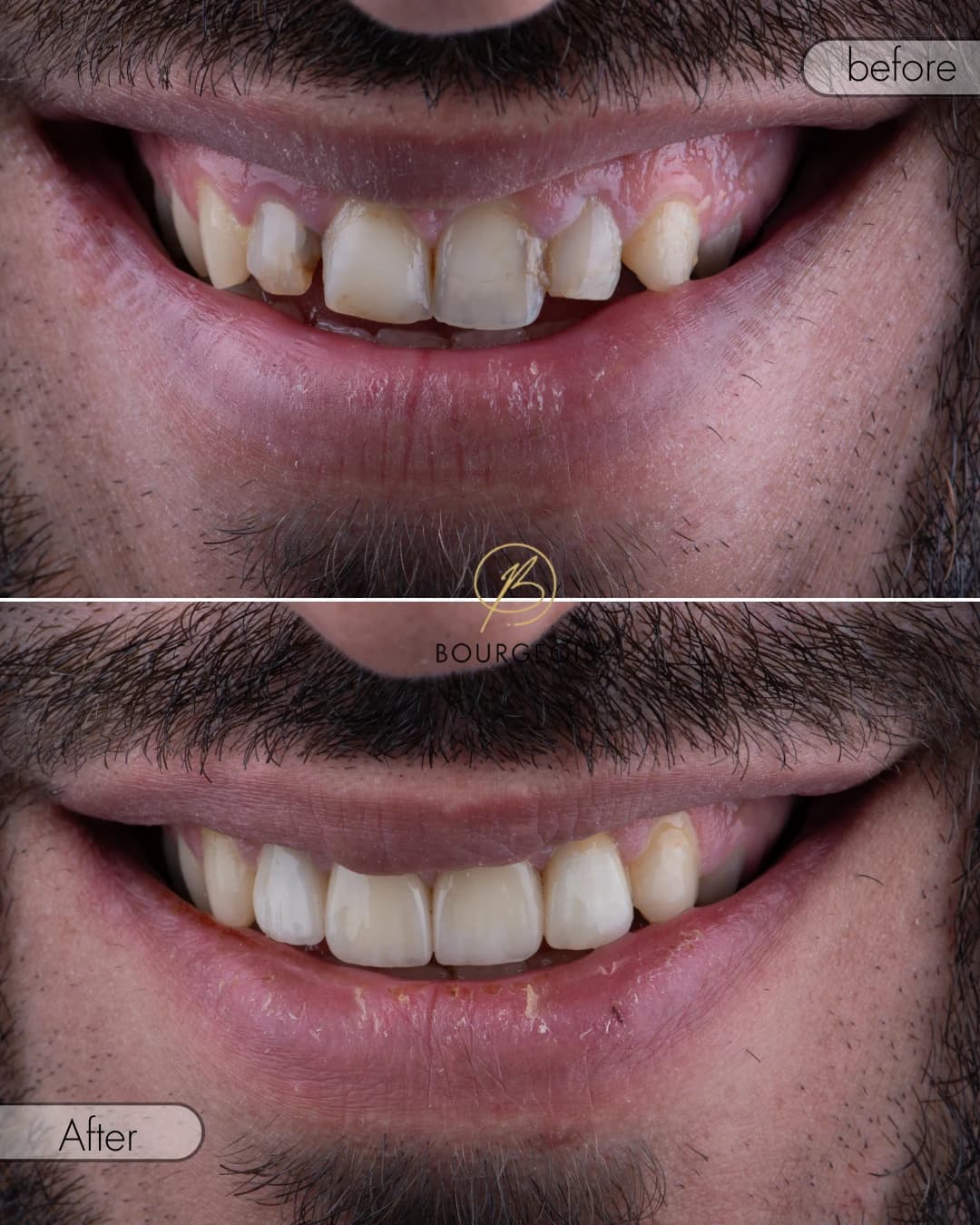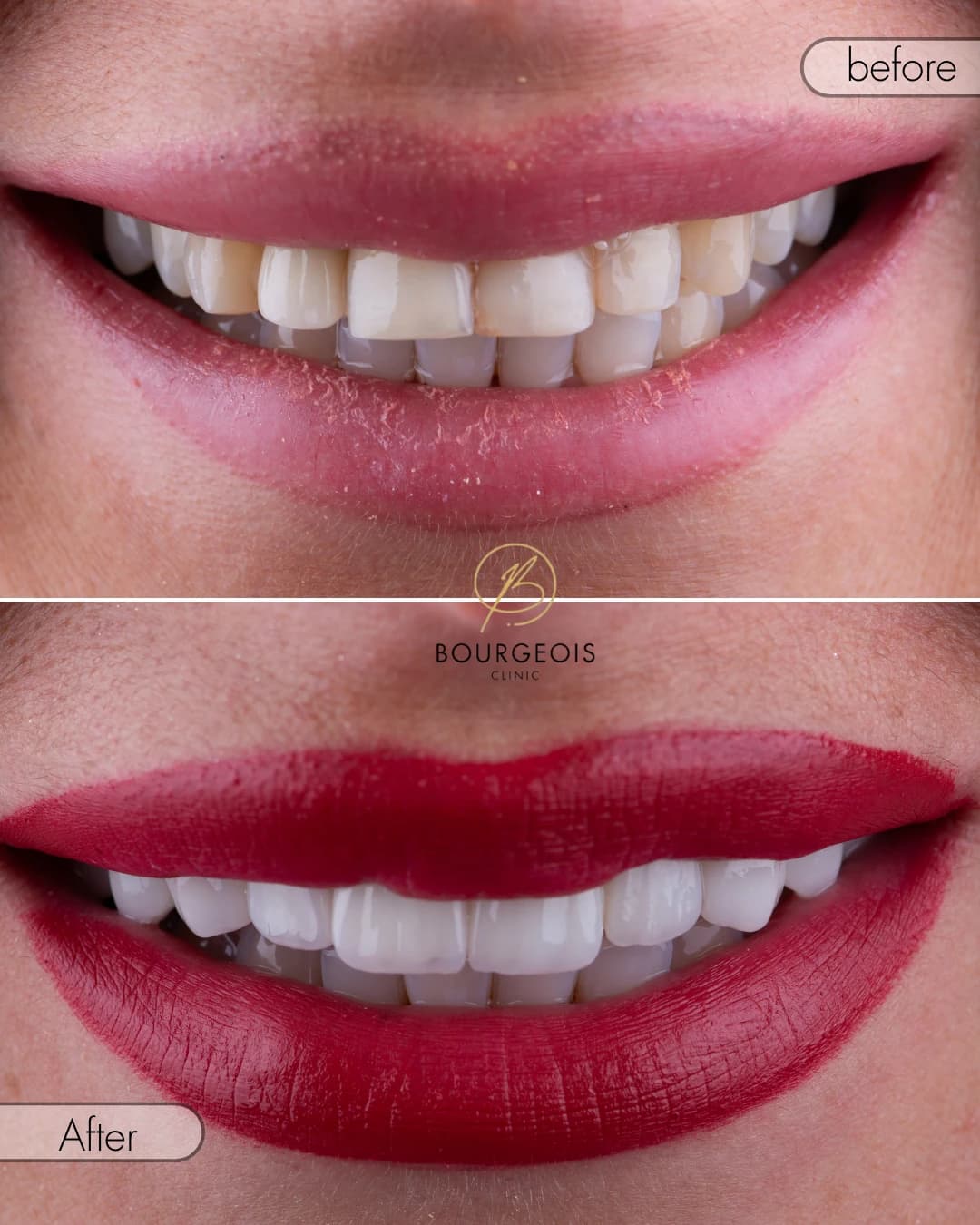


One Dark Front Tooth in Dubai: Causes and Treatment Options
Why can one front tooth become darker?
When one front tooth changes colour while neighbouring teeth remain similar, the difference may come from inside the tooth rather than surface staining. Previous trauma, bleeding within the pulp, loss of pulp vitality, an old root-canal filling, decay, a large restoration or changes in enamel and dentine can all alter how the tooth reflects light.
A dark tooth should be assessed before it is covered. At Bourgeois Dental Clinic in Dubai, examination can establish whether the concern is cosmetic, biological or both. Dr. Nour can assess the visible tooth and coordinate endodontic or restorative input when the pulp or root requires specialist evaluation.
The short answer
Treatment depends on whether the tooth is vital, root-treated, decayed, cracked or heavily restored. A vital tooth with external stain may respond to cleaning or carefully planned whitening. A root-treated tooth may be considered for internal whitening after its seal and root filling are checked. Composite bonding, a porcelain veneer or a crown may camouflage or restore selected teeth, but cosmetic coverage must not replace necessary treatment for infection or structural weakness.
Common reasons for a single dark tooth
Previous dental trauma
A fall, sports injury or impact may damage the pulp even when the tooth did not break. Colour change can occur soon after injury or years later. Some temporary colour changes improve, while persistent greying may indicate internal tissue changes. The absence of pain does not prove that the pulp is healthy.
Pulp inflammation or loss of vitality
Deep decay, cracks or trauma can irreversibly affect the pulp. Symptoms may include spontaneous pain, sensitivity that lingers, tenderness when biting, swelling or a gum pimple, but some non-vital teeth remain quiet. Tests and radiographs help determine whether root-canal treatment is needed.
A previously root-treated tooth
A root-treated tooth can darken because of old materials, remaining internal pigments or changes in dentine. Before cosmetic treatment, the dentist checks the quality of the root filling, coronal seal, symptoms and surrounding bone. Whitening a tooth with untreated infection or leakage would not address the underlying problem.
A large filling, crown or veneer
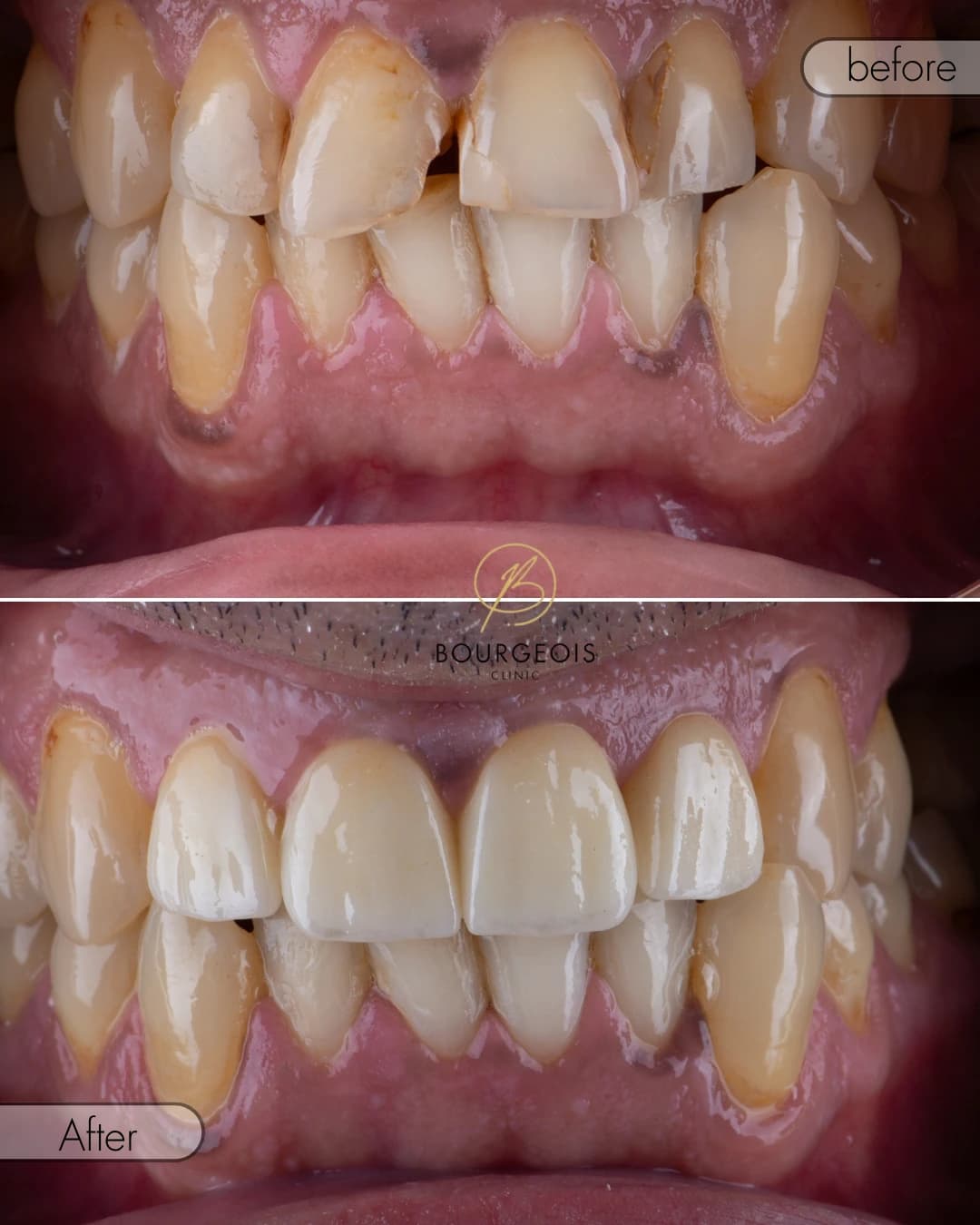
An ageing restoration may stain at the margin, appear darker than neighbouring teeth or reveal a dark foundation beneath it. The dentist must determine whether the restoration is intact, whether decay is present and whether colour correction can be achieved without unnecessary replacement.
Surface stain or enamel differences
Local stain, plaque, a developmental enamel mark or a rough surface can sometimes make one tooth appear darker. Professional cleaning and careful observation under consistent lighting help distinguish surface colour from an internal change.
How is a dark tooth diagnosed?
The dentist asks about injuries, timing of colour change, previous root canal treatment, sensitivity and episodes of swelling. Examination may include cold or electrical pulp tests, percussion, bite assessment, gum probing, light transmission and comparison with adjacent teeth. Dental X-rays can show root fillings, deep decay, bone changes and some fractures, although no single test answers every question.
A dental check-up in Dubai also reviews the health and colour of neighbouring teeth. Photographs and shade records are useful when monitoring a tooth or planning a colour-matched restoration.
When root-canal assessment comes first
If testing suggests irreversible pulp damage, infection or a previous root-canal problem, biological treatment takes priority. A front-tooth root-canal assessment evaluates whether the pulp or existing root filling requires treatment. Root canal treatment manages internal disease; it does not guarantee that the tooth will automatically regain its original colour.
Urgent assessment is appropriate for facial swelling, fever, severe or escalating pain, pus, trauma with tooth displacement, or a rapidly changing colour accompanied by symptoms.
Can normal teeth whitening fix one dark tooth?
External professional whitening treats suitable vital natural teeth from the outside. It may improve general colour, but a single internally dark tooth can respond differently and remain mismatched. Whitening all visible teeth without planning for the dark tooth may change the contrast, so the sequence should be discussed first.
Internal whitening for a root-treated tooth
Internal whitening places a professionally selected whitening material inside a suitable root-treated tooth for controlled periods. It may reduce internal discolouration without covering the whole front surface. Suitability depends on a satisfactory root filling, secure internal barrier, remaining structure and absence of active disease. Results vary, relapse can occur and reviews remain important.
Composite bonding
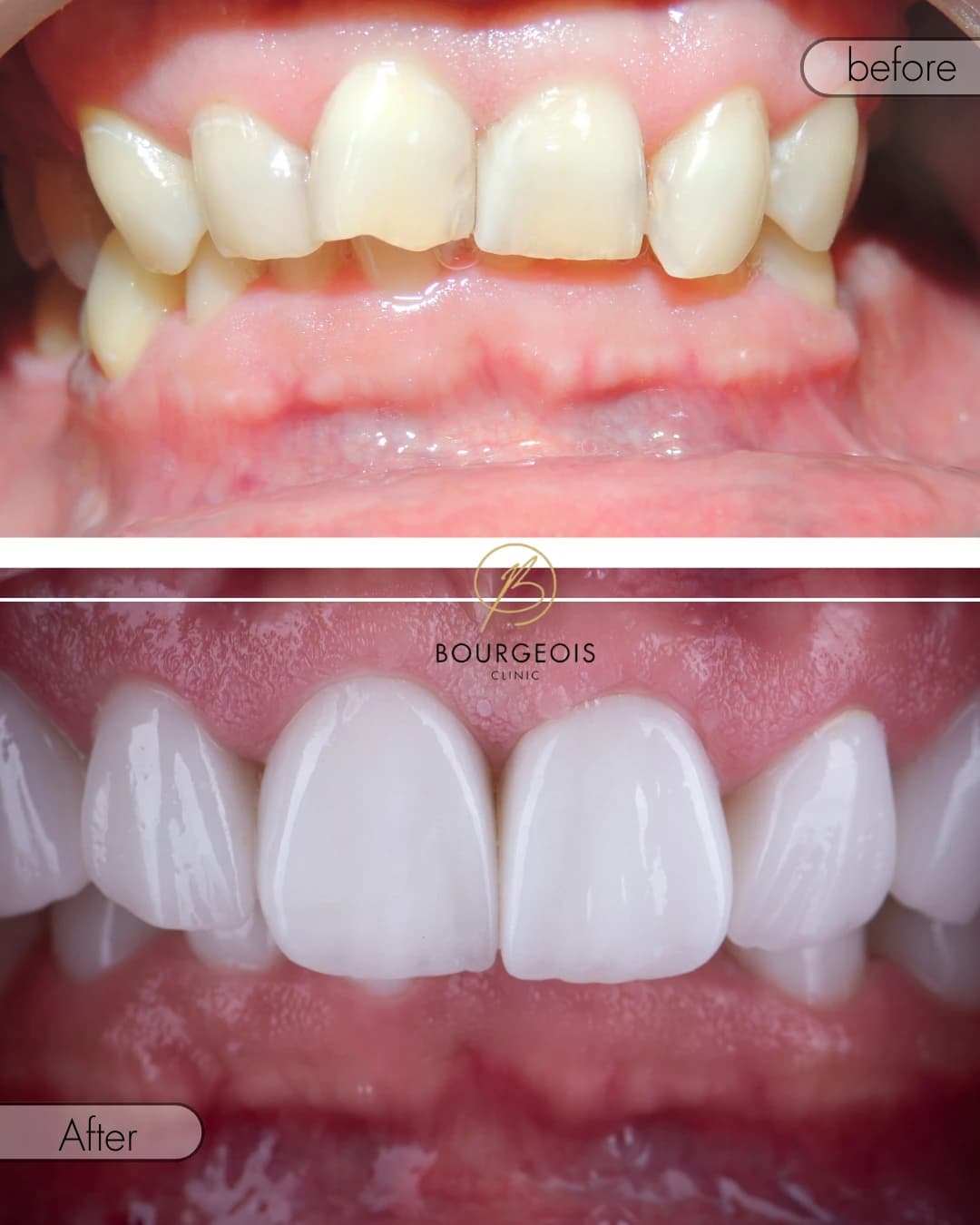
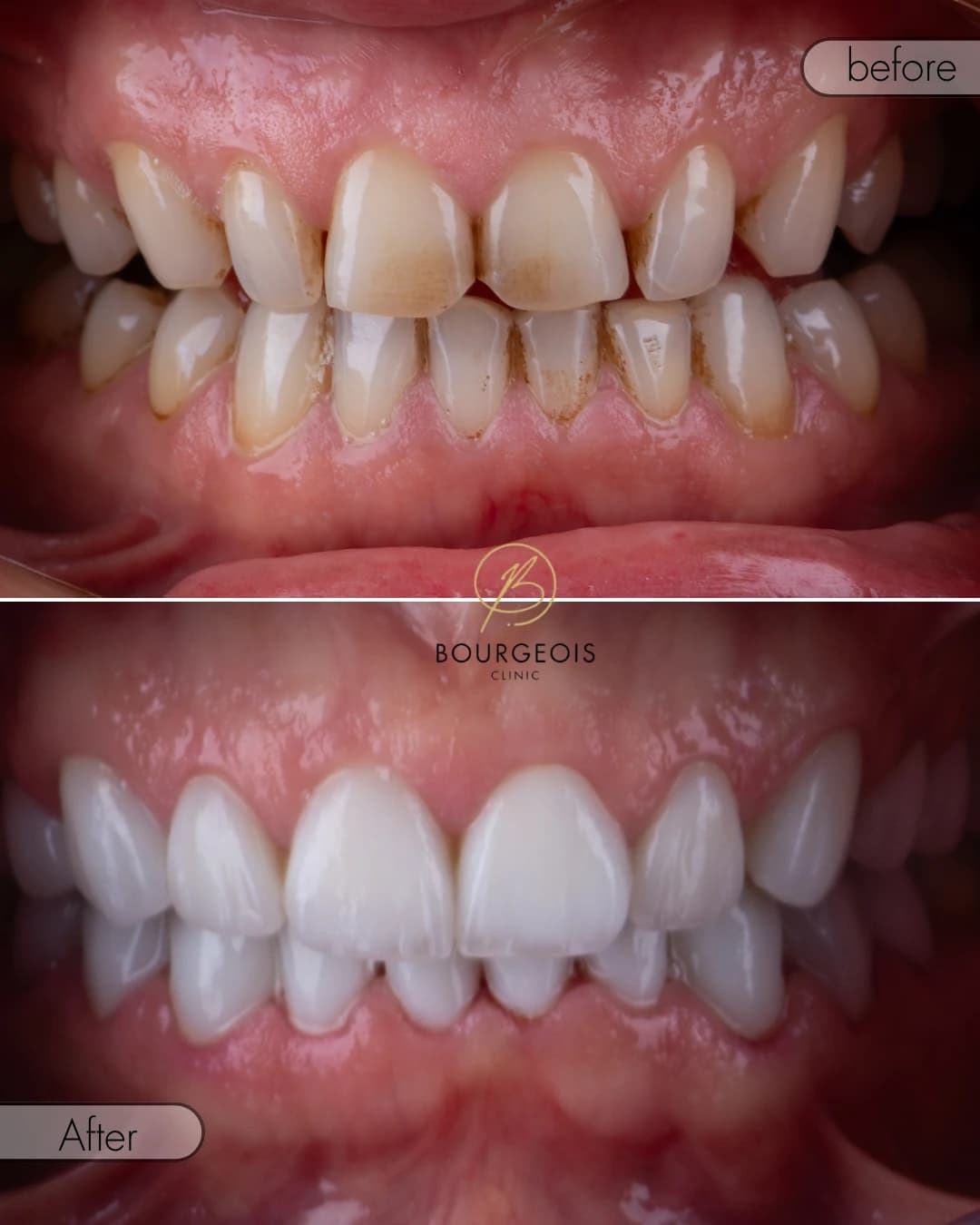
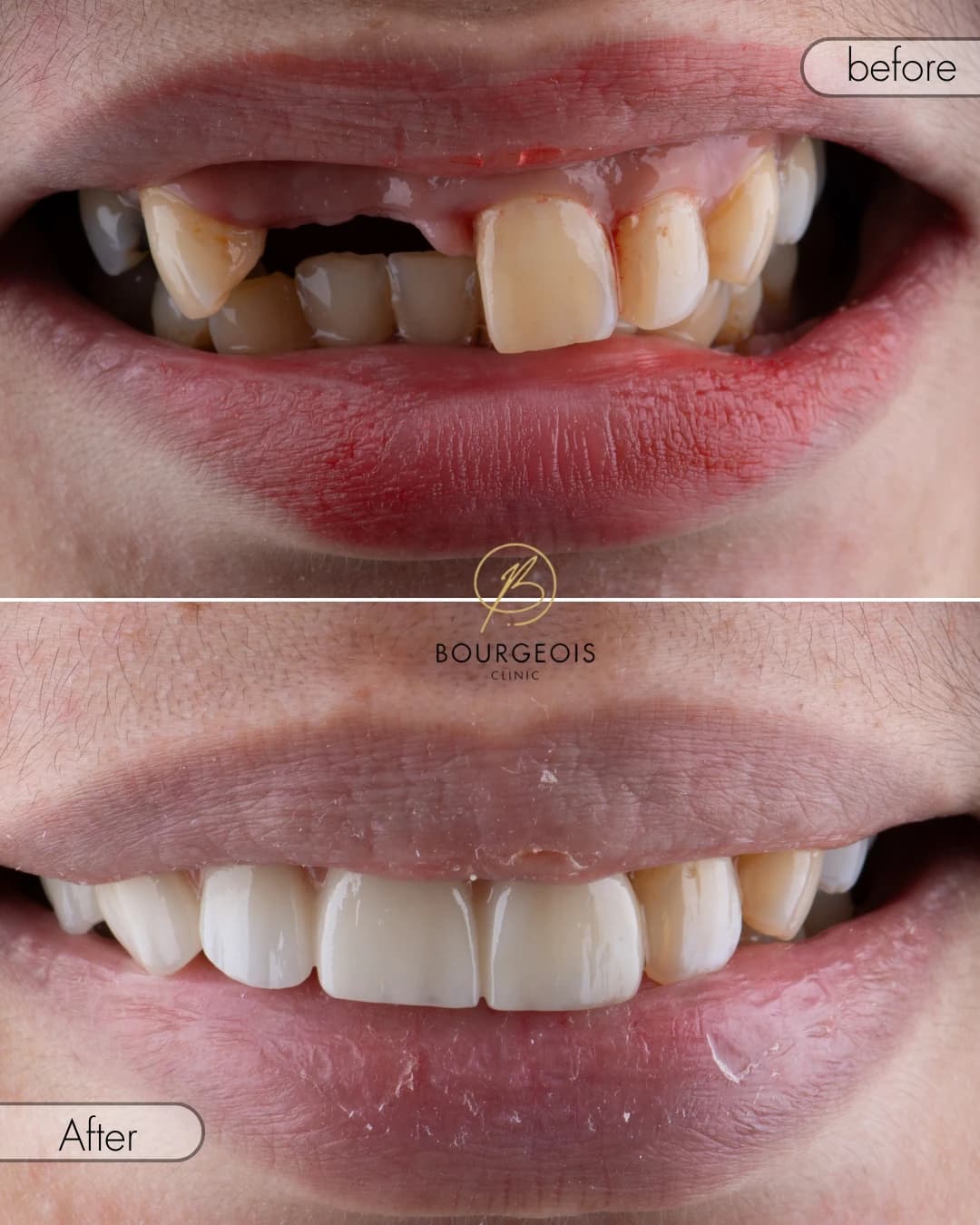
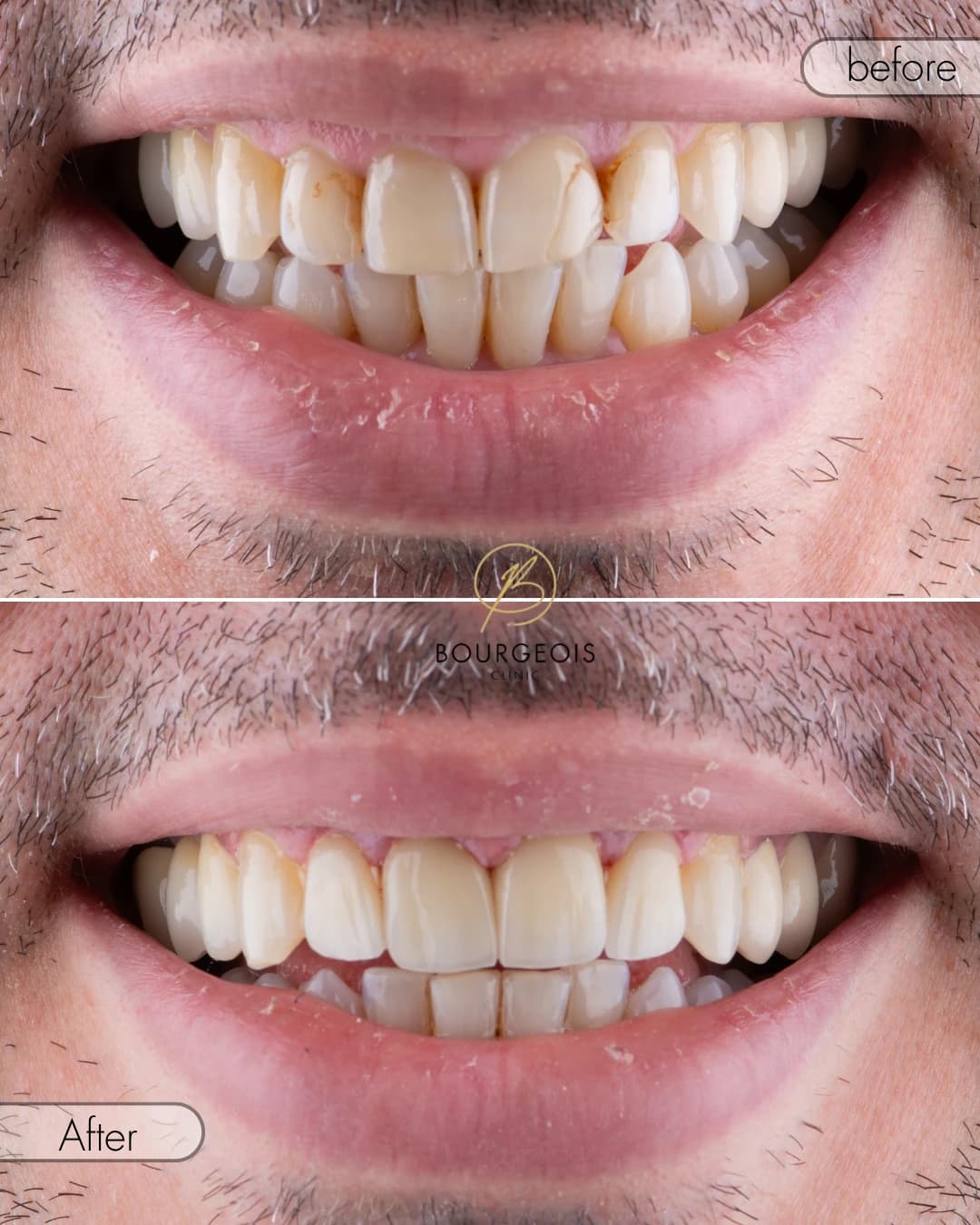
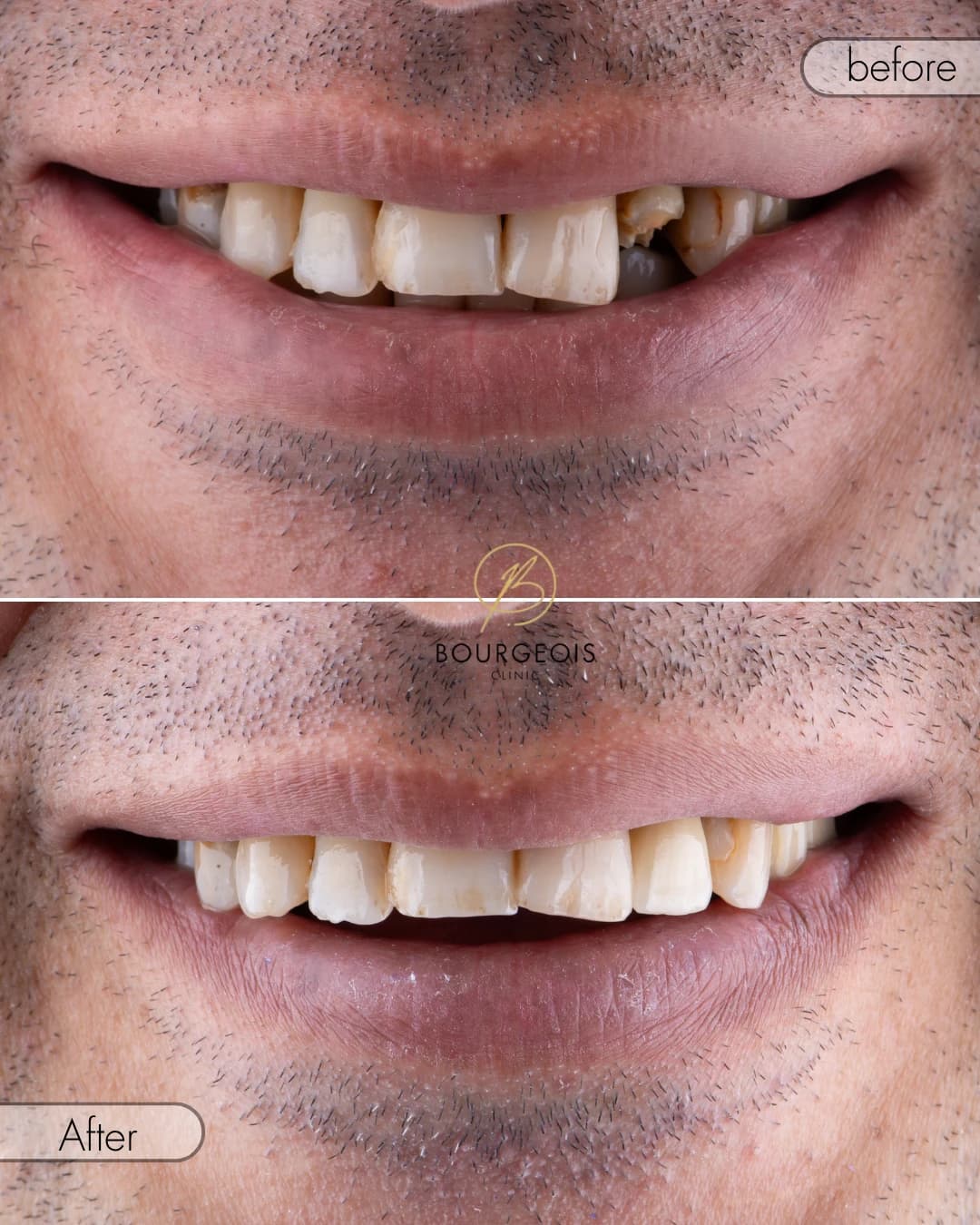
Composite bonding may mask a moderate colour difference and repair shape or chips. Very dark foundations can require more opaque resin, which may make the tooth look less translucent or bulky if space is limited. Bonding can stain, wear or chip and may need maintenance.
Porcelain veneer
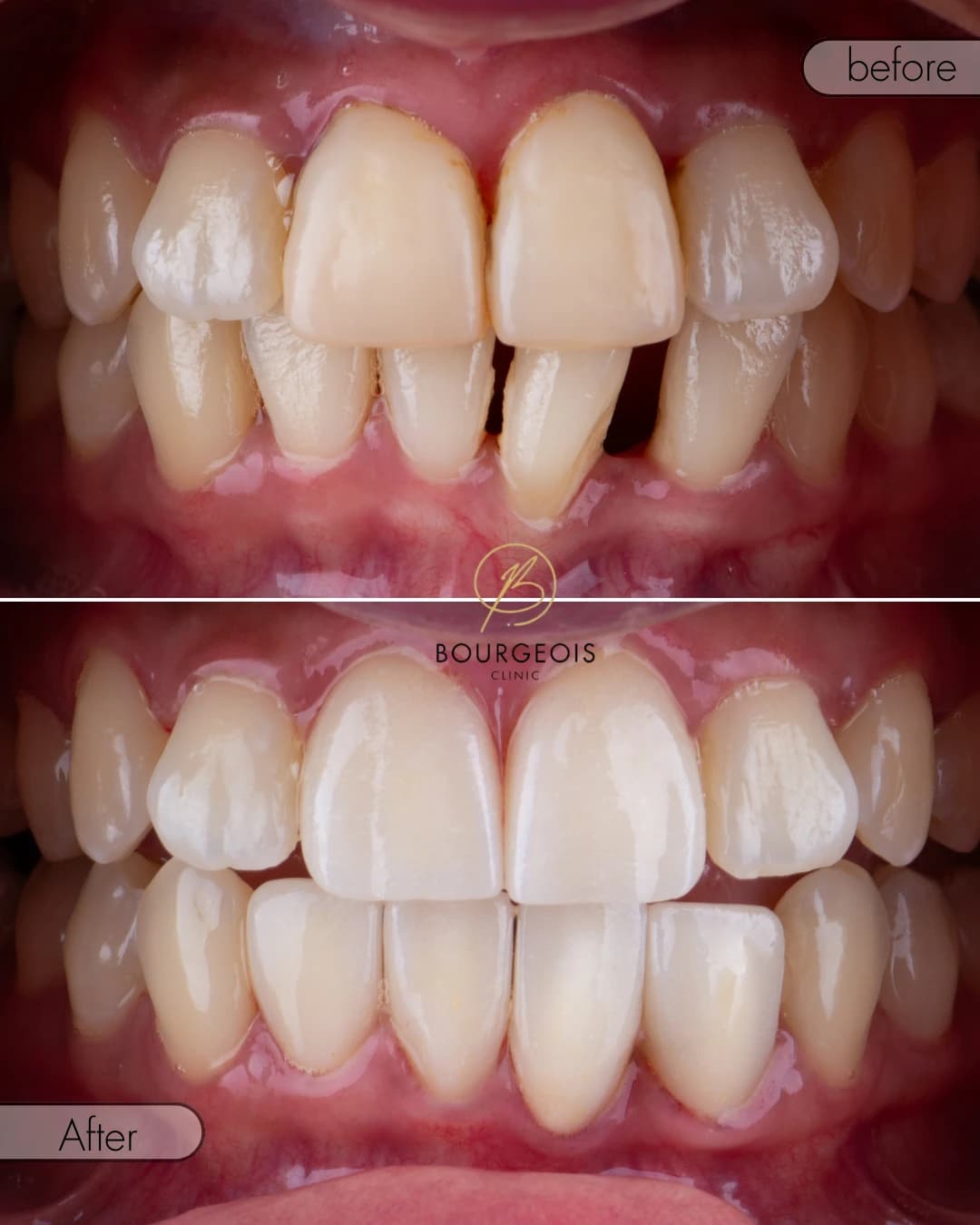
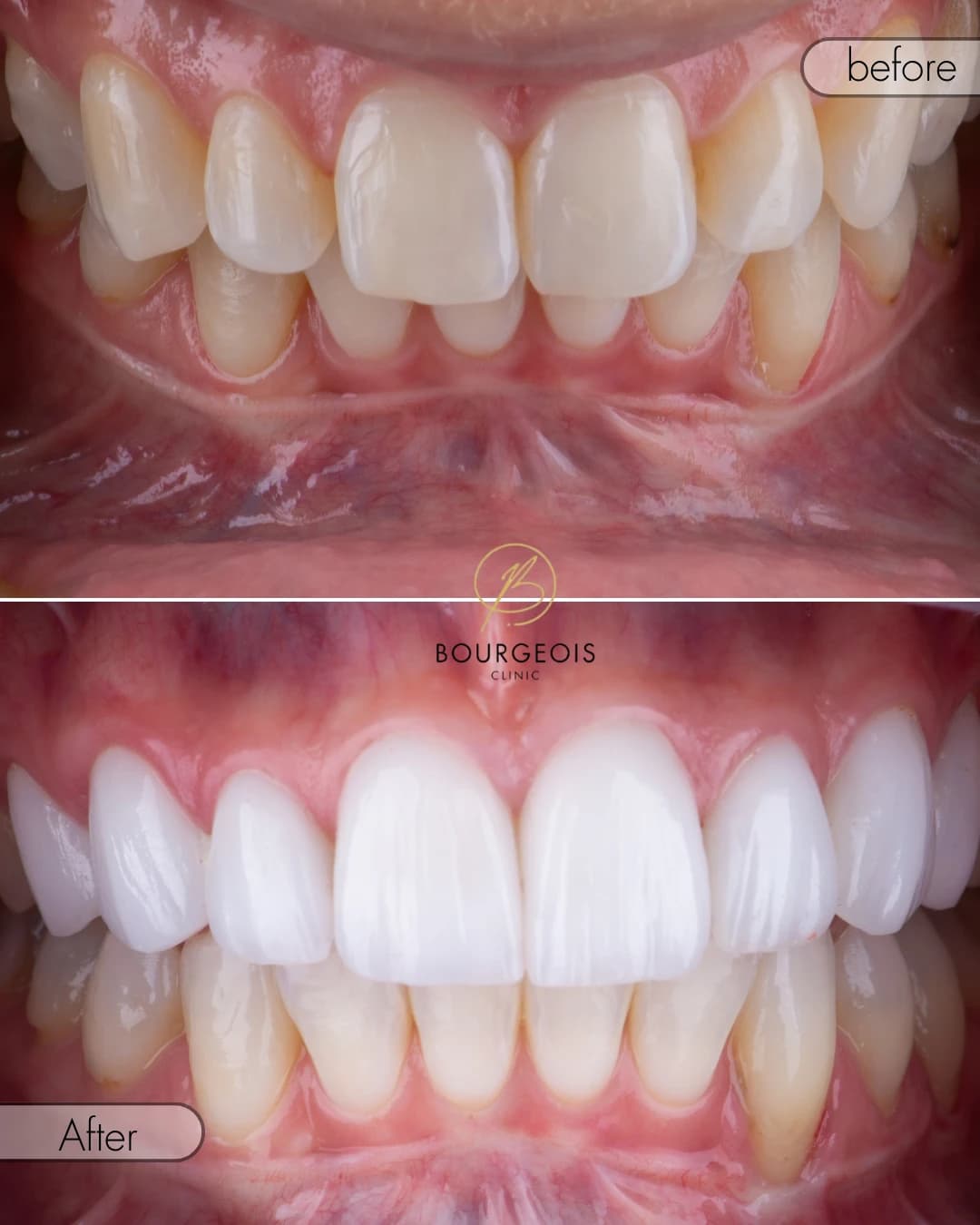
A porcelain veneer may be considered when the front surface needs a more durable colour and shape change and the tooth has suitable enamel and structure. Matching one front tooth is technically demanding because translucency, texture and light reflection must harmonise with its neighbour. Some preparation may be necessary, and a very dark foundation can limit translucency.
When might a crown be considered?
A dental crown covers more tooth structure and is usually considered when the tooth is weakened, heavily filled, fractured or needs broader protection—not simply because its colour is darker. A crown requires greater preparation than bonding or a veneer, so the structural indication should be clear.
Why shade matching one tooth is demanding
Front teeth are not a single block of colour. They contain zones of translucency, brightness, texture and internal character that change under daylight, indoor light and flash photography. A restoration that matches in one condition may look different in another. Shade photographs, polarised images, stump-shade records and communication with the dental laboratory may be used when appropriate. The objective is a natural relationship with neighbouring teeth, not simply choosing the whitest shade.
Choosing the treatment sequence
The safest sequence is diagnosis, control of disease, stabilisation of colour and then definitive cosmetic matching. If surrounding teeth are to be whitened, that may happen before the final bonding, veneer or crown shade is chosen. A temporary or trial restoration can help assess brightness, opacity, shape and symmetry before the final decision.
Planning with Dr. Nour
Dr. Nour can evaluate the colour difference alongside tooth shape, enamel, restorations, smile proportions and the patient's goals. If pulp tests or radiographs suggest an endodontic concern, the case can be coordinated with the appropriate clinician before aesthetic treatment. This team approach helps avoid covering a tooth that first needs biological care.
Book an assessment in Dubai
Do not rely on whitening toothpaste or online photographs to diagnose one dark tooth. Book a dental appointment at Bourgeois Dental Clinic on Sheikh Zayed Road, Exit 41, especially if the change followed trauma or is associated with pain, swelling or tenderness.
This article provides general information and does not replace clinical testing or diagnosis.