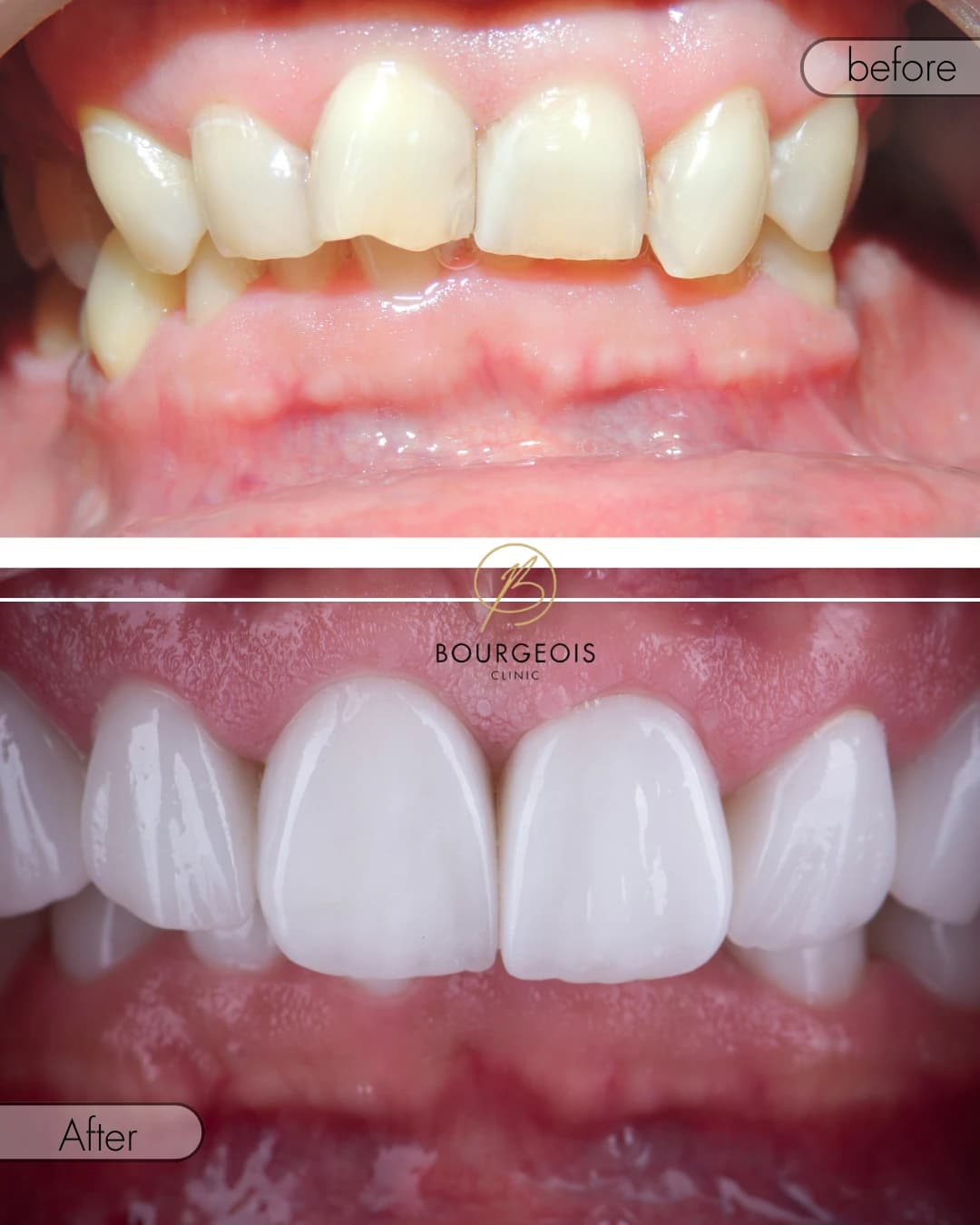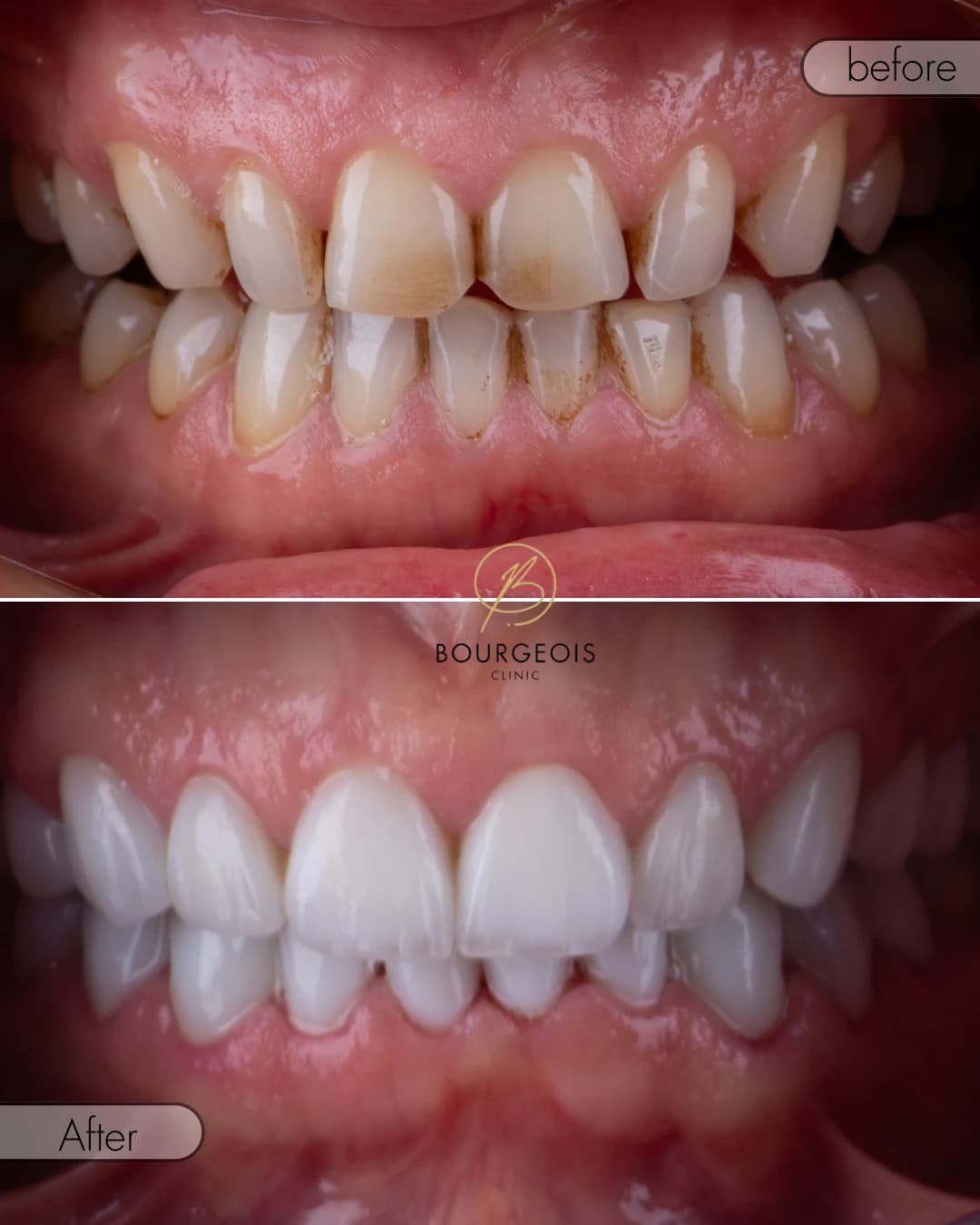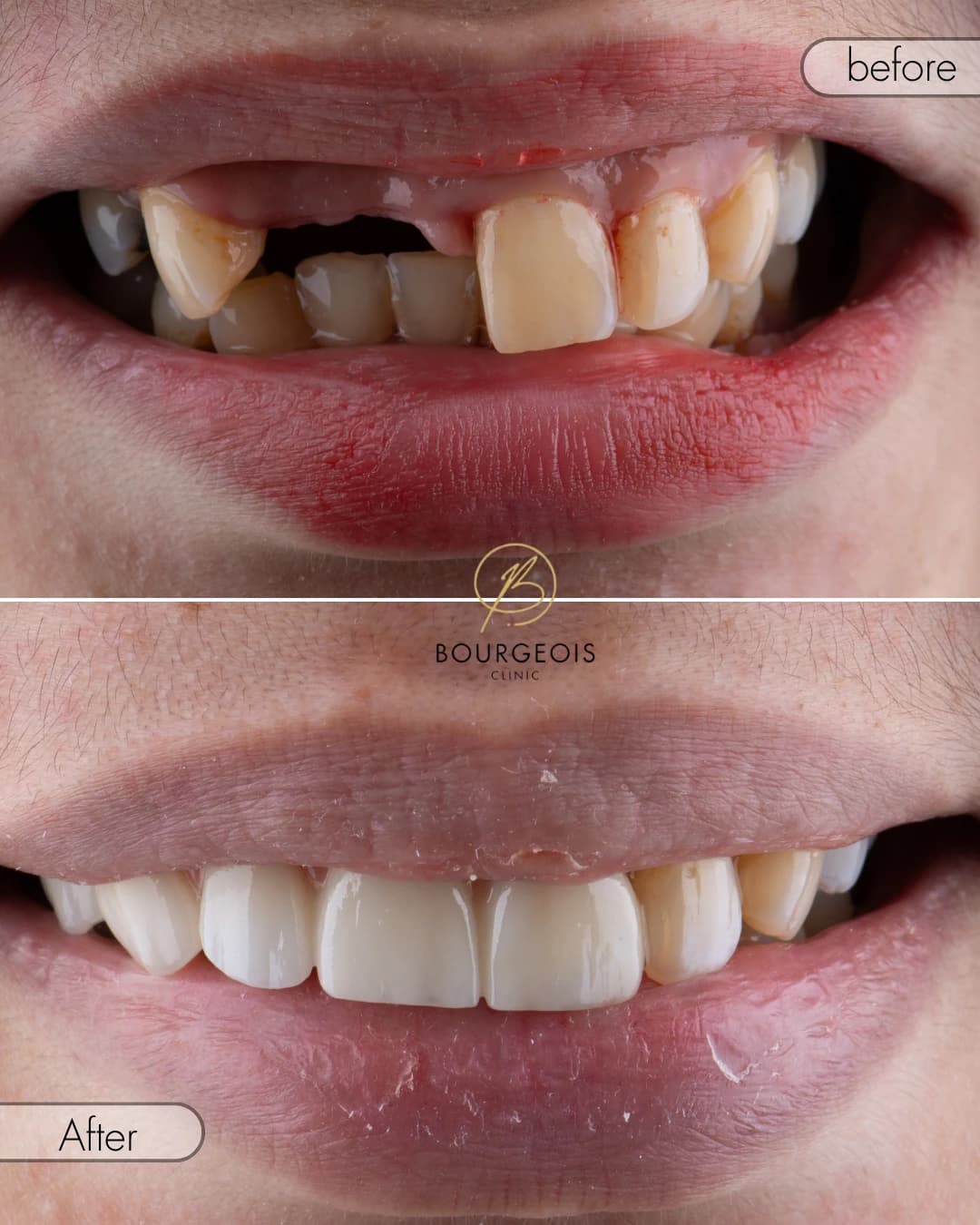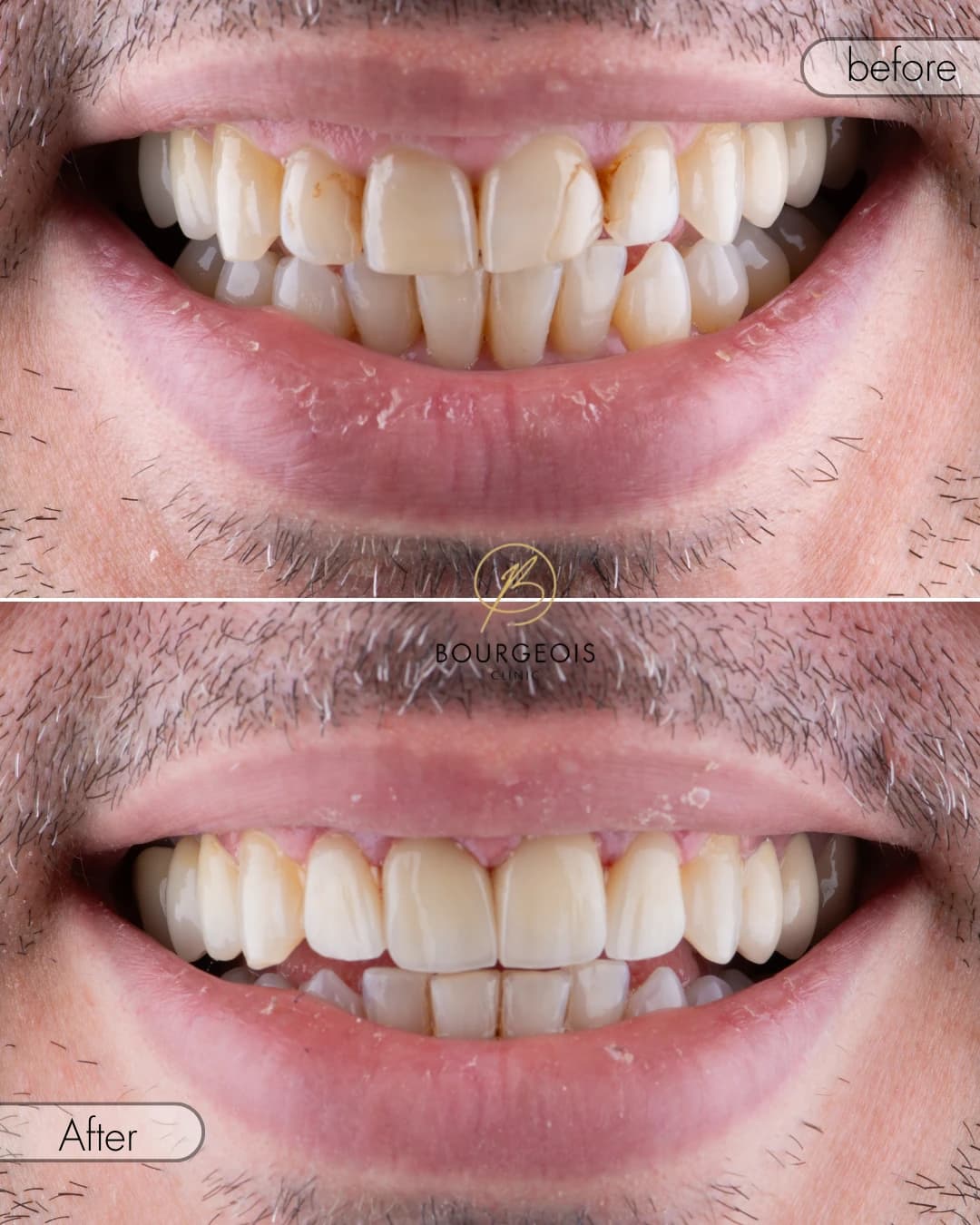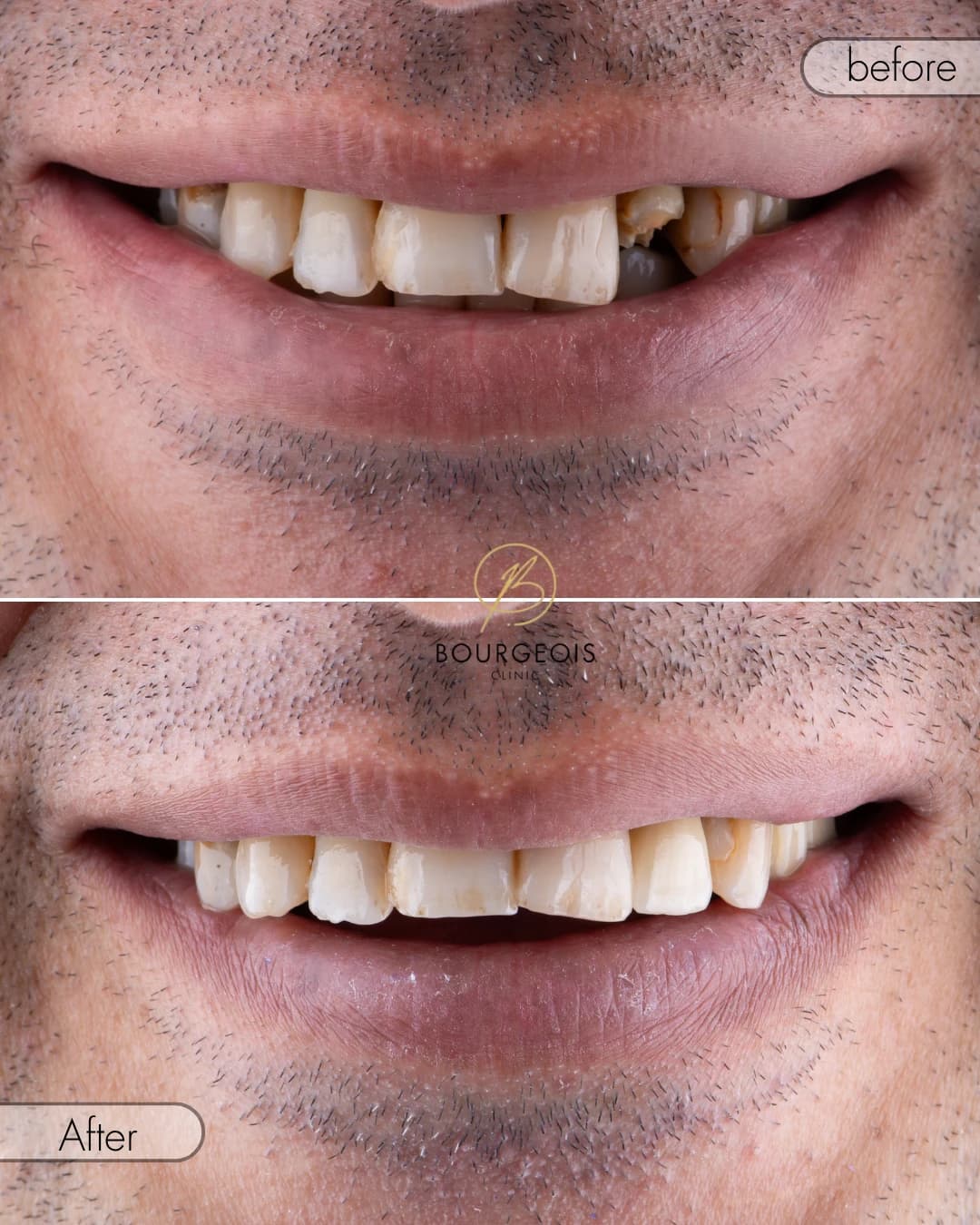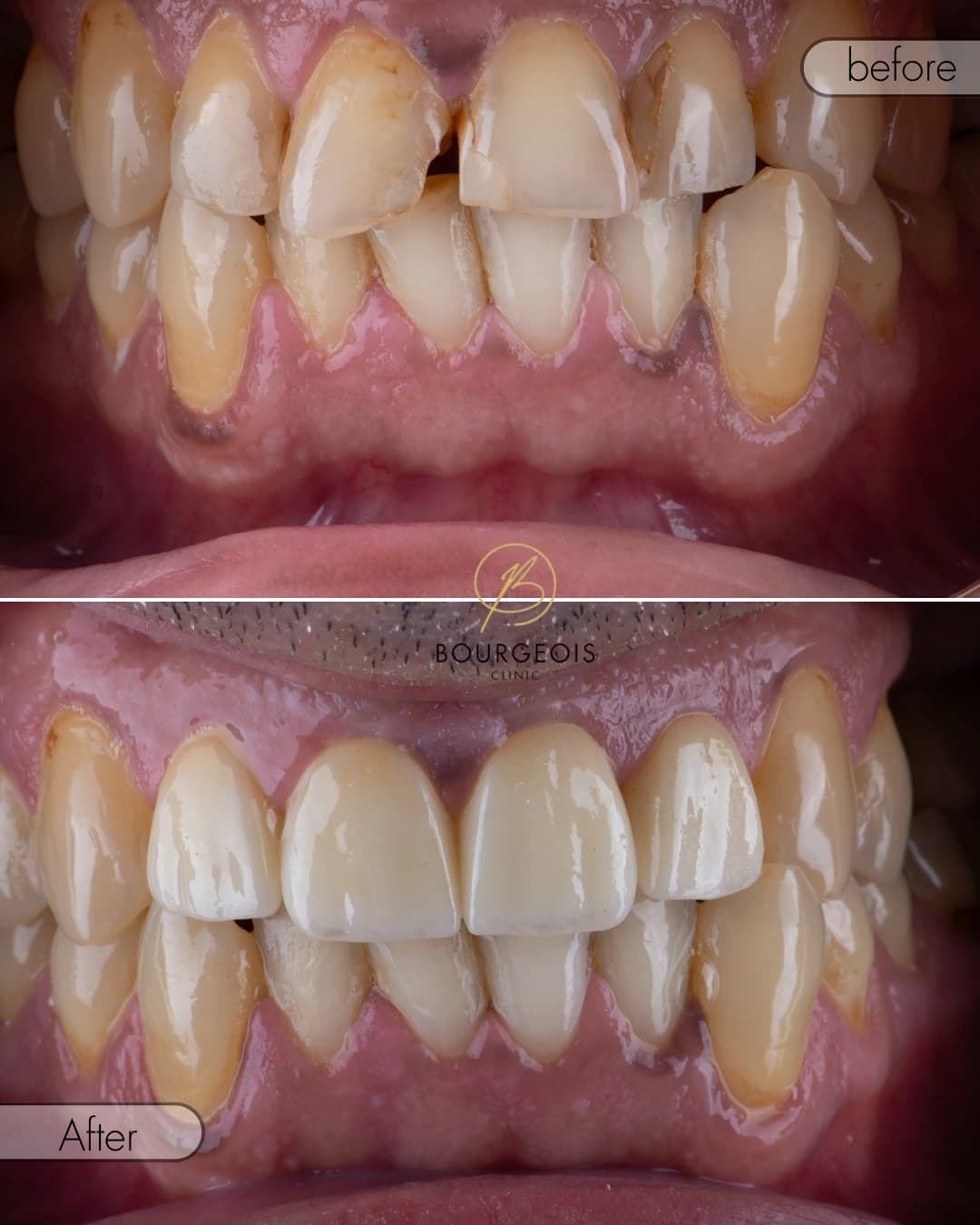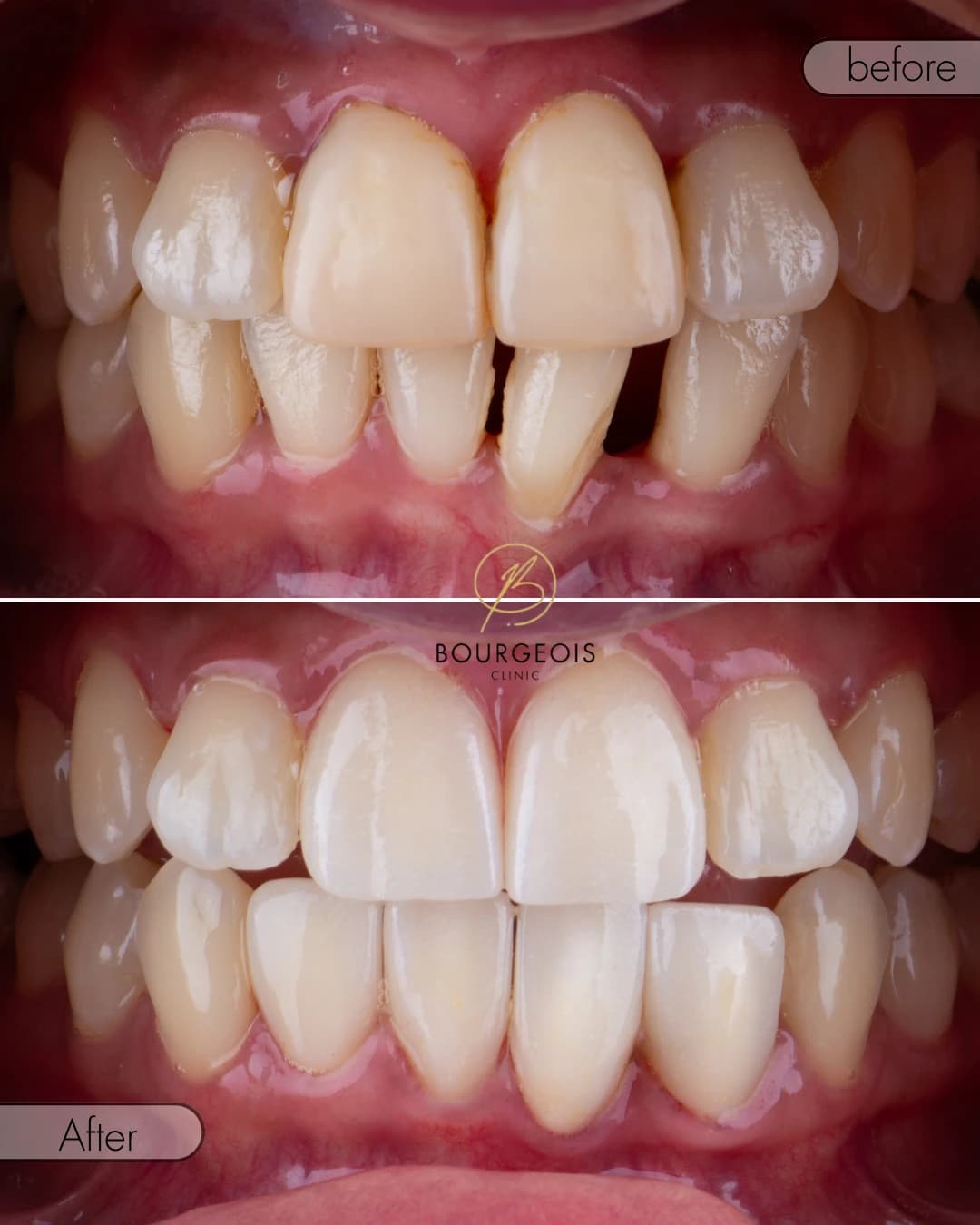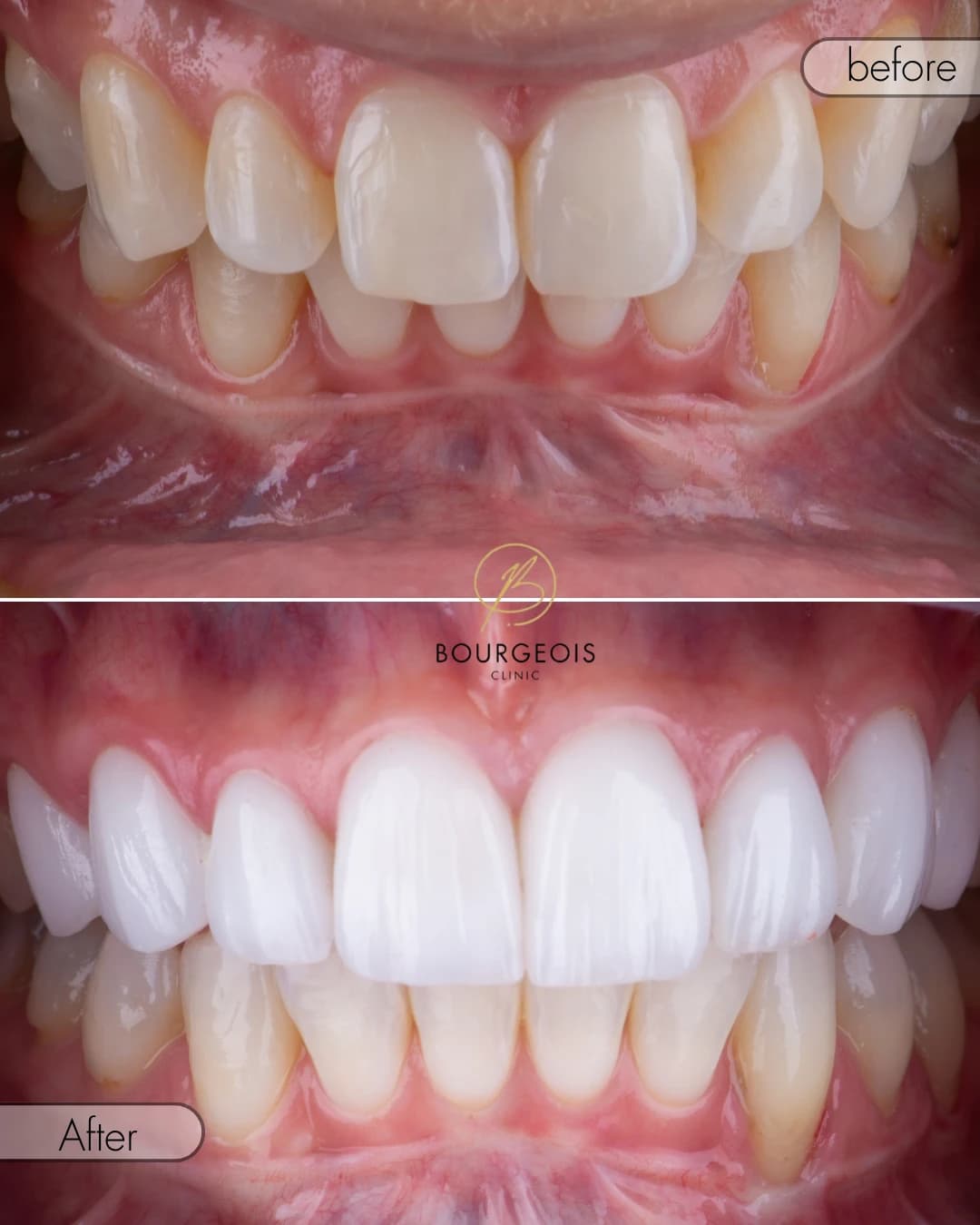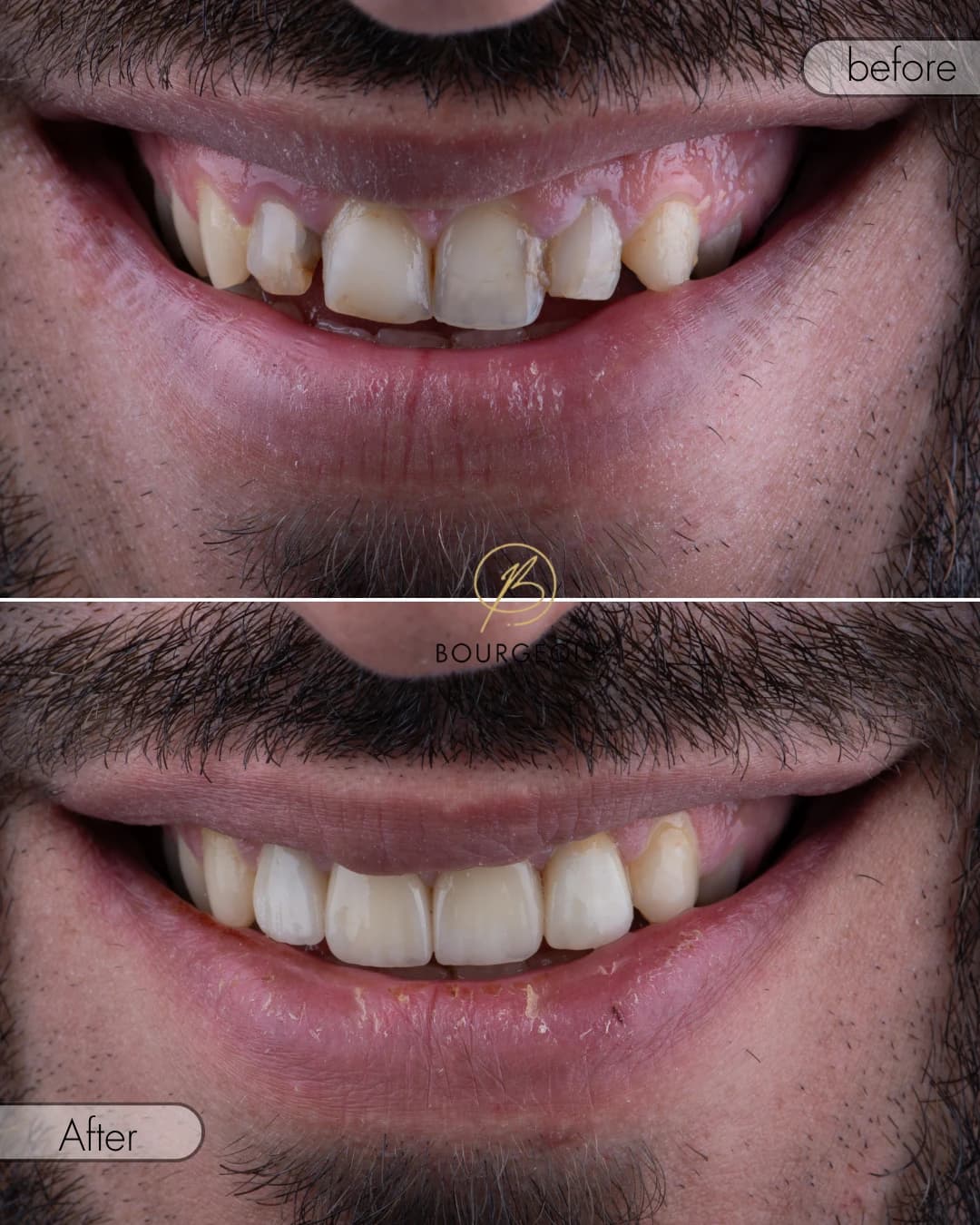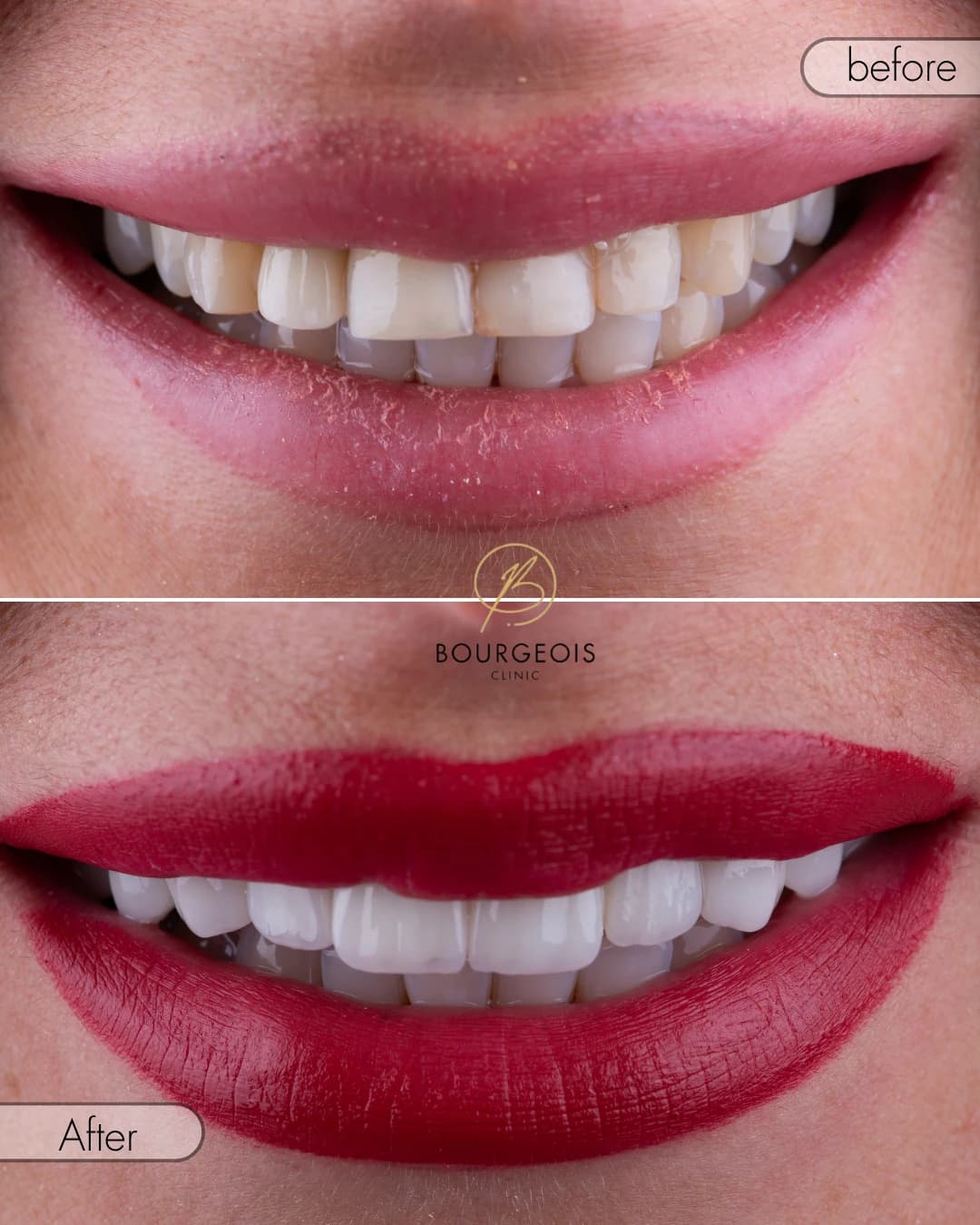



Hollywood Smile in Dubai with Dr. Nour: Veneers, Crowns, Whitening or Aligners?

Plan a personalised Hollywood Smile with Dr. Nour by comparing whitening, bonding, veneers, crowns, gum contouring and orthodontic alignment according to your teeth—not a fixed package.
A Hollywood Smile can mean very different things to different people. One patient may want a brighter shade without changing tooth shape; another may be concerned about chips, gaps, worn edges, crowding or old restorations. This is why a responsible Hollywood Smile in Dubai should be planned as an individual clinical project rather than sold as the same set of veneers or crowns to everyone.
At Bourgeois Dental Clinic, Dr. Nour Al-Kayem, CEO, Founder and Lead Dentist, provides aesthetic and restorative treatment planning within her published scope. She assesses what creates the visible concern, what can remain untouched and which procedure—or combination—can deliver the requested change while respecting tooth structure, gum health and bite function.
Quick Answer: What Can a Hollywood Smile Include?
A Hollywood Smile treatment plan may use professional whitening, composite bonding, porcelain veneers, gum contouring, orthodontic alignment, replacement of unsuitable old restorations or crowns for teeth that genuinely need structural coverage. It does not automatically require every option, and no fixed number of teeth is correct for every smile.
The best starting point is not “Which material is most popular?” but “Which features do I want to change, and what is the least invasive predictable way to change them?” Examination and diagnostic records are needed before that question can be answered for an individual patient.
Meet Dr. Nour
Dr. Nour earned her Doctor of Dental Surgery degree in 2005 and has more than 20 years of dental experience. Her profile covers general dentistry, aesthetic dentistry, prosthetic rehabilitation and dental care for children. Her cosmetic scope includes smile planning, porcelain veneers, dental crowns, composite restorations and minimally invasive techniques when clinically appropriate.
For a Hollywood Smile, her role is to connect appearance with oral health and function. That means checking the condition of natural teeth and previous restorations, identifying disease that should be treated first, considering how the teeth meet and explaining which parts of the plan are elective, restorative or specialist-led.
Orthodontic movements are assessed and managed by the appropriate orthodontic clinician. At Bourgeois Dental Clinic, Dr. Samer Hassoun is the Specialist Orthodontist. Implant surgery, advanced periodontal treatment or other procedures may also involve a suitable member of the multidisciplinary team, while the cosmetic and restorative objectives remain coordinated.
Start with the Problem, Not the Product
The phrase “I want a Hollywood Smile” is useful for beginning a conversation, but it is not a diagnosis. Dr. Nour first clarifies the desired degree of change. Some patients want a natural improvement that preserves individual tooth character; others prefer a brighter, more uniform and highly polished appearance.
The treatment choice depends on the source of each concern:
- Colour: natural tooth discolouration may respond to whitening, while restorations do not whiten.
- Shape: small chips or uneven edges may be suitable for bonding; broader shape changes may require veneers.
- Position: crowded, rotated or protruding teeth may benefit from orthodontic movement rather than being visually disguised.
- Structure: a cracked, heavily filled or weakened tooth may need a crown for restorative reasons.
- Gumline: asymmetry or excessive tissue display requires gum and bone assessment before contouring.
- Missing teeth: spaces caused by tooth loss need restorative and, where appropriate, surgical planning rather than cosmetic covering alone.
The Health-First Hollywood Smile Assessment
A cosmetic dental consultation in Dubai should examine more than the front view of a smile. Dr. Nour reviews medical and dental history, symptoms, sensitivity, previous treatment and aesthetic expectations. The clinical examination considers decay, enamel, cracks, gum inflammation, recession, tooth wear, existing fillings or crowns and the bite.
Photographs, digital scans, radiographs or other records may be advised according to clinical need. Active decay, gum disease, infection or unstable dental work should generally be managed before definitive cosmetic treatment. This order is important because the final restorations depend on healthy, maintainable foundations.
Hollywood Smile Options Compared
| Option | Main change it can provide | Important limitation |
|---|---|---|
| Professional whitening | Lightens the colour of suitable natural teeth | Does not change tooth shape or whiten fillings, veneers and crowns |
| Composite bonding | Repairs selected chips, gaps, edges and small shape differences | May stain, wear, chip or need polishing and repair |
| Porcelain veneers | Changes the visible colour, shape, proportions or symmetry of suitable front teeth | May require enamel preparation and future replacement |
| Dental crowns | Restores and covers structurally weakened or heavily restored teeth | Requires more tooth coverage and is not the default cosmetic option for healthy teeth |
| Clear aligners | Moves suitable crowded, rotated or spaced teeth and may improve selected bite concerns | Requires time, consistent wear, monitoring and retainers |
| Gum contouring | Adjusts selected gumline asymmetry or visible tooth proportions | Suitability depends on gum health, tissue dimensions and the underlying bone |
This comparison is not a prescription. Several concerns can exist together, and the safest sequence may involve one treatment before another. For example, alignment or whitening may be completed before the final shapes and shades of restorations are selected.
When Whitening May Be Enough
Whitening can be the most conservative answer when a patient likes the shape and position of the teeth but wants them lighter. It changes suitable natural tooth colour without covering the teeth. The response varies with the type of discolouration, and temporary sensitivity can occur.
Whitening products do not lighten composite fillings, bonding, veneers, crowns or bridges. If visible restorations already match the darker shade, they may look different after natural teeth are whitened. Dr. Nour can therefore plan whitening first and reassess whether any restorations require replacement for colour matching.
When Composite Bonding Fits the Plan
Composite bonding uses tooth-coloured resin placed and shaped directly on selected teeth. It may suit small chips, modest gaps, worn edges, uneven lengths or limited shape changes. In appropriate cases it can preserve more enamel than broader ceramic coverage.
Its advantages do not make it maintenance-free. Composite can lose polish, pick up stains, chip or wear, particularly when exposed to grinding, hard biting habits or frequent staining substances. Patients should understand the possible need for refinishing, repair or replacement when comparing it with ceramic treatment.
When Porcelain Veneers May Be Considered
Porcelain veneers are thin ceramic restorations bonded to the visible surfaces of selected front teeth. They may be discussed when several teeth require coordinated changes in colour, shape, proportions or symmetry, especially when whitening or small areas of bonding cannot produce the requested result.
Veneer planning must evaluate enamel quantity, tooth position, existing fillings, gum condition and bite forces. Some cases require controlled enamel reduction. “Minimal-preparation” describes an aim or a particular design, not a promise that every tooth can receive a preparation-free veneer. Adding ceramic without sufficient space can create bulky contours, cleaning difficulty or an unnatural appearance.
Veneers and Crowns Are Not Interchangeable
A veneer mainly covers the front surface of a suitable tooth. A crown covers substantially more of a prepared tooth and is generally selected when structural support or full coverage is required. A healthy tooth should not receive a crown merely because a package calls every restoration a “Hollywood tooth.”
On the other hand, a tooth with extensive fillings, a significant crack, major wear or inadequate structure may not be a reliable veneer candidate. Dr. Nour chooses the restoration tooth by tooth; a smile can contain different treatment types while still having a coordinated final appearance.
When Alignment Comes Before Restorations
Veneers and bonding can alter the visual outline of mild irregularities, but they do not move roots or correct a true bite relationship. Attempting to mask notable crowding or protrusion with restorations can demand excessive tooth preparation or produce overcontoured teeth.
Clear aligners or another orthodontic method may first improve tooth positions. Alignment can create better spacing, reduce the amount of restorative material needed and allow Dr. Nour to make more conservative final changes. Suitability, expected movements and retention are evaluated by the orthodontic clinician rather than promised from photographs.
How Gum Shape Affects the Result
The amount and symmetry of visible gum tissue influence tooth proportions. Selected patients may discuss contouring, but an uneven gumline can arise from inflammation, tooth position, altered eruption, recession or the relationship between tissue and bone. The cause determines whether reshaping is appropriate.
Cosmetic treatment should not simply remove tissue without assessing periodontal health and biological limits. Some situations require no gum procedure; others may need periodontal care or a more detailed specialist assessment before restorative work.
Choosing a Shade That Suits the Patient
There is no universally “best” white. A shade should be discussed in relation to skin tone, facial features, neighbouring teeth, restoration material, translucency and the patient’s preference. An ultra-white result can be intentional, but it should be chosen knowingly rather than assumed to be the only Hollywood Smile standard.
Shape and surface texture matter as much as colour. Slight variations in line angles, translucency and texture can create a natural result, while identical flat shapes may appear artificial even in an expensive material. Patients should explain whether they prefer a subtle, naturally bright or highly uniform finish.
Digital Preview, Mock-Up and Temporary Stage
Photographs, scans, digital simulations, diagnostic models or a trial mock-up may help communicate proposed tooth length, width and overall direction. These tools support discussion; they do not guarantee that a screen image will be reproduced exactly in the mouth.
For cases involving prepared restorations, temporary veneers or crowns may help evaluate appearance, speech, comfort and cleaning before final ceramics are completed. Ask which details can still be changed at each stage and when approval of the design becomes necessary.
How Many Teeth Should Be Treated?
There is no standard answer such as six, eight, ten or twenty. The visible smile width, lip movement, tooth colour, existing restorations and the planned degree of change all matter. Treating too few teeth can leave an obvious transition, while treating healthy teeth that do not need alteration adds avoidable intervention.
Dr. Nour can map which teeth show in a full smile and explain why each proposed tooth is included. Some plans combine whitening for natural teeth with restorations only on the teeth that need shape or structural changes.
Sequence and Timeline
A conservative plan involving whitening or small bonding changes may be comparatively short. A plan that includes gum therapy, orthodontics, replacement of old restorations, laboratory-made veneers or crowns, implant treatment or healing periods takes longer.
A possible sequence is:
- Consultation, records and diagnosis
- Treatment of active disease and improvement of gum health
- Orthodontic or periodontal stages when indicated
- Whitening before selecting final restorative shades
- Mock-up, provisional stage or direct bonding trial where appropriate
- Final veneers, crowns or bonding
- Bite review, hygiene guidance and maintenance planning
The actual order is personalised. Patients should receive an estimated timeline with the clinical or laboratory steps that could affect it.
What Determines Hollywood Smile Cost in Dubai?
Cost depends on the diagnosis, number of teeth, selected treatments and materials, complexity, laboratory work, records, temporary restorations and any preliminary or specialist care. A quote for “one Hollywood Smile” without examining the mouth cannot show whether it covers the right treatment.
Ask for a written plan that identifies the procedure for each tooth, alternatives, expected preparation, responsible clinician, maintenance and what the fee includes. A lower initial price may not include disease treatment, temporaries, refinements, repairs, retainers or replacement of mismatched old restorations.
Longevity and Maintenance
A Hollywood Smile is not a lifetime product. Whitening may require refreshment; composite can need polishing or repair; veneers and crowns may eventually chip, debond, fracture or require replacement. Natural teeth and gums also continue to change.
Daily fluoride brushing, interdental cleaning and recommended examinations and hygiene appointments remain essential. Avoid using restored teeth to bite ice, pens or packaging. Grinding or clenching should be assessed, and a protective night guard may be advised. Contact the clinic if a restoration feels mobile, rough, painful or different in the bite.
Questions to Ask Before You Decide
- Which specific features of my smile are we treating?
- Are my teeth and gums healthy enough to begin?
- Could whitening, alignment or bonding avoid broader tooth preparation?
- Why is a veneer or crown proposed for each tooth?
- How much natural tooth structure is expected to be altered?
- How will the shade, shape and number of treated teeth be selected?
- Who will manage orthodontic, gum or surgical stages if they are needed?
- Can I review a mock-up or provisional design?
- What are the realistic limitations and maintenance requirements?
- What does the written price include?
Warning Signs in Hollywood Smile Advertising
- One fixed package recommended without a full examination
- Crowns described as the automatic choice for healthy front teeth
- A promise of no tooth preparation before tooth position is assessed
- Guaranteed lifetime results or “zero maintenance” claims
- No discussion of gum health, bite or grinding
- No alternative to veneers even when colour or alignment is the main concern
- An identical shade and shape presented as suitable for every face
- Pressure to begin irreversible treatment without a written tooth-by-tooth plan
Book a Hollywood Smile Consultation with Dr. Nour
Bourgeois Dental Clinic is located in Office No. 5 on the first floor of Indigo Sky Building, Sheikh Zayed Road, Exit 41, near Al Thanya Street in Dubai. The location is accessible from Umm Al Sheif, Al Barsha, Umm Suqeim, Jumeirah, Al Quoz, Barsha Heights, The Greens, Dubai Marina and surrounding communities.
Book an appointment with Dr. Nour to discuss the changes you want, compare the suitable procedures and receive a personalised sequence. The final recommendation, duration and quotation follow examination and any clinically required records.
Editorial note: This article provides general educational information and does not replace a dental examination, diagnosis or individual treatment advice. Outcomes and suitability vary with oral health, anatomy, treatment choice, maintenance and patient cooperation.