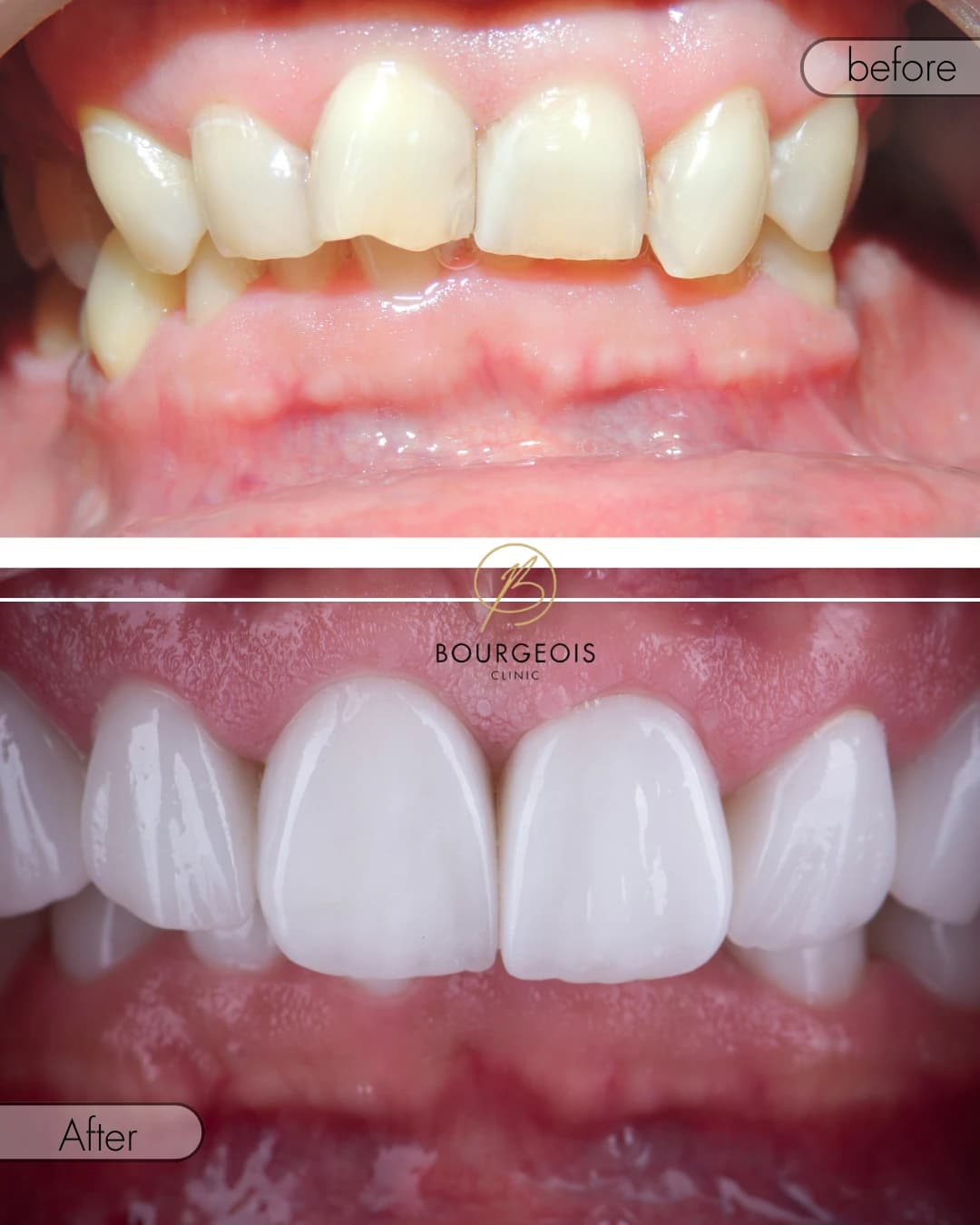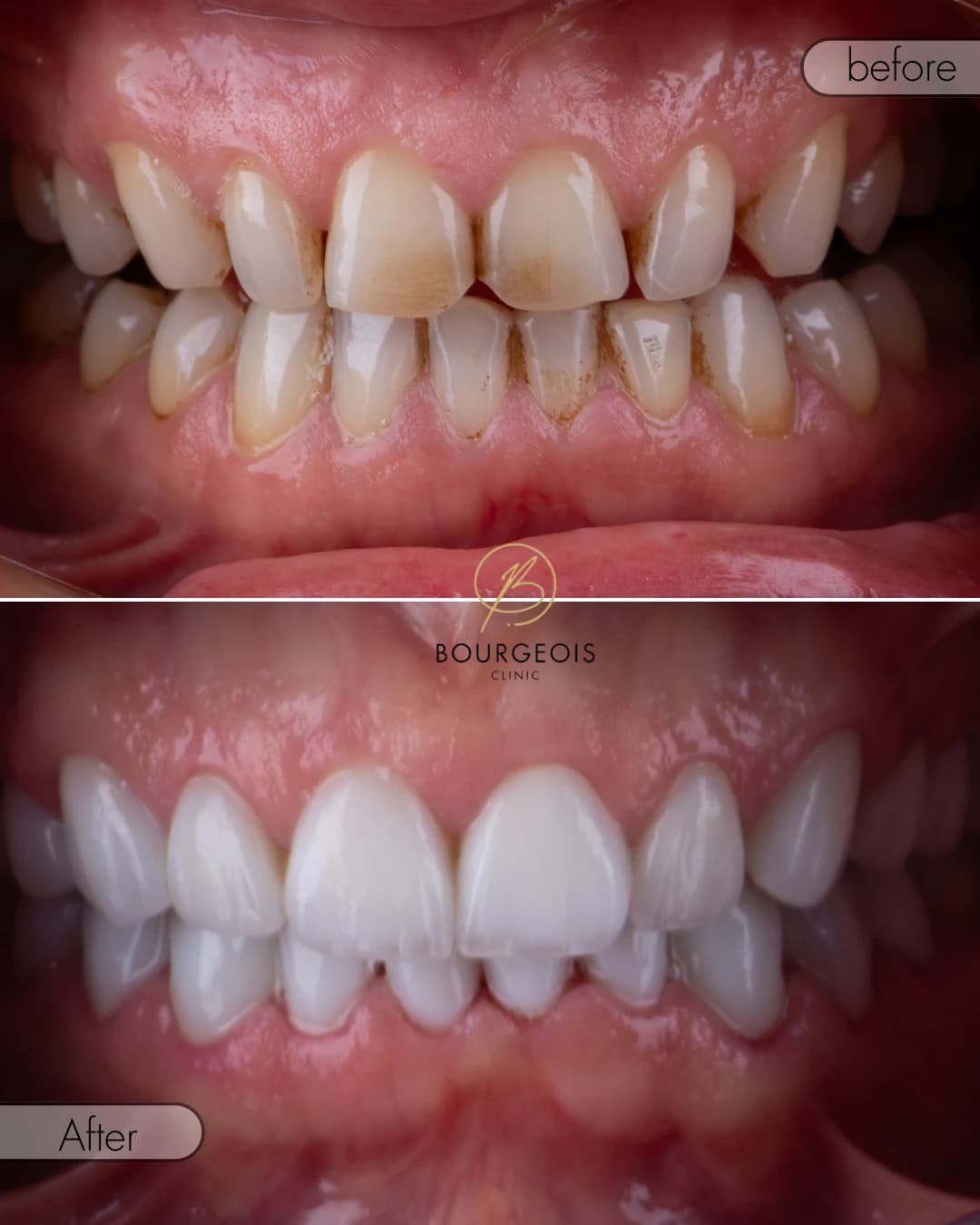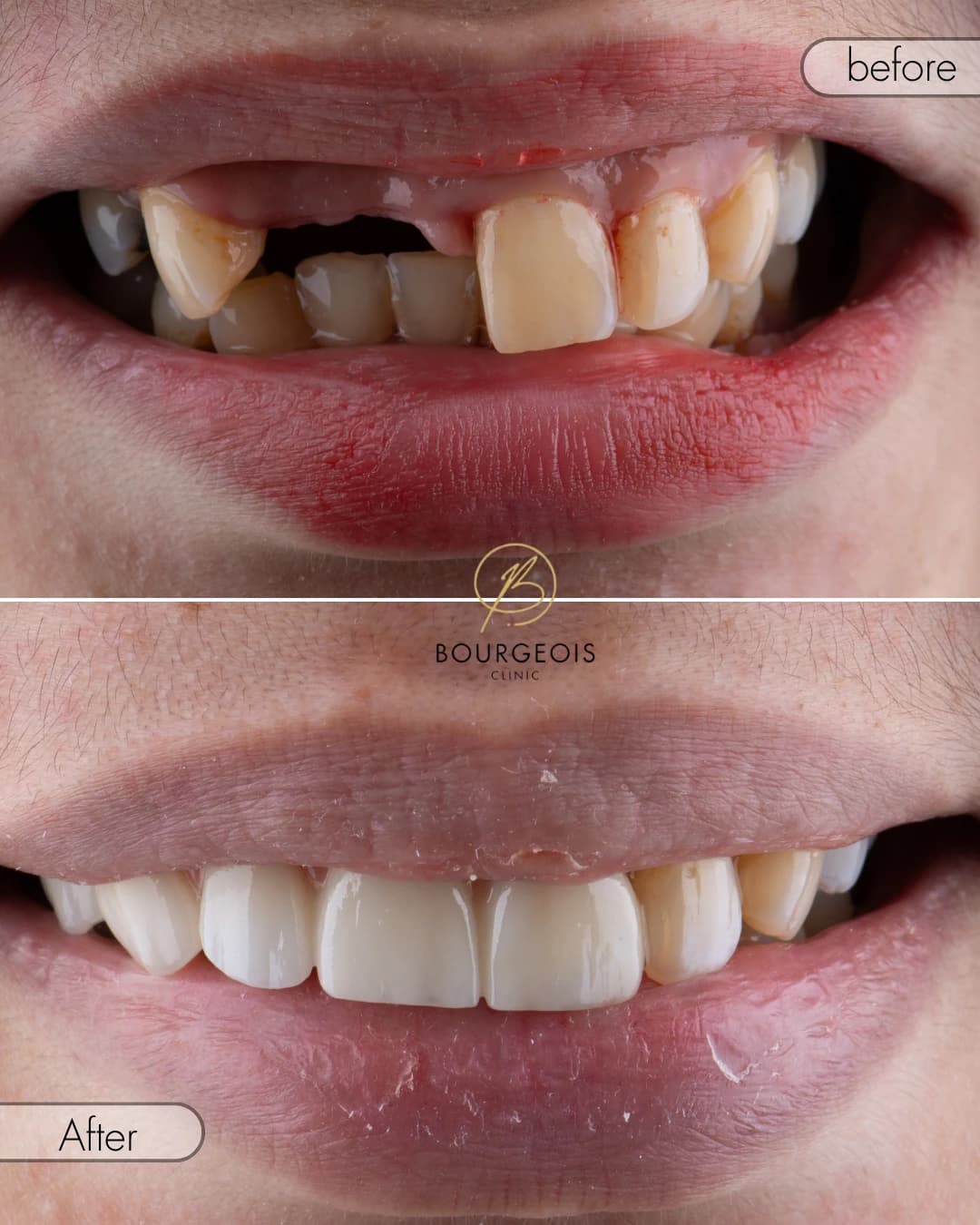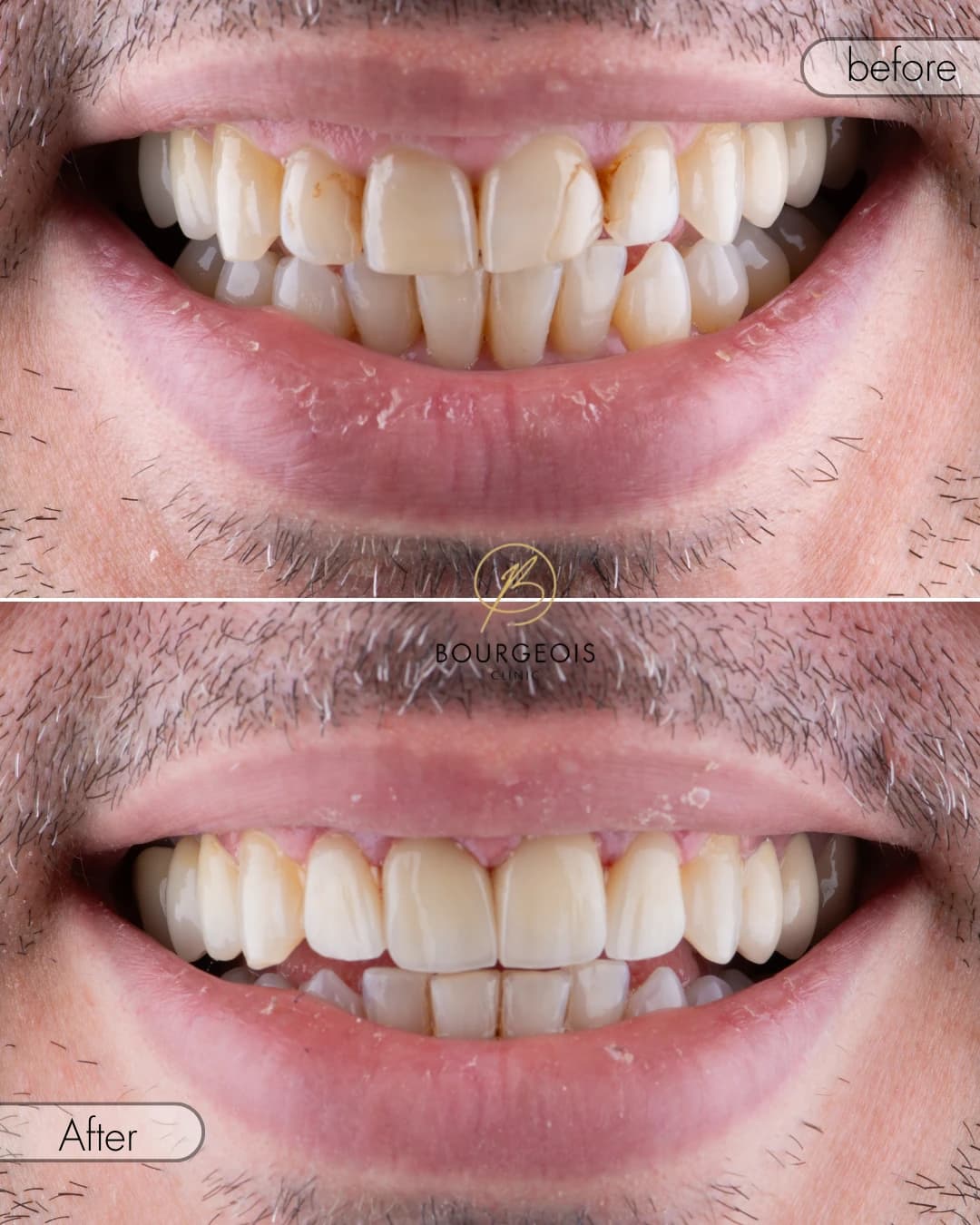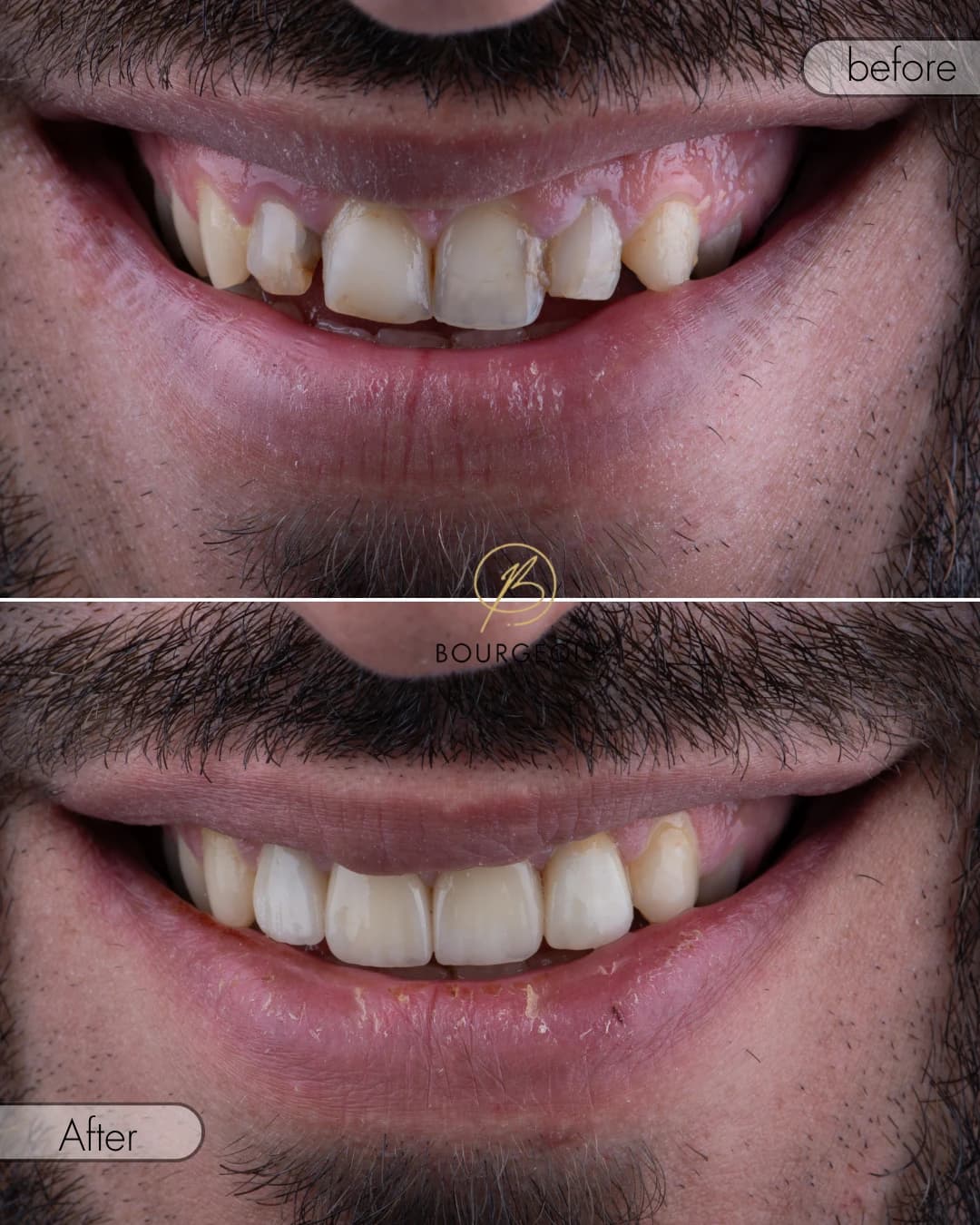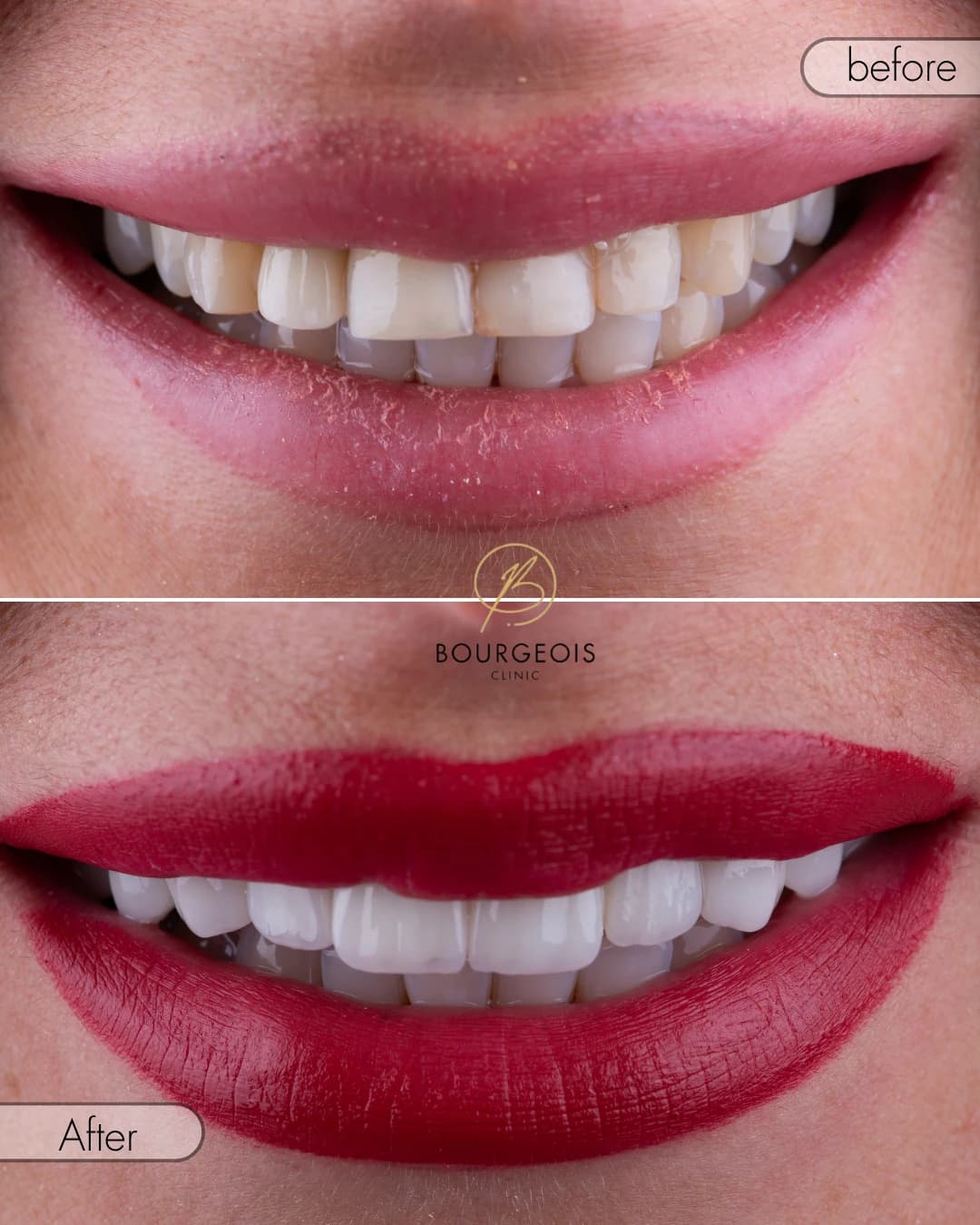



Natural-Looking Porcelain Veneers in Dubai with Dr. Nour
Natural-looking veneers begin with individual smile design. Learn how Dr. Nour plans shade, translucency, proportions, texture, gum harmony, preparation and bite.
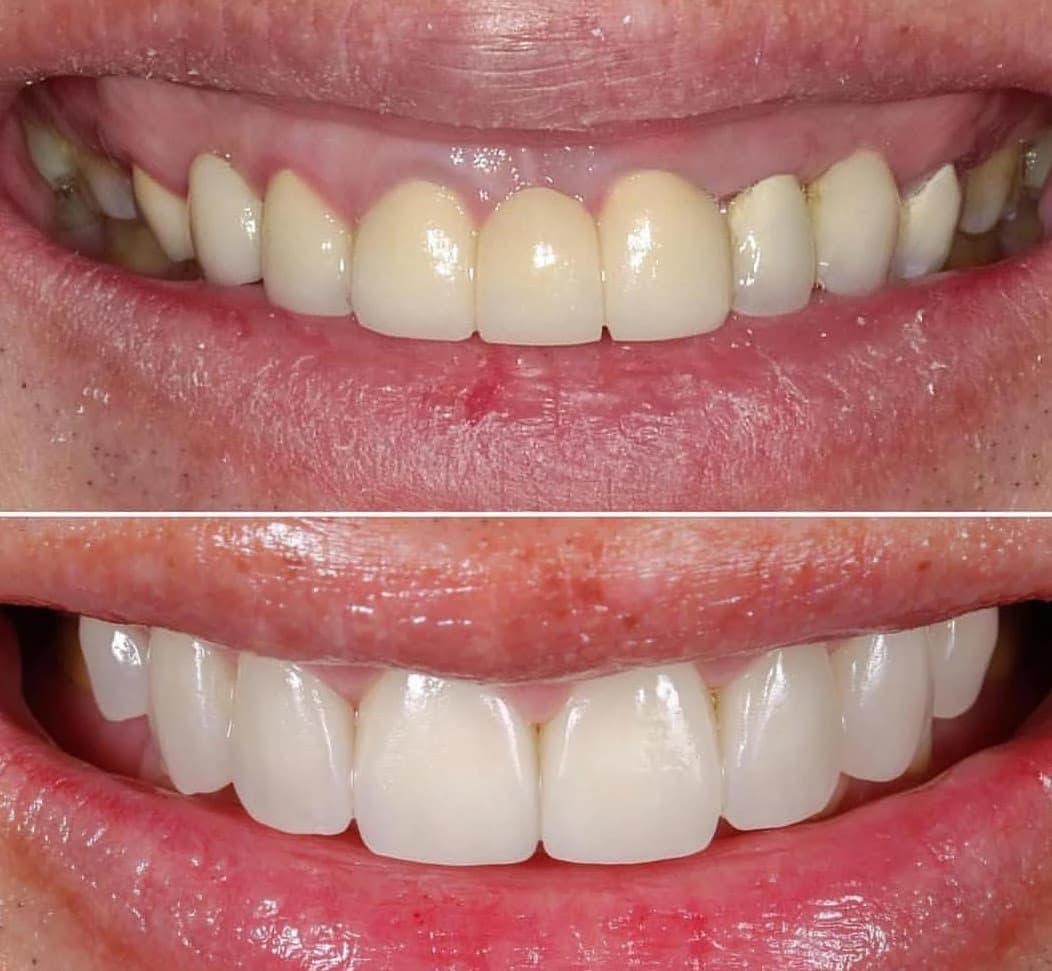
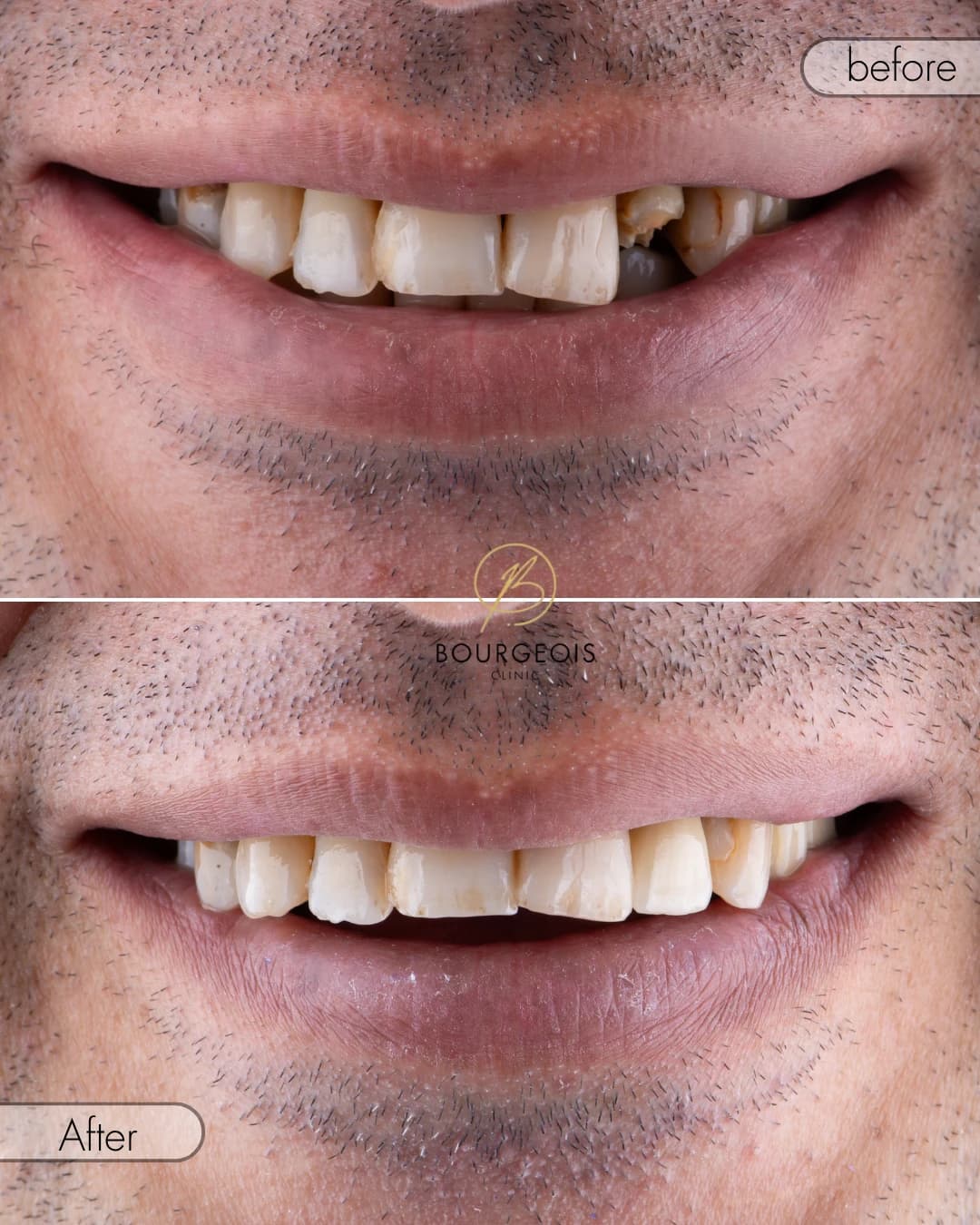
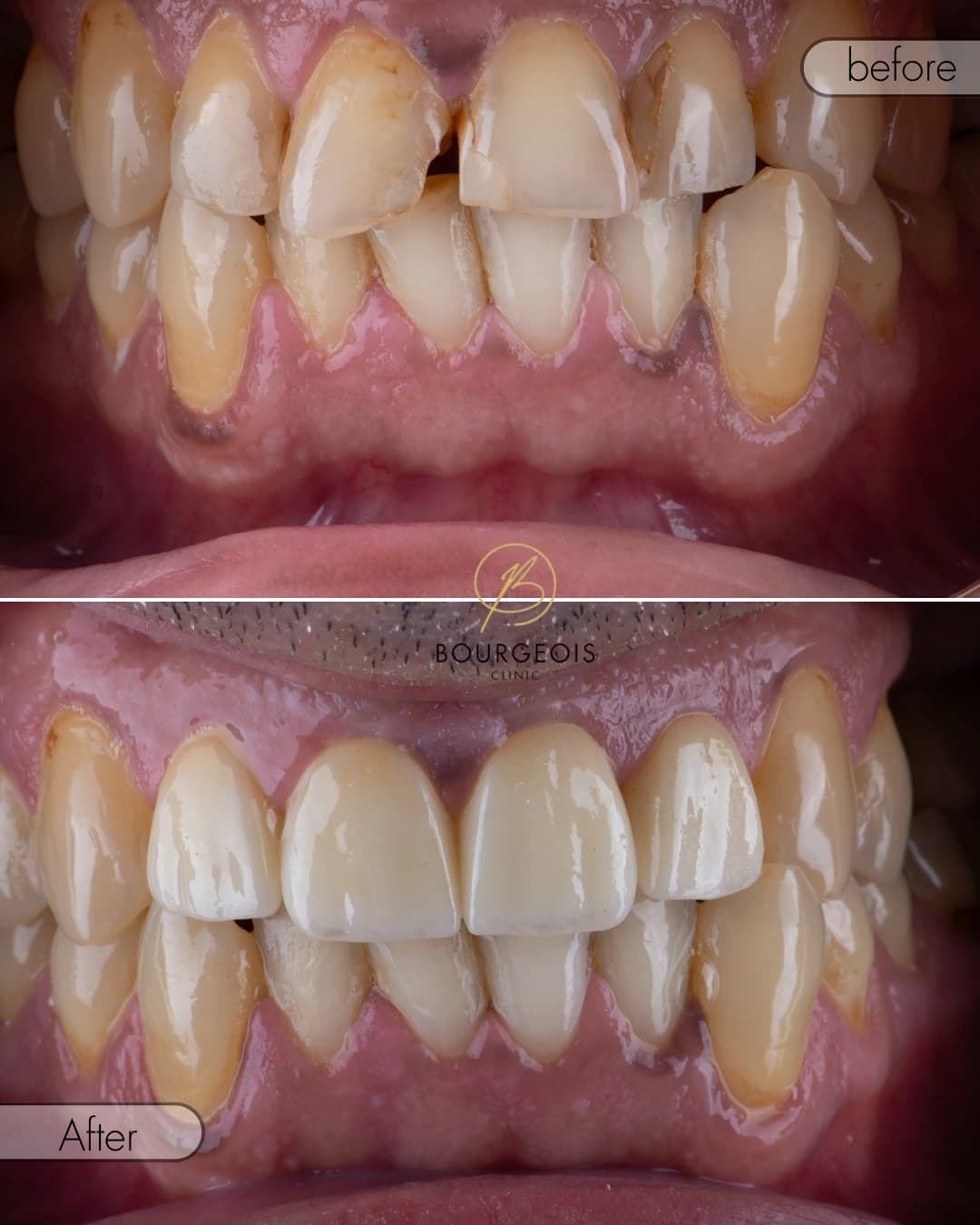
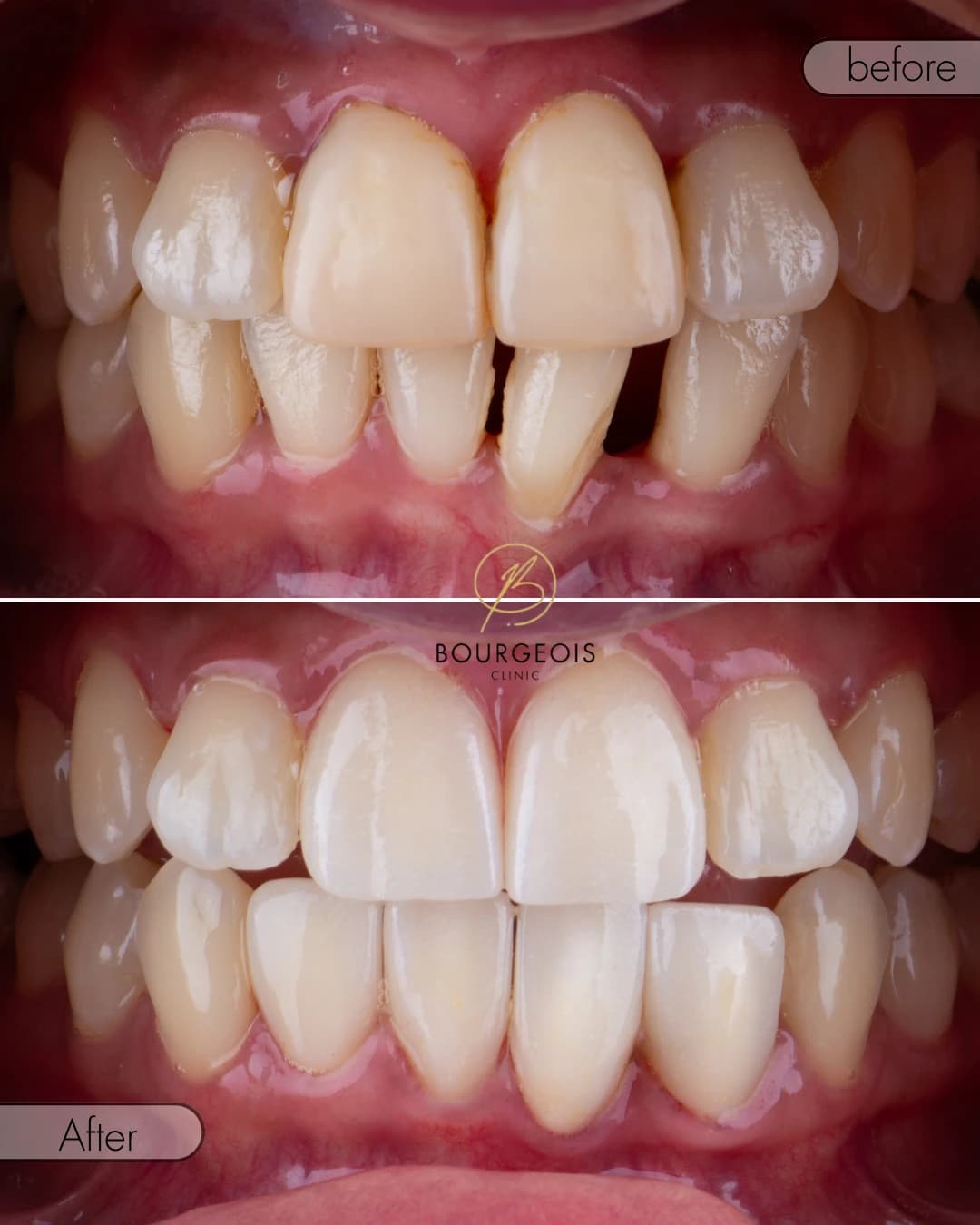
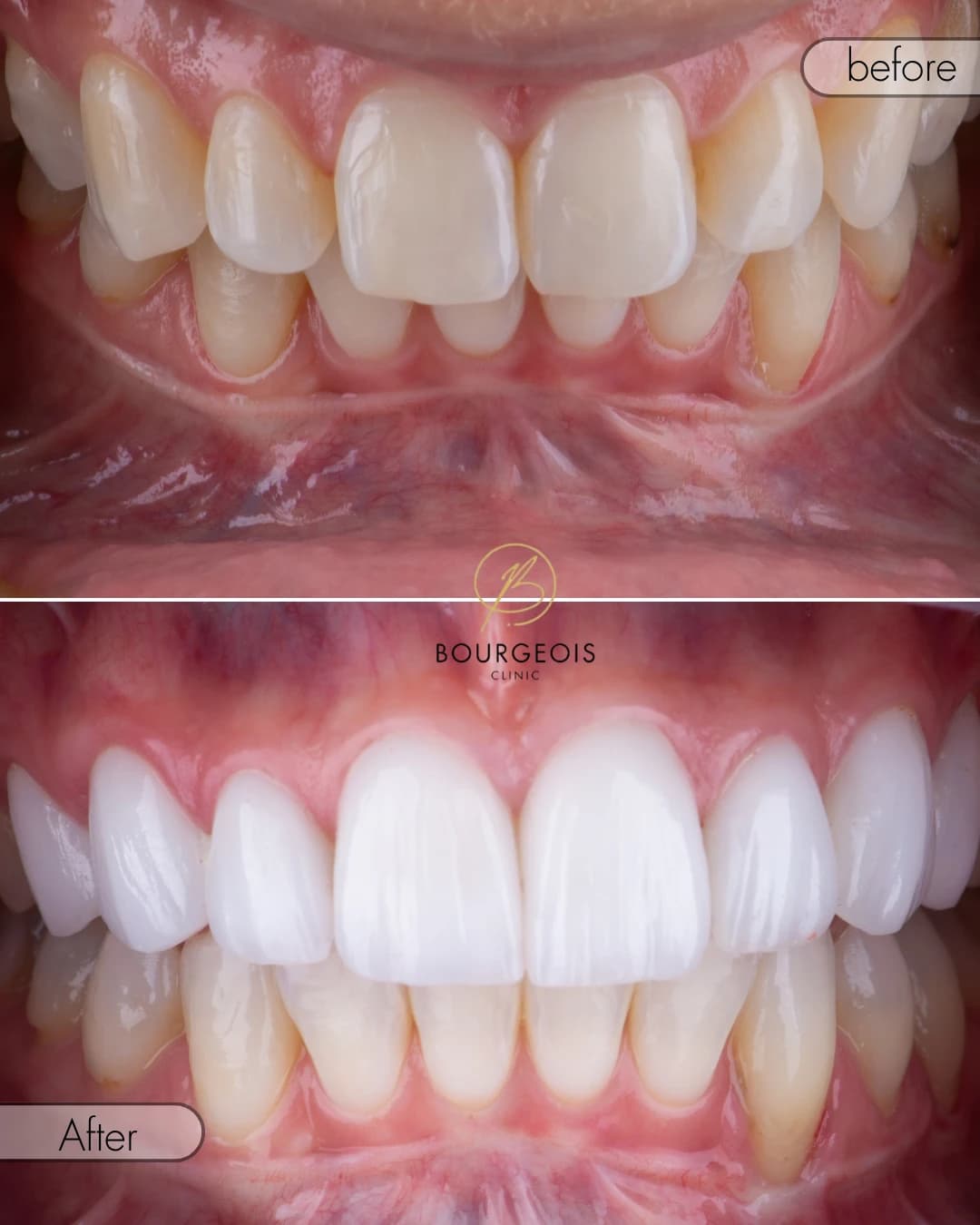
Natural-looking veneers should not make every person’s smile look the same. The aim is to create teeth that belong to the face: balanced in colour, proportion and texture, expressive when the patient speaks and smiles, and compatible with the gums and bite. That requires more than choosing a bright shade from a chart.
At Bourgeois Dental Clinic, Dr. Nour Al-Kayem plans aesthetic and restorative treatment according to the condition of each tooth and the patient’s requested degree of change. This guide explains how porcelain veneers in Dubai can be designed to look refined without appearing generic, opaque or unnecessarily uniform.
Quick Answer: Can Porcelain Veneers Look Natural?
Yes, well-planned porcelain veneers can resemble natural enamel. A convincing result depends on appropriate candidacy, conservative preparation where required, realistic tooth proportions, controlled shade and translucency, subtle surface anatomy, healthy gum contours, precise laboratory fabrication and accurate bonding.
The most natural plan is not automatically the whitest shade or the largest number of veneers. For one patient, the appropriate change may involve two teeth. Another may need whitening, alignment or gum treatment before any ceramic work. Dr. Nour determines the sequence after examining the smile, teeth, gums and bite.
Meet Dr. Nour Al-Kayem
Dr. Nour is the CEO, Founder and Lead Dentist of Bourgeois Dental Clinic. She earned her Doctor of Dental Surgery degree in 2005 and has more than 20 years of dental experience. Her published scope includes general dentistry, aesthetic dentistry, porcelain veneers, dental crowns, composite restorations, prosthetic rehabilitation and minimally invasive techniques when clinically appropriate.
That restorative background is relevant because a veneer is not simply a cosmetic cover. It becomes part of a functioning tooth. Dr. Nour considers the existing enamel, old fillings, tooth position, wear, gum health and biting forces before deciding whether a veneer is suitable and how it should be designed.
What Makes a Veneer Look Artificial?
Patients often describe an artificial result as too white, too thick, too flat or too symmetrical. Several design problems can create that impression:
- A single opaque shade with little depth or colour variation
- Identical shapes repeated across teeth that naturally have different roles
- Excessive width or length that does not suit the face or lips
- Bulky contours caused by adding ceramic without adequate space
- A flat, highly polished surface with no natural texture
- Edges that are too square, too rounded or inconsistent with the patient’s features
- Gumlines or contact areas that look uneven or are difficult to clean
- A bright veneer shade that conflicts with untreated neighbouring teeth
A natural appearance usually comes from controlled differences rather than perfect repetition. Central incisors, lateral incisors and canines have distinct proportions, contours and light behaviour. The design can be harmonious without making every tooth a copy.
Dr. Nour’s Starting Point: Your Smile, Not a Template
During a cosmetic dental consultation in Dubai, the first question is what the patient actually wants to change. Some dislike colour; others notice one chipped edge, unequal tooth lengths, spaces, old restorations or a smile that appears narrow. A useful plan separates these concerns instead of automatically prescribing a fixed veneer package.
Dr. Nour may review facial photographs, close-up dental images, lip movement, tooth display at rest and during a full smile, the curve of the lower lip, dental midline and the relationship between tooth width and height. These observations help translate words such as “natural,” “soft,” “bright” or “bold” into design decisions.
Choosing a Shade That Belongs to the Face
Natural teeth are not one uniform colour. They often appear slightly warmer near the gum, brighter through the middle and more translucent at the edge. Light changes their appearance throughout the day, which is why shade selection should consider more than a single indoor photograph.
Skin tone, lip colour, the whites of the eyes, age, neighbouring teeth and the number of treated teeth may influence the chosen brightness. A patient can request a very bright smile, but Dr. Nour should explain whether the planned shade will look deliberately glamorous or naturally integrated. Neither preference is wrong when the patient understands the visual difference.
If untreated natural teeth will remain visible, professional teeth whitening may be considered before the final ceramic shade is selected. Veneers do not whiten after bonding, so treatment order matters.
Translucency, Opacity and Internal Character
Porcelain can transmit and reflect light in ways that help it resemble enamel, but the ceramic must also control the colour underneath. A mildly discoloured tooth may allow more translucency, while a dark tooth or metal post may require greater masking. Too much opacity can make a veneer look flat; too much translucency can allow unwanted colour to show through.
The solution is case-specific. Dr. Nour communicates the underlying tooth shade, final target, material thickness and desired character to the dental laboratory. Small variations in brightness, translucency and internal detail can add depth without creating obvious marks.
Tooth Shape Is More Than Square or Round
Shape includes width, length, edge position, corner form, line angles, facial contour and the emergence of the tooth near the gum. Two veneers can have the same measured dimensions yet look different because their reflective zones and transitions are not the same.
Dr. Nour may use the patient’s existing tooth anatomy as a starting point and refine only the features causing concern. A worn edge can be restored, a narrow tooth can gain proportion or asymmetry can be reduced without removing every natural variation. The desired result may be subtle, youthful, elegant or more defined; it should be discussed before final fabrication.
Why Facial and Lip Movement Matter
A smile is dynamic. Teeth appear differently when the patient speaks, laughs and rests than they do in a close-up photograph. The amount of tooth visible below the upper lip, the smile curve and the way the lips frame the side teeth all influence the design.
Lengthening a front tooth on a static image may seem attractive but can feel excessive during speech or function. Dr. Nour evaluates how the proposed edges relate to lip movement and phonetics. A preview or provisional stage can help identify whether the planned length feels natural before the final veneers are completed.
Healthy Gums Frame Natural-Looking Veneers
Even carefully made ceramics can look uneven if the gums are inflamed, swollen or positioned asymmetrically. Before veneer treatment, the dentist checks bleeding, plaque control, recession, gum thickness and the level around each visible tooth.
Some patients only need improved home care and professional cleaning before records are taken. Others may benefit from periodontal assessment or selected gum contouring when clinically appropriate. Gum treatment should be based on health, biological limits and healing—not performed automatically for symmetry.
How Much Tooth Preparation Is Needed?
The amount of preparation varies according to tooth position, existing shape, enamel thickness, colour change, planned ceramic thickness and whether the design adds or reduces volume. A tooth that sits inward may permit a more additive approach; a prominent, rotated or dark tooth may require a different plan.
Preserving enamel is valuable because bonding to enamel is predictable, but “no-prep” should not be promised before assessment. Placing ceramic on a tooth without sufficient space can create a bulky appearance or an unfavourable gum transition. Dr. Nour aims to preserve sound structure while creating the room required for an accurate, cleansable restoration.
Can You Preview the Smile Before Final Veneers?
For several teeth or a noticeable change, planning may include photographs, digital design, a diagnostic wax-up or a trial mock-up. A mock-up places a provisional representation of the proposed shape over the teeth, allowing discussion of length, width, smile curve and overall character.
A preview is a communication tool, not an exact promise. Material thickness, preparation, tissue response, ceramic optical properties and clinical adjustments can influence the final result. Patients should use the preview to give specific feedback: which edges feel too long, whether the smile appears too uniform and how much brightness they prefer.
How Many Veneers Create a Balanced Result?
The correct number is determined by the teeth visible in the patient’s full smile, which teeth require change and how the restorations will blend with untreated teeth. Four veneers may be enough for one narrow concern yet create a visible colour transition in a wider smile. Another patient may need only one or two restorations matched carefully to natural neighbours.
Dr. Nour evaluates the smile from the front and side rather than assigning the same number to everyone. Read the dedicated guide on how many veneers may be needed for a smile makeover for a fuller explanation of smile width and treatment boundaries.
Porcelain or E-max Veneers?
“Porcelain veneer” is a broad clinical description rather than one single product. Different dental ceramics have different optical and strength characteristics. E-max veneers in Dubai use lithium-disilicate ceramic and may be considered when its combination of aesthetics, strength and available thickness suits the case.
The material name alone does not guarantee a natural result. Design, preparation, laboratory skill, shade communication, bonding and bite management remain important. Dr. Nour selects or discusses the ceramic with the laboratory according to the underlying tooth colour, required masking, available space and functional conditions.
When Another Treatment May Look More Natural
Veneers are one option, not the answer to every visible concern. A conservative alternative may achieve the requested change with less intervention:
- Composite bonding for selected chips, small gaps or edge changes
- Whitening when colour is the main concern and tooth shape is acceptable
- Clear aligners when tooth position rather than tooth shape causes the problem
- Replacement of a defective filling when only one restoration is discoloured
- A crown or another restorative approach when a tooth has substantial structural damage
- No treatment when the natural variation is healthy and acceptable to the patient
Combined treatment can also be more conservative. Alignment may reduce the amount of ceramic needed, and whitening can help untreated teeth blend with a smaller veneer set.
What Happens During the Veneer Process?
- Assessment: Dr. Nour examines oral health, tooth structure, existing work, gums, bite and cosmetic goals.
- Planning: Photographs, scans, measurements and a preview may be used according to the case.
- Health preparation: Decay, active gum disease or other relevant problems are addressed before cosmetic bonding.
- Tooth preparation: Controlled enamel adjustment is completed only where the design requires it.
- Records and temporaries: An impression or digital scan is sent to the laboratory; provisional veneers may protect prepared teeth and test the concept.
- Try-in: Shape, fit, contacts, colour and smile integration are reviewed before final bonding.
- Bonding: Teeth and veneers are conditioned, bonded and cleaned according to the selected system.
- Finishing: Contacts, margins, bite and surface details are checked and adjusted.
- Review: Gum response, comfort, cleaning and function are reassessed after placement.
The Try-In Is a Decision Point
Before definitive bonding, the try-in allows Dr. Nour and the patient to assess the planned veneers in the mouth. The patient should look at the smile from conversational distance as well as close up, and check it under different expressions. Shape and arrangement are often more important than judging shade in isolation.
Some changes can be made clinically, while significant alterations may require laboratory revision. Patients should not feel pressured to approve a design they do not understand. At the same time, expectations need to remain compatible with tooth structure, material and function.
Bite and Function Protect the Aesthetic Result
Front veneers contact opposing teeth during biting and jaw movements. If a veneer carries an unfavourable load, it may chip, loosen or feel uncomfortable. The risk can be higher with grinding, clenching, deep overbite, edge-to-edge contacts or missing back-tooth support.
Dr. Nour assesses the functional environment and may adjust the design, recommend preliminary treatment or discuss a protective night guard for suitable patients. A beautiful photograph immediately after treatment is not enough; the veneers must also be maintainable during everyday use.
Care and Maintenance
- Brush twice daily with fluoride toothpaste and a non-damaging technique
- Clean between veneered teeth every day
- Attend dental examinations and hygiene care at the recommended intervals
- Avoid biting ice, pens, fingernails, bones or hard packaging
- Do not use veneered teeth to open objects
- Wear a sports mouthguard where appropriate
- Use a prescribed night guard if recommended
- Arrange an assessment if a veneer feels loose, sharp, painful or different in the bite
Porcelain is resistant to many surface stains, but the teeth, gums, margins and bonding beneath still require care. Veneers can chip, debond or eventually need replacement; no responsible dentist can promise lifetime treatment.
Questions to Ask Dr. Nour Before Veneers
- Which specific features of my smile are we changing?
- Could whitening, bonding or alignment achieve part of the goal?
- How many teeth need treatment, and why?
- How will the veneer shade blend with untreated teeth?
- Can I preview the proposed length and proportions?
- How much enamel preparation is expected on each tooth?
- Which ceramic is recommended and what is the reason?
- How will gum health and bite be managed?
- What risks are specific to my teeth and habits?
- What maintenance and possible replacement should I plan for?
Cost of Natural-Looking Veneers in Dubai
The fee depends on the number of teeth, ceramic system, laboratory work, complexity of shade matching, diagnostic records, provisional stage and any preliminary treatment. A single veneer matched to natural neighbours can require different planning from a full visible-smile design.
Ask for a written plan after examination rather than comparing only an advertised per-tooth number. It should identify the included teeth, material, provisional arrangements, review visits and any separate treatment. The clinic’s guide to the cost of veneers in Dubai explains the main quotation factors in more detail.
Book a Porcelain-Veneer Consultation with Dr. Nour
Bourgeois Dental Clinic is located in Office No. 5, first floor, Indigo Sky Building, Sheikh Zayed Road, Exit 41, near Al Thanya Street in Dubai. The location is accessible from Umm Al Sheif, Al Barsha, Umm Suqeim, Jumeirah, Al Quoz, Barsha Heights, The Greens, Dubai Marina and surrounding communities.
Book an appointment with Dr. Nour to discuss a natural-looking veneer plan. Bring photographs of smiles you like and dislike if helpful; they can clarify your preferences, but the final design will be adapted to your own teeth, face, gums and bite.
Editorial note: This article provides general education and does not promise a particular result. Veneer suitability, preparation, material, appearance, risks and longevity vary by patient and require an in-person dental assessment.