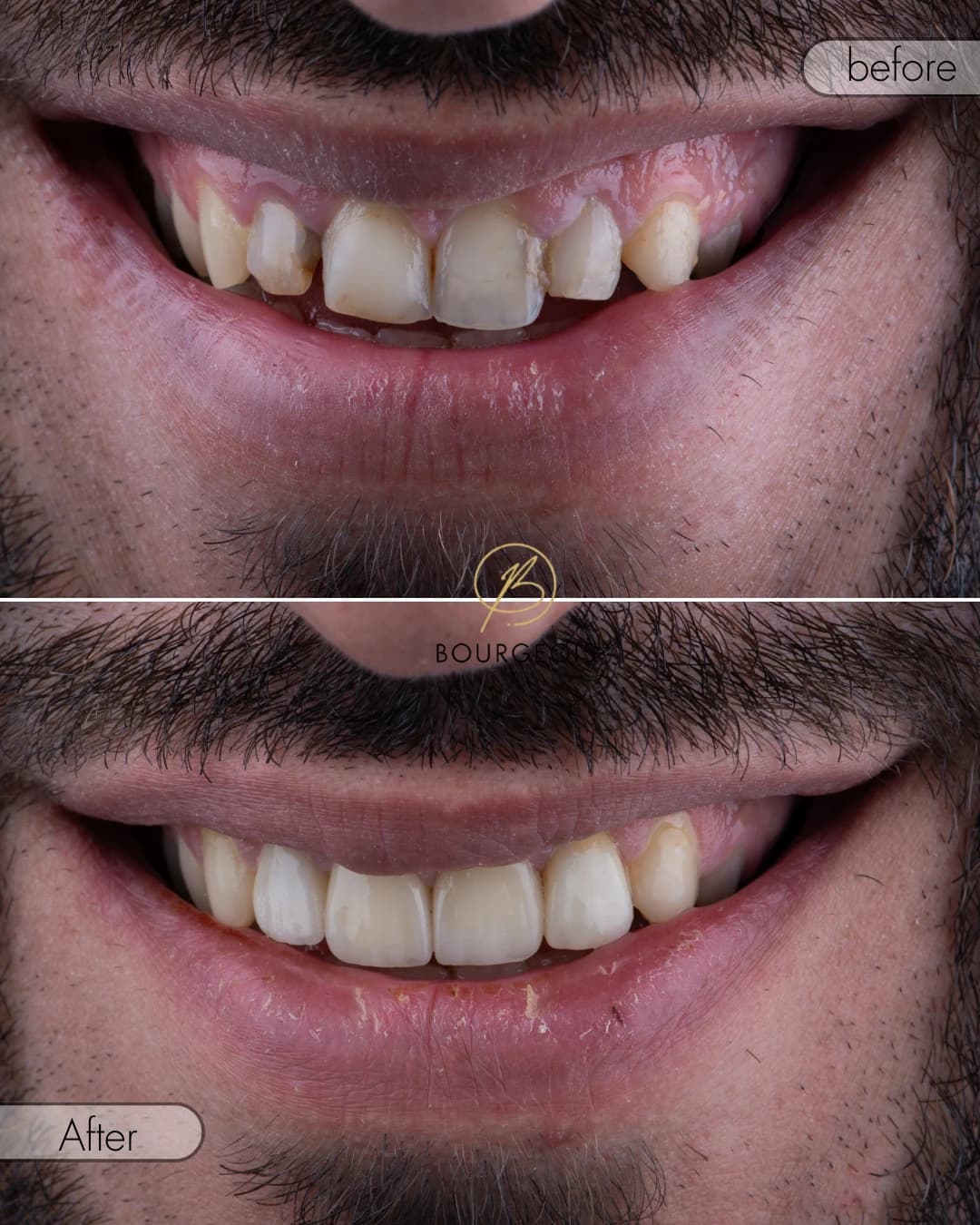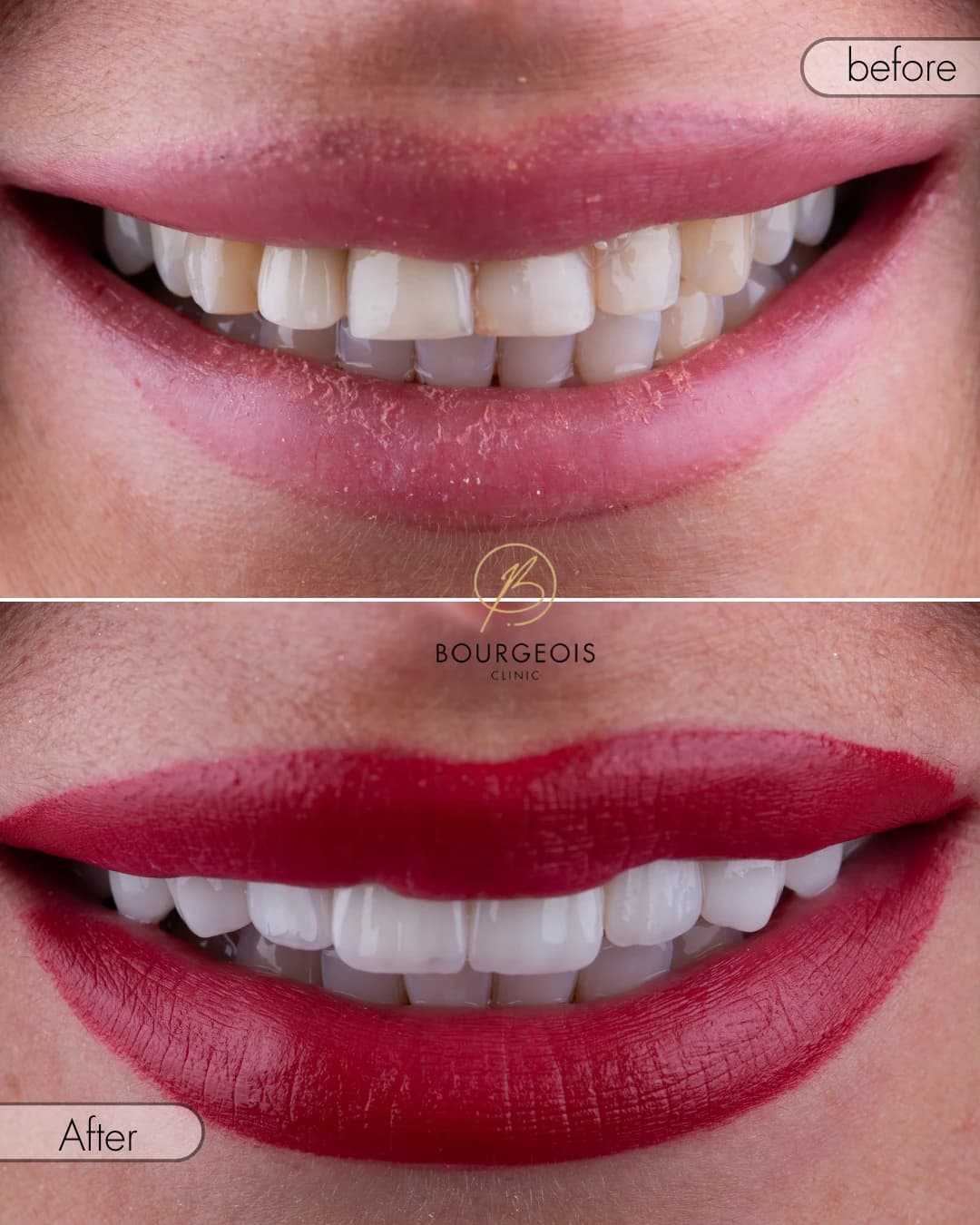



Pain Under a Dental Crown in Dubai: Causes and Treatment Options
A crown covers a tooth but does not make it immune to decay, cracks, gum disease or pulp problems. Treatment depends on the cause, not the age of the crown alone.
Is pain under a dental crown normal?
Temporary sensitivity can occur after a crown is prepared or cemented, especially when the tooth was already irritated. However, persistent, increasing or newly developing pain should be assessed. A crown protects and rebuilds a tooth, but the covered tooth, its root and surrounding gum remain living tissues that can develop disease.
At Bourgeois Dental Clinic in Dubai, crown pain is investigated before the crown is automatically replaced. Dr. Nour can assess the tooth, restoration, bite and cosmetic requirements and coordinate root-canal or gum care when another discipline is involved.
What can cause pain beneath a crown?
- A crown that contacts the opposing tooth too heavily
- Temporary inflammation after tooth preparation or cementation
- Decay developing at or beneath an open crown margin
- A leaking, loose or fractured crown
- Pulp inflammation or infection inside the supporting tooth
- A crack in the tooth or root
- Gum inflammation, recession or a periodontal pocket
- Food trapping between the crowned tooth and its neighbour
- Grinding or clenching that overloads the restoration
- A problem in an adjacent tooth that refers pain
What does pain when biting suggest?
Discomfort when the teeth first meet may indicate a high bite contact, particularly soon after a crown is fitted. Sharp pain when pressure is released can also occur with a crack. Tenderness to chewing may arise from inflammation around the root, a loose crown or food trapped near the gum.
A bite adjustment may help when the contact is genuinely excessive, but grinding down a crown without confirming the source can remove useful material and miss infection or a fracture.
Why can a crowned tooth become sensitive to cold or heat?
A tooth with a vital pulp can respond to temperature even after receiving a crown. Brief sensitivity may settle as the pulp recovers, while prolonged pain after cold or heat, spontaneous throbbing or night pain may indicate more advanced inflammation. Gum recession can also expose root surfaces beside a crown.
A crown on a root-treated tooth should not have normal pulp sensitivity, so a temperature response may come from a neighbouring tooth. Diagnostic comparison is important before treatment is started.
Can decay form under a crown?
Yes. The crown material itself does not decay, but the natural tooth at the margin can. Plaque, frequent sugar exposure, dry mouth, an open margin, gum recession and difficulty cleaning can increase risk. Decay may remain hidden until the crown loosens, food begins trapping, an unpleasant taste appears or an X-ray reveals a change.
Small accessible decay may sometimes be restored, but extensive decay can require crown removal and replacement. If too little sound tooth remains or decay extends deeply below the gum, additional procedures or extraction may be considered.
How do gums cause pain around a crown?
Plaque and calculus can inflame the gum beside the margin, causing bleeding, tenderness, bad breath or discomfort during cleaning. An overhanging or poorly contoured crown can trap plaque. Recession may expose a sensitive root and create a visible margin without necessarily meaning the crown has failed.
The dentist checks pocket depths, bleeding, cleaning access and the relationship between the crown and gum. Treatment may involve professional cleaning, hygiene changes, periodontal care, crown modification or replacement depending on the findings.
How is crown pain diagnosed?
The assessment reviews when the crown was placed, whether the pain is triggered or spontaneous, how long sensitivity lingers and whether the restoration feels loose. The dentist checks the margins, bite, contacts, gum, mobility, cracks and nearby teeth. Cold testing, tapping, bite tests and dental X-rays may be used.
No single test answers every question. Fine cracks may not appear on routine X-rays, while an image around a root needs to be interpreted with symptoms and clinical findings.
Does the crown always need to be removed?
No. A high contact may be adjusted, gum inflammation may respond to cleaning and a minor surface issue may be repaired. Root canal treatment can sometimes be performed through an access opening in an otherwise acceptable crown. A crown may need removal when it is loose, fractured, leaking, poorly fitting, affected by extensive decay or prevents suitable access.
Dental crown treatment should be based on the supporting tooth and overall restoration, not a rule that every painful crown must be replaced.
When is root canal treatment considered?
Root canal treatment may be recommended when tests indicate irreversible pulp inflammation, pulp death or infection and the tooth remains restorable. It treats the tissue inside the tooth but does not correct a leaking margin, deep crack or weak external structure. The crown or another protective restoration must still provide an effective seal.
If the tooth already received root canal treatment, persistent pain may require assessment for reinfection, a missed canal, leakage or fracture rather than a second routine filling.
When can an old crown be replaced?
Replacement of an old crown may be appropriate when there is decay, poor fit, fracture, repeated loosening, unacceptable contact, a damaged supporting tooth or a cosmetic problem combined with a clinical reason. Age alone is not an indication; a comfortable, cleanable and sound crown may remain serviceable.
What should you do if the crown feels loose?
Avoid chewing sticky or hard foods on that side, keep the crown if it comes off and arrange a prompt review. Do not use household glue. Recementation may be possible when the crown and supporting tooth remain intact and the fit is suitable, while decay, fracture or loss of tooth structure may require another plan.
When is crown pain urgent?
Prompt assessment is needed for severe or increasing pain, swelling, pus, fever, facial swelling, a crown that is mobile enough to be swallowed, trauma or a fractured tooth. Difficulty breathing or swallowing or rapidly spreading face or neck swelling requires urgent hospital care.
How can crowns be maintained?
- Brush the margin carefully with fluoride toothpaste.
- Clean between crowned and neighbouring teeth every day.
- Use bridge floss or interdental aids when recommended.
- Limit frequent sugar exposure and manage dry mouth.
- Avoid biting hard objects.
- Manage grinding with a suitable plan when diagnosed.
- Attend dental and gum reviews.
The Restorative Dentistry Department can assess crowns, supporting teeth, bite and alternative restorations.
Book a crown assessment in Dubai
Book an appointment at Bourgeois Dental Clinic on Sheikh Zayed Road, Exit 41, if a crowned tooth is sensitive, painful, loose, difficult to clean or uncomfortable when biting.