


Bad Breath Assessment and Treatment
- 2Specialists
Persistent bad breath, also called halitosis, can be associated with plaque, tartar, gum inflammation, tongue coating, tooth decay, dental infection, dry mouth, tobacco use, diet, or other health factors. At Bourgeois Dental Clinic in Dubai, the purpose of assessment is to identify whether the source is likely to be inside the mouth and recommend care based on the underlying cause.
What Causes Persistent Bad Breath?
Temporary bad breath can occur after certain foods, waking from sleep, or long periods without eating or drinking. Persistent bad breath may have one or more contributing causes.
Possible oral causes include:
- Plaque and tartar buildup
- Gum inflammation or periodontal disease
- A coated tongue
- Tooth decay
- Dental abscesses or infections
- Food trapped between teeth or under restorations
- Damaged fillings, crowns, bridges, or dentures
- Dry mouth and reduced saliva
- Smoking or tobacco use
- Poorly cleaned orthodontic appliances
- Incomplete cleaning around implants
Bad breath may also be influenced by diet, fasting, medication, dehydration, sinus or throat problems, digestive conditions, or other medical factors.
How Is Bad Breath Assessed?
The dentist begins by reviewing your symptoms, how long the problem has been present, oral-care routine, diet, fluid intake, smoking, medications, dry-mouth symptoms, dental history, and relevant medical conditions.
The examination may include:
- Assessment of plaque and tartar
- Evaluation of gum inflammation and bleeding
- Examination of the tongue surface
- Checking for tooth decay or infection
- Assessment of fillings, crowns, bridges, dentures, and implants
- Evaluation of saliva and possible dry mouth
- Review of areas where food collects
- Assessment of oral hygiene and cleaning technique
Can Gum Disease Cause Bad Breath?
Yes. Plaque and tartar around and below the gumline can contribute to gum inflammation, bleeding, unpleasant taste, and persistent odour.
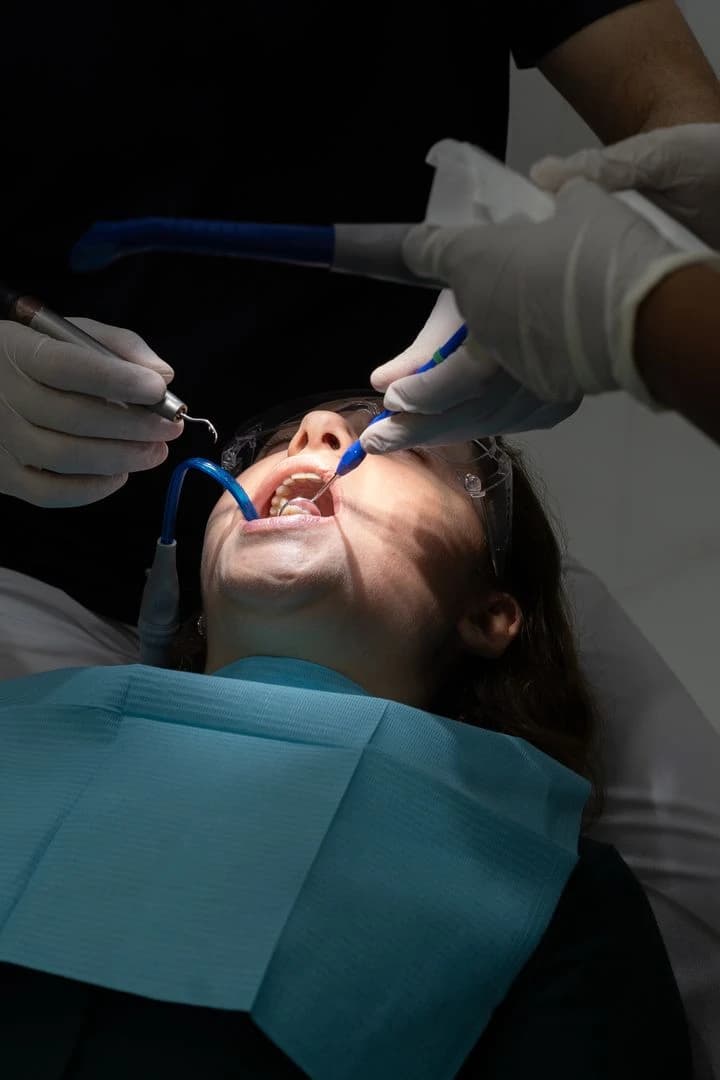
Routine teeth cleaning, scaling, and polishing may help when the problem is associated with deposits around the teeth. Patients with deeper gum pockets or periodontal disease may require a separate gum assessment and more extensive treatment.
Can the Tongue Cause Bad Breath?
The tongue has a textured surface that can collect bacteria, food debris, and dead cells. A visible coating may contribute to odour, particularly toward the back of the tongue.
The dentist may recommend gentle tongue cleaning as part of daily oral care. Aggressive scraping should be avoided because it may cause irritation or injury.
Can Dry Mouth Cause Bad Breath?
Saliva helps clean the mouth and control bacteria. Reduced saliva can allow debris and odour-producing bacteria to accumulate more easily.
Dry mouth may be related to dehydration, mouth breathing, smoking, certain medications, medical conditions, or previous treatment affecting the salivary glands.
Management may include increasing water intake, reviewing contributing habits, using suitable saliva-support products, and discussing medication or medical causes with an appropriate healthcare professional.
How Is Bad Breath Treated?
Treatment depends on the identified cause and may include:
- Professional teeth cleaning
- Improved brushing and interdental cleaning
- Gentle tongue cleaning
- Treatment of tooth decay
- Replacement of a damaged filling or restoration
- Gum treatment
- Management of dry mouth
- Cleaning advice for dentures, braces, or implants
- Tobacco-cessation advice
- Medical referral when a non-dental cause is suspected
Do Mouthwash and Mints Treat Bad Breath?
Mouthwash, sprays, chewing gum, and mints may temporarily mask odour, but they do not necessarily treat the underlying cause. Some products may also worsen dry mouth if they are unsuitable for the patient.
Persistent bad breath should be assessed instead of repeatedly covered with temporary products.
How to Reduce Bad Breath at Home
- Brush the teeth twice daily with fluoride toothpaste
- Clean between the teeth every day
- Clean the tongue gently when appropriate
- Drink water regularly
- Clean dentures and removable appliances carefully
- Follow specific cleaning instructions for braces and implants
- Avoid tobacco
- Limit frequent sugary snacks
- Attend recommended dental examinations and cleaning appointments
When Is Medical Assessment Needed?
If the dental examination does not identify a likely oral cause, or if symptoms suggest a sinus, throat, digestive, metabolic, respiratory, or medication-related problem, the patient may be advised to seek medical assessment.
Persistent bad breath accompanied by fever, facial swelling, difficulty swallowing, breathing problems, or severe pain may require urgent evaluation.
Bad Breath Assessment on Sheikh Zayed Road
Bourgeois Dental Clinic is located in Indigo Sky Building, Sheikh Zayed Road, Exit 41, near Al Thanya Street in Dubai. Our location is accessible from Al Barsha, Umm Al Sheif, Umm Suqeim, Jumeirah, Al Quoz, Barsha Heights, The Greens, Dubai Marina, and nearby communities.
Book a bad breath assessment to identify possible dental causes and receive a personalized treatment plan.
Department
General Dentistry
Related Doctors


FAQ
Frequently Asked Questions
BOOK AN
Appointment
Working Hours
We are here to serve you