


Children’s Dental Trauma Treatment
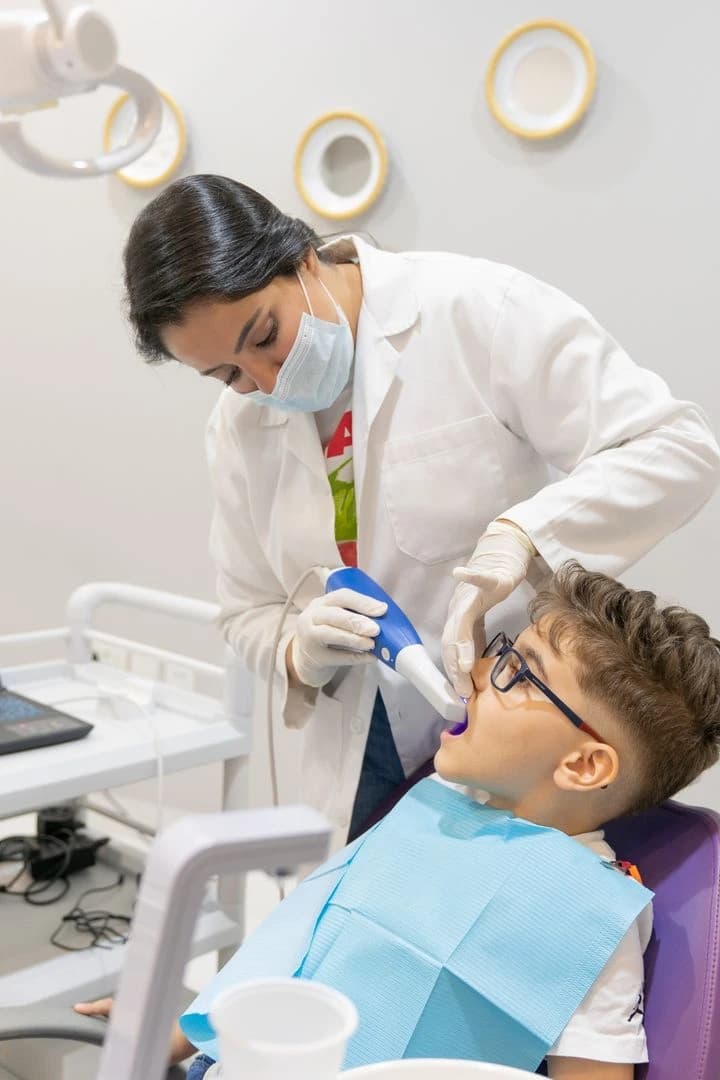
Children’s dental trauma treatment evaluates injuries to baby teeth, permanent teeth, gums, lips, cheeks, supporting bone, and developing teeth. Prompt assessment is important because an injured tooth may appear minor while the root, pulp, gum, bone, or developing permanent tooth has also been affected.
At Bourgeois Dental Clinic in Dubai, treatment depends on whether the injured tooth is a baby or permanent tooth, the type and severity of injury, time since the accident, symptoms, child’s age, dental development, medical history, and ability to cooperate.
What Types of Dental Injuries Affect Children?
- Chipped enamel
- Fractured tooth structure
- A crack extending toward the pulp
- A loose tooth
- A tooth displaced sideways
- A tooth pushed deeper into the gum
- A tooth partly pulled out of the socket
- A completely knocked-out tooth
- A root fracture
- Gum, lip, cheek, or tongue injury
- Jaw or supporting-bone injury
What Should Parents Do Immediately After Dental Trauma?
- Keep the child calm
- Check for serious head, neck, breathing, or bleeding concerns
- Apply gentle pressure to soft-tissue bleeding with clean gauze
- Use a cold compress outside the mouth for swelling
- Find any broken tooth fragment when safe
- Hold a knocked-out permanent tooth by the crown, not the root
- Avoid scrubbing or scraping the root
- Seek urgent dental guidance
Do not delay assessment because the child appears comfortable. Some complications develop later.
When Does a Child Need Emergency Medical Care?
Seek urgent medical care for:
- Loss of consciousness
- Confusion or unusual behaviour
- Repeated vomiting
- Severe headache
- Difficulty breathing or swallowing
- Suspected neck or jaw injury
- Uncontrolled heavy bleeding
- Severe facial swelling
- Weakness, collapse, or significant deterioration
What Should You Do if a Permanent Tooth Is Knocked Out?
A knocked-out permanent tooth requires immediate dental attention. Handle the tooth only by the crown and avoid touching or scrubbing the root.
If the tooth is dirty, obtain immediate professional guidance about gentle rinsing and safe storage. A suitable medium such as cold milk may be recommended when immediate replantation is not safely possible.
Do not allow the tooth to dry, and do not delay urgent dental care.
Should a Knocked-Out Baby Tooth Be Put Back?
Generally no. Replacing a knocked-out baby tooth may damage the developing permanent tooth beneath it.
The child still requires prompt assessment for gum injury, fracture, retained fragments, damage to nearby teeth, and the developing permanent tooth.
What if a Tooth Is Chipped?
A small enamel chip may require smoothing, monitoring, or restoration. A deeper fracture may expose dentine or the dental pulp and require more urgent treatment.
Bring any tooth fragment to the appointment when it can be found safely. In selected cases, the fragment may help with diagnosis or restoration.
What if the Tooth Is Loose or Displaced?
A loose or displaced tooth should be assessed promptly. Do not repeatedly move the tooth or ask the child to bite it back into position.
Treatment may include:
- Monitoring
- Repositioning
- Temporary splinting
- Bite adjustment
- Pulp monitoring
- Restorative treatment
- Extraction in selected baby-tooth injuries
What if a Tooth Is Pushed Into the Gum?
An intruded tooth may appear shorter or disappear partly into the gum. The injury can affect the root, bone, pulp, and nearby developing teeth.
Treatment depends on whether the tooth is primary or permanent, the direction and depth of displacement, root development, and surrounding injury.
What Happens During the Trauma Assessment?
- Accident history: Reviewing when, where, and how the injury occurred.
- Medical assessment: Checking head injury, tetanus considerations, medication, allergies, and medical conditions.
- Dental examination: Assessing tooth fracture, movement, displacement, bite, gum injury, and bleeding.
- Soft-tissue examination: Checking the lips, cheeks, tongue, and gums for wounds or embedded fragments.
- Imaging when indicated: Dental X-rays may assess roots, fractures, displacement, bone, and developing teeth.
- Treatment planning: Discussing urgent care, monitoring, restoration, splinting, pulp care, extraction, or referral.
How Are Fractured Teeth Treated?
Treatment depends on the depth and location of the fracture.
Options may include:
- Smoothing a sharp enamel edge
- Bonding a tooth-coloured restoration
- Reattaching a suitable fragment
- Protecting exposed dentine
- Pulp treatment
- A crown or other restoration
- Root canal treatment for a permanent tooth when required
- Extraction when the tooth cannot be maintained
What Is Dental Splinting?
A dental splint temporarily connects an injured tooth to neighbouring teeth to support healing in selected injuries.
Not every loose or displaced tooth needs a splint. The type and duration depend on the injury, tooth, root, bone, bite, and healing response.
Can an Injured Tooth Change Colour?
Yes. A tooth may become darker, yellow, grey, or pink after trauma because of changes in the pulp, blood supply, or tooth structure.
Colour change alone does not determine treatment. The tooth should be monitored for pain, swelling, infection, root changes, and continued development.
Can a Tooth Look Fine but Develop Problems Later?
Yes. Delayed complications may include:
- Pulp inflammation or death
- Tooth discolouration
- Dental abscess
- Root resorption
- Interrupted root development
- Changes in permanent-tooth eruption
- Gum or bone problems
- Tooth loss
Scheduled follow-up is therefore an important part of dental-trauma care.
Can Trauma to a Baby Tooth Affect the Permanent Tooth?
Yes. Baby-tooth roots are close to developing permanent teeth. Significant intrusion, displacement, infection, or root injury may affect permanent-tooth enamel, shape, position, or eruption.
The level of risk depends on the child’s age, injury direction, injury severity, and stage of permanent-tooth development.
Are Antibiotics Always Needed?
No. Antibiotics are not routinely required for every dental injury and do not replace cleaning, repositioning, drainage, pulp treatment, or other definitive care.
They may be considered for selected contaminated wounds, spreading infection, certain injuries, or medical indications.
What Should the Child Eat After Dental Trauma?
A softer diet may be recommended temporarily to reduce pressure on injured teeth.
The child should avoid biting directly with injured front teeth and follow instructions about brushing, rinsing, sports, and appliance care.
How Can Dental Injuries Be Prevented?
- Use suitable sports protection when recommended
- Reduce fall hazards in the home
- Use appropriate child restraints and safety equipment
- Discourage chewing hard objects
- Assess highly protruding front teeth
- Attend regular dental checkups
- Seek early care after minor injuries
What Are the Risks and Limitations?
- Persistent pain or sensitivity
- Tooth discolouration
- Pulp infection or death
- Root resorption
- Tooth mobility or loss
- Effects on developing permanent teeth
- Need for repeated follow-up
- Need for pulp treatment, restoration, splinting, or extraction
- Changes in bite or eruption
- Need for referral in complex facial, jaw, or dental injuries
When Is Prompt Dental Review Needed After Treatment?
Arrange review for increasing pain, swelling, pus, fever with worsening symptoms, tooth darkening, increased mobility, bite changes, a broken splint, difficulty eating, or another injury to the area.
Children’s Dental Trauma Treatment on Sheikh Zayed Road
Bourgeois Dental Clinic is located on the first floor of Indigo Sky Building, Sheikh Zayed Road, Exit 41, near Al Thanya Street in Dubai. The clinic is accessible from Al Barsha, Umm Al Sheif, Umm Suqeim, Jumeirah, Al Quoz, Barsha Heights, The Greens, Dubai Marina, and nearby communities.
Book an urgent dental-trauma assessment for a chipped, fractured, loose, displaced, pushed-in, or knocked-out baby or permanent tooth, gum injury, bleeding, swelling, or dental pain after an accident.
Department
Pediatric Dentistry & Children’s Dental Care
FAQ
Frequently Asked Questions
BOOK AN
Appointment
Working Hours
We are here to serve you