


E-max Crowns
- 2Specialists
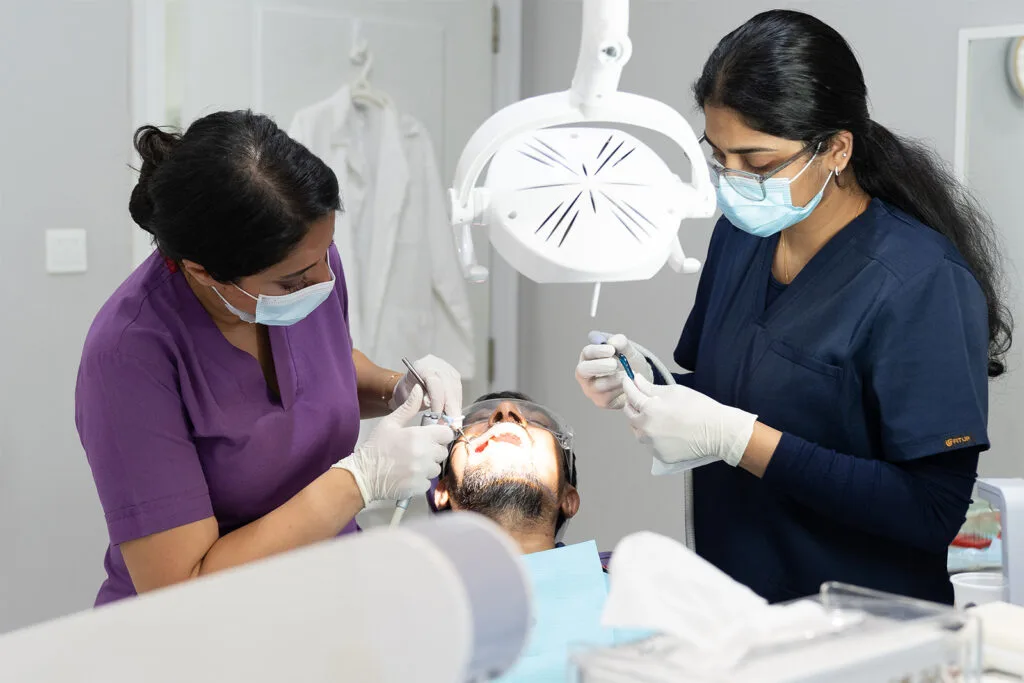
E-max crowns are ceramic restorations commonly made from lithium-disilicate material and designed to cover suitable prepared teeth. They may be selected when the treatment plan requires a combination of tooth coverage, appearance, translucency, and adhesive bonding. At Bourgeois Dental Clinic in Dubai, suitability is determined after assessing the tooth structure, underlying colour, gums, bite, and restorative needs.
What Is an E-max Crown?
E-max is a ceramic material system commonly associated with lithium disilicate. It may be used for crowns, veneers, inlays, onlays, and selected other restorations.
An E-max crown covers the visible portion of a prepared tooth and is individually designed to restore shape, colour, contact points, and function.
When May an E-max Crown Be Considered?
An E-max crown may be considered for suitable:
- Front teeth requiring full coverage
- Selected premolars or back teeth
- Teeth with large restorations
- Teeth weakened by fracture or decay
- Root-canal-treated teeth with appropriate remaining structure
- Discoloured teeth requiring restorative coverage
- Replacement of selected old crowns
- Teeth requiring improved shape and proportions alongside structural support
E-max is not suitable for every tooth. Heavy bite forces, limited restorative space, severe grinding, very dark underlying structure, bridge requirements, or major structural damage may make another material more appropriate.
What Are the Potential Benefits of E-max Crowns?
In suitable cases, potential benefits may include:
- Tooth-coloured ceramic appearance
- Natural-looking translucency
- Custom shade and shape
- Adhesive bonding in selected cases
- Use for suitable front and selected back teeth
- Ability to coordinate with veneers or other ceramic restorations
- Laboratory or digital manufacturing options
The result depends on preparation, material thickness, underlying tooth colour, laboratory work, bonding conditions, bite, and maintenance.
Who May Be Suitable for an E-max Crown?
Potential candidates generally require:
- A restorable tooth with sufficient remaining structure
- Healthy or appropriately treated gums
- A bite compatible with the planned ceramic restoration
- Adequate space for the crown
- Manageable grinding or clenching
- No untreated decay or infection
- Realistic expectations about appearance and maintenance
What Happens During an E-max-Crown Consultation?
The dentist discusses the condition of the tooth, treatment goals, colour expectations, and alternative materials.
The assessment may include:
- Examination for decay, cracks, fractures, and large fillings
- Assessment of remaining enamel and dentine
- Evaluation of previous root canal treatment
- Review of gum health and gumline position
- Assessment of bite forces, grinding, and clenching
- Evaluation of the underlying tooth colour
- Dental X-rays, photographs, scans, or impressions
- Comparison with zirconia, metal-ceramic, onlay, or another restorative option
How Is an E-max Crown Placed?
- Tooth assessment and preparation: Decay, damaged fillings, and weak structure are managed, and the tooth is shaped for the crown.
- Core build-up: Missing structure may be rebuilt when necessary.
- Digital scan or impression: Accurate records are taken.
- Temporary crown: A temporary restoration may protect the tooth during fabrication.
- Try-in: The crown is checked for fit, shade, shape, contacts, and bite.
- Bonding or cementation: The crown is secured using the selected adhesive or cementation protocol.
- Final adjustment: The dentist checks the margins, bite, comfort, and cleaning access.
Does an E-max Crown Require Tooth Preparation?
Yes. The tooth generally needs controlled reduction to provide sufficient space for the ceramic and establish suitable margins and support.
The amount of preparation depends on tooth position, existing restorations, colour, structural damage, required thickness, and the intended crown design.
Are E-max Crowns Suitable for Front Teeth?
They may be suitable for selected front teeth because lithium-disilicate ceramic can provide translucency and colour control.
However, the underlying tooth colour, available thickness, gumline, neighbouring teeth, bite, and appearance expectations must be assessed.
Are E-max Crowns Suitable for Back Teeth?
E-max may be considered for selected premolars and back teeth when adequate material thickness, tooth support, and bite conditions are available.
Patients with severe grinding, heavy bite forces, limited space, or complex posterior requirements may be better suited to zirconia or another restorative option.
What Is the Difference Between E-max Crowns and E-max Veneers?
An E-max veneer mainly covers the front surface of a suitable tooth and is primarily used for selected cosmetic changes.
An E-max crown covers substantially more of the prepared tooth and is selected when greater coverage and structural restoration are required.
What Is the Difference Between E-max and Zirconia Crowns?
Zirconia crowns are made from zirconium-dioxide-based ceramic and may offer different strength and opacity characteristics.
E-max crowns use lithium-disilicate ceramic and may be selected where translucency, appearance, and adhesive bonding are important.
The appropriate material depends on tooth location, bite, remaining structure, underlying colour, crown thickness, and restorative objectives.
Can E-max Crowns Cover Dark Teeth?
They may mask selected discolouration, but the result depends on the severity of the underlying colour, ceramic thickness, opacity, preparation, and final shade.
Very dark teeth, metal posts, or strongly discoloured foundations may require a different material, additional masking, or another restorative approach.
Can E-max Crowns Be Whitened?
No. Whitening products do not change the colour of lithium-disilicate ceramic. Whitening is generally completed before selecting the final crown shade when lighter natural teeth are desired.
Can an E-max Crown Break?
Yes. Although E-max is selected for suitable restorative cases, ceramic fracture, chipping, debonding, cement failure, or damage to the supporting tooth can occur.
Risks may increase with severe grinding, trauma, inadequate thickness, unfavourable bite forces, or biting hard objects.
How Long Do E-max Crowns Last?
The lifespan depends on tooth condition, preparation, ceramic thickness, bonding, bite, grinding, oral hygiene, gum health, habits, and maintenance.
The crown may eventually require repair or replacement, and the supporting tooth may develop decay, gum changes, fracture, or another dental problem.
Can Teeth Grinding Damage E-max Crowns?
Yes. Grinding and clenching may increase the risk of fracture, chipping, debonding, and wear.
A custom night guard may be recommended when signs of bruxism are present.
How to Care for an E-max Crown
- Brush twice daily with fluoride toothpaste
- Clean between the crown and neighbouring teeth every day
- Avoid biting ice, pens, bones, and hard objects
- Do not use the crown to open packaging
- Manage grinding and clenching
- Wear a night guard when recommended
- Attend regular dental and hygiene appointments
- Seek assessment if the crown becomes loose, painful, chipped, or sensitive
E-max Crowns on Sheikh Zayed Road
Bourgeois Dental Clinic is located in Indigo Sky Building, Sheikh Zayed Road, Exit 41, near Al Thanya Street in Dubai. Our clinic is accessible from Al Barsha, Umm Al Sheif, Umm Suqeim, Jumeirah, Al Quoz, Barsha Heights, The Greens, Dubai Marina, and nearby communities.
Book an E-max-crown consultation to determine whether lithium-disilicate ceramic is appropriate for your tooth and restorative plan.
Department
Restorative Dentistry
Related Doctors

FAQ
Frequently Asked Questions
BOOK AN
Appointment
Working Hours
We are here to serve you