


Fluoride Treatment for Adults
- 1Specialist
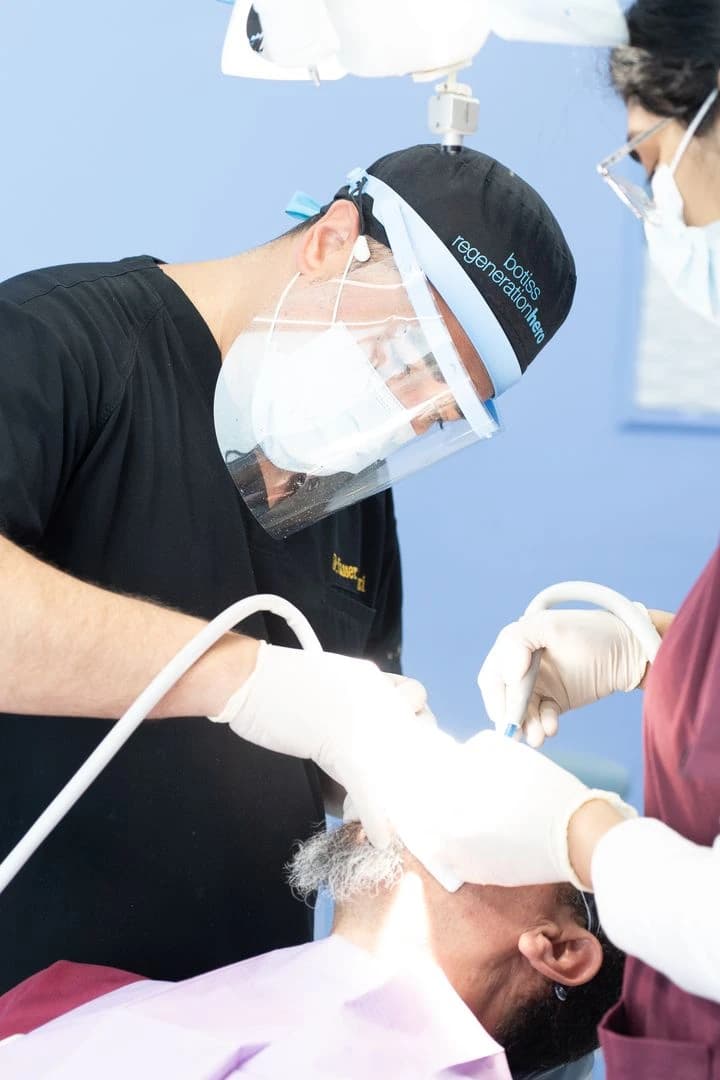
Professional fluoride treatment applies a concentrated fluoride product to selected tooth surfaces to support enamel remineralisation and improve resistance to acid-related mineral loss. It may be recommended for adults with increased cavity risk, sensitive root surfaces, dry mouth, orthodontic appliances, repeated decay, or selected enamel concerns.
At Bourgeois Dental Clinic in Dubai, fluoride recommendations are based on dental history, current cavities, saliva, diet, medical conditions, medication, existing restorations, oral hygiene, fluoride exposure, and ability to maintain daily preventive care.
Who May Benefit From Professional Fluoride?
Treatment may be considered for adults who have:
- Repeated or recent cavities
- Dry-mouth symptoms
- Exposed or sensitive root surfaces
- Braces or orthodontic appliances
- Difficulty maintaining oral hygiene
- Deep grooves or areas that retain plaque
- Multiple crowns, bridges, or restorations
- Partial dentures that increase plaque-retentive areas
- Frequent sugar or acidic-drink exposure
- Medical conditions or medication that increase dental risk
- Early non-cavitated enamel changes
How Does Fluoride Help Teeth?
Fluoride may:
- Support remineralisation of early enamel mineral loss
- Increase enamel resistance to acid attack
- Reduce the rate of mineral loss during repeated acid exposure
- Support protection of exposed root surfaces
- Complement daily fluoride-toothpaste use
Fluoride cannot rebuild a large missing area of tooth structure or replace a filling when a cavity has progressed beyond a stage suitable for preventive management.
What Happens During the Appointment?
- Risk assessment: Reviewing cavity history, diet, dry mouth, fluoride exposure, medication, medical conditions, and oral hygiene.
- Dental examination: Checking current decay, early enamel changes, root exposure, restorations, and gum condition.
- Professional cleaning when needed: Removing plaque or deposits that may interfere with application.
- Fluoride application: Applying varnish, gel, foam, or another suitable professional product.
- Post-treatment instructions: Explaining eating, drinking, brushing, and product-use guidance according to the material applied.
- Follow-up plan: Recommending future fluoride, cleaning, checkups, or home-care measures according to risk.
What Types of Professional Fluoride Are Used?
Products may include varnishes, gels, foams, rinses, or prescription-strength home-care products when clinically appropriate.
The selected form depends on:
- Cavity risk
- Age and medical history
- Dry mouth
- Tooth sensitivity
- Root exposure
- Orthodontic appliances
- Patient tolerance
- Need for controlled application
Is Fluoride Only for Children?
No. Adults may also benefit, particularly when their risk of decay is increased by dry mouth, gum recession, exposed roots, medication, restorations, orthodontic appliances, diet, or previous cavities.
Can Fluoride Reverse a Cavity?
Very early non-cavitated enamel changes may sometimes be stabilised or remineralised when fluoride use is combined with improved plaque control and reduced sugar frequency.
Once the tooth surface has broken down and a cavity has formed, restorative treatment may be required.
Can Fluoride Help Sensitive Teeth?
Fluoride products may reduce sensitivity in selected patients by supporting mineralisation and reducing fluid movement through exposed dentine.
Sensitivity can also be caused by:
- Decay
- Cracks
- Gum recession
- Tooth wear
- Grinding
- A leaking restoration
- Pulp inflammation
Persistent, severe, or localised sensitivity requires diagnosis rather than repeated fluoride treatment alone.
Why Is Dry Mouth a Cavity Risk?
Saliva helps neutralise acids, clear food, lubricate oral tissues, and provide minerals that support the teeth. Reduced saliva may increase the risk of rapid decay, root cavities, oral discomfort, and difficulty wearing dentures.
Dry mouth may be related to medication, medical conditions, dehydration, smoking, or other factors. Management may include fluoride, hydration guidance, saliva-support measures, medication review with the appropriate clinician, and closer dental monitoring.
Can Fluoride Be Used With Braces?
Yes. Brackets and attachments can increase plaque retention and make cleaning more difficult.
Professional fluoride may be combined with:
- Improved brushing around brackets
- Interdental cleaning
- Fluoride toothpaste
- Reduced sugar frequency
- Monitoring of early white enamel marks
- Regular preventive visits
Can Patients With Crowns and Bridges Receive Fluoride?
Yes. Fluoride does not treat the restoration material itself, but it may help protect natural tooth structure around crown and bridge margins and exposed roots.
Cleaning access, plaque control, sugar exposure, and restoration fit remain important.
How Often Is Professional Fluoride Needed?
The frequency depends on individual cavity risk, previous decay, saliva, diet, orthodontic appliances, root exposure, and response to preventive care.
Some patients may benefit from repeated applications at preventive visits, while low-risk patients may not require routine professional fluoride.
What Should I Do After Fluoride Treatment?
Instructions depend on the product used. Patients may be advised to:
- Avoid eating or drinking for a specified period
- Avoid hard, sticky, or very hot foods temporarily
- Delay brushing for a specified period
- Continue fluoride toothpaste as instructed
- Avoid swallowing professional fluoride products
- Follow the personalised recall plan
Follow the instructions given during the appointment rather than applying a single rule to every fluoride product.
Is Professional Fluoride Safe?
Professional fluoride is generally used in controlled amounts according to clinical need. The dentist should review allergies, medical considerations, swallowing ability, and the product selected.
Patients should not use high-concentration fluoride products without professional guidance.
Can Fluoride Cause Tooth Staining?
Professional topical fluoride used appropriately does not usually change the permanent colour of adult teeth. Temporary surface appearance may vary according to the varnish product used.
Dental fluorosis develops while teeth are forming and is not caused by a routine topical fluoride application to fully developed adult teeth.
What Are the Alternatives or Additional Measures?
- Fluoride toothpaste
- Prescription-strength toothpaste when clinically indicated
- Improved brushing and interdental cleaning
- Reduced sugar frequency
- Dry-mouth management
- Dental sealants for suitable teeth
- Regular examinations and professional cleaning
- Restorative treatment for established cavities
What Are the Risks and Limitations?
- Temporary taste or surface sensation
- Temporary visible varnish coating
- Possible irritation or reaction to a product component
- Need to follow product-specific instructions
- Limited benefit if plaque and sugar exposure remain uncontrolled
- Inability to repair an established cavity
- Need for repeated application in high-risk patients
- Need for additional restorative or medical management
When Is Fluoride Treatment Not Enough?
Further dental assessment is needed for toothache, visible cavities, broken teeth, persistent sensitivity, swelling, pus, loose restorations, or pain when biting.
Difficulty breathing or swallowing, rapidly spreading facial or neck swelling, uncontrolled bleeding, or significant deterioration requires urgent medical care.
Adult Fluoride Treatment on Sheikh Zayed Road
Bourgeois Dental Clinic is located on the first floor of Indigo Sky Building, Sheikh Zayed Road, Exit 41, near Al Thanya Street in Dubai. The clinic is accessible from Al Barsha, Umm Al Sheif, Umm Suqeim, Jumeirah, Al Quoz, Barsha Heights, The Greens, Dubai Marina, and nearby communities.
Book an adult fluoride assessment for repeated cavities, dry mouth, sensitive roots, braces, early enamel changes, extensive restorations, or a personalised cavity-prevention plan.
Department
Preventive Dentistry & Oral Hygiene
Related Doctors

FAQ
Frequently Asked Questions
BOOK AN
Appointment
Working Hours
We are here to serve you