


Gum Depigmentation
- 4Specialists
- 8Documented Cases
Cases
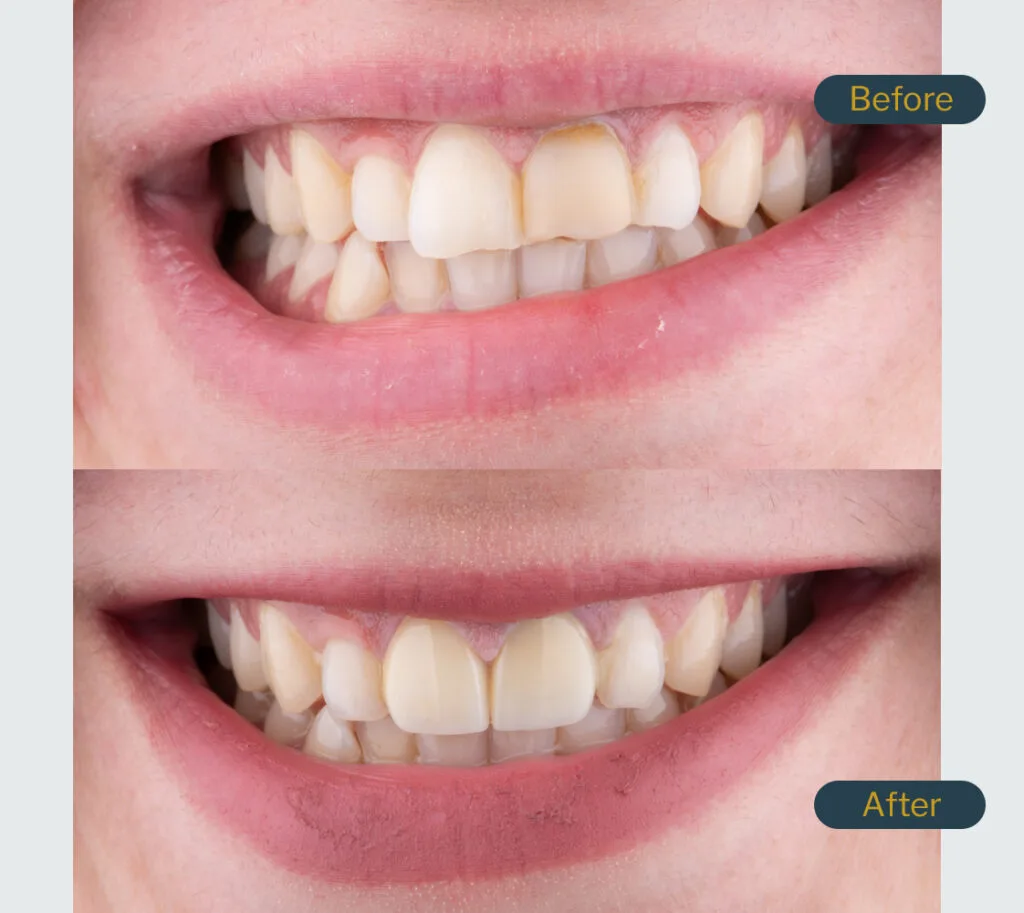
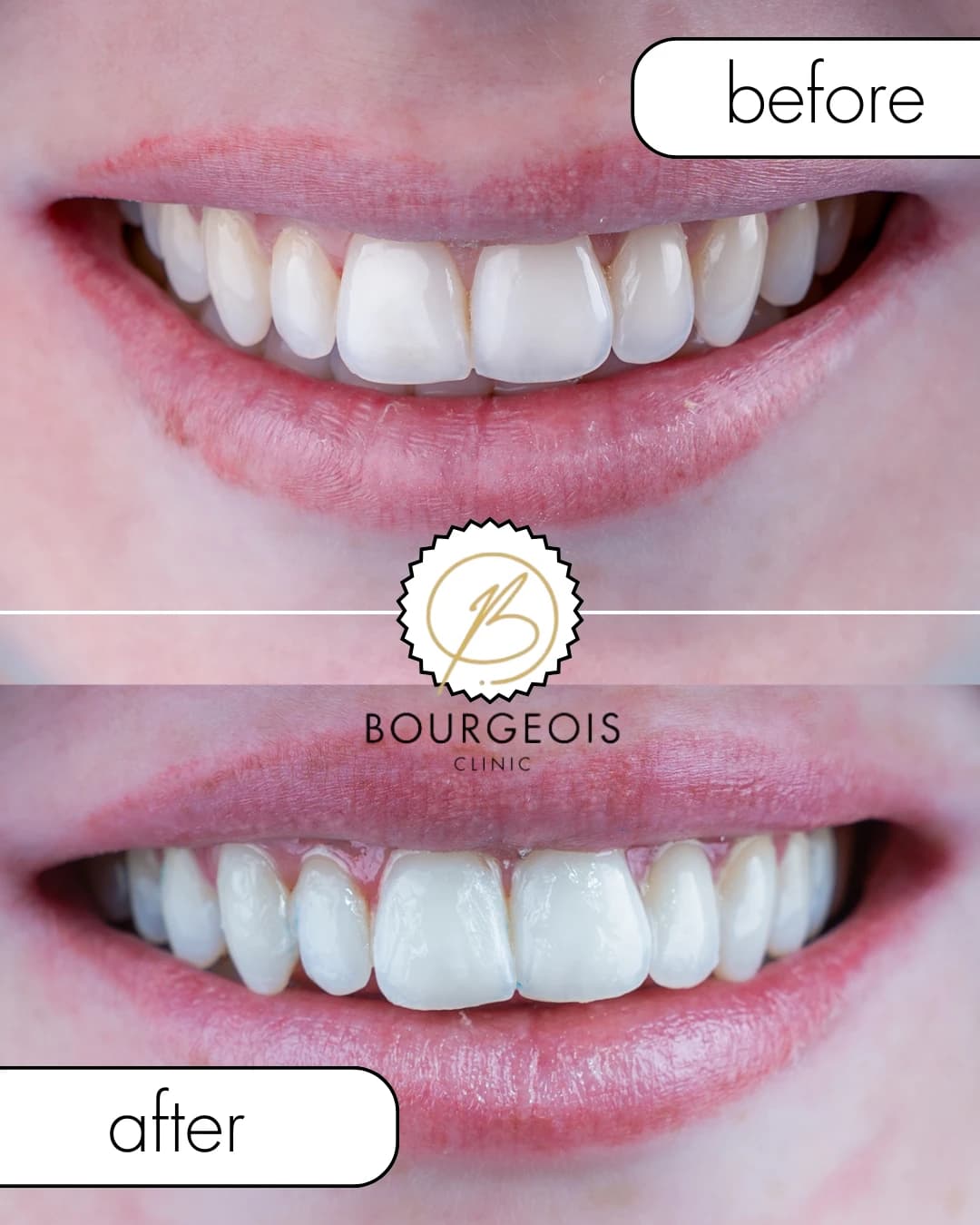
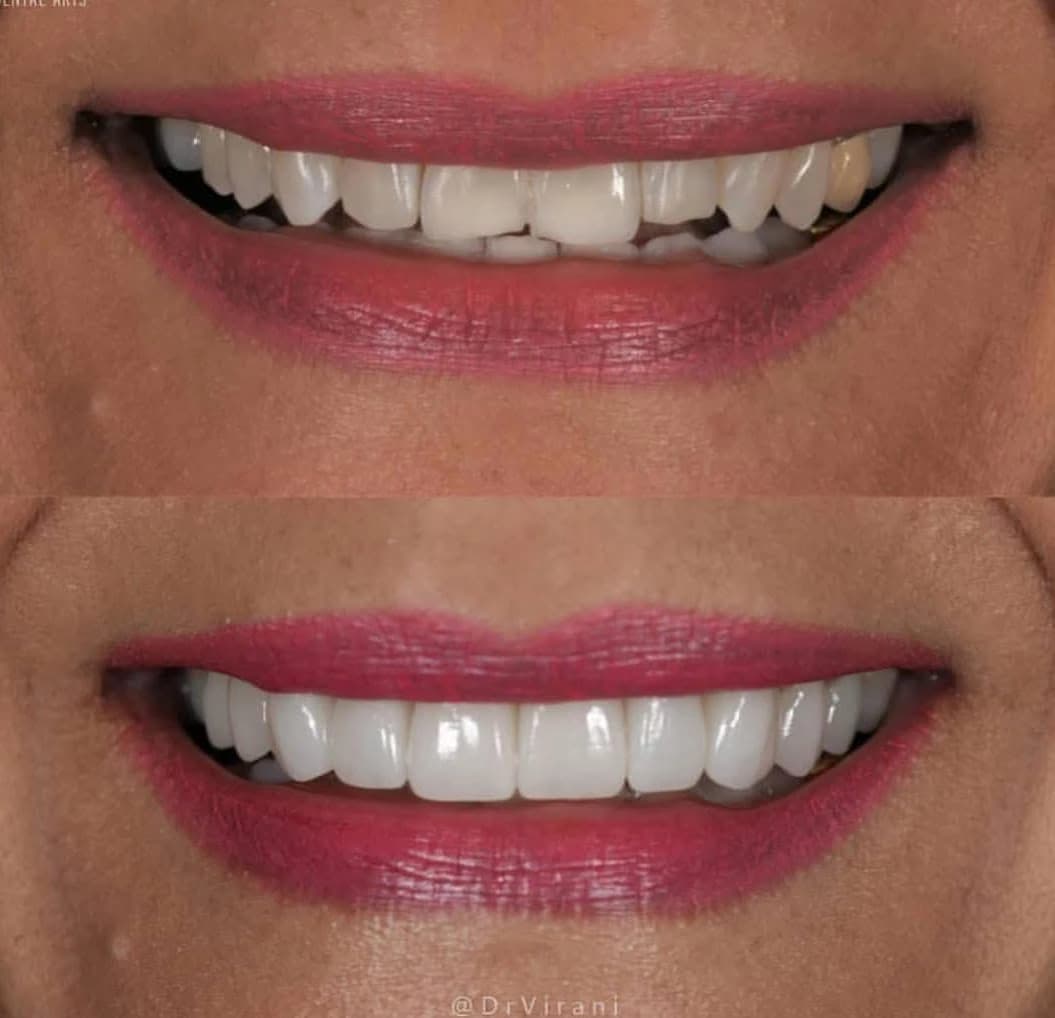
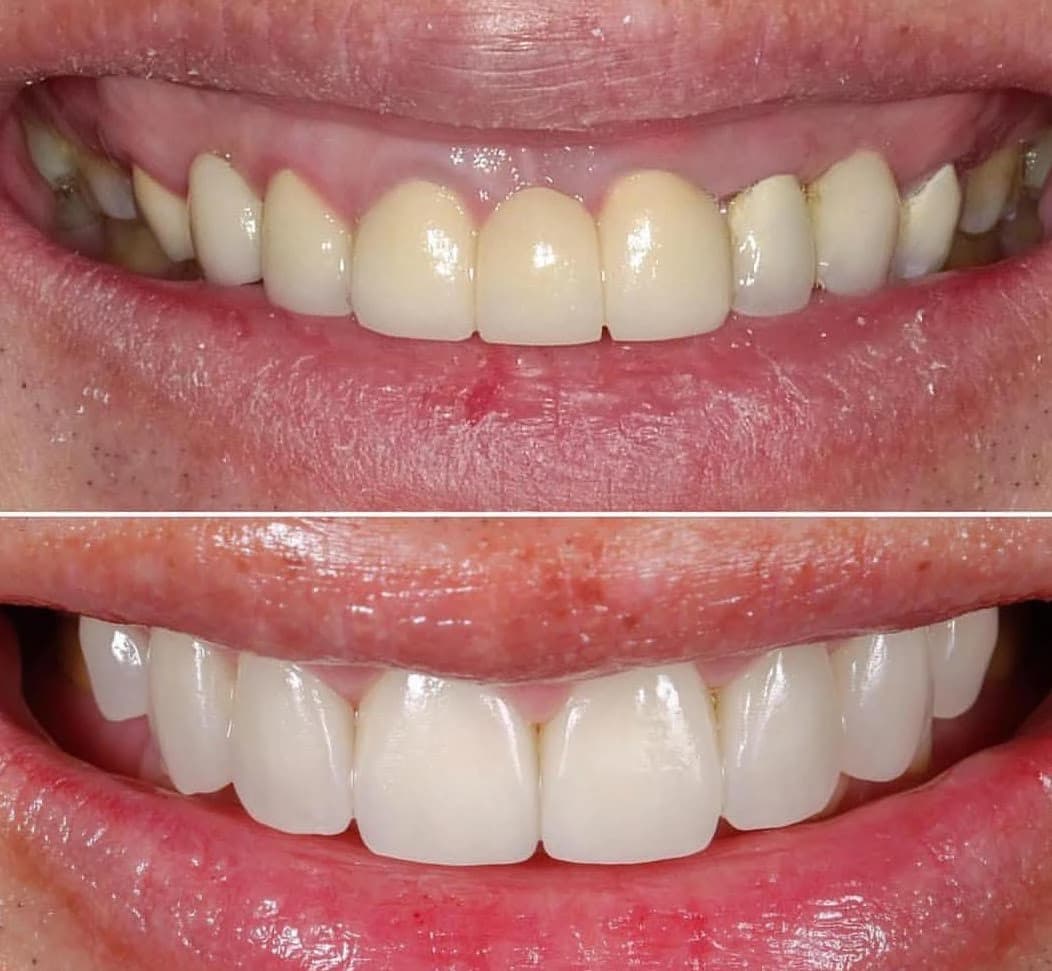
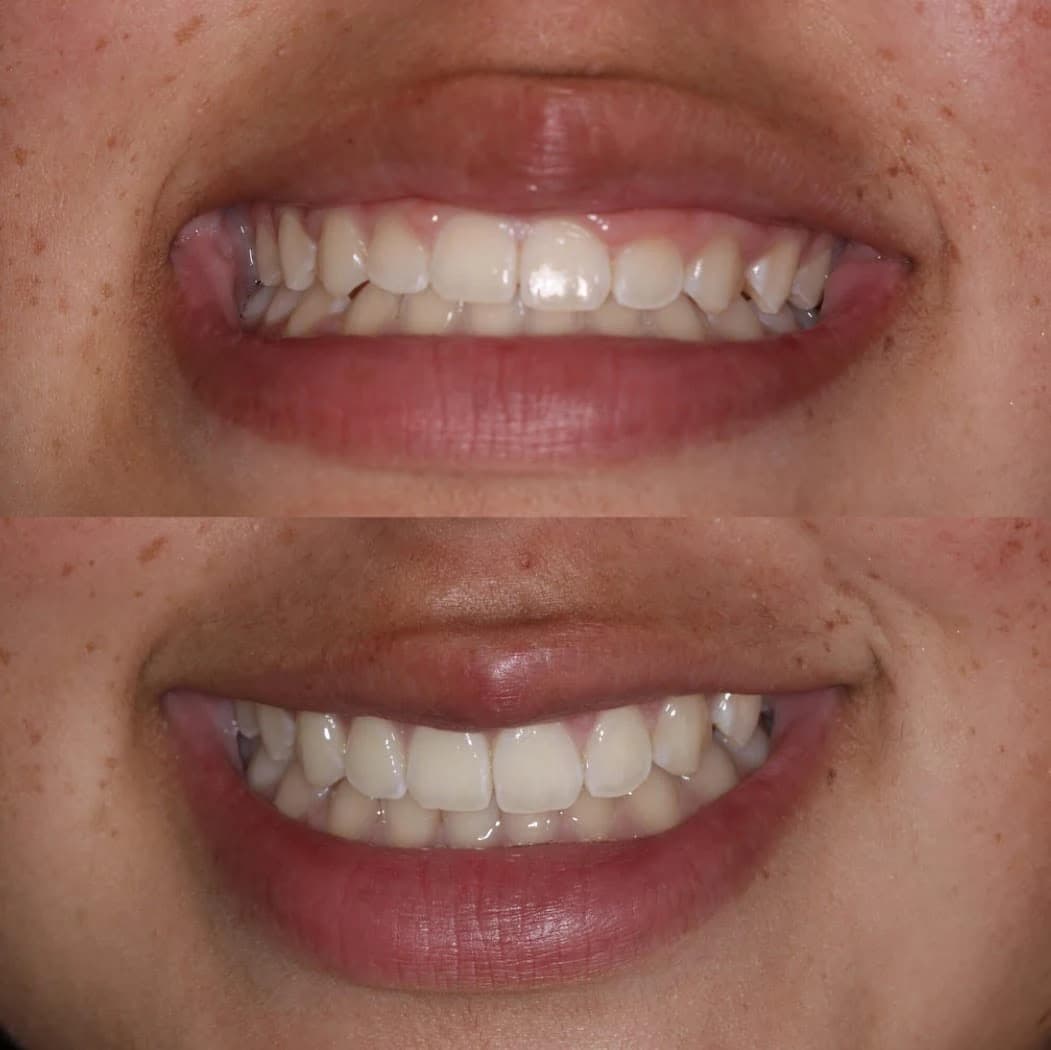
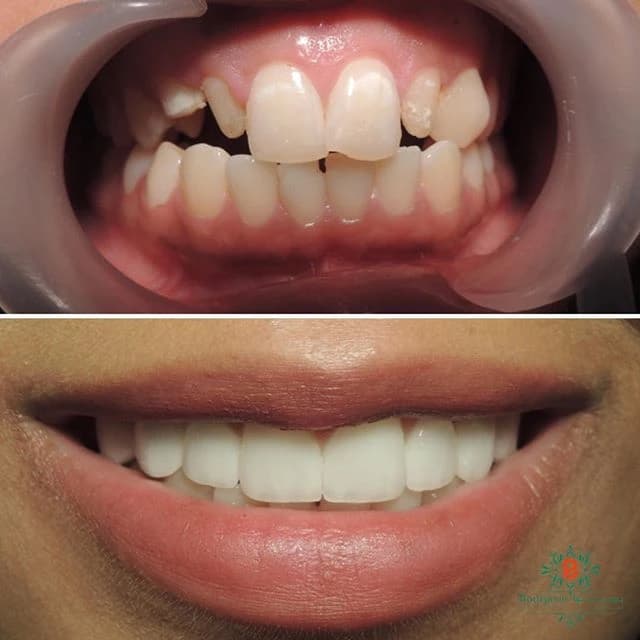
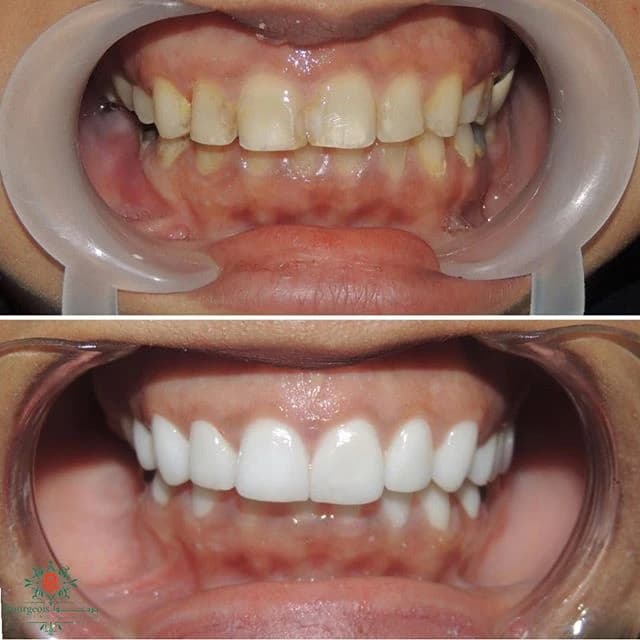
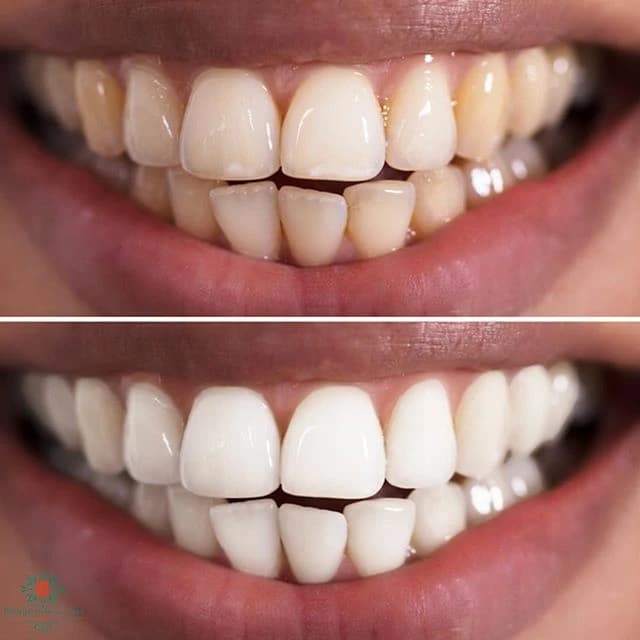
Gum depigmentation is a cosmetic periodontal procedure used to reduce selected dark pigmentation from the visible gum tissue. At Bourgeois Dental Clinic in Dubai, treatment begins with an assessment of gum health, pigmentation pattern, tissue thickness, medical history, smoking, and the patient's cosmetic goals.
What Is Gum Pigmentation?
Gum colour varies naturally between individuals. Healthy gums may appear pale pink, darker pink, brown, or contain areas of deeper pigmentation.
Dark pigmentation is often related to melanin, the natural pigment also responsible for skin and hair colour. In many patients, it is a normal variation rather than a disease.
What Is Gum Depigmentation?
Gum depigmentation, sometimes called gum bleaching, removes or reduces selected pigmented surface tissue to create a lighter or more uniform appearance.
The purpose is cosmetic. It does not improve tooth colour, change the shape of the teeth, or treat active gum disease.
Who May Consider Gum Depigmentation?
The treatment may be considered by patients who:
- Have visible dark gum pigmentation
- Feel that gum colour affects smile appearance
- Have healthy or appropriately treated gums
- Understand that pigmentation may return over time
- Have realistic expectations about the degree of colour change
- Are suitable for the selected periodontal technique
What Causes Dark Gums?
Dark gum colour may be related to:
- Natural melanin pigmentation
- Genetic factors
- Ethnic or familial characteristics
- Smoking
- Certain medications
- Previous inflammation
- Selected medical conditions
- Metal-related pigmentation around some restorations
Not every dark area should be treated cosmetically. New, changing, irregular, painful, bleeding, or unexplained pigmentation requires diagnostic assessment before cosmetic treatment.
What Happens During a Gum-Depigmentation Consultation?
The dentist evaluates the colour, distribution, symmetry, and duration of the pigmentation and asks whether it has changed.
The assessment may include:
- Medical-history review: Checking medications, smoking, previous treatment, and relevant health conditions.
- Gum examination: Assessing inflammation, bleeding, recession, periodontal disease, and tissue thickness.
- Pigmentation assessment: Reviewing whether the colour appears consistent with natural melanin pigmentation.
- Smile assessment: Determining how much gum is visible during smiling and speaking.
- Treatment discussion: Explaining techniques, limitations, healing, recurrence, and maintenance.
- Referral when necessary: Recommending specialist or medical assessment if the pigmentation appears unusual or unexplained.
How Is Gum Depigmentation Performed?
The procedure may use different methods depending on the tissue, pigmentation, dentist's assessment, and available treatment approach.
Possible techniques include:
- Dental laser treatment
- Conventional surgical removal of pigmented surface tissue
- Electrosurgical techniques
- Other periodontal depigmentation methods
The selected technique should be discussed during the consultation. Local anaesthesia is commonly used for comfort.
Is Gum Depigmentation Painful?
Local anaesthesia is generally used during treatment. Afterward, patients may experience temporary tenderness, mild swelling, burning, or sensitivity in the treated area.
The level of discomfort depends on the extent of pigmentation, treatment method, tissue response, and individual healing.
How Long Does Healing Take?
Initial healing may occur over days to weeks. Gum colour and tissue appearance can continue to change during healing.
The dentist provides instructions about brushing, eating, rinsing, smoking, and follow-up appointments.
What Should Be Avoided After Treatment?
Patients may be advised to:
- Avoid hard or sharp foods temporarily
- Avoid very hot or spicy foods
- Brush gently around the treated tissue
- Use prescribed rinses as directed
- Avoid smoking during healing
- Not touch or scratch the gum tissue
- Attend the scheduled review appointment
Can Gum Pigmentation Return?
Yes. Melanin pigmentation may gradually return because pigment-producing cells can remain or repopulate the treated tissue.
The timing and degree of recurrence vary according to the patient's natural pigmentation, technique, smoking, tissue characteristics, and individual response.
Gum depigmentation should not be described as permanently preventing pigmentation.
Does Smoking Affect Gum Pigmentation?
Smoking may contribute to darker gum pigmentation and can also affect gum health and healing.
Patients who smoke should understand that continued tobacco use may influence the cosmetic result, recurrence, healing, and risk of periodontal disease.
Is Dark Gum Pigmentation Unhealthy?
Natural melanin pigmentation is often a healthy variation. Treatment is generally cosmetic rather than medically necessary.
However, pigmentation that is new, changing, irregular, raised, ulcerated, bleeding, painful, or limited to an unexplained area should be examined before any cosmetic procedure.
Can Gum Depigmentation Treat Metal Staining?
Not every dark area is caused by melanin. Selected pigmentation may be associated with metal particles, restorations, medication, trauma, or another condition.
The dentist must identify the likely cause before recommending treatment. Removal of surface tissue may not correct pigmentation that comes from a deeper or different source.
Can Gum Depigmentation Be Combined with Other Cosmetic Treatment?
Yes. It may be included in a broader smile-makeover plan with whitening, bonding, veneers, or gum contouring.
Treatment timing should be coordinated so that gum healing and colour stability are considered before final restorations are completed.
How to Maintain Gum Health After Treatment
- Brush gently twice daily
- Clean between the teeth every day
- Attend professional cleaning appointments
- Avoid tobacco
- Manage gum inflammation promptly
- Follow healing instructions
- Attend follow-up appointments
- Seek assessment for new or changing pigmentation
Gum Depigmentation on Sheikh Zayed Road
Bourgeois Dental Clinic is located in Indigo Sky Building, Sheikh Zayed Road, Exit 41, near Al Thanya Street in Dubai. The clinic is convenient for patients from Al Barsha, Umm Al Sheif, Umm Suqeim, Jumeirah, Al Quoz, Barsha Heights, The Greens, Dubai Marina, and surrounding communities.
Book a gum-depigmentation consultation to assess gum health, pigmentation type, treatment suitability, and expected maintenance.
Department
Cosmetic Dentistry
Related Doctors




FAQ
Frequently Asked Questions
BOOK AN
Appointment
Working Hours
We are here to serve you