


Laughing Gas Sedation for Children
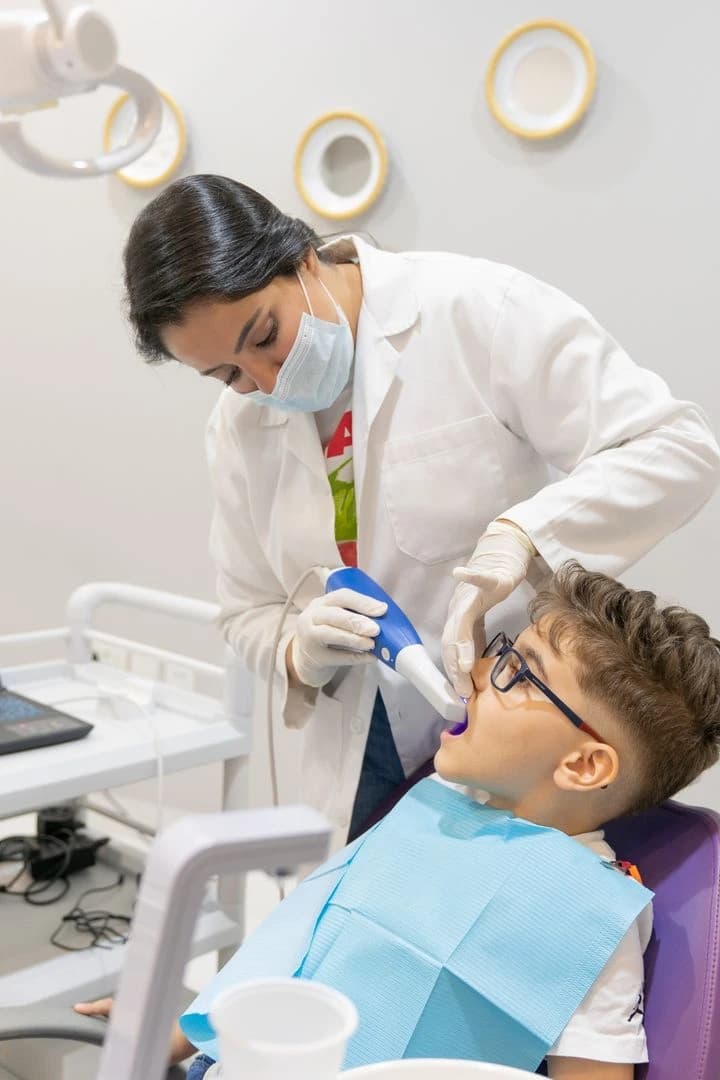
Laughing gas sedation uses a controlled mixture of nitrous oxide and oxygen to help selected children feel calmer during dental treatment while remaining conscious and able to respond. It is inhaled through a small nasal mask and is sometimes used alongside age-appropriate behaviour guidance.
At Bourgeois Dental Clinic in Dubai, laughing gas is considered only after reviewing the child’s medical history, breathing, recent illness, anxiety, cooperation, treatment needs, guardian consent, and suitability for the planned procedure.
What Is Laughing Gas?
Laughing gas is the common name for nitrous-oxide and oxygen inhalation sedation. It may help reduce anxiety, improve tolerance of unfamiliar sensations, and support cooperation during selected dental procedures.
The child remains conscious and should be able to hear, respond, and communicate during treatment.
Which Children May Benefit?
Laughing gas may be considered for selected children who:
- Have mild or moderate dental anxiety
- Have difficulty tolerating dental sounds or sensations
- Need help remaining relaxed during treatment
- Have a sensitive gag reflex
- Need a procedure that requires cooperation for a limited period
- Have had a difficult previous dental experience
- Can breathe comfortably through the nose
- Can understand and follow basic instructions
Suitability depends on individual assessment rather than age alone.
When May Laughing Gas Not Be Suitable?
It may be unsuitable or less effective when the child:
- Cannot breathe comfortably through the nose
- Has significant nasal congestion or a recent respiratory illness
- Cannot tolerate the nasal mask
- Cannot understand or follow essential instructions
- Has a medical condition requiring another approach
- Needs a procedure beyond the level supported by minimal inhalation sedation
- Has severe anxiety that is not adequately managed by this technique
- Has another clinical concern identified during assessment
The dentist may postpone elective care, modify the plan, or recommend another setting or approach when necessary.
What Happens Before Sedation?
- Medical-history review: Discussing health conditions, allergies, medication, recent illness, breathing concerns, and previous sedation.
- Dental assessment: Confirming the diagnosis, urgency, procedure, and expected treatment time.
- Cooperation assessment: Determining whether the child can accept the nasal mask and follow instructions.
- Consent discussion: Explaining benefits, limitations, alternatives, and possible side effects to the parent or guardian.
- Pre-appointment instructions: Providing guidance about food, drink, medication, and arrival based on the child’s individual plan.
Families should follow the clinic’s specific preparation instructions rather than applying a general fasting rule.
What Happens During the Appointment?
- The child is introduced to the nasal mask.
- Oxygen and nitrous oxide are delivered in controlled amounts.
- The child’s response and comfort are monitored.
- Dental treatment begins when an appropriate level of relaxation is achieved.
- The child remains conscious and able to communicate.
- At the end, nitrous oxide is stopped and oxygen may be continued according to the clinical protocol.
- The child is assessed before leaving the dental chair.
What May the Child Feel?
Children may describe:
- Relaxation
- Warmth
- A light or floating feeling
- Tingling in the hands or feet
- Changes in awareness of sounds
- A sensation of heaviness or lightness
Experiences vary. The child should inform the dental team about nausea, discomfort, dizziness, breathing difficulty, or an unpleasant sensation.
Does Laughing Gas Put the Child to Sleep?
No. It is not general anaesthesia. The child remains conscious and should be able to respond during treatment.
A relaxed child may appear sleepy, but loss of consciousness is not the intended effect of this technique.
Does Laughing Gas Replace Local Anaesthesia?
Not necessarily. Laughing gas primarily supports relaxation and may not provide sufficient pain control for fillings, pulp treatment, crowns, or extractions.
Local anaesthesia may still be required when clinically appropriate.
What Dental Treatments May Be Completed With Laughing Gas?
Depending on suitability and cooperation, it may support:
- Dental examination and imaging
- Professional cleaning
- Fluoride treatment
- Dental sealants
- Fillings
- Pulp treatment
- Dental crowns
- Selected baby-tooth extractions
- Emergency treatment
The procedure itself must still be clinically appropriate for the child.
Can Laughing Gas Be Used for Dental Emergencies?
It may be considered for selected emergencies when the child’s condition, breathing, cooperation, and treatment needs allow it.
It should not delay urgent medical care for breathing difficulty, spreading swelling, major trauma, uncontrolled bleeding, or significant deterioration.
How Quickly Does It Wear Off?
The effect generally reduces after the nitrous oxide is stopped, but recovery and discharge decisions depend on the child’s response and clinical assessment.
The child should remain under supervision until the dental team confirms that leaving is appropriate.
What Are the Possible Side Effects?
Possible temporary effects may include:
- Nausea
- Vomiting
- Dizziness
- Headache
- Unpleasant sensations
- Difficulty tolerating the mask
- Inadequate anxiety control
- Temporary tiredness
The gas may be reduced or stopped if the child becomes uncomfortable.
What if Laughing Gas Does Not Work?
The dentist may pause or stop treatment if the child remains distressed or cannot cooperate safely.
Options may include:
- A shorter familiarisation visit
- Completing only urgent treatment
- Dividing treatment into stages
- Using another behaviour-support approach
- Postponing elective care
- Referral to an appropriate setting when required
Is Laughing Gas Safe for Every Child?
No sedation technique is suitable for every patient. Safe use depends on accurate medical information, appropriate case selection, equipment, monitoring, cooperation, and following clinical protocols.
Parents should disclose all medical conditions, medications, allergies, recent illness, breathing problems, and previous sedation reactions.
What Should Parents Do After the Appointment?
- Follow the clinic’s eating and drinking instructions
- Supervise the child while local anaesthesia remains active
- Prevent biting of the numb lip, cheek, or tongue
- Observe for nausea, unusual sleepiness, breathing difficulty, or worsening symptoms
- Give medication only as directed
- Contact the clinic if concerns develop
When Is Urgent Medical Care Needed After Sedation?
Seek urgent medical care for breathing difficulty, severe or persistent vomiting, loss of consciousness, unusual confusion, collapse, a serious allergic reaction, or significant deterioration.
Laughing Gas Sedation for Children on Sheikh Zayed Road
Bourgeois Dental Clinic is located on the first floor of Indigo Sky Building, Sheikh Zayed Road, Exit 41, near Al Thanya Street in Dubai. The clinic is accessible from Al Barsha, Umm Al Sheif, Umm Suqeim, Jumeirah, Al Quoz, Barsha Heights, The Greens, Dubai Marina, and nearby communities.
Book a laughing-gas suitability assessment for a child with dental anxiety, a sensitive gag reflex, previous difficult dental experiences, or concern about cooperation during necessary dental treatment.
Department
Pediatric Dentistry & Children’s Dental Care
FAQ
Frequently Asked Questions
BOOK AN
Appointment
Working Hours
We are here to serve you